Additional Info
A Brief History of MP35N
MP35N, also known as UNS R30035 or 2.4999, is a multiphase alloy based on a nickel-cobalt-chromium-molybdenum system.
The key feature of MP35N is not simply high strength, but rather the combination of ultra-high strength, corrosion resistance, fatigue resistance, toughness and low magnetic susceptibility. Its strength can be further enhanced through cold working and age hardening, whilst maintaining good ductility and corrosion resistance.
MP35N was initially used primarily for high-strength, corrosion-resistant and high-reliability components. As material requirements for medical implants, aerospace fasteners, oil and gas downhole components, marine environment parts and precision elastic elements have increased, MP35N has gradually become a key alloy material in these demanding applications.
How Was The MP35N Developed
The development of MP35N can be traced back to the 1960s and 1970s, a period of rapid advancement in high-performance alloys. At that time, aerospace fasteners, elastic components, control cables and high-strength corrosion-resistant parts required a material that was stronger than conventional stainless steel, more corrosion-resistant than high-strength steel, whilst maintaining toughness and fatigue reliability. Many components required not only high strength but also the ability to withstand chloride corrosion, seawater, hydrogen sulphide, fatigue loads and precision machining to small dimensions.
Conventional stainless steels lacked sufficient strength in certain corrosive environments, whilst high-strength steels were susceptible to corrosion, stress corrosion or hydrogen embrittlement. Although some corrosion-resistant alloys possessed good corrosion resistance, they struggled to simultaneously meet the requirements for ultra-high strength and fatigue resistance.
Research and development personnel required a new high-strength, corrosion-resistant alloy. It needed to be capable of increasing strength through cold working whilst also being further strengthened by ageing treatment; it had to possess high strength without sacrificing toughness, corrosion resistance or fatigue reliability. MP35N was developed to meet these requirements.
MP35N has a cobalt and nickel matrix, with high levels of chromium and molybdenum added. The nickel content is typically 33.00–37.00%, which helps to maintain the alloy’s toughness, workability and stability. The chromium content of 19.00–21.00% is primarily used to enhance corrosion resistance, enabling the material to form a stable protective film in corrosive environments. The molybdenum content of 9.00–10.50% improves resistance to pitting, crevice corrosion and stress corrosion cracking. As a key matrix element, cobalt contributes to the material’s high strength, fatigue resistance and excellent elastic properties.
The strengthening mechanism of MP35N is also crucial. It achieves enhanced performance through a combination of cold working and age hardening. Following cold working and ageing treatment, it can attain an ultra-high strength level of approximately 260–300 ksi (1793–2068 MPa).
Early Applications of MP35N
In its early stages, MP35N was primarily used for aerospace and high-strength, corrosion-resistant engineering components.
Aerospace fasteners, high-strength springs, control cables, sensor elastic elements and corrosion-resistant fasteners were among its earliest applications. These components are not necessarily large in size, but are subjected to complex stresses and place high demands on material strength, fatigue life and environmental stability.
With increasing demand for parts capable of withstanding acidic oil and gas, marine environments and high-strength corrosion resistance, MP35N has gradually entered the oil and gas and marine sectors. Downhole components, H₂S-resistant parts, fasteners for seawater environments, valve elastic components and high-strength wire all require materials that retain their corrosion resistance whilst maintaining high strength.
Current Applications of MP35N
MP35N is currently primarily used in the medical, aerospace, oil and gas, marine and precision engineering sectors, and is particularly suitable for small precision components requiring high strength, corrosion resistance, fatigue resistance and low magnetic properties simultaneously.
Common applications include:
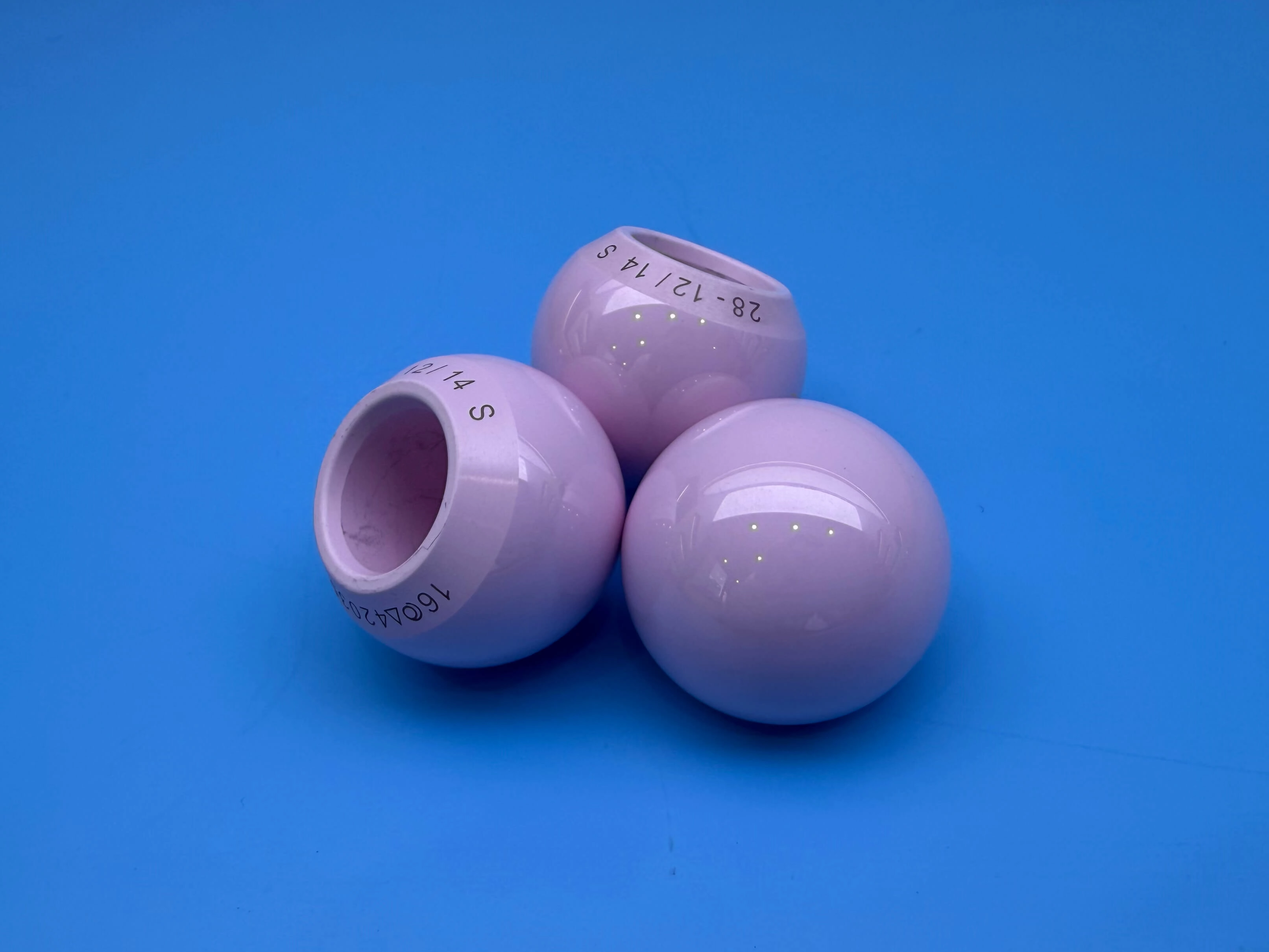
Medical: Pacemaker leads, catheter reinforcement wires, vascular stents, orthopaedic cables, orthodontic elastic components, surgical implant wires, and precision medical elastic components.
Aerospace: High-strength springs, fasteners, control cables, sensor elastic elements, corrosion-resistant connectors, and small, high-reliability load-bearing parts.
Oil & Gas and Marine: Downhole components, H₂S-resistant parts, seawater-resistant fasteners, valve elastic components, corrosion-resistant springs, high-strength wire, and corrosion-resistant connectors.
Precision Engineering: Micro-cables, springs, flexible drive wires, sensor elastic elements, micro-actuator components, and corrosion-resistant precision machined parts.
Sunxin’s MP35N supply support
Sunxin supplies MP35N in sheet, bar, wire and tube forms, as well as custom cut dimensions.
Supported standards include ASTM F562 and ISO 5832-6. The specific applicable standard must be confirmed based on the product form, end use and customer drawing requirements.
Available specifications include:
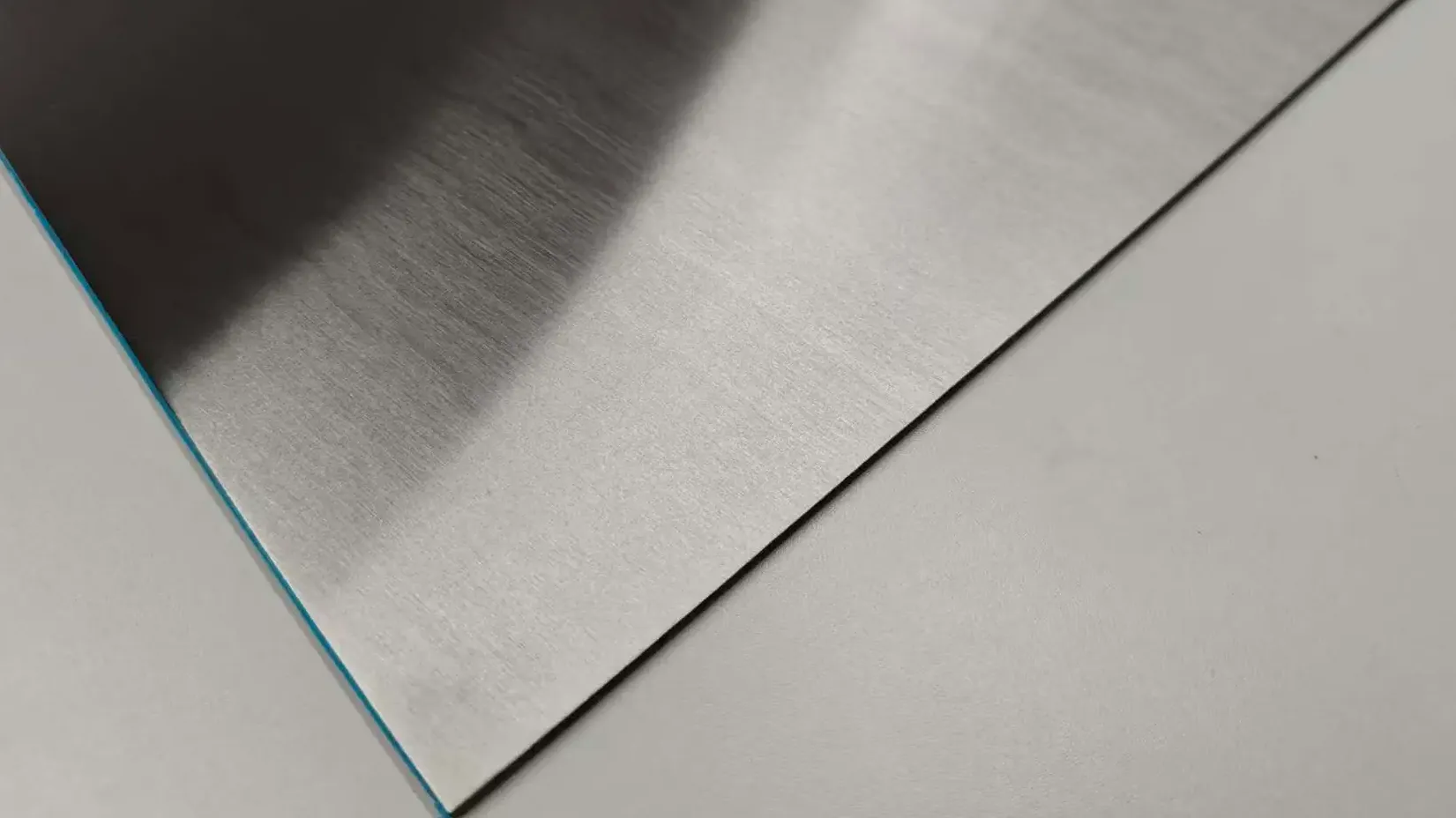
Sheet: T0.5–T200.0 mm, mill-finished, standard lengths 200 / 250 / 300 mm, widths 200 / 300 / 500 / 1000 mm, tolerance -0.0 / +1.0 mm, supplied in the solution-annealed condition.
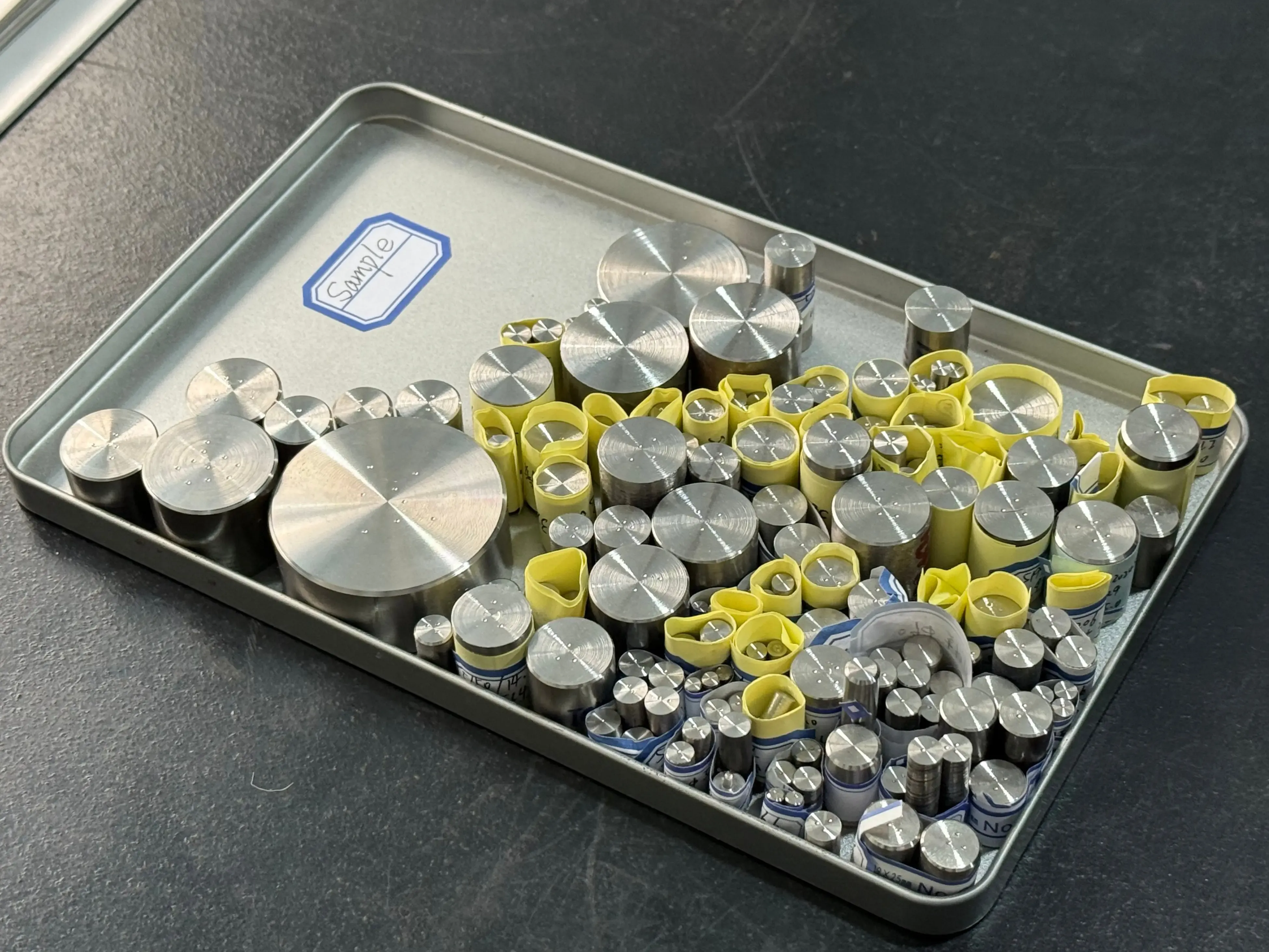
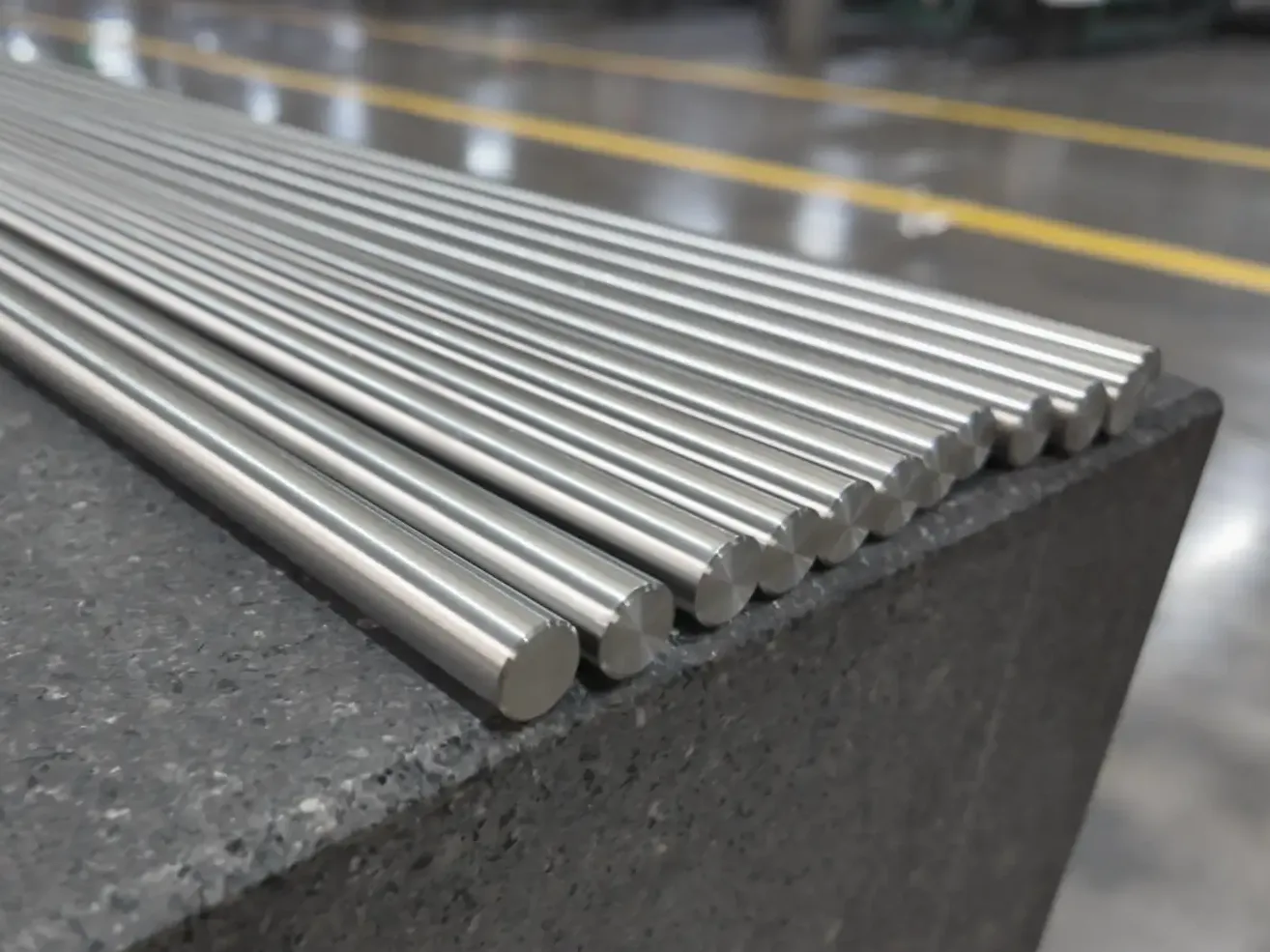
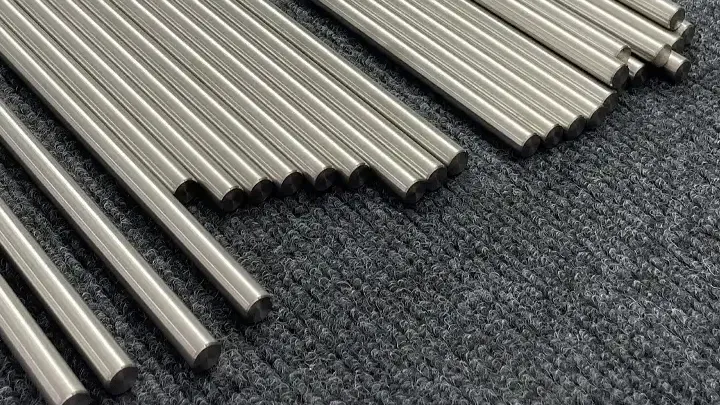
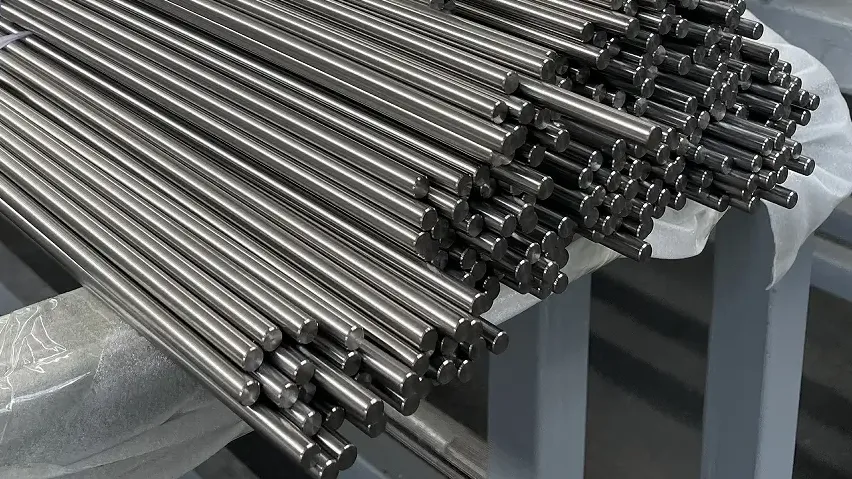
Bar stock: Φ3.0–Φ200.0 mm, polished or precision-polished, standard length 3 m/piece, tolerances available as h6–h9, supplied in the solution-treated condition.
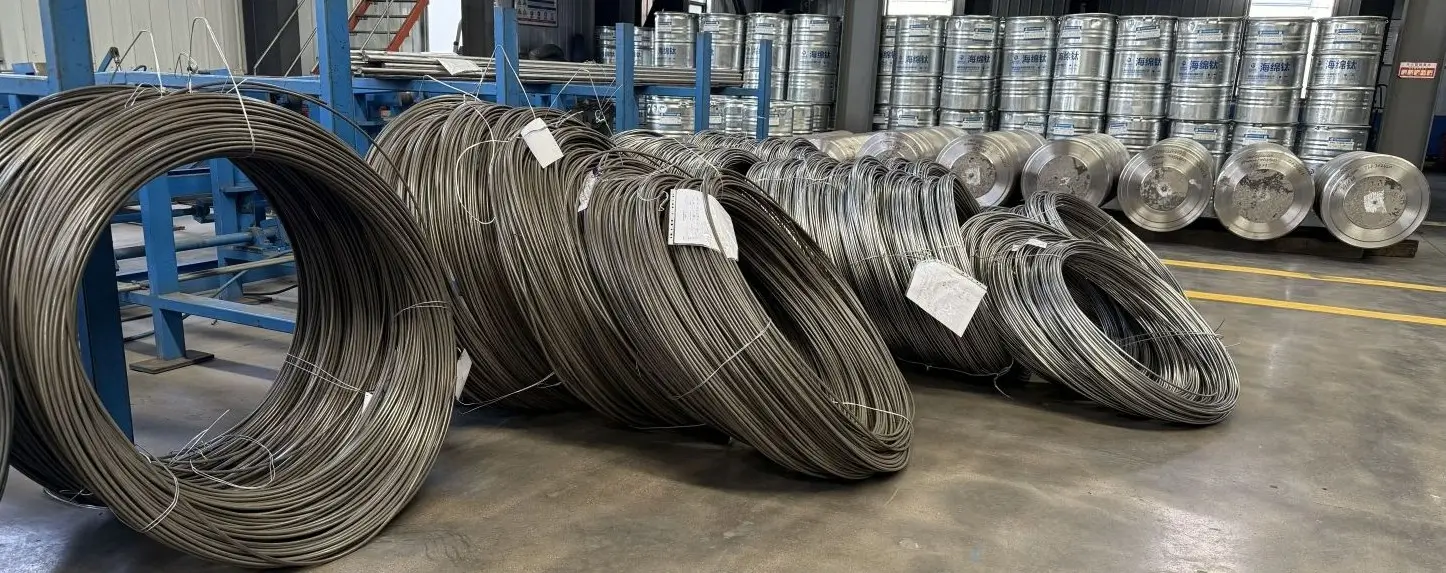
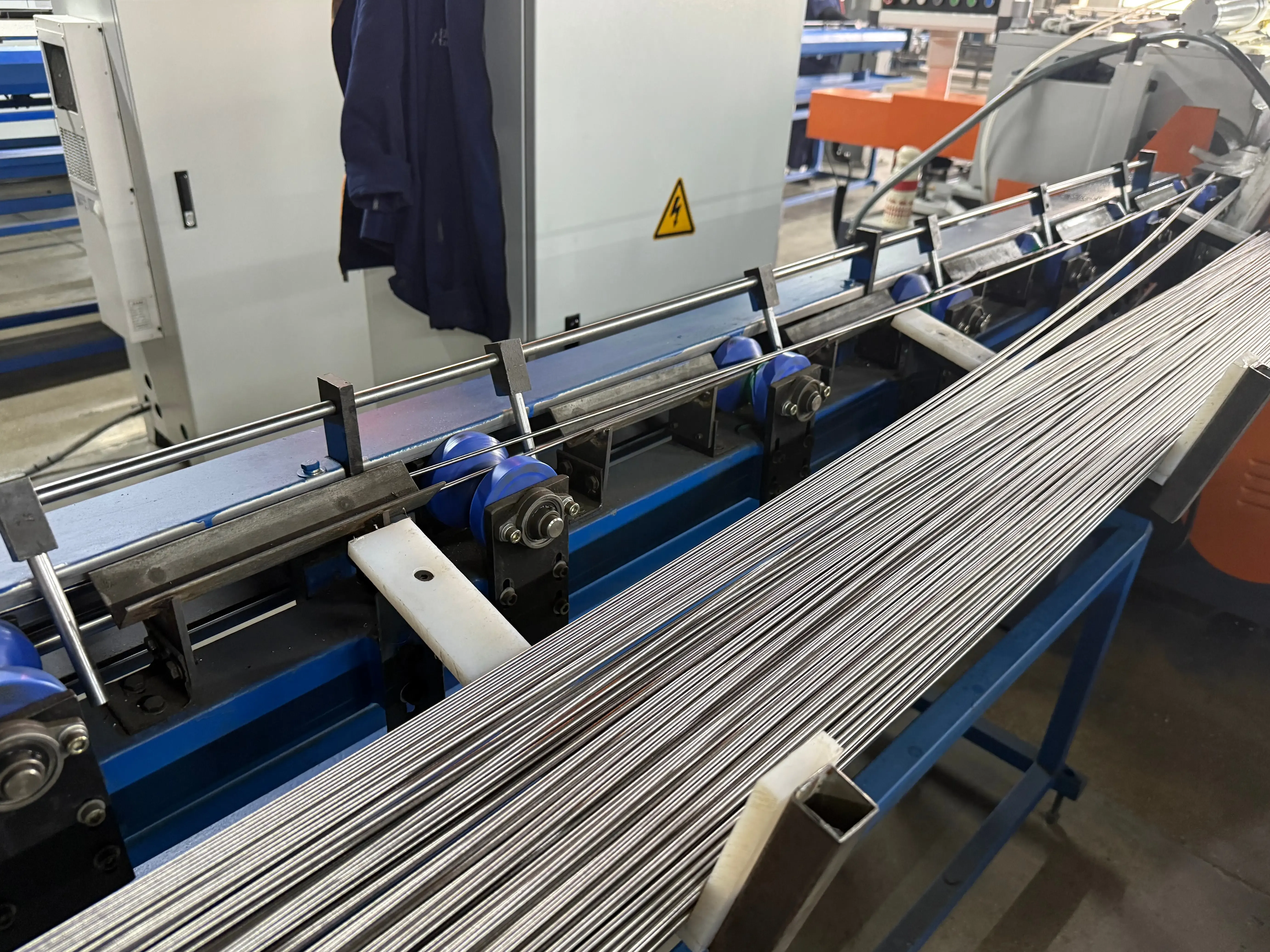
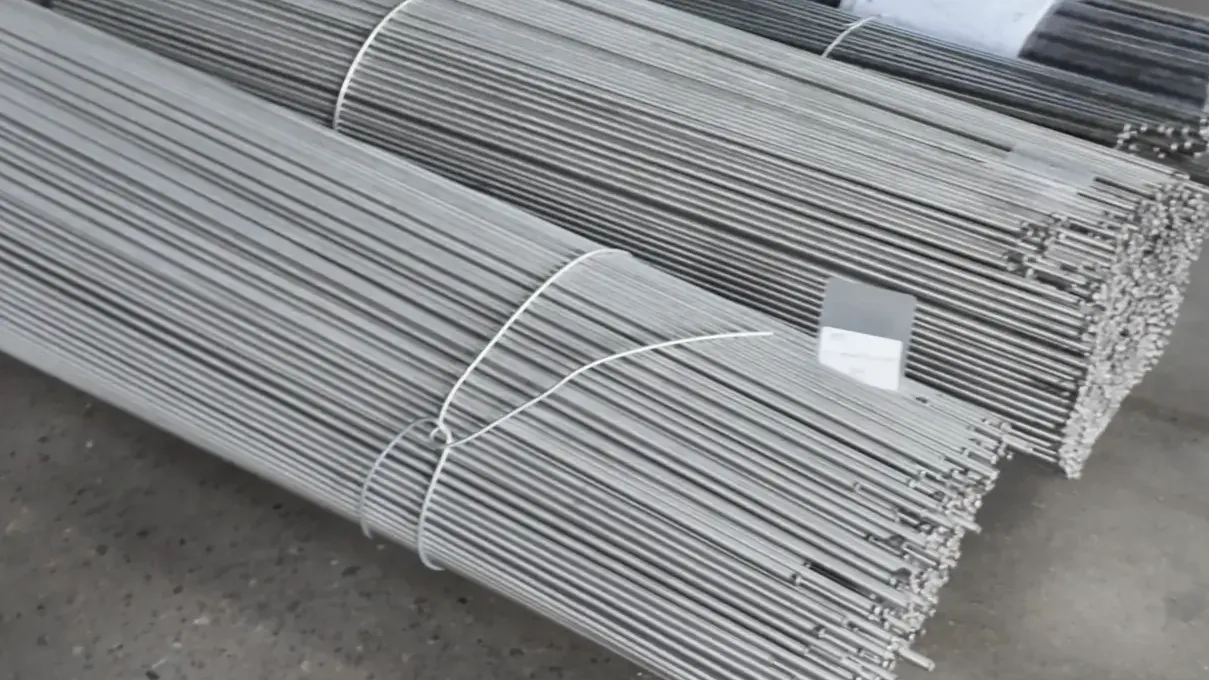
Wire: Φ1.0–Φ3.0 mm, polished or precision-polished, standard length 1 m/piece, tolerances available as h6–h9, supplied in the solution-treated condition.
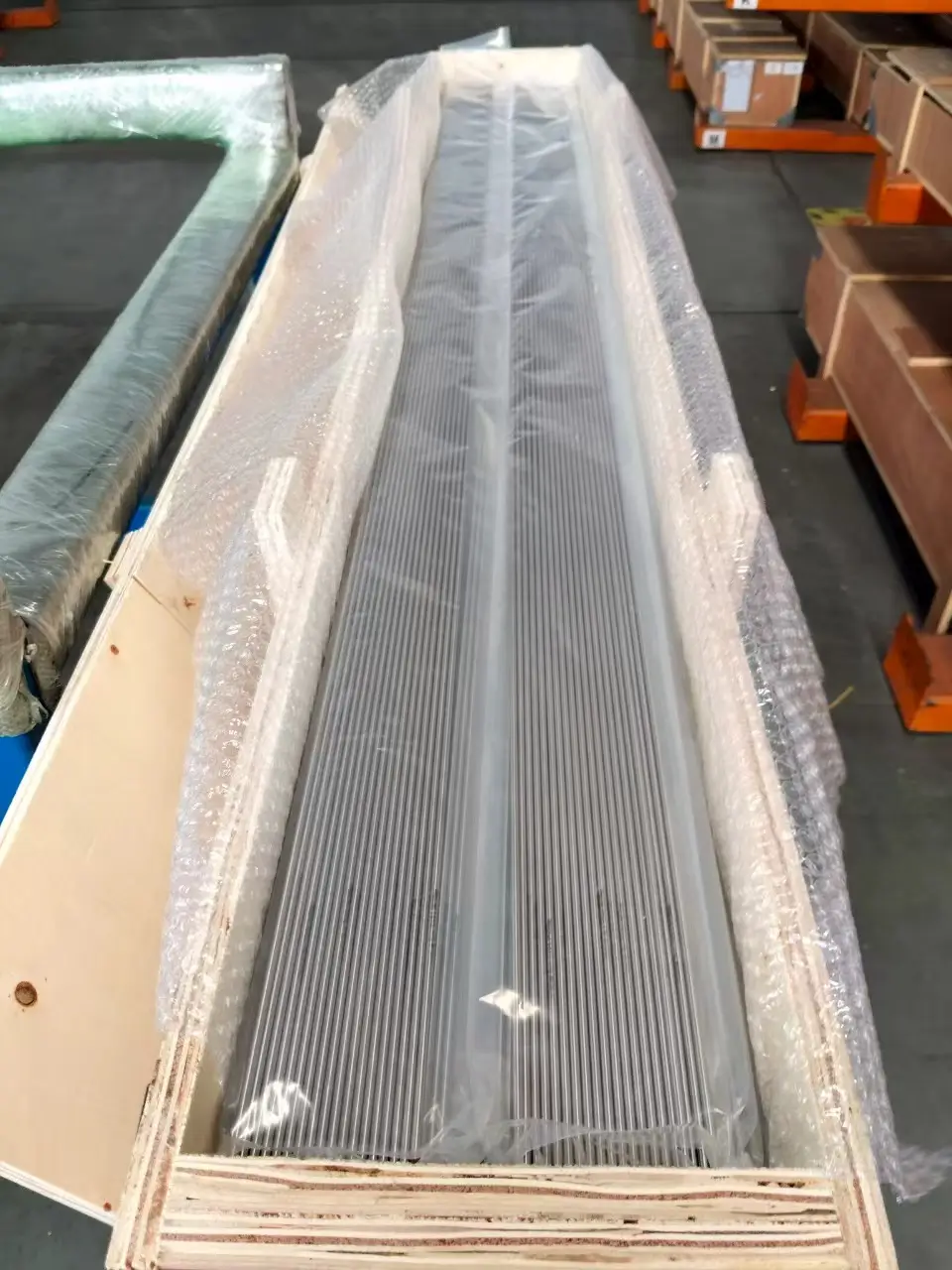
Tubes: Outer diameter 1.0–10.0 mm, inner diameter 0.08–2.0 mm, polished or precision polished, standard length 3 m per piece, tolerances to be confirmed as h6–h9, supplied in the solution-treated condition.
Prior to production of MP35N items, it is recommended to confirm the material form, delivery condition, dimensions, tolerances, surface finish and applicable standards. If the customer requires medium-hard, hard or age-hardened conditions, the cold working ratio, ageing regimen, strength requirements and hardness range must be confirmed in advance.
For projects involving medical implants, aerospace, oil and gas downhole applications, and marine environments, it is also necessary to confirm chemical composition, mechanical properties, fatigue requirements, corrosion environments, inspection items, quality documentation and traceability requirements.
Sunxin is certified to the ISO 13485 and ISO 9001 quality management systems and can support batch management, traceability control, inspection coordination and quality documentation management.