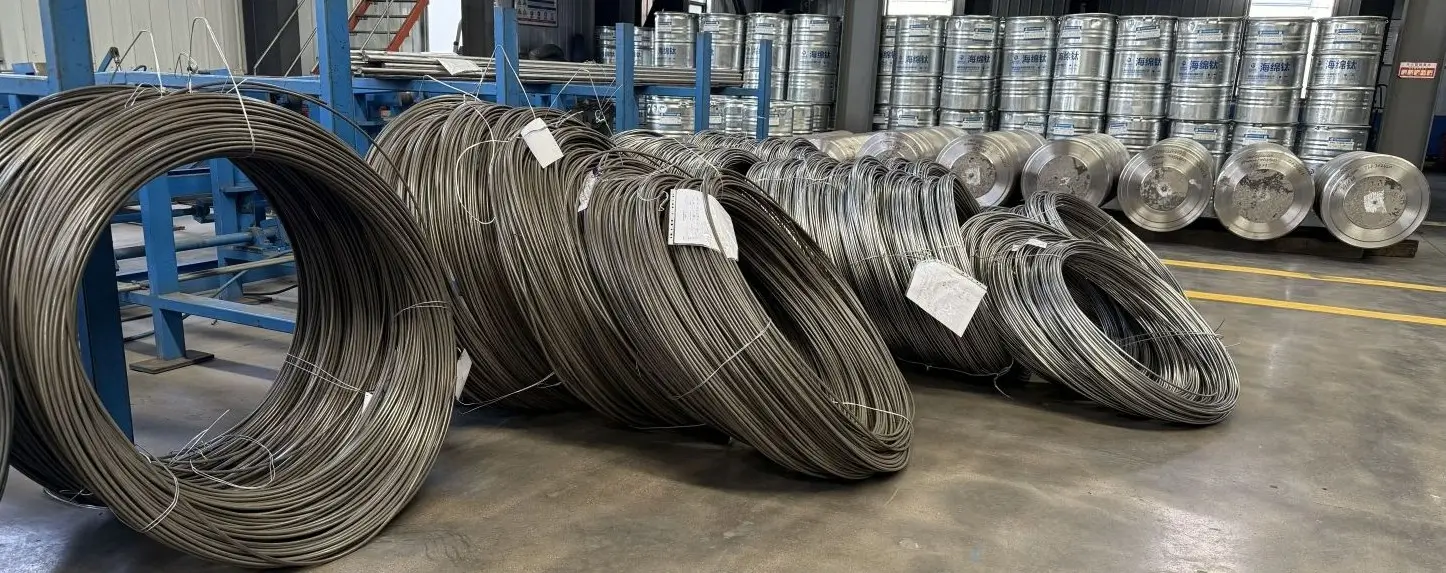


AISI 316LVM (UNS S31673) is a vacuum-melted, ultra-low-carbon austenitic stainless steel specifically designed for medical implants and high-purity applications. Through vacuum induction melting (VIM) and/or vacuum arc remelting (VAR), the inclusion and impurity content is significantly reduced, improving material cleanliness, corrosion resistance, and biocompatibility.
It offers excellent corrosion resistance, good mechanical properties, and outstanding surface polishing performance, and is widely used in surgical implants and high-end medical device applications.
It offers excellent corrosion resistance, good mechanical properties, and outstanding surface polishing performance, and is widely used in surgical implants and high-end medical device applications.
-
Standard Specification for Wrought 18Cr-14Ni-2.5Mo Stainless Steel Bar and Wire for Surgical Implants (UNS S31673)
-
Standard Specification for Wrought 18Cr-14Ni-2.5Mo Stainless Steel Sheet and Strip for Surgical Implants (UNS S31673)
-
Implants for surgery — Metallic materials — Part 1: Wrought stainless steel
Get a Free Sample
| Element | C | Mn | P | S | N | Si | Cu | Cr | Ni | Mo | CO | Fe |
| Content (%) | ≤0.03 | ≤2.00 | ≤0.025 | ≤0.01 | ≤0.10 | ≤1.00 | ≤0.5 | 17.00-19.00 | 13.00-15.00 | 2.25-3.00 | ≤0.10 | Balance |
| Product form | Condition | Tensile Strength (MPa) | Yield Strength (MPa) | Elongation(4D) | Reduction of Area(%) |
| Bars | Annealed | All | 490≤Rm≤690 | 190 | 40 |
| Cold-worked | ≤22 | 860≤Rm≤1100 | 690 | 12 | |
| Extra-hard | ≤8 | ≥1400 | / | / | |
| Plates | Annealed | 490≤Rm≤690 | / | 190 | 40 |
| Cold worked | 860≤Rm≤1100 | / | 690 | 10 | |
| Wires | Annealed | 0,025≤d≤0,13 | ≤1000 | / | 30 |
| 0,13<d≤0,23 | ≤930 | / | 30 | ||
| 0,23<d≤0,38 | ≤890 | / | 35 | ||
| 0,38<d≤0,5 | ≤860 | / | 40 | ||
| 0,5<d≤0,65 | ≤820 | / | 40 | ||
| d>0,65 | ≤800 | / | 40 | ||
| Cold drawna | 0,2≤d≤0,7 | 1600≤Rm≤1850 | / | / | |
| 0,7<d≤1 | 1500≤Rm≤1750 | / | / | ||
| 1<d≤1,5 | 1400≤Rm≤1650 | / | / | ||
| 1,5<d≤2 | 1350≤Rm≤1600 | / | / |
| Available Form | Size Range | Surface Finish | Length (Customizable) | Tolerance (Customizable) | Delivery Condition |
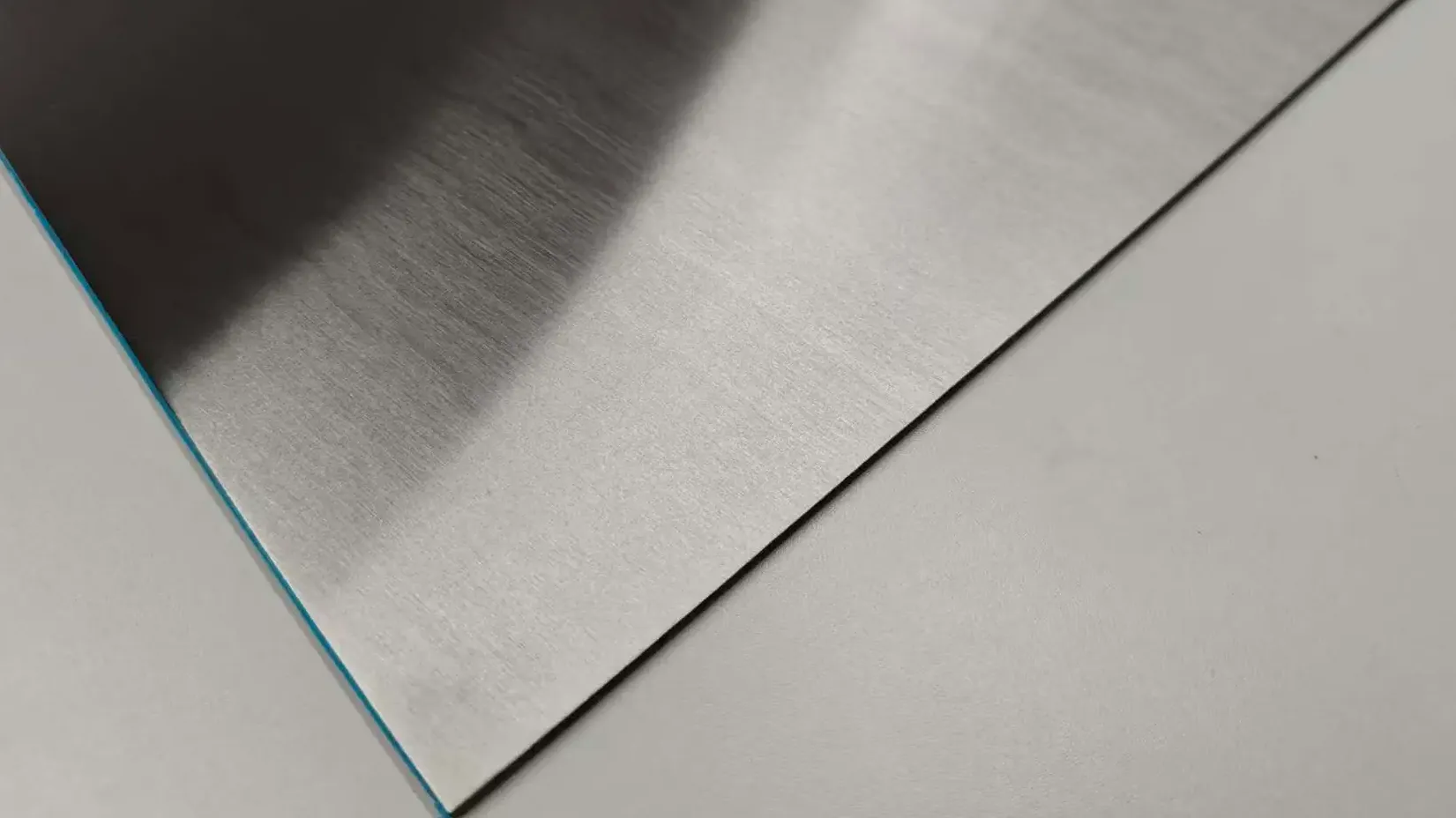
| Plate | T0.5-T200.0mm | Milled | L:200/250/300W:200/300/500/1000 | -0.0/+1.0mm | Annealed / Cold-worked/ Hardened |
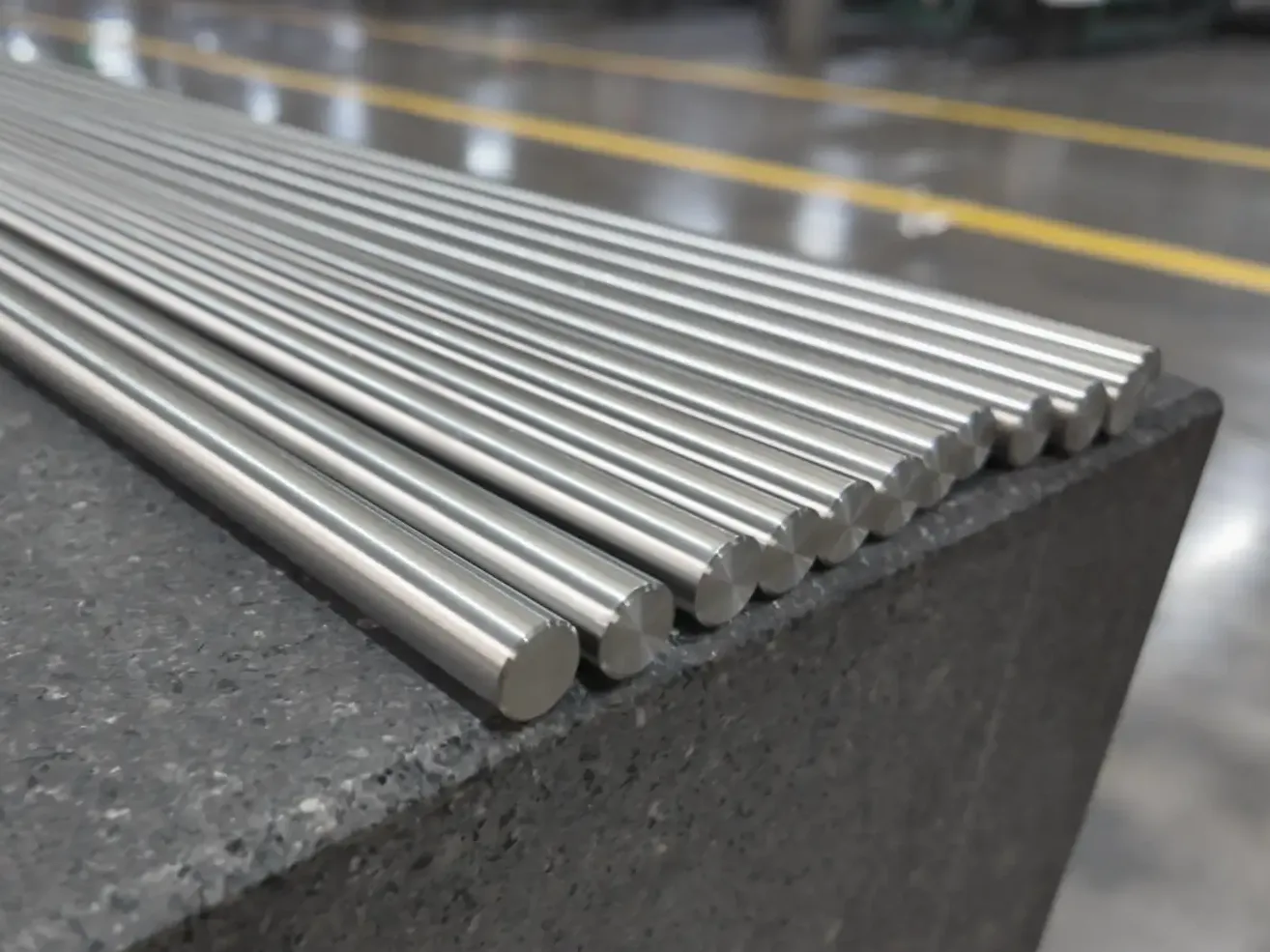
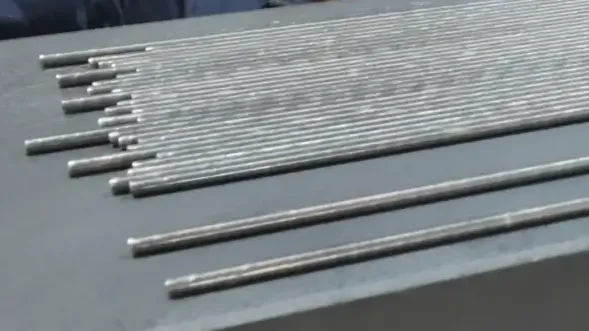
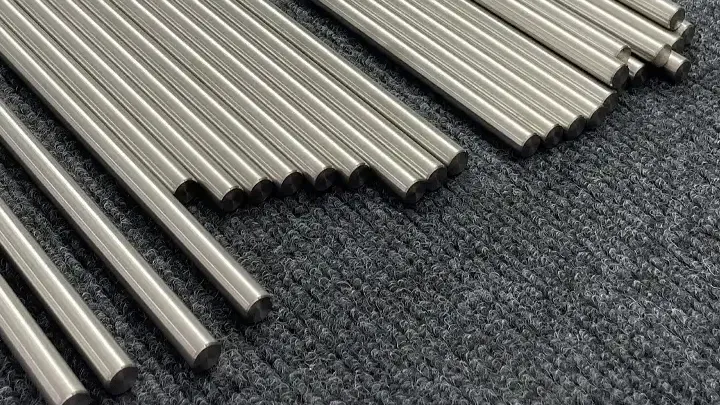
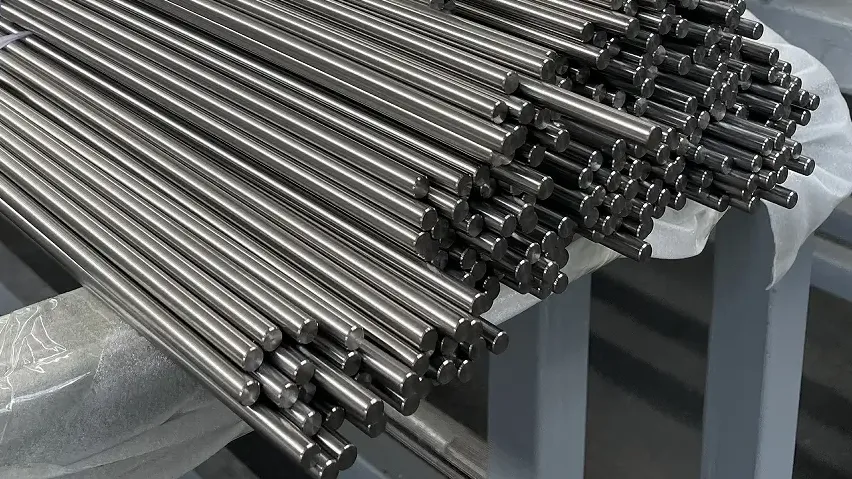
| Bar | φ1.0-φ200.0mm | Ground / Precision Ground | 3M/PCS | h6-h9 | Annealed / Cold-worked/ Hardened |
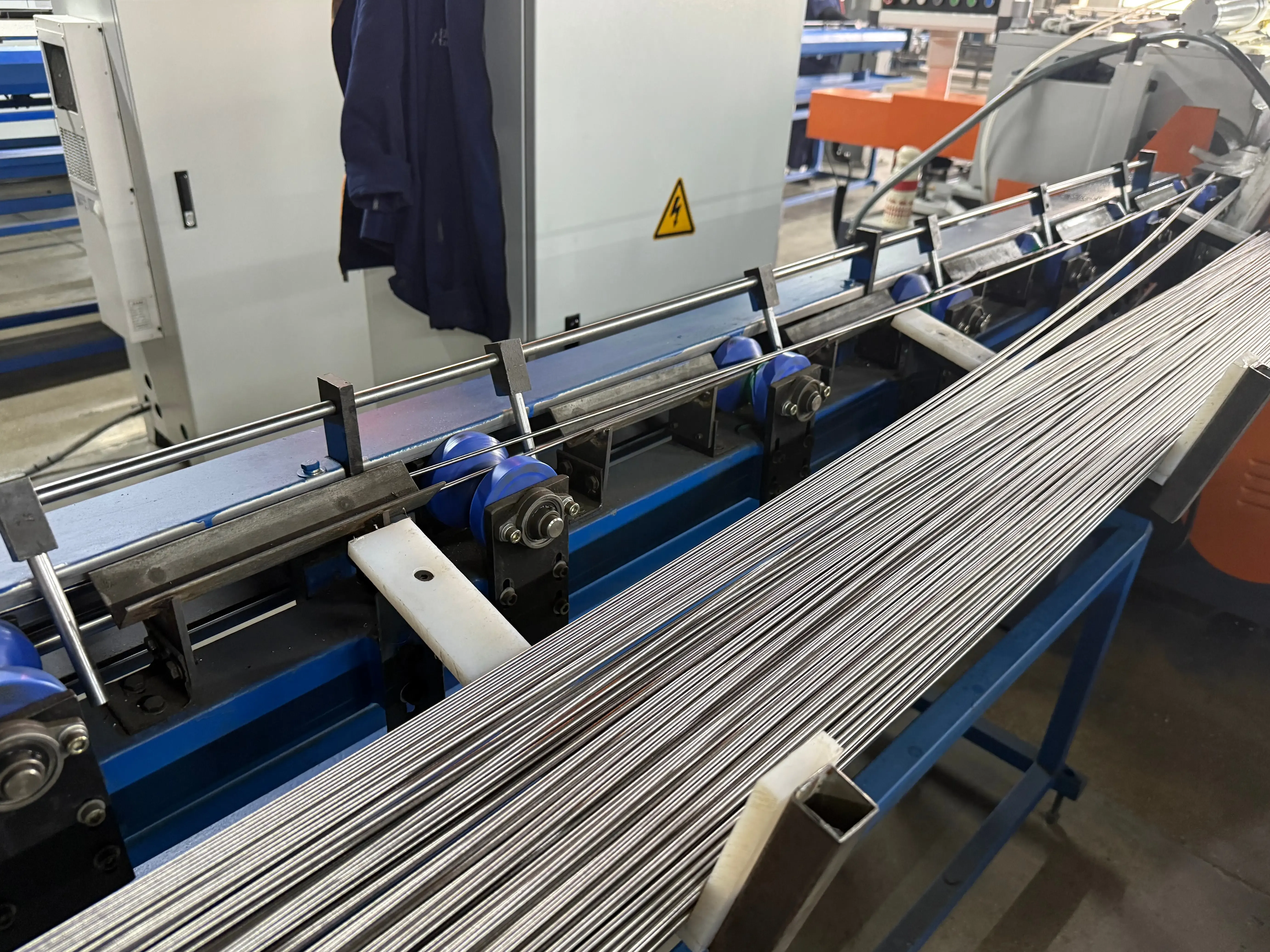
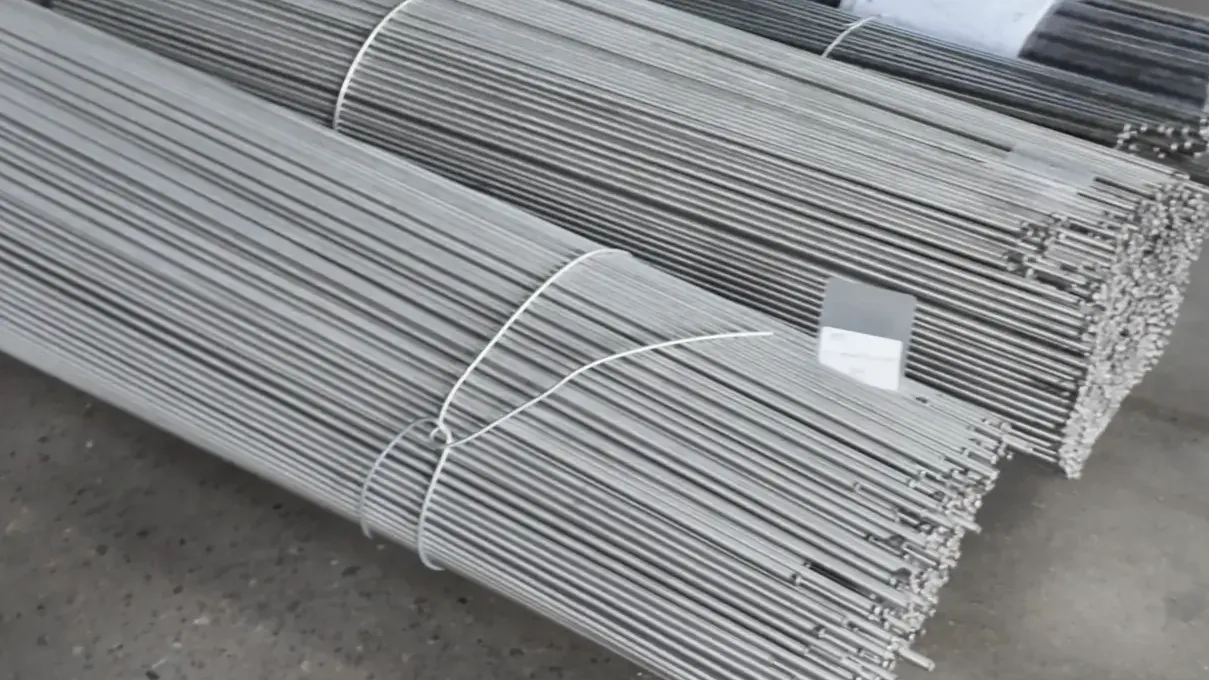
| Wire | φ1.0-φ3.0mm | Ground / Precision Ground | 1M/PCS | h6-h9 | Annealed / Cold-worked/ Hardened |
Datasheet
Additional Info
FAQs


Related Blog
-
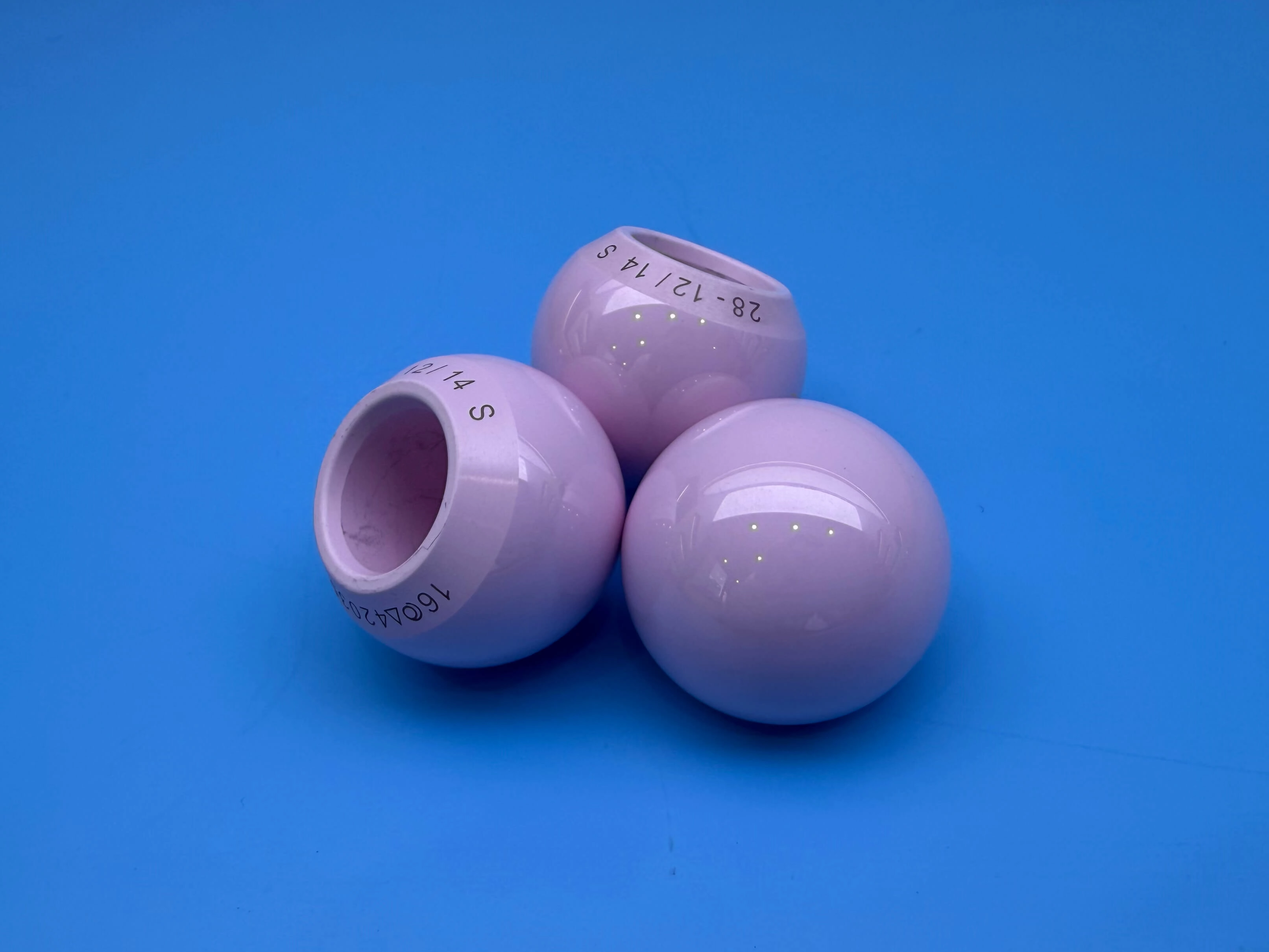
Hip Replacement Materials Best to Worst: 2026 Ranking Guide
-
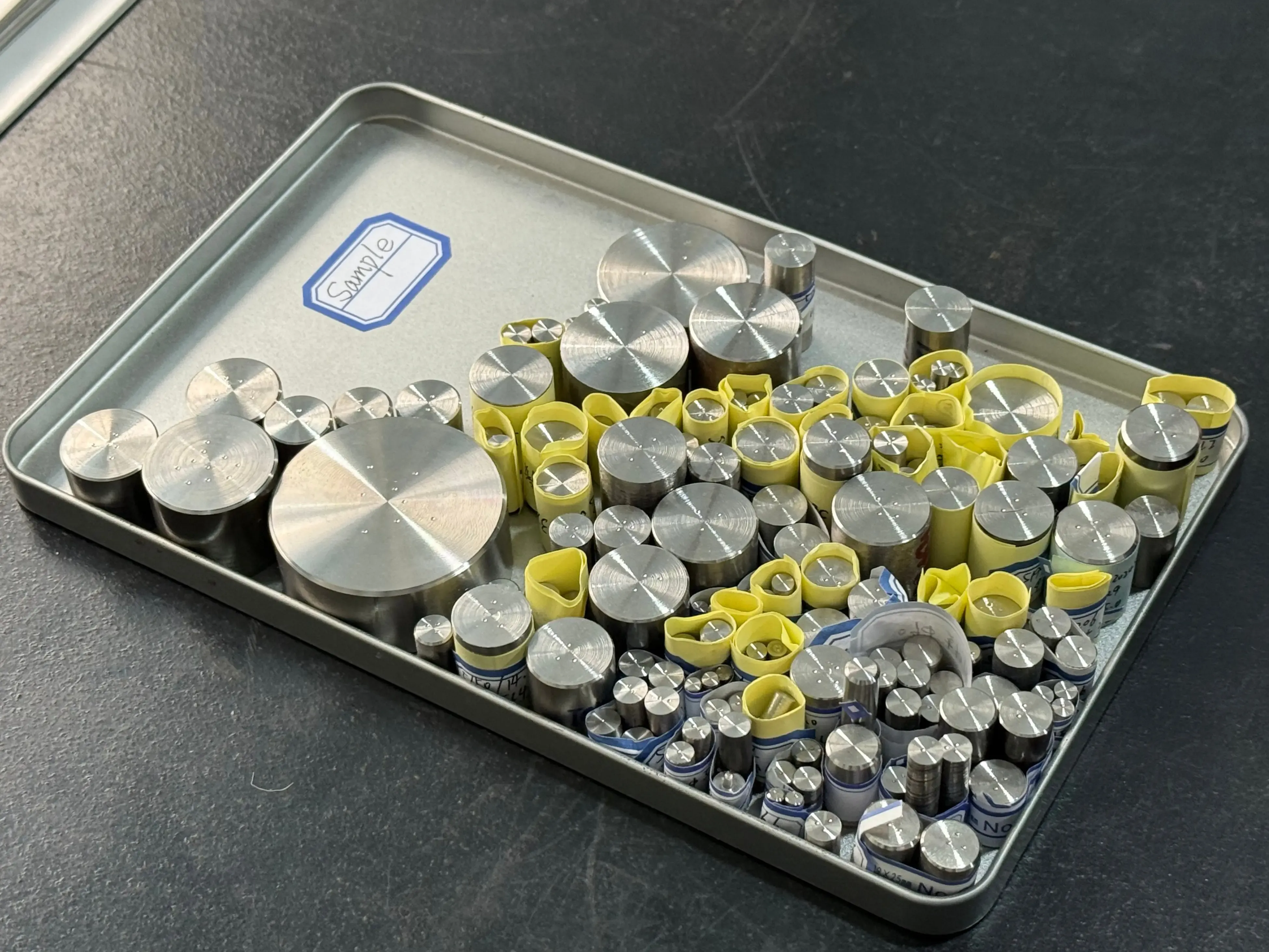
Is Titanium Magnetic? Properties, MRI & Grades Explained
-
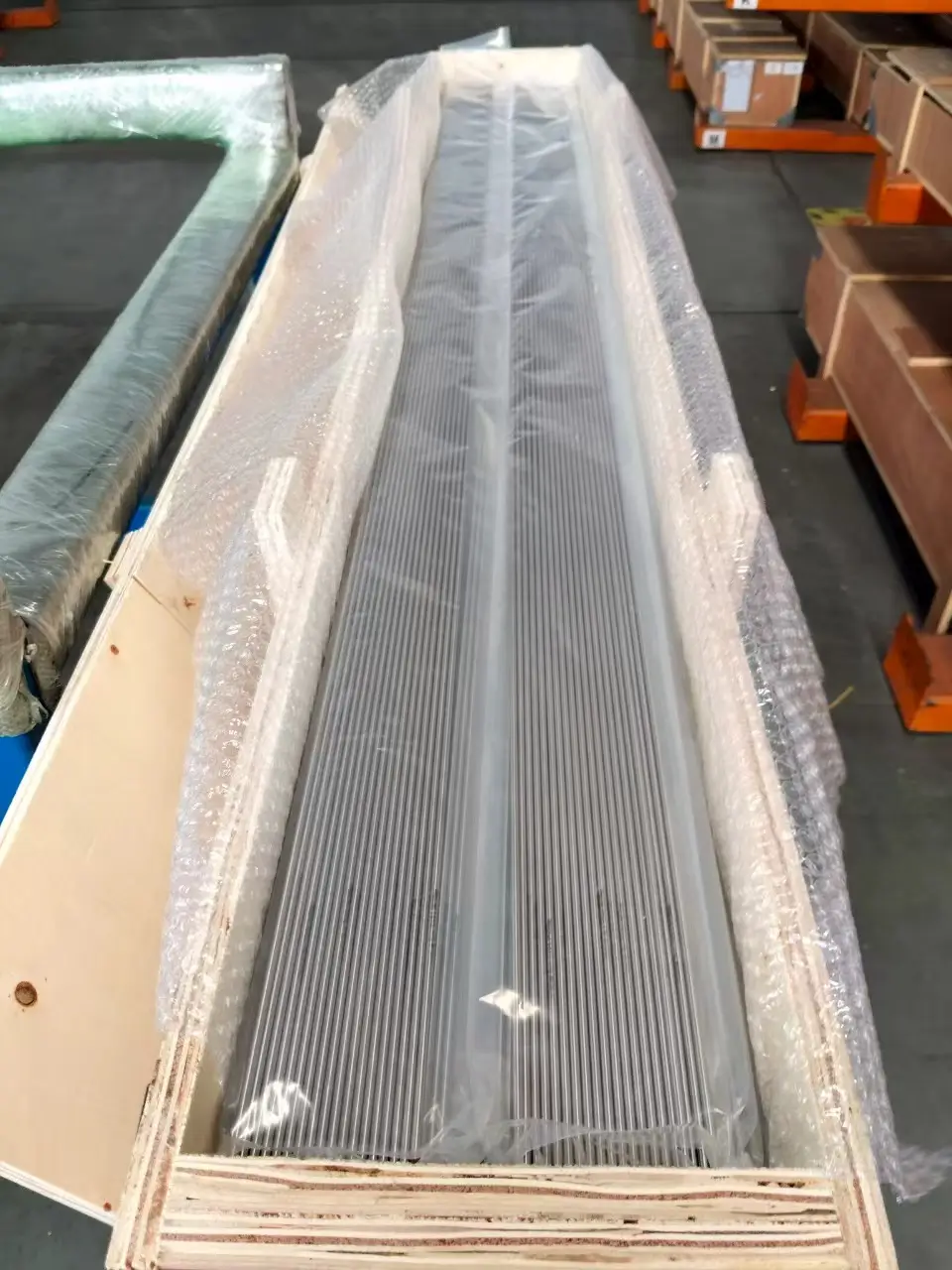
Does Titanium Rust? Titanium Corrosion Resistance Explained (and Its Limits)
-
304 Vs 316 Stainless Steel: Key Differences, Applications & Buying Guide
-
Top 12 Medical Titanium Suppliers in The World | 2026 Buyer's Guide
-
Top 10 Titanium Bar Manufacturers in China |2026
-
Top 10 Global Suppliers of Medical Metal Materials | 2026 Buyer's Guide
-
Understanding Different Grades of Titanium: Properties, Uses & Expert Selection Guide|2026
-
What Is Passivation in Medical Stainless Steel? A Practical Guide for Device Manufacturers
-
Metal Allergy And Implant Materials: A B2B Selection Guide