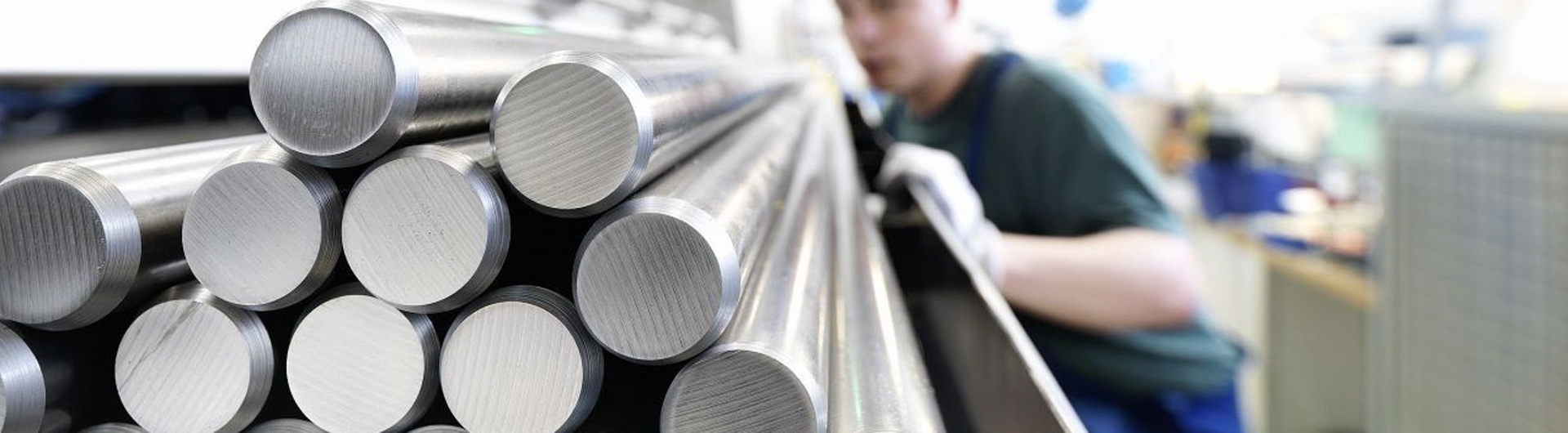

Titanium has earned its reputation as one of the most versatile engineering materials in modern industry. From aerospace structures to medical implants and precision machining components, its unique balance of strength, corrosion resistance, and biocompatibility makes it indispensable.
However, not all titanium is created equal.
If you are a manufacturer, sourcing engineer, or product designer, understanding the differences between titanium grades is critical. Selecting the wrong grade can lead to unnecessary costs, performance issues, or even product failure. On the other hand, choosing the right one can optimize durability, machinability, and long-term reliability.
This guide goes far beyond surface-level explanations. We will break down titanium grades from a metallurgical, mechanical, and application-based perspective, compare them in real-world scenarios, and help you make informed sourcing decisions.
What Are Titanium Grades?
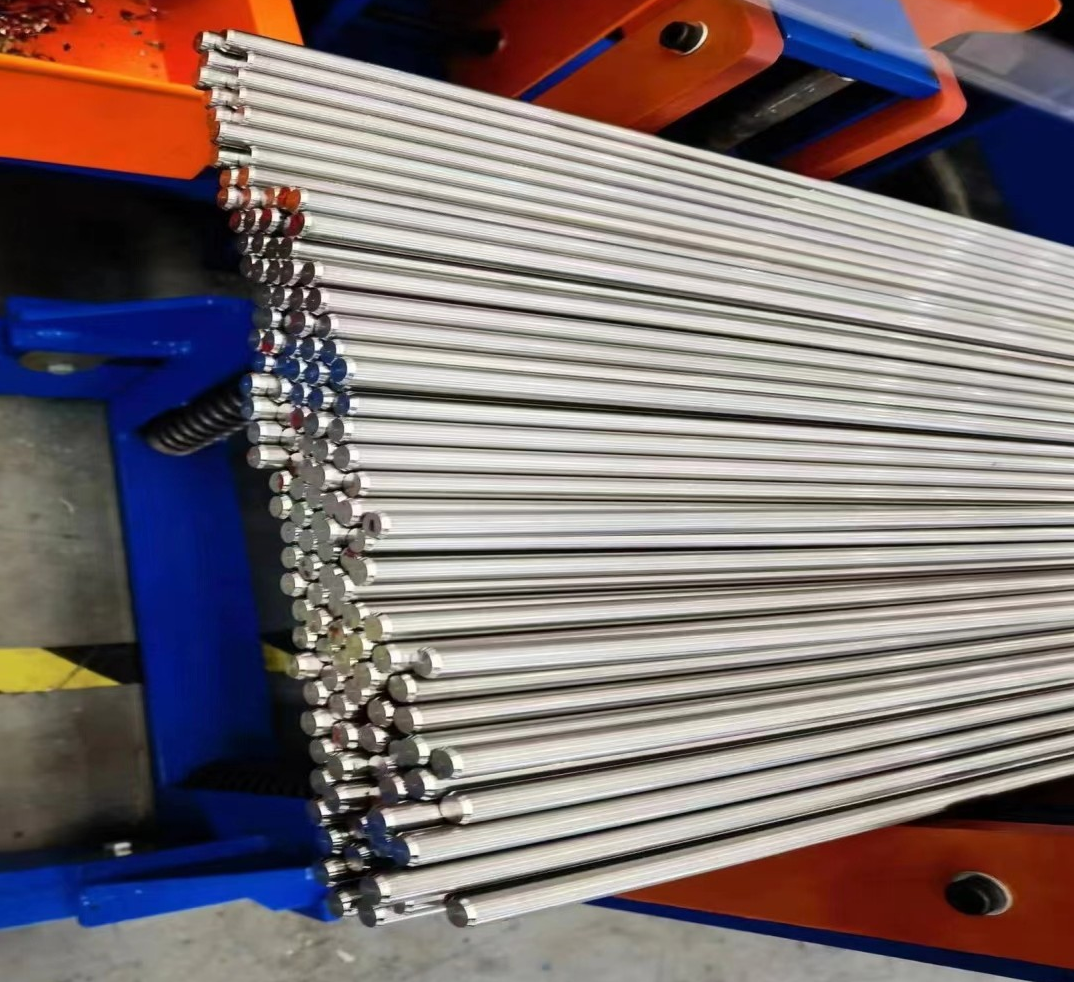
Titanium grades refer to different classifications of titanium alloys and commercially pure titanium, defined by their chemical composition, mechanical properties, and performance characteristics.
Broadly, titanium is divided into four categories:
1. Commercially Pure Titanium (CP Titanium)
Grades 1–4 fall into this category. They contain minimal alloying elements and are primarily valued for:
Excellent corrosion resistance
High ductility
Superior biocompatibility
2. Alpha Alloys
These alloys are stabilized by aluminum and offer:
Good weldability
High temperature resistance
Moderate strength
3. Alpha-Beta Alloys
The most widely used category, combining:
High strength
Good fatigue resistance
Heat treatability
4. Beta Alloys
Less common but highly specialized:
Excellent formability
Very high strength
Complex heat treatment requirements
Overview of Common Titanium Grades
Let’s examine the most important titanium grades used across industries.
Grade 1 – The Softest and Most Ductile
Grade 1 titanium is the purest form, offering:
Maximum corrosion resistance
Excellent formability
Lowest strength among all grades
Typical applications:
Chemical processing equipment
Marine components
Heat exchangers
Insight:
Grade 1 is often overlooked because of its low strength, but in highly corrosive environments, it can outperform stronger alloys due to its stability.
Grade 2 – The Industry Workhorse
Grade 2 is the most widely used titanium grade.
Key properties:
Moderate strength
Excellent corrosion resistance
Good weldability
Applications:
Industrial piping
Pressure vessels
Medical devices
Why it matters:
Grade 2 strikes a balance between performance and cost, making it a preferred choice for mass production and general engineering applications.
Grade 3 – The Middle Ground
Grade 3 offers higher strength than Grade 2 but is less commonly used.
Characteristics:
Higher strength
Reduced ductility
Still good corrosion resistance
Use cases:
Aerospace components
Chemical processing equipment
Grade 4 – The Strongest CP Titanium
Grade 4 is the strongest commercially pure titanium.
Advantages:
High strength
Excellent corrosion resistance
Biocompatibility
Applications:
Dental implants
Surgical instruments
Aerospace fasteners
Important note:
Grade 4 is widely used in medical and dental industries due to its combination of strength and purity.
Grade 5 (Ti-6Al-4V) – The Most Popular Alloy
Grade 5 is by far the most widely used titanium alloy globally.
Composition:
6% Aluminum
4% Vanadium
Key benefits:
Exceptional strength-to-weight ratio
Excellent fatigue resistance
Heat treatable
Applications:
Aerospace structures
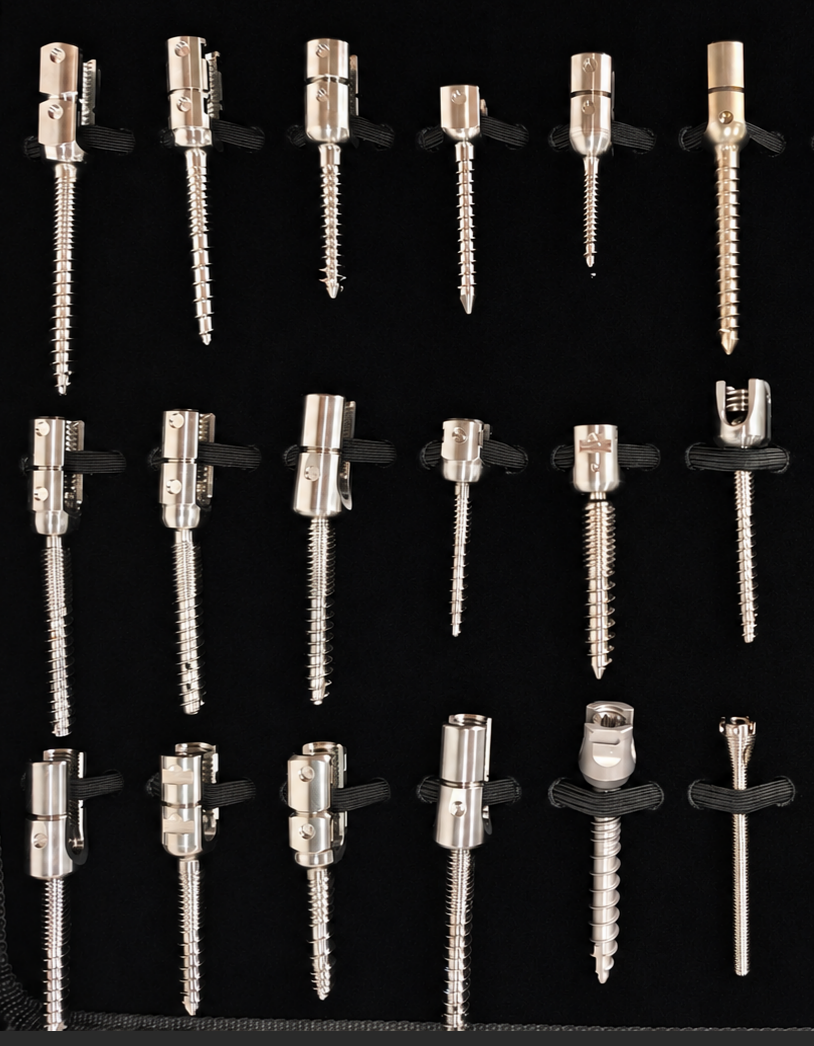
Medical implants
Automotive components
Why it dominates:
Grade 5 accounts for over 50% of global titanium usage, thanks to its unmatched versatility.
Grade 23 (Ti-6Al-4V ELI) – Medical-Grade Titanium
Grade 23 is a refined version of Grade 5 with lower interstitial elements.
Advantages:
Improved fracture toughness
Better biocompatibility
Higher fatigue resistance
Applications:
Orthopedic implants
Dental implants
Surgical devices
Mechanical Comparison of Titanium Grades
Understanding differences requires more than just descriptions. Let’s compare key performance factors:
Grade | Strength | Ductility | Corrosion Resistance | Machinability |
Grade 1 | Low | Very High | Excellent | Easy |
Grade 2 | Medium | High | Excellent | Moderate |
Grade 3 | Medium-High | Medium | Excellent | Moderate |
Grade 4 | High | Medium | Excellent | Difficult |
Grade 5 | Very High | Medium | Good | Difficult |
Grade 23 | Very High | Medium | Good | Difficult |
Key takeaway:
For corrosion resistance → choose CP grades
For strength → choose Grade 5 or 23
For forming → choose Grade 1 or 2
How to Choose the Right Titanium Grade
Selecting a titanium grade is not just about strength—it involves multiple engineering considerations.
1. Application Environment
Marine or chemical exposure → Grade 1 or 2
High stress and fatigue → Grade 5
Human body (implants) → Grade 23
2. Machining Requirements
Titanium is notoriously difficult to machine due to:
Low thermal conductivity
High chemical reactivity
Work hardening
Grades 1 and 2 are easier to machine, while Grade 5 requires advanced tooling and expertise.
3. Cost vs Performance
CP titanium is generally more affordable
Alloyed titanium offers better performance but at higher cost
Smart sourcing strategy:
Use higher-grade alloys only where necessary—this can significantly reduce production costs.
Titanium in High-Precision Manufacturing
For manufacturers, the biggest challenge is not just selecting the right grade, but ensuring:
Consistent material quality
Tight tolerances
Surface integrity
This is where experienced suppliers make a difference.
A professional manufacturer like SUNXIN focuses on:
Precision machining of titanium components
Strict quality control across batches
Optimized material selection for specific applications

Instead of offering generic materials, advanced suppliers help clients match titanium grades to real-world engineering needs, improving both performance and cost-efficiency.
Common Mistakes When Selecting Titanium Grades
Even experienced engineers sometimes make critical mistakes:
1. Over-specifying Material
Using Grade 5 when Grade 2 would suffice increases cost unnecessarily.
2. Ignoring Machinability
Choosing high-strength alloys without considering tooling can lead to:
Lower production efficiency
Increased tool wear
3. Overlooking Surface Treatment
Titanium performance often depends on:
Surface finishing
Coatings
Passivation
Emerging Trends in Titanium Usage
Titanium applications are expanding rapidly, especially in:
1. Medical Devices
Demand for biocompatible materials continues to grow, with Grade 23 leading the market.
2. Aerospace Lightweighting
Weight reduction is driving increased use of titanium alloys.
3. Advanced Manufacturing
Technologies like:
CNC precision machining
Additive manufacturing (3D printing)
are unlocking new possibilities for titanium components.
Why Material Quality Matters More Than Grade
A crucial but often overlooked point:
Two materials with the same grade can perform very differently.
Differences arise from:
Manufacturing processes
Heat treatment
Microstructure control
This is why working with a reliable manufacturer is just as important as choosing the right grade.
Companies like SUN
XIN emphasize:
Stable supply chains
Certified production standards
High consistency across batches
This ensures that the theoretical advantages of titanium grades translate into real-world performance.
Frequently Asked Questions (FAQ)
1. What is the most commonly used titanium grade?
Grade 5 (Ti-6Al-4V) is the most widely used due to its excellent strength-to-weight ratio and versatility.
2. Which titanium grade is best for corrosion resistance?
Grades 1 and 2 offer the best corrosion resistance, especially in chemical and marine environments.
3. What is the difference between Grade 5 and Grade 23?
Grade 23 is a cleaner version of Grade 5 with improved biocompatibility and fracture toughness, making it ideal for medical use.
4. Is titanium difficult to machine?
Yes. Titanium requires specialized tools and expertise due to heat buildup and work hardening.
5. Which grade is best for medical implants?
Grade 23 is the preferred choice for implants because of its superior biocompatibility and fatigue resistance.
6. Can titanium grades be substituted?
In some cases, yes—but only after careful evaluation of:
Mechanical requirements
Environmental conditions
Regulatory standards
Final Thoughts: Making the Right Titanium Choice
Understanding titanium grades is not just a technical exercise—it is a strategic decision that affects product performance, cost, and reliability.
The key is not simply choosing the “strongest” material, but selecting the most appropriate grade for your specific application.
For manufacturers and buyers, partnering with an experienced supplier like SUNXIN can provide a significant advantage. From material selection to precision machining, the right partner ensures that titanium’s exceptional properties are fully realized in your final product.