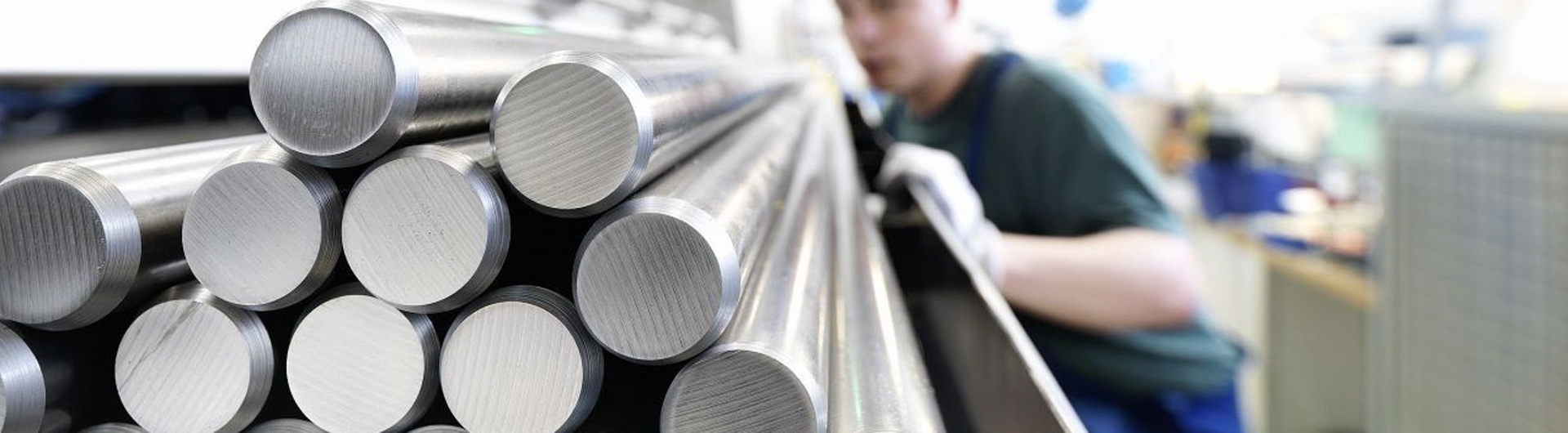

Introduction: Why Material Choice Is Not Just a Technical Decision
When people ask, “What is the best material for surgical instruments?” they often expect a single answer—usually “stainless steel.” In reality, that answer is incomplete.
Material selection in surgical instruments is not about choosing the “best” material universally. It is about choosing the right material for a specific clinical function, sterilization protocol, lifecycle expectation, and cost structure.
For manufacturers, distributors, and OEM buyers, this decision directly impacts:
Instrument longevity and warranty claims
Surgeon experience and tactile performance
Regulatory compliance (ISO, ASTM, FDA, CE)
Brand positioning (premium vs. cost-efficient)
Total cost of ownership (TCO)
This guide breaks down the most widely used materials—martensitic stainless steels, austenitic steels, titanium alloys, and specialty materials—from a real-world manufacturing and procurement perspective.

1. The Core Requirements of Surgical Instrument Materials
Before comparing materials, it’s critical to understand the performance criteria that truly matter in clinical use:
1.1 Corrosion Resistance
Surgical instruments must withstand repeated exposure to:
Autoclave sterilization (121–134°C steam)
Chemical disinfectants (peracetic acid, enzymatic cleaners)
Blood and saline environments
1.2 Mechanical Strength & Hardness
Cutting tools (scissors, scalpels) require:
High hardness (HRC 48–58 typical)
Edge retention
Wear resistance
Grasping tools require:
Toughness over brittleness
Resistance to deformation
1.3 Biocompatibility
Materials must not:
Release toxic ions
Trigger adverse tissue reactions
1.4 Manufacturability
From a factory perspective, the material must allow:
CNC machining or forging
Heat treatment consistency
Surface finishing (polishing, passivation, coating)
2. Stainless Steel: The Industry Workhorse

2.1 Martensitic Stainless Steel (The Primary Choice)
Grades such as 420A, 420B, 420C, and 440C dominate surgical instrument manufacturing.
Why It Works:
Can be heat-treated to high hardness
Excellent edge retention for cutting tools
Good balance between corrosion resistance and strength
Practical Insight:
420A → Better corrosion resistance, lower hardness
420C / 440C → Higher carbon → better cutting performance
Limitation:
Less corrosion-resistant than austenitic steels
Requires proper passivation and finishing
Best for:
Scissors, needle holders, scalpels, orthopedic tools
2.2 Austenitic Stainless Steel (304, 316L)
These grades are widely used in implants and non-cutting instruments.
Strengths:
Superior corrosion resistance
Excellent biocompatibility
Non-magnetic
Weakness:
Cannot be hardened by heat treatment
Poor edge retention
Best for:
Implants, trays, non-cutting tools
3. Titanium and Titanium Alloys: Lightweight Precision
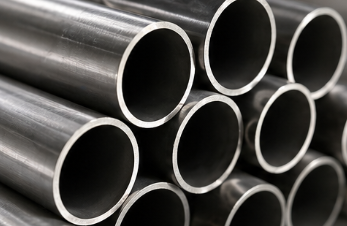
Titanium (especially Ti-6Al-4V) is increasingly used in high-end surgical tools.
Advantages:
Extremely lightweight (≈40% lighter than steel)
Outstanding corrosion resistance
Non-magnetic (ideal for MRI environments)
High biocompatibility
Trade-offs:
Lower hardness than martensitic steel
Higher material and machining cost
Best for:
Microsurgical instruments, implant-related tools, premium product lines
4. Advanced & Niche Materials
4.1 Tungsten Carbide Inserts
Used in needle holders and scissors.
Extremely high hardness
Superior grip and wear resistance
Often brazed into stainless steel bodies
4.2 Cobalt-Chromium Alloys
Exceptional wear resistance
Used in specialized surgical applications
4.3 Polymer & Composite Components
Used in handles for ergonomics
Electrical insulation in electrosurgery
5. Material Comparison: What Actually Matters in Procurement
Property | Martensitic SS (420/440) | Austenitic SS (316L) | Titanium Alloy |
|---|---|---|---|
Hardness | ⭐⭐⭐⭐ | ⭐ | ⭐⭐ |
Corrosion Resistance | ⭐⭐⭐ | ⭐⭐⭐⭐ | ⭐⭐⭐⭐⭐ |
Weight | Heavy | Heavy | Light |
Cost | Medium | Medium | High |
Machinability | Good | Good | Challenging |
Typical Use | Cutting tools | Implants | Premium instruments |
6. The Real Answer: “Best Material” Depends on Application
There is no universal best material—only optimal combinations:
Cutting performance priority → 440C / 420C
Corrosion resistance priority → 316L or titanium
Weight-sensitive applications → Titanium
Cost-performance balance → 420 series
For B2B buyers, the key is not material alone, but process control:
Heat treatment consistency
Surface finishing (Ra values, passivation)
Dimensional tolerance
7. Manufacturing Reality: Why Material Quality Is Only Half the Story
Many buyers assume that specifying “440C” guarantees quality. In practice:
Poor heat treatment = brittle instruments
Inconsistent polishing = corrosion risk
Substandard raw material = inclusion defects
This is where experienced material suppliers make a measurable difference.
Manufacturers like SUNXIN focus not only on supplying titanium and stainless steel, but on:
Controlled chemical composition
Stable grain structure
Consistent mechanical performance across batches
For OEM factories and distributors, this reduces:
Rejection rates
Customer complaints
Long-term liability risks
8. Emerging Trends in Surgical Instrument Materials
8.1 Surface Engineering
PVD coatings (TiN, DLC) for wear resistance
Anti-glare finishes for surgical visibility
8.2 Hybrid Material Design
Steel body + tungsten carbide inserts
Titanium + ceramic coatings
8.3 Sustainability Pressure
Longer lifecycle instruments
Reusable vs. disposable material strategies
9.FAQ: What Buyers and Manufacturers Really Ask
Q1: Is 316L better than 440C for surgical instruments?
No—316L is better for corrosion resistance and implants, but 440C is superior for cutting performance.
Q2: Why do high-end instruments use titanium?
Because of weight reduction, corrosion resistance, and non-magnetic properties—especially in microsurgery.
Q3: What is the most cost-effective material?
420 series stainless steel offers the best balance between performance and cost.
Q4: Does higher hardness always mean better instruments?
Not necessarily. Excessive hardness can lead to brittleness and failure under stress.
Q5: How important is raw material sourcing?
Critical. Even with the same grade, differences in purity and processing can significantly affect performance.
10. Conclusion: A Strategic Approach to Material Selection
Choosing the best material for surgical instruments is not about chasing the highest specification—it’s about aligning material properties with clinical function and manufacturing capability.
For B2B buyers, the winning strategy is:
Match material to application
Prioritize process consistency over grade alone
Work with suppliers who understand medical-grade requirements
In today’s competitive market, the difference between average and exceptional instruments is no longer just the material—it’s the integration of material science, processing expertise, and quality control.