Additional Info
A Brief History Of CCM CoCr28Mo Alloy 1
CCM, also known as CoCr28Mo Alloy 1, ASTM F1537 Alloy 1, UNS R31537, 2.4979, is a low-carbon cobalt-chromium-molybdenum alloy that belongs to the Co-Cr-Mo material system commonly used in medical implants and high-strength, wear-resistant components.
Compared with the high-carbon Alloy 2, it achieves improved machinability, ductility and long-term service stability by reducing the carbon content and minimising carbide formation, whilst retaining the fundamental strength and corrosion resistance of the Co-Cr-Mo system.
Consequently, it is better suited to medical and precision engineering components that require strength, corrosion resistance and biocompatibility, but where extreme friction and wear are not the primary concerns.
How Was The CCM CoCr28Mo Alloy 1 Developed
The development of CoCrMo medical alloys dates back to around the 1930s.
With the advancement of artificial joints, orthopaedic implants, dental restorations and high-strength medical components, the performance requirements for materials have become increasingly clear. Medical components require not only strength, but also corrosion resistance, fatigue resistance, dimensional stability and biocompatibility. For certain implant and restorative components, the material must not merely prioritise ‘hardness’; it must also balance machinability with long-term service stability.
Low-carbon CoCr28Mo Alloy 1 was developed precisely to meet this need: by controlling the carbon content to ≤0.14%, it minimises the impact of excessive carbides on machinability and ductility; whilst the chromium content of approximately 26–30 per cent forms a stable passivation film, and the molybdenum content of approximately 5–7 per cent enhances strength and corrosion resistance, enabling the alloy to achieve high tensile strength (≥1172 MPa) and yield strength (≥827 MPa) even in a warm-worked state, making it suitable for applications with high load-bearing, fatigue resistance and long-term service requirements.
Early Applications Of CCM CoCr28Mo Alloy 1
Early cobalt-chromium-molybdenum alloys were primarily used in dental restorations and components for surgical implants. Owing to their superior corrosion resistance compared to most traditional metals, they are better suited to long-term contact with the human body.
They were initially applied in dental restoration frameworks, crown and bridge supports, and orthopaedic implant components—parts that require strength, corrosion resistance and biocompatibility, but are not necessarily subjected to the most severe wear conditions, thus aligning perfectly with the objectives of low-carbon alloys.
Current Applications Of CCM CoCr28Mo Alloy 1
CCM CoCr28Mo Alloy 1 is currently primarily used in the medical, aerospace, industrial and mechanical engineering sectors. It is particularly well-suited to components that require a combination of strength, corrosion resistance, biocompatibility and machinability.
Common applications include:
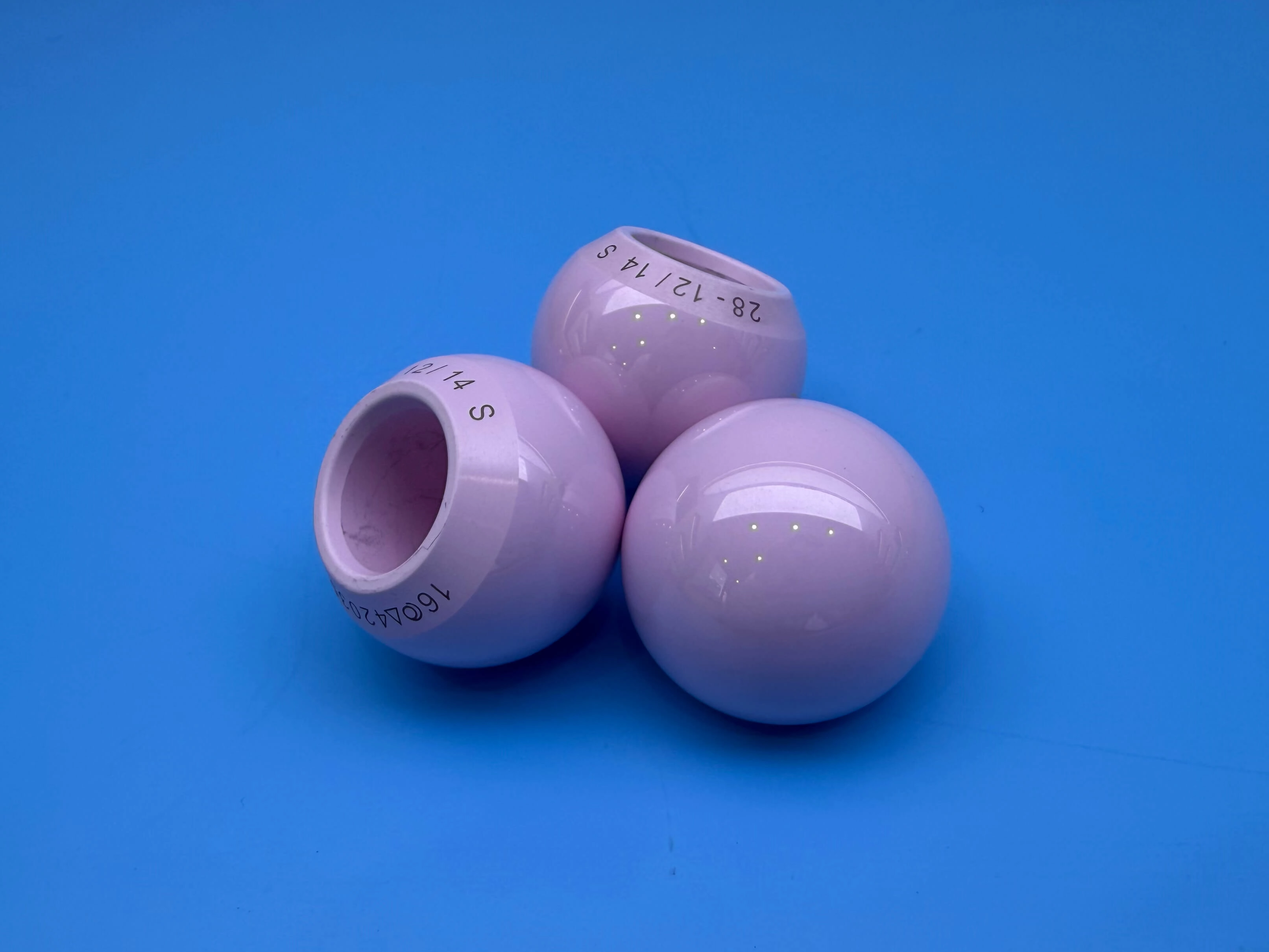
Medical: dental restoration frameworks, crown and bridge frameworks, orthopaedic implant components, and non-high-wear areas of artificial joints.
Aerospace: corrosion-resistant small parts, precision valve components, wear-resistant support components, and specialised fasteners.
Industrial: valve seats, wear-resistant bushings, pump components, sealing rings, and chemically corrosion-resistant parts.
Mechanical engineering: wear-resistant joint bushings, gripper contact surfaces, friction pair components, and precision wear-resistant sleeves.
Sunxin’s CCM CoCr28Mo Alloy 1 Supply Support
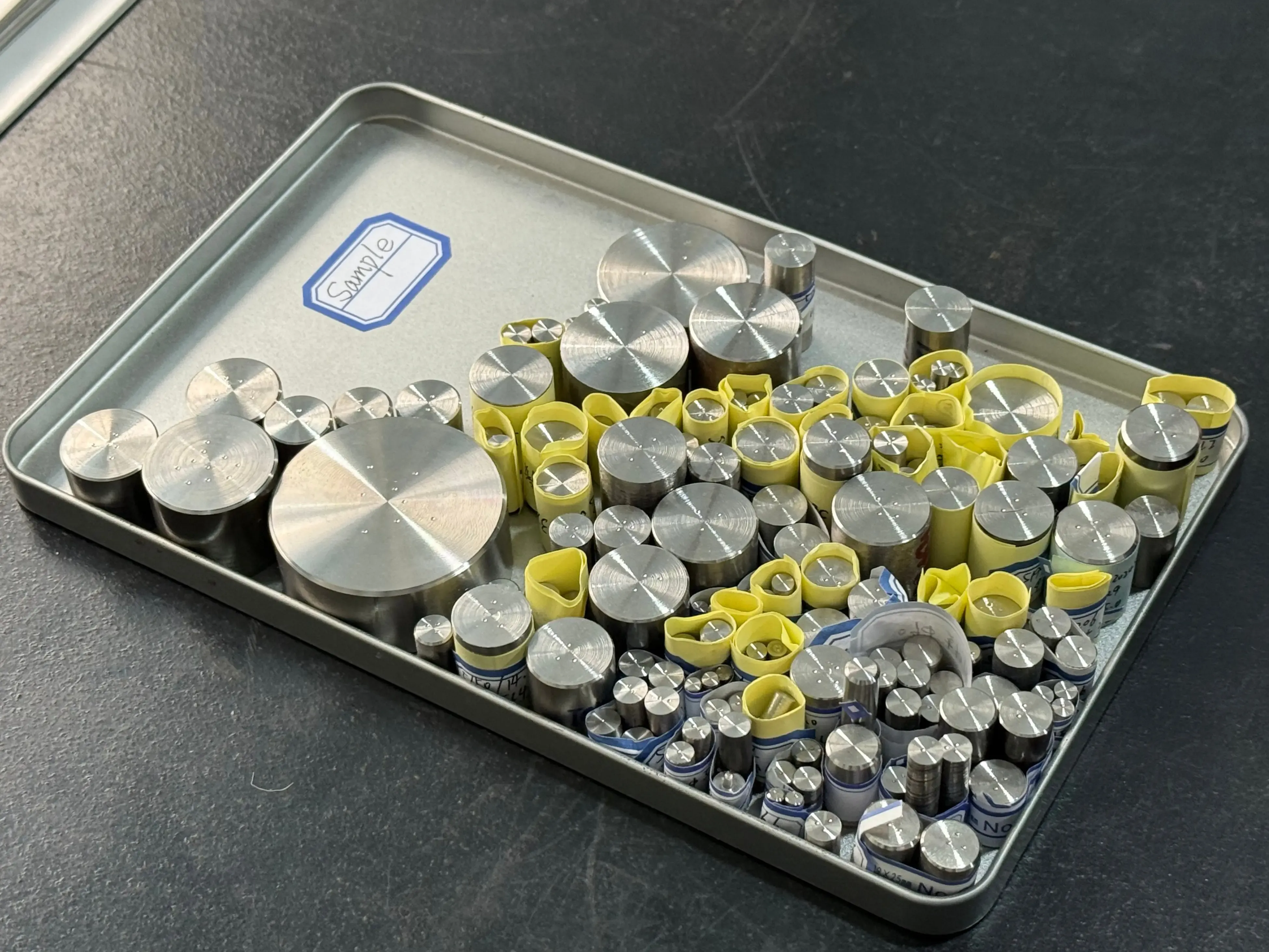
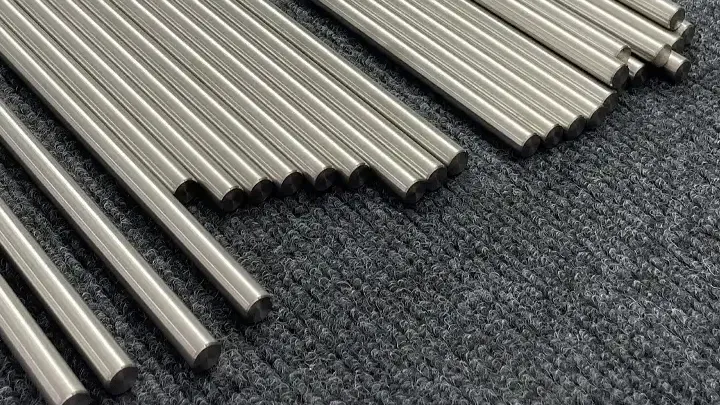
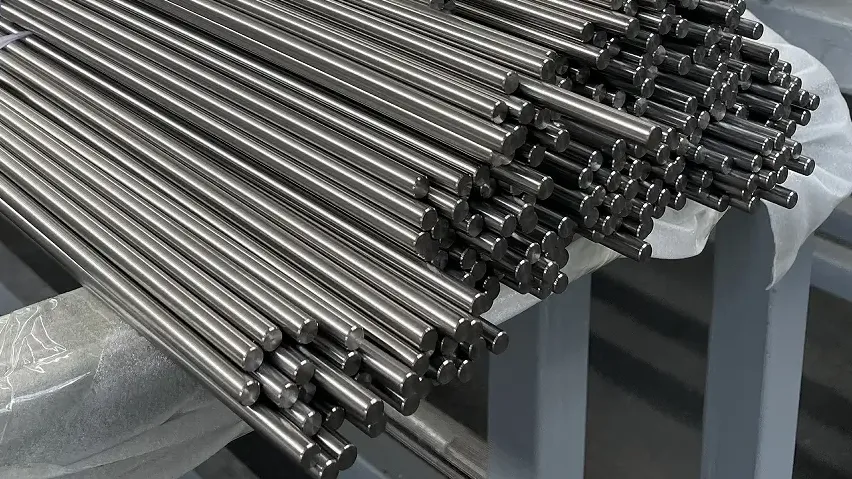
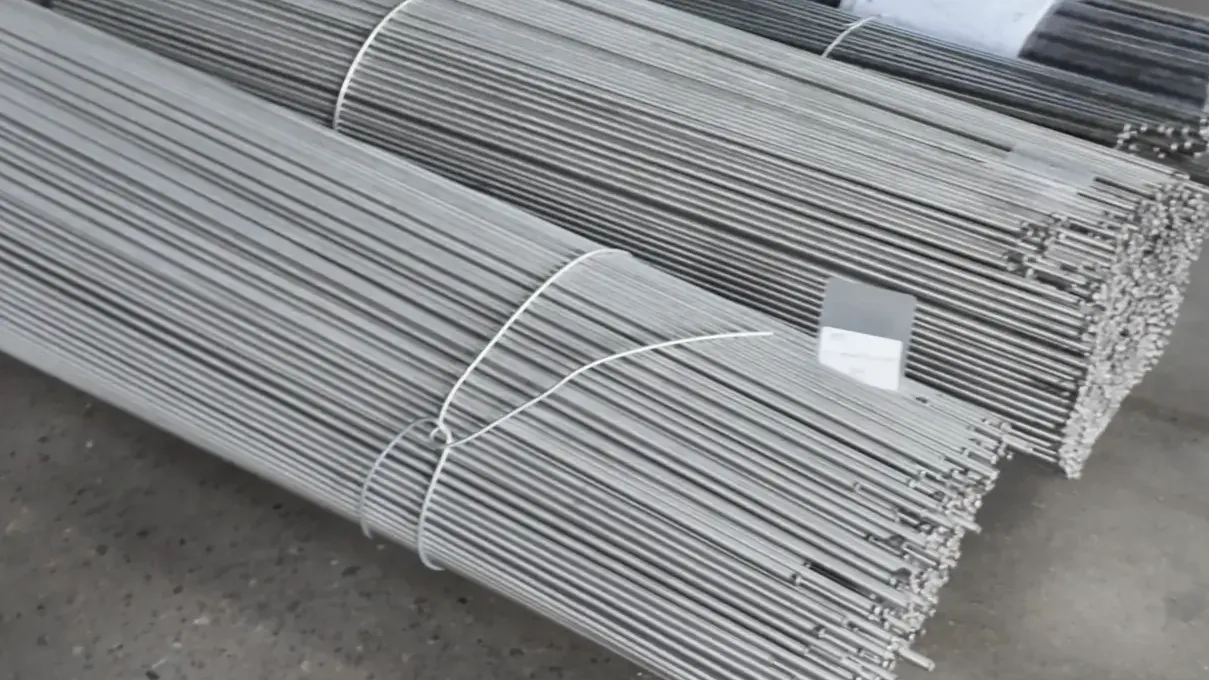
Sunxin supplies CCM CoCr28Mo Alloy 1 in sheet, bar and wire forms, as well as custom-cut dimensions.
Supported standards include ASTM F1537 and ISO 5832-12. The specific applicable standards must be confirmed based on the product form, end use and customer drawing requirements.
Available specifications include:
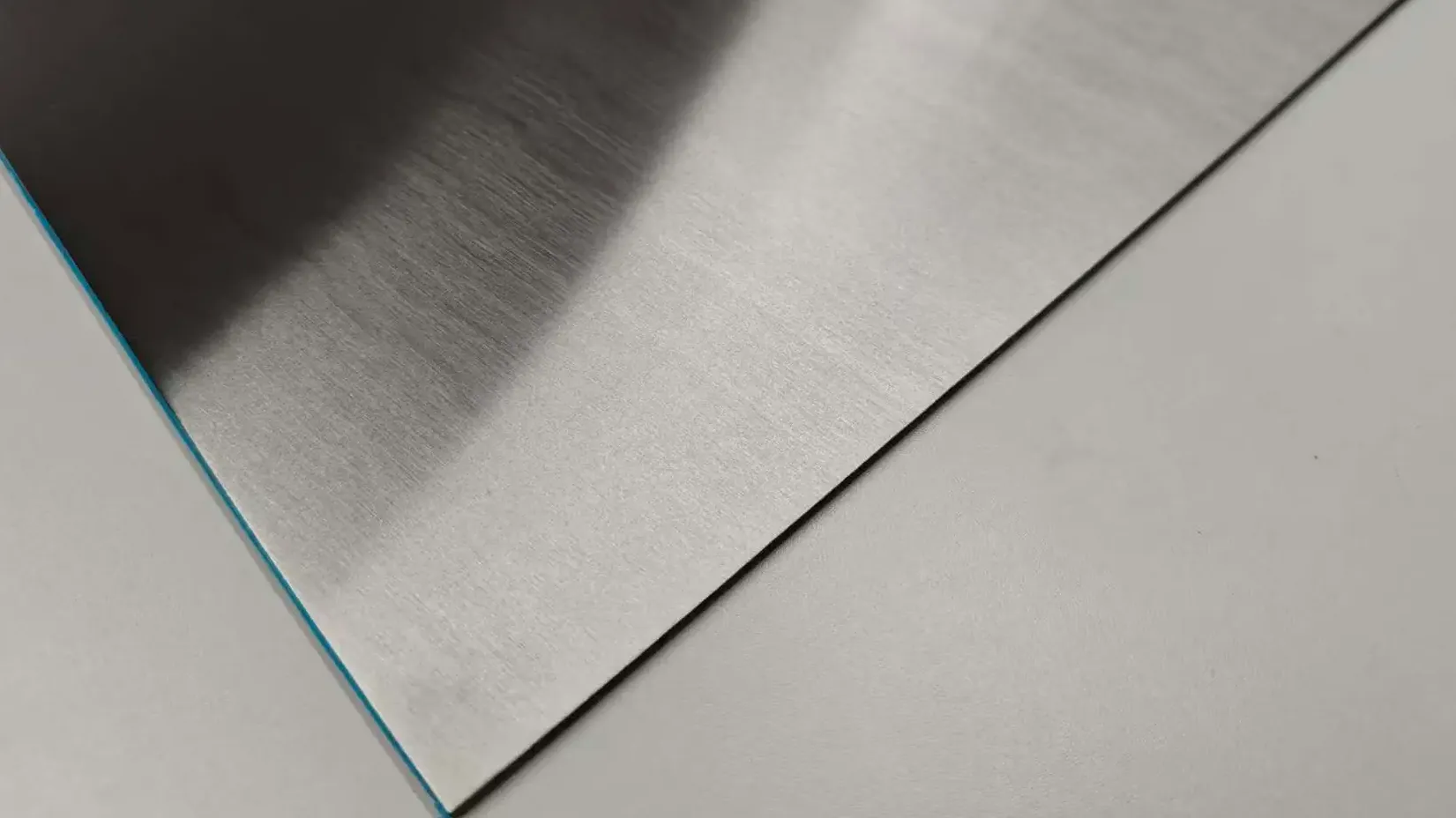
Sheets: T0.5–T200.0 mm, milled surface, standard lengths 200 / 250 / 300 mm, widths 200 / 300 / 500 / 1000 mm, tolerance -0.0 / +1.0 mm; available in annealed, hot-worked or warm-worked conditions.
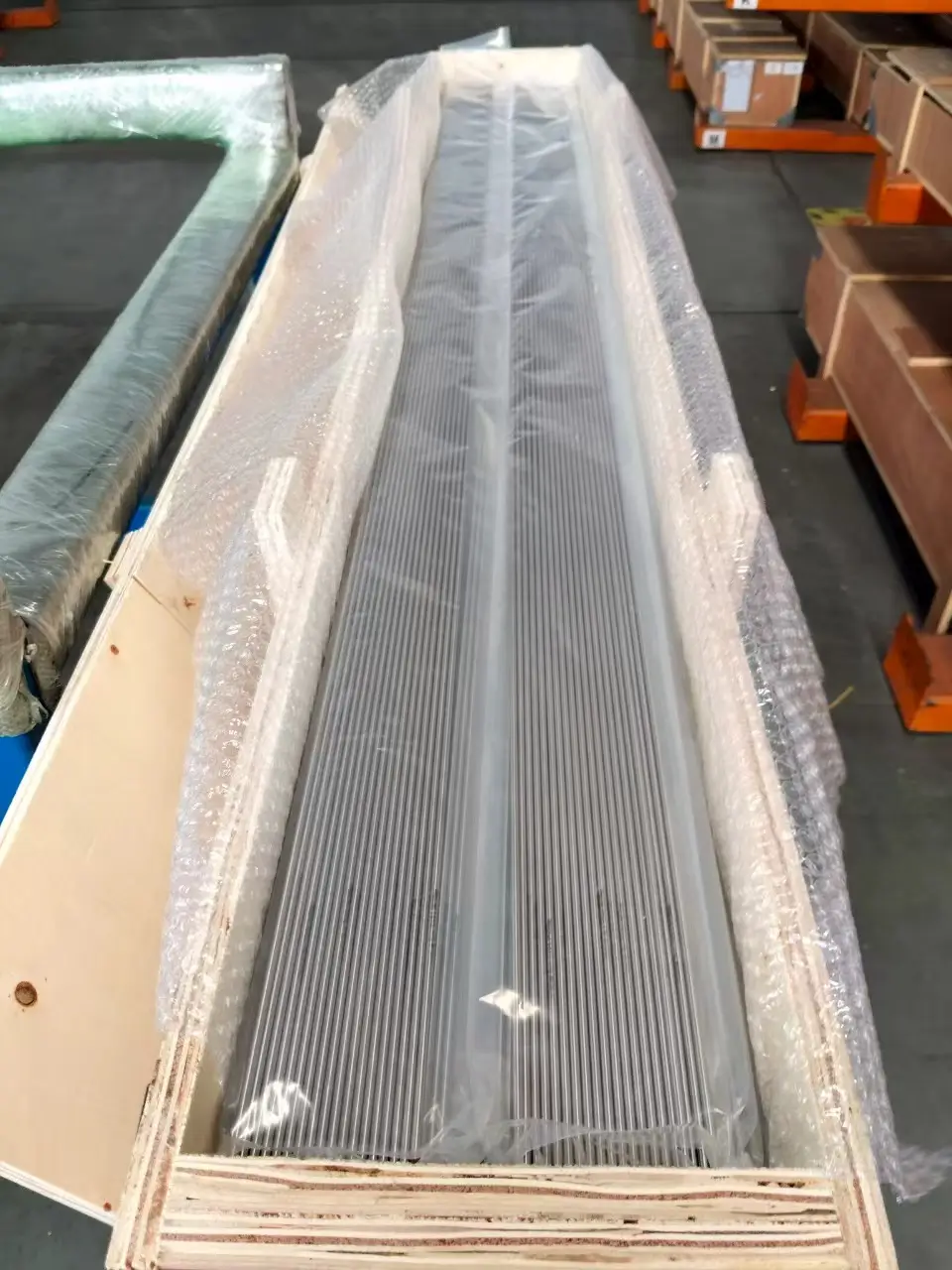
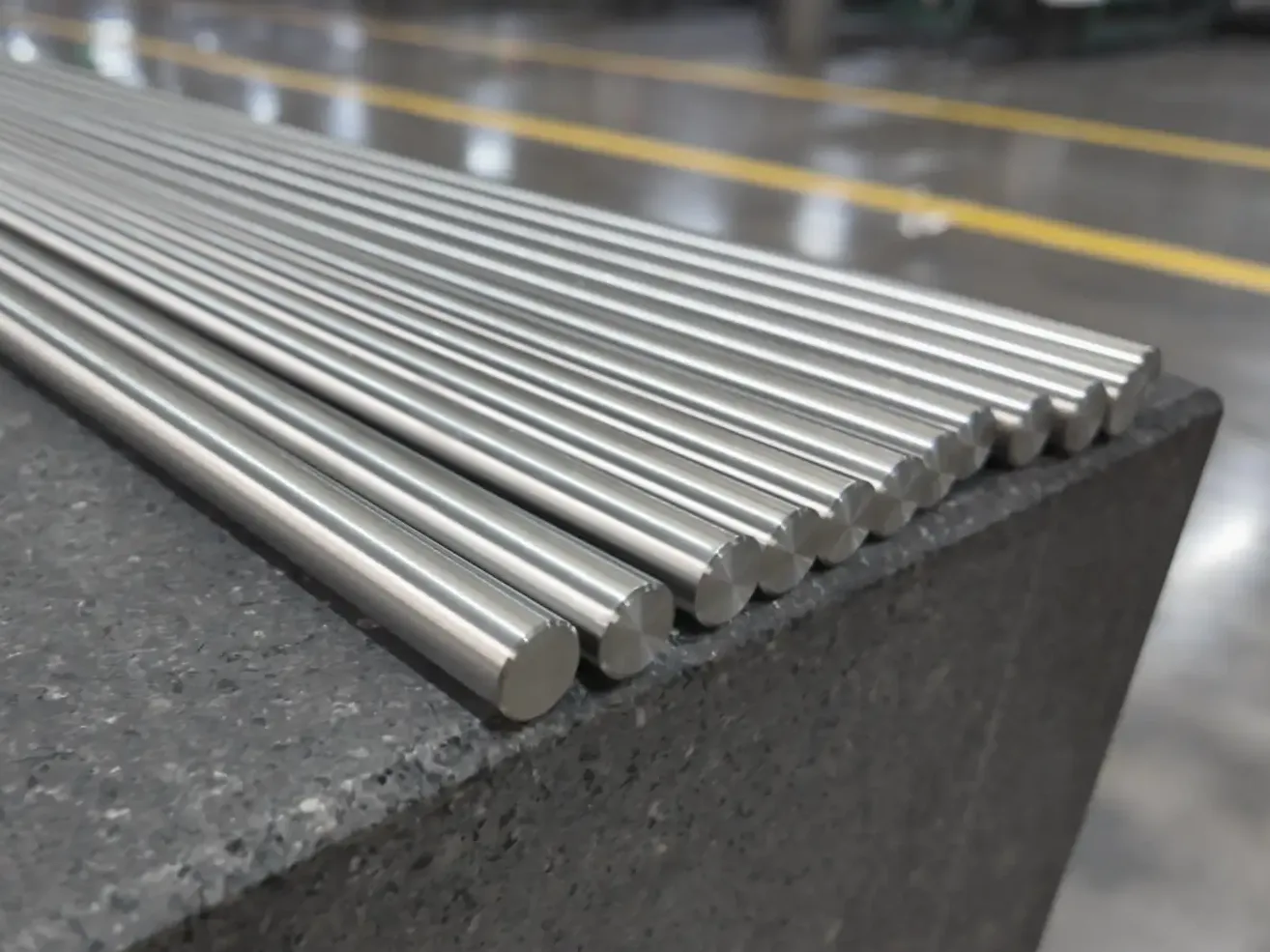
Bars: Φ3.0–Φ200.0 mm, polished or precision-polished, standard length 3 m per piece, tolerances to be confirmed as h6–h9, available in annealed, hot-worked or warm-worked conditions.
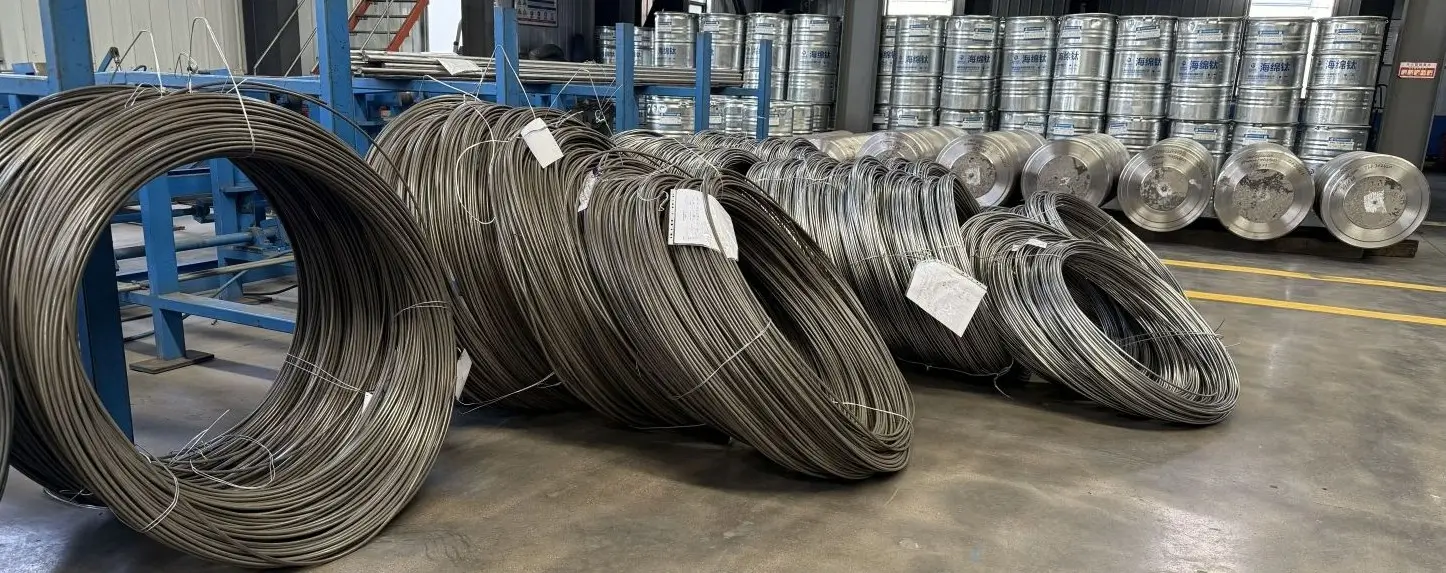
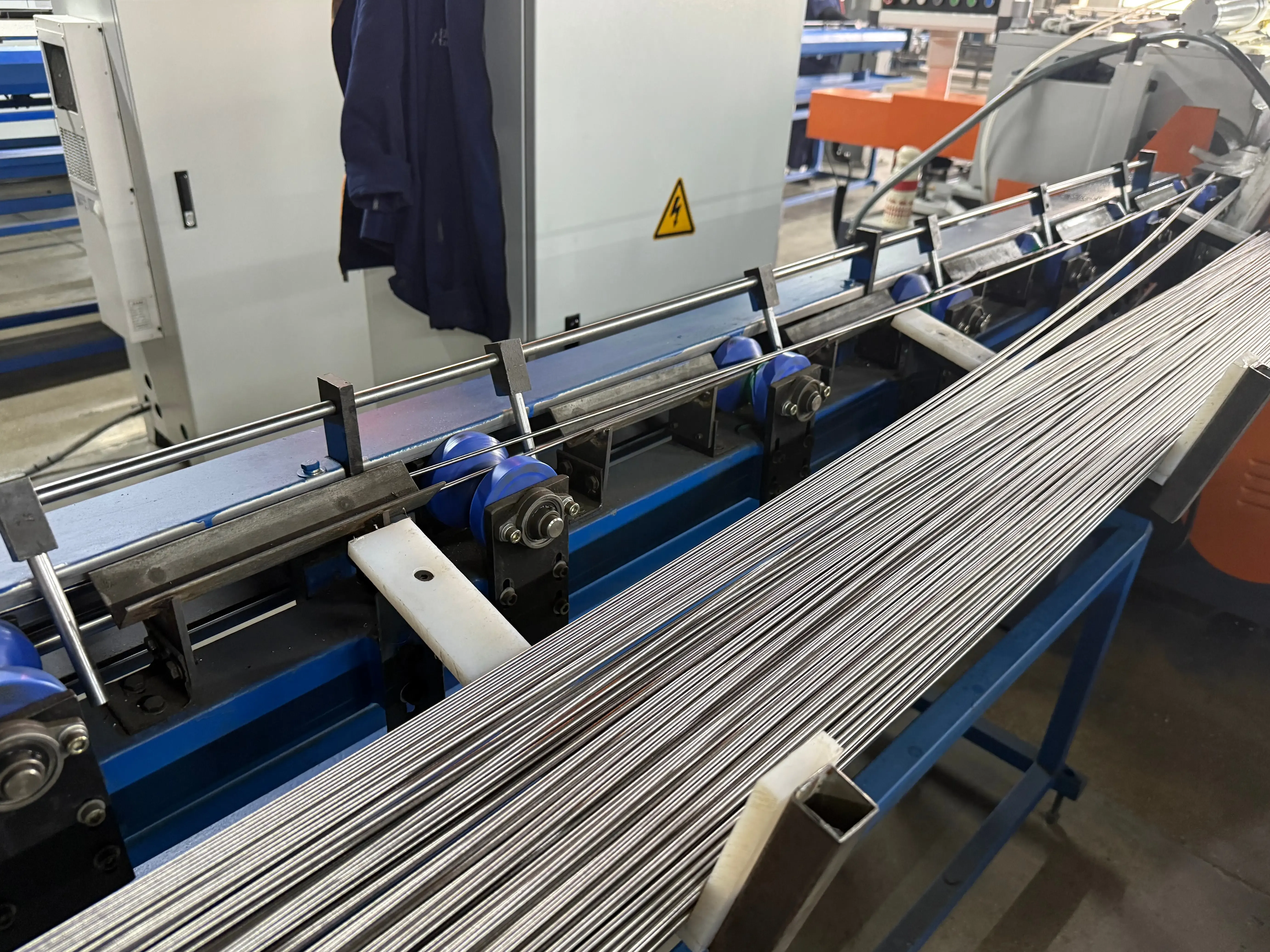
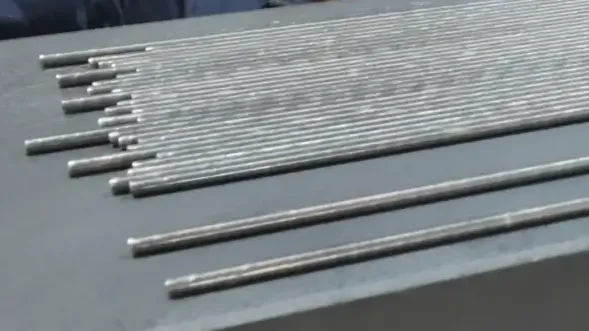
Wire: Φ1.0–Φ3.0 mm, polished or precision-polished, standard length 1 m per piece, tolerances to be confirmed as h6–h9; available in annealed, hot-worked or warm-worked conditions.
Prior to production of the CCM CoCr28Mo Alloy 1 project, it is recommended to confirm the material form, delivery condition, dimensions, tolerances, surface finish and applicable standards. For medical implants, dental restorations, orthopaedic components and high-strength corrosion-resistant parts, it is also necessary to confirm the chemical composition, mechanical properties, fatigue requirements, inspection items, quality documentation and traceability requirements.
Sunxin is certified to the ISO 13485 and ISO 9001 quality management systems and can support batch management, traceability control, inspection coordination and quality documentation management.