
Precision Alloy Bar & Round Bar Supplier
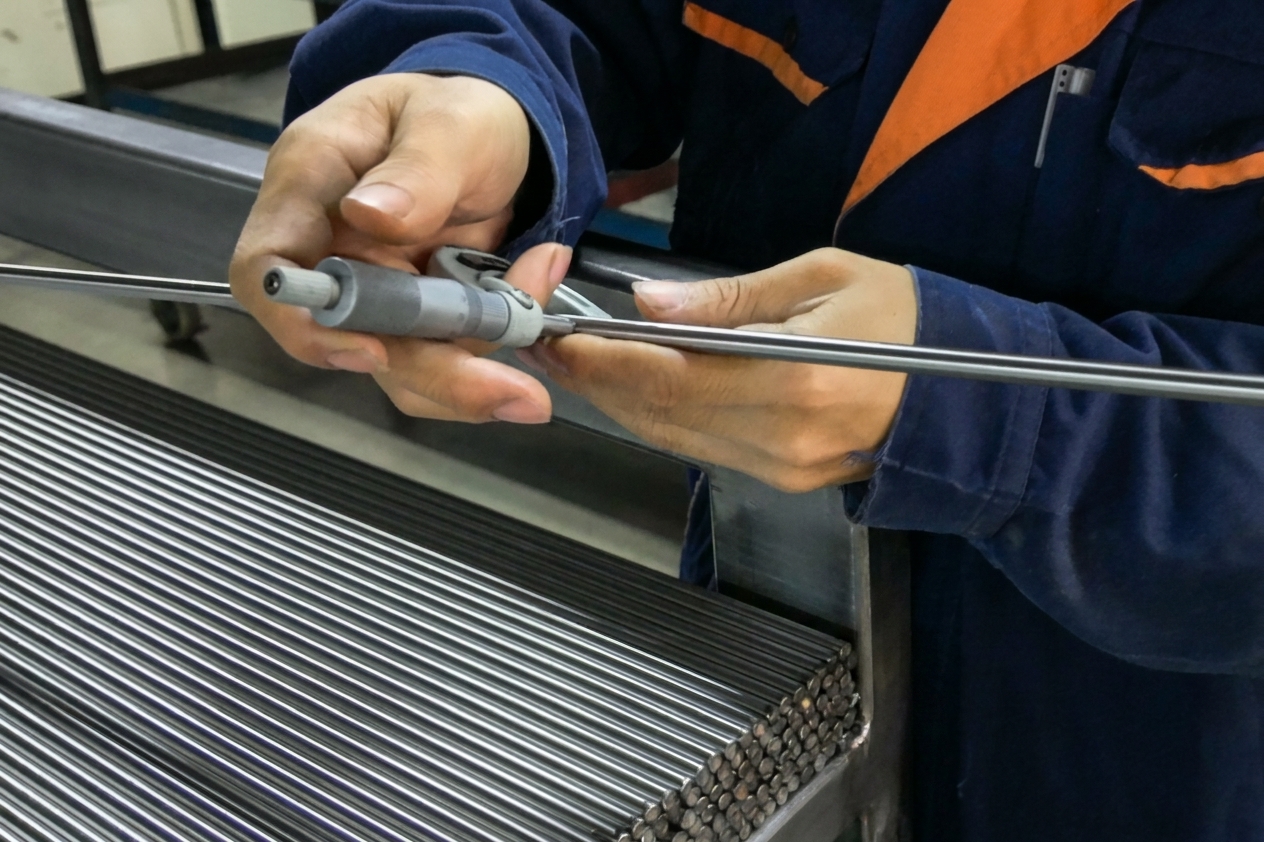
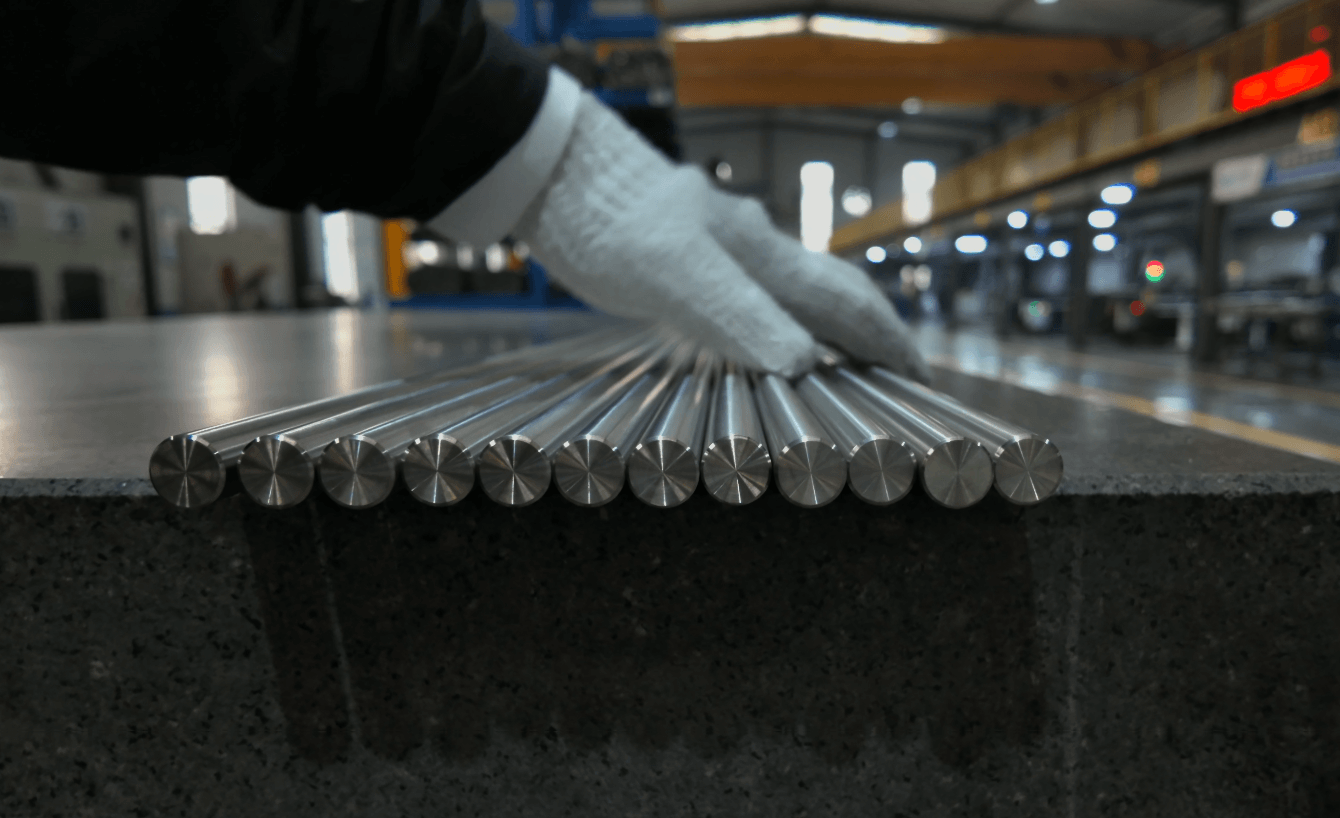
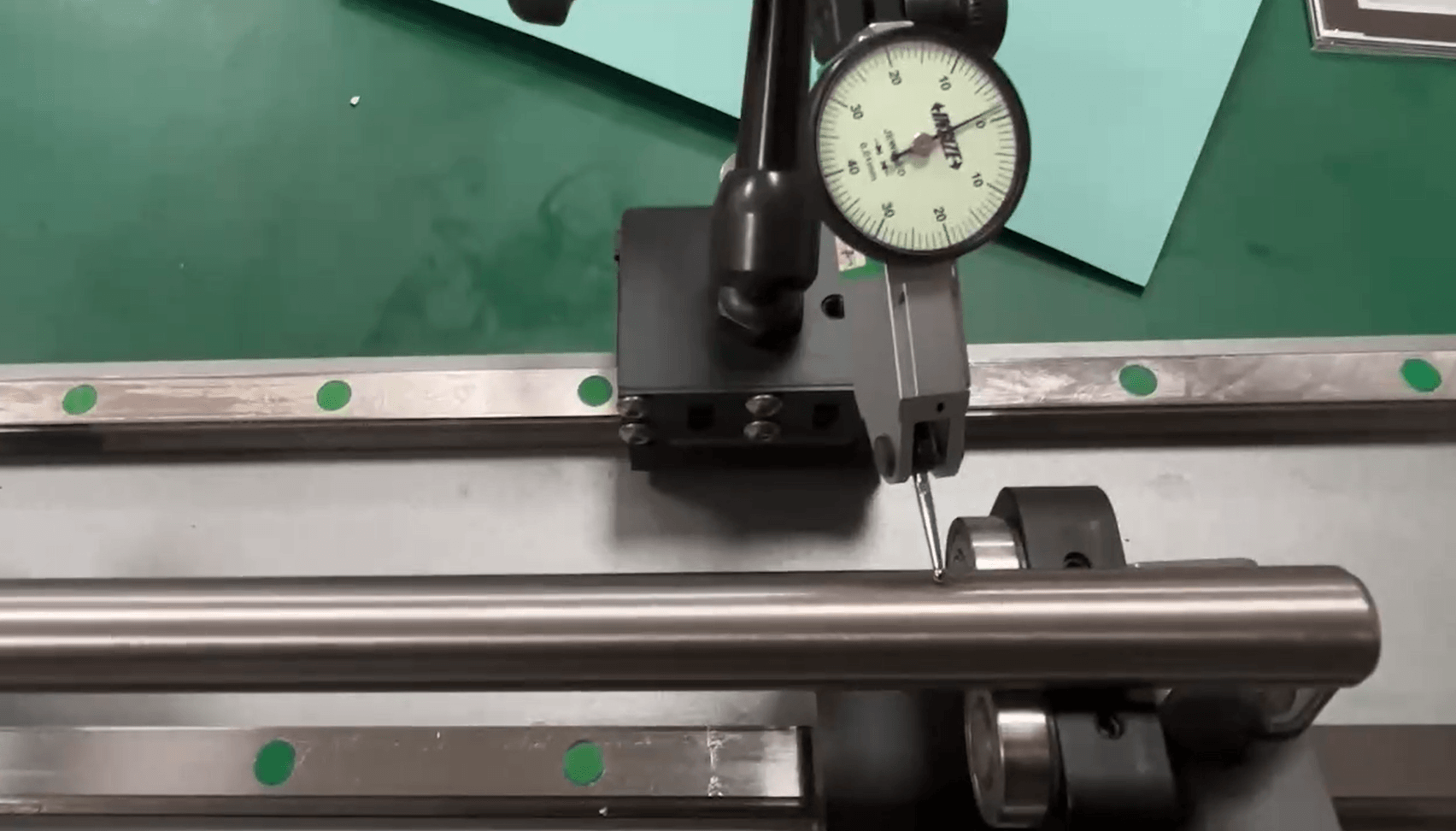
Sunxin supplies precision metal bars for applications including medical devices, medical implants, aerospace, humanoid robots, and precision CNC-machined components. Our high-precision round bars are available in diameters from Φ1.0 to Φ200 mm. We provide cut-to-length services, precision grinding, h6–h9 outer diameter tolerance control, and surface roughness control of Ra ≤ 0.8 μm, meeting the machining requirements of equipment such as Swiss-type lathes, CNC lathes, and precision machining centres. Sunxin provides stable and reliable bar solutions to address customer requirements for dimensional consistency, roundness, straightness, runout, chamfering, and surface quality during machining.

Alloy Bar Types and Supply Capabilities
Sunxin offers over 30 grades of alloy bars, available in various dimensions, delivery conditions, and surface finish requirements. The specific supply range depends on the material grade, production process, heat treatment condition, and purchase quantity.
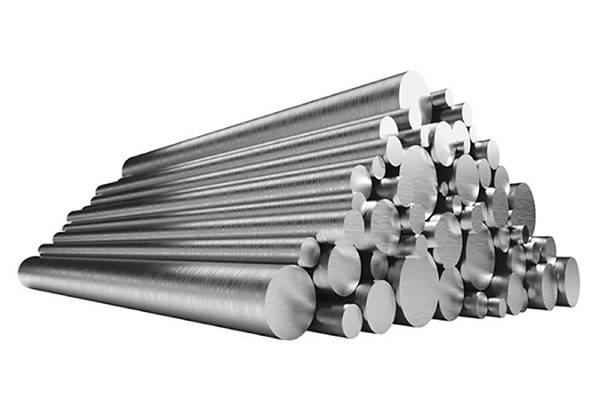
Stainless Steel Bars
View Stainless Steel Bars
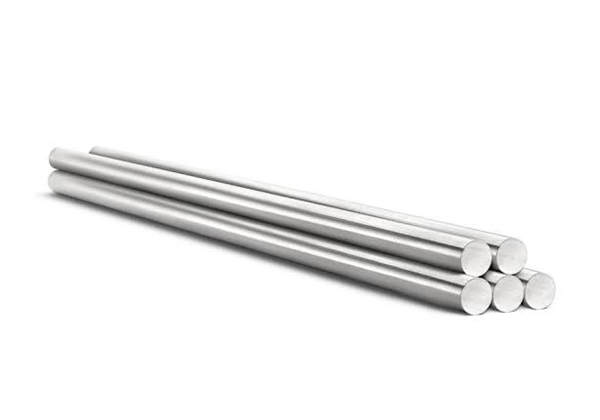
Titanium Alloy Bars
Explore Titanium Alloy Bars
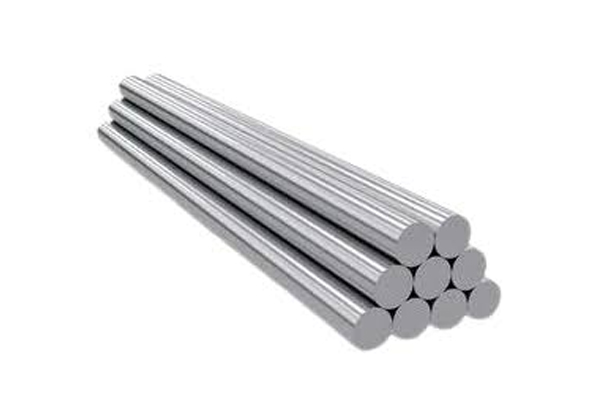
Cobalt-Based Alloy Bars
View Cobalt Alloy Bars
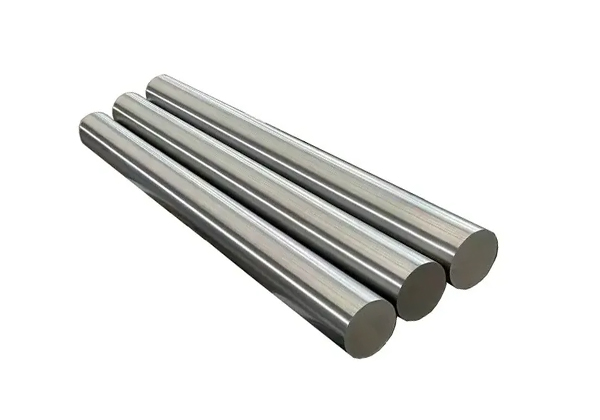
Nickel Titanium Alloy (Nitinol) Bars
Explore Nitinol Bars
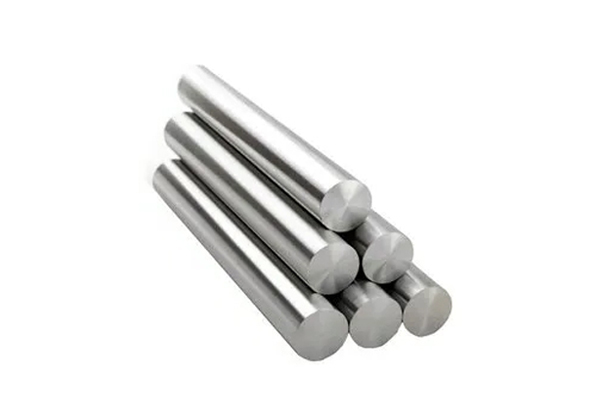
Tantalum Bars
View Tantalum Bars


Typical Applications of Alloy Bars
Sunxin alloy bars are used in medical devices, aerospace, robotics and precision industrial components. Different applications place varying demands on the bars in terms of strength, hardness, corrosion resistance, straightness, dimensional tolerances and delivery condition; the specific material should be selected based on the component’s intended use, applicable standards and machining conditions.
| Applications | Typical Components | Key Requirements for Bar Stock |
| Medical and Surgical Instruments | Surgical instruments, staplers, ultrasonic scalpels and precision medical components | Corrosion resistance, hardness, dimensional consistency, traceability |
| Dental and Orthopaedic Instruments | Dental drill bits, orthopaedic drill bits, surgical instrument components | Hardness, wear resistance, machinability, surface quality |
| Aerospace | Fasteners, shafts, connecting components and precision structural components | Strength, fatigue performance, material consistency, quality documentation |
| Robotics and Automation | Drive shafts, joint connectors, fasteners | Straightness, dimensional tolerances, strength, machining stability |
| Precision CNC Machining | Small-diameter shafts, pins, sleeves and complex turned and milled components | Outer diameter tolerance, roundness, straightness, surface roughness |


-
What is the difference between ground and polished alloy bar?
Grinding is used to improve outside-diameter tolerance, roundness and surface finish. Polishing may remove a small amount of material, but its primary purpose is to improve surface roughness and surface condition rather than establish a precision diameter. Diameter tolerance and surface roughness should be specified separately for guide-bushing, sliding-fit and other close-tolerance applications.
-
Why can a straight alloy bar still distort after machining?
Straightness describes the bar before machining, but it does not show the residual-stress distribution inside the material. Forging, cold working, heat treatment and quenching can leave residual stresses through the bar section. As machining progressively removes material, the stress balance changes and the component may move. Material condition, stress-relief history, machining sequence and stock allowance are important for distortion-sensitive parts.
-
Can one tolerance standard be used for every alloy bar material?
No. Stainless steel bars may use ASTM A484 general requirements, while titanium bars may be specified to ASTM B348. ASTM B365 covers tantalum and tantalum alloy rod and wire. Medical-device Nitinol may be specified to ASTM F2063, while wrought implant-grade CoCrMo bar, rod and wire may use ASTM F1537. The applicable standard follows the material, product form and application.