Additional Info
A Brief History of UNS R05200 / UNS R05400
UNS R05200 and UNS R05400 are two types of unalloyed tantalum, also commonly referred to as ‘pure tantalum’ or ‘unalloyed tantalum’.
The main difference between the two lies in their production methods. UNS R05200 is typically produced by electron beam melting or vacuum arc remelting, whilst UNS R05400 is produced by sintering via powder metallurgy.
Tantalum is renowned for its high corrosion resistance, high melting point (approximately 3017°C / 5463°F) and good biocompatibility. It remains stable over the long term in highly corrosive, high-purity, vacuum and high-temperature environments, and is widely used in medical implants, corrosion-resistant chemical processing equipment, electronic components and vacuum and high-temperature components.
How Was The R05200 / UNS R05400 Developed
The development of UNS R05200 and UNS R05400 is linked to the demand for tantalum materials in the electronics, chemical engineering, vacuum and high-temperature equipment, and medical sectors. Since the 20th century, the requirements for metal purity, corrosion resistance and long-term stability have continued to rise in the fields of electronic components, highly corrosive chemical processing equipment, vacuum furnace components and medical implants. What these applications truly test is not strength, but whether the material can remain stable over the long term when exposed to strong acids, high-purity media, the human body and high-temperature vacuum conditions.
Tantalum is ideally suited to meet these requirements; its surface naturally forms a dense, stable and strongly adherent protective layer of tantalum pentoxide (Ta₂O₅), which maintains excellent chemical stability in many harsh corrosive environments. Its high melting point of approximately 3017°C (5463°F) also enables it to perform reliably in high-temperature and vacuum environments where conventional metals struggle to operate over the long term. It is precisely for this reason that the value of unalloyed tantalum lies in its inherent purity and chemical stability, rather than in reinforcement by alloying elements.
Consequently, the focus of research and development for this type of material is not on adding alloys, but on how to consistently produce high-purity unalloyed tantalum. Two mature production routes have been established to achieve this objective, giving rise to the two grades: UNS R05200 is produced via electron beam melting or vacuum arc melting, resulting in higher melt quality and material purity; UNS R05400 is produced via powder metallurgy sintering, making it suitable for obtaining unalloyed tantalum using powder processes.
Early Applications of R05200 / UNS R05400
In its early days, tantalum was primarily used in corrosion-resistant equipment for the chemical industry, electronic components and high-temperature vacuum components.
Lining for chemical reactors, heat exchanger components, parts exposed to strong acids, corrosion-resistant fittings and components for laboratory equipment were among the earliest applications for tantalum. These parts do not require high strength but must endure long-term exposure to corrosive media; material stability is therefore more important than strength.
The electronics industry also adopted tantalum at an early stage, particularly in capacitor-related components, leads, connectors and high-purity small metal parts. Tantalum’s chemical stability and high-purity properties make it suitable for precision electronic applications requiring long-term stability.
In vacuum and high-temperature equipment, tantalum is also used in evaporation boats, crucibles, vacuum furnace components, heating-related parts and high-temperature fixtures.
Current Applications of R05200 / UNS R05400
UNS R05200 and UNS R05400 are currently used primarily in the medical, chemical, electronic, vacuum and high-temperature, and precision engineering sectors. They are particularly suitable for components requiring a combination of corrosion resistance, biocompatibility, high-temperature stability and high-purity materials.
Common applications include:
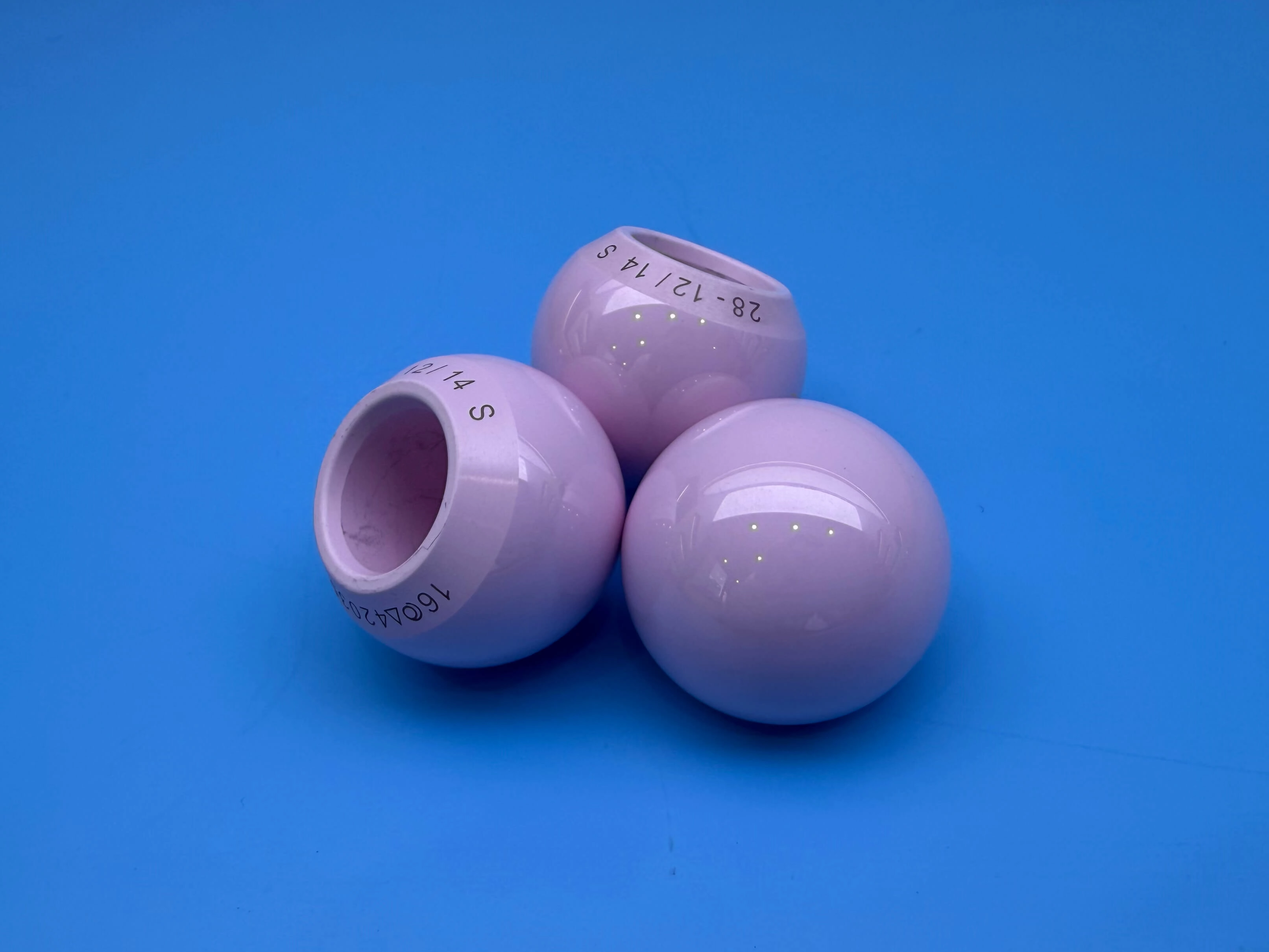
Medical: Porous tantalum implants, spinal fusion devices, bone defect fillers, craniofacial prosthetic components, radiopaque markers, and small tantalum components for implants.
Chemical: Chemical reactor linings, heat exchanger components, parts resistant to strong acids, corrosion-resistant pipework, laboratory equipment components, and parts in contact with corrosive media.
Electronics and Vacuum: Components for capacitors, sensor electrodes, evaporation boats, crucibles, vacuum furnace components, and high-temperature fixtures.
Aerospace: High-temperature shielding components, parts for vacuum environments, thermal protection components, specialised high-temperature structural sheets, and machined high-purity tantalum parts.
Precision Engineering: Micro-sized corrosion-resistant fasteners, specialised sensor electrodes, precision-machined tantalum parts, and small corrosion-resistant structural components.
Sunxin’s UNS R05200 / UNS R05400 Supply Support
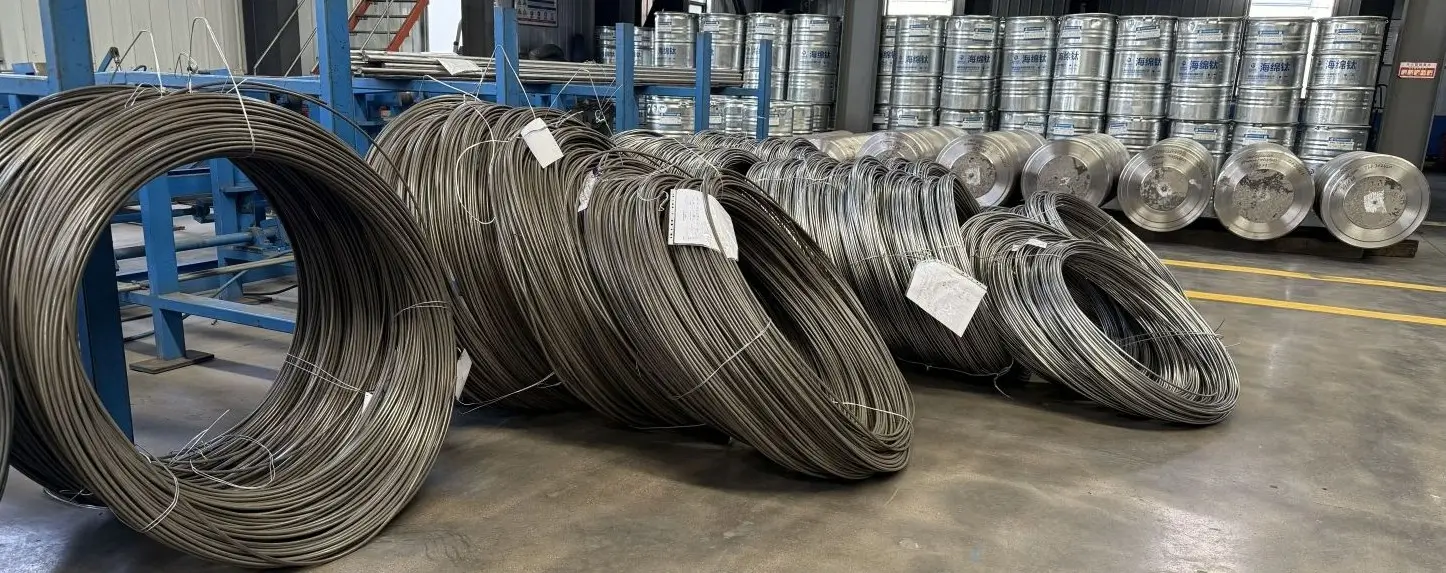
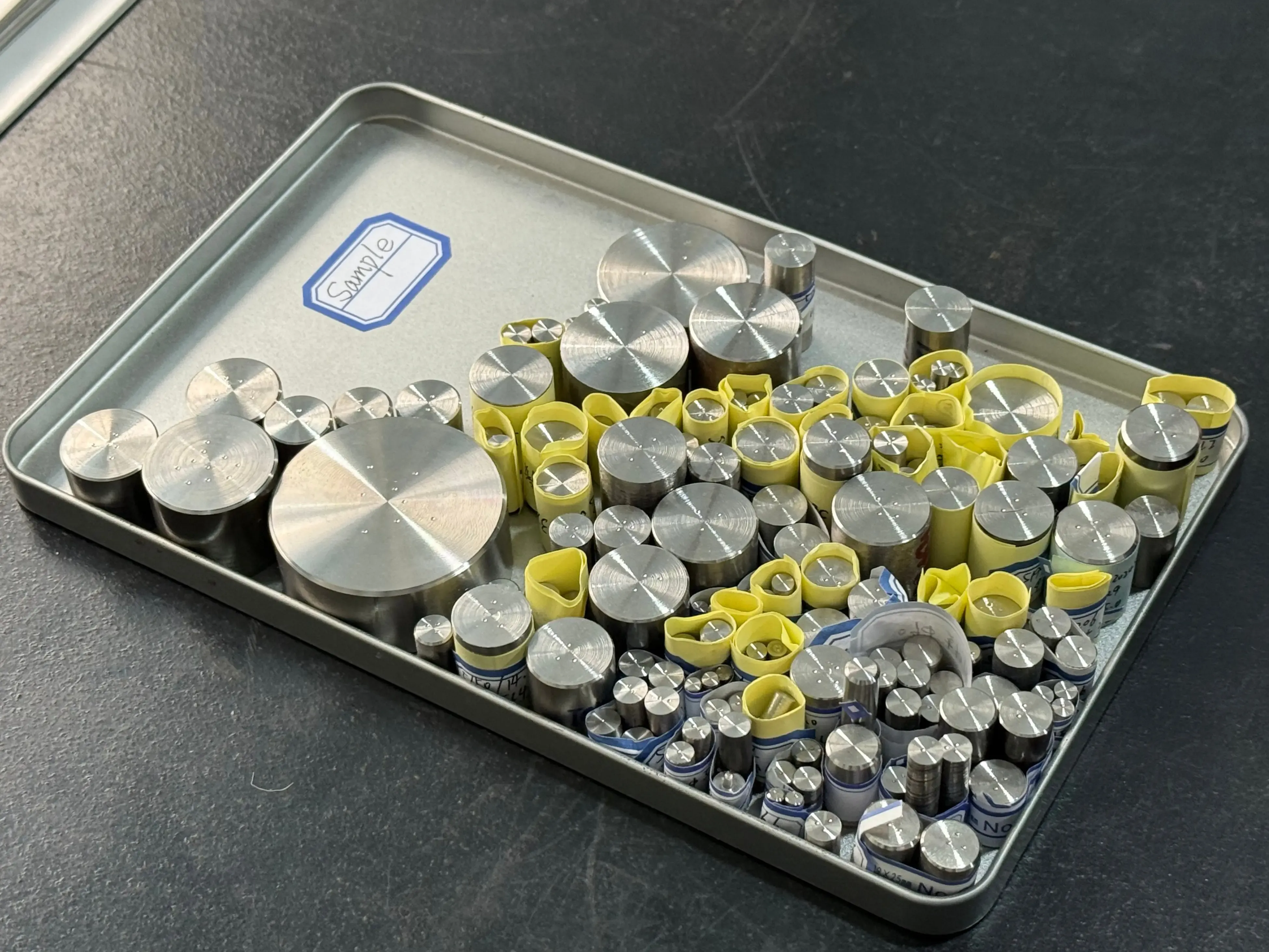
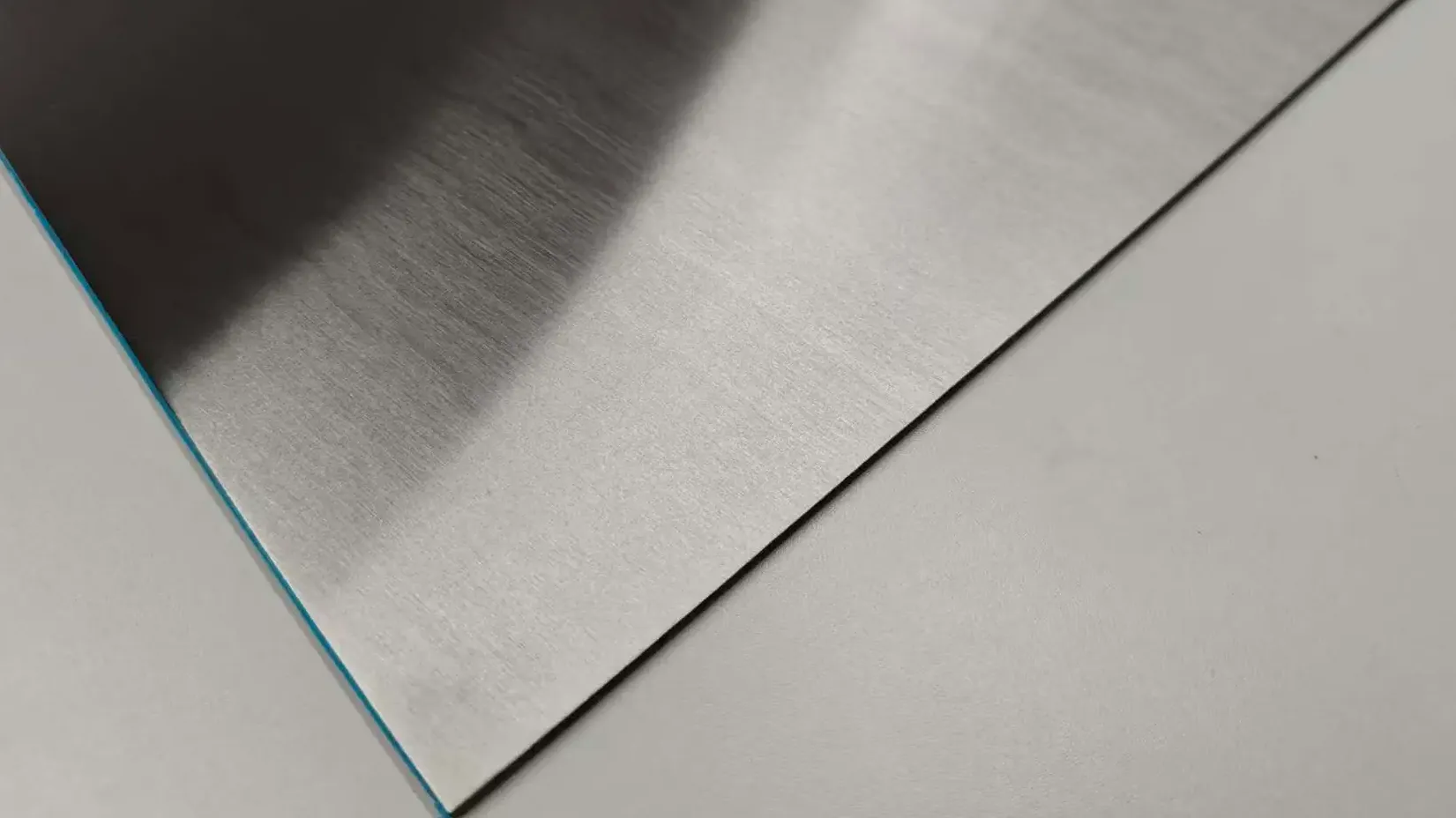
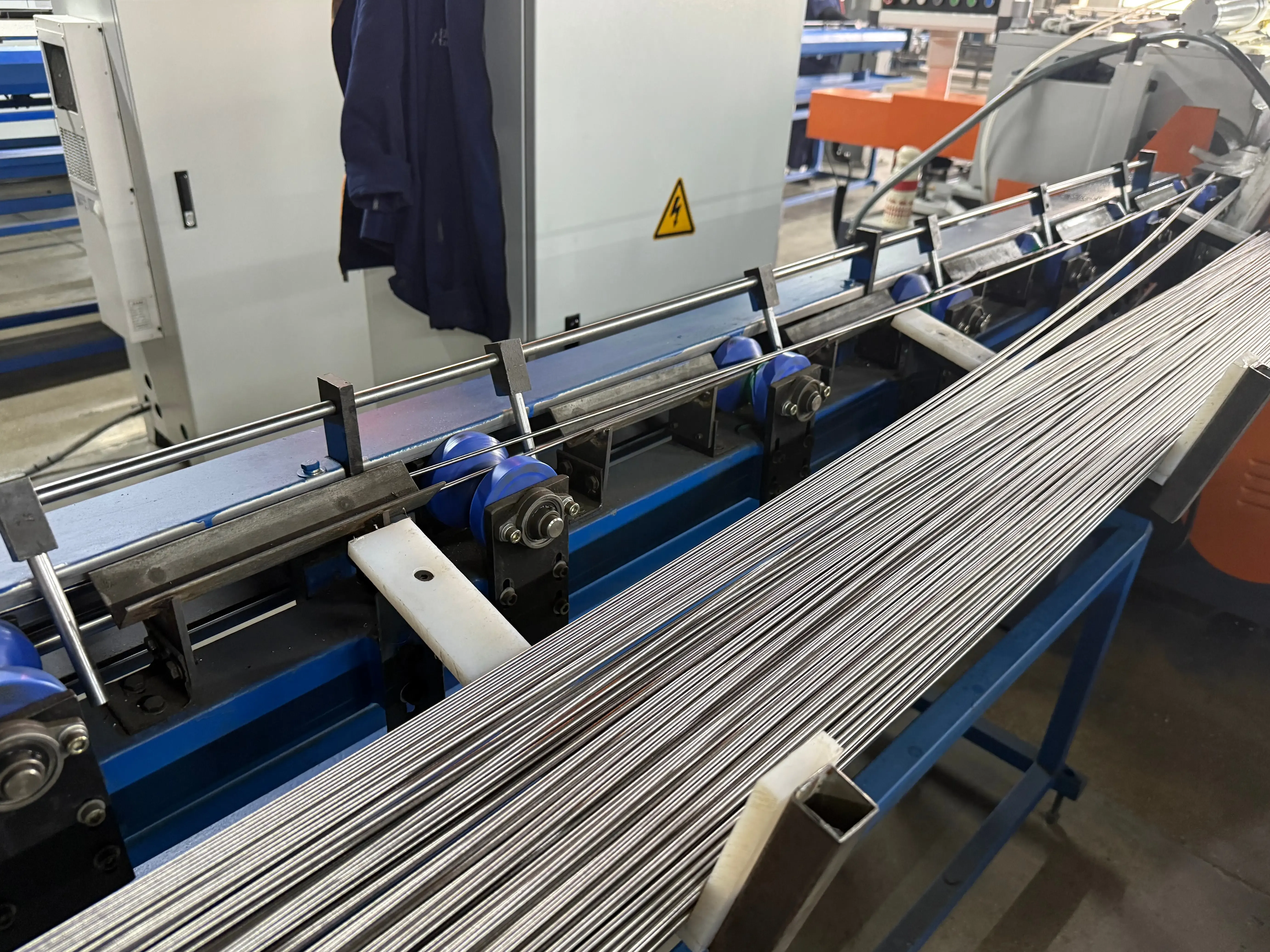
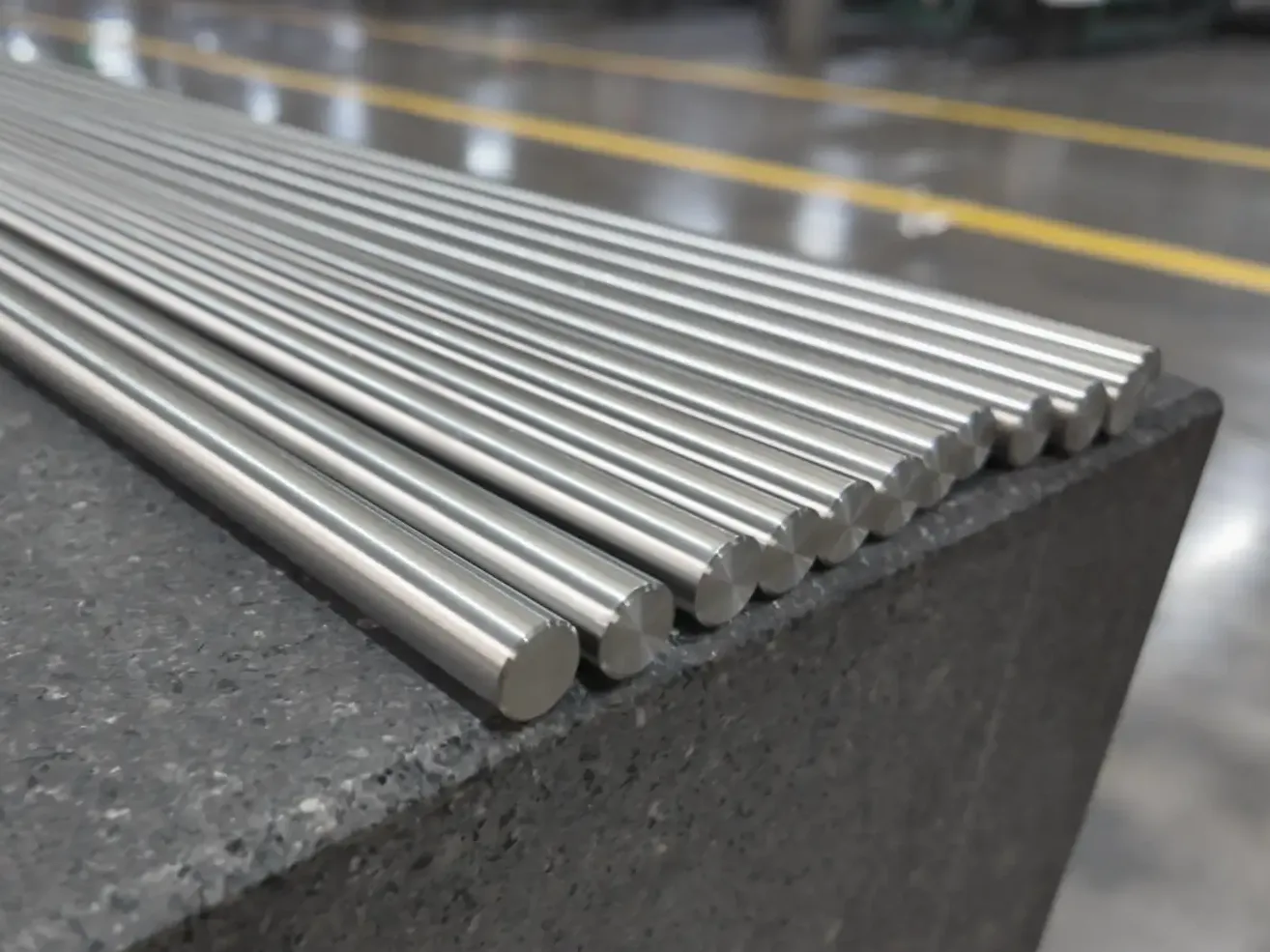
Sunxin supplies UNS R05200 / UNS R05400 in sheet, bar and wire forms, as well as custom-cut dimensions.
Relevant requirements such as ASTM B365, ASTM B708, ASTM F560 and ISO 13782 can be discussed based on the product form and end use. The specific applicable standards must be confirmed according to the material form, customer drawings, procurement specifications and end use.
Available specifications include:
Plates: T0.5–T200.0 mm, mill-finished, standard lengths 200 / 250 / 300 mm, widths 200 / 300 / 500 / 1000 mm, tolerance -0.0 / +1.0 mm, supplied in the annealed condition.
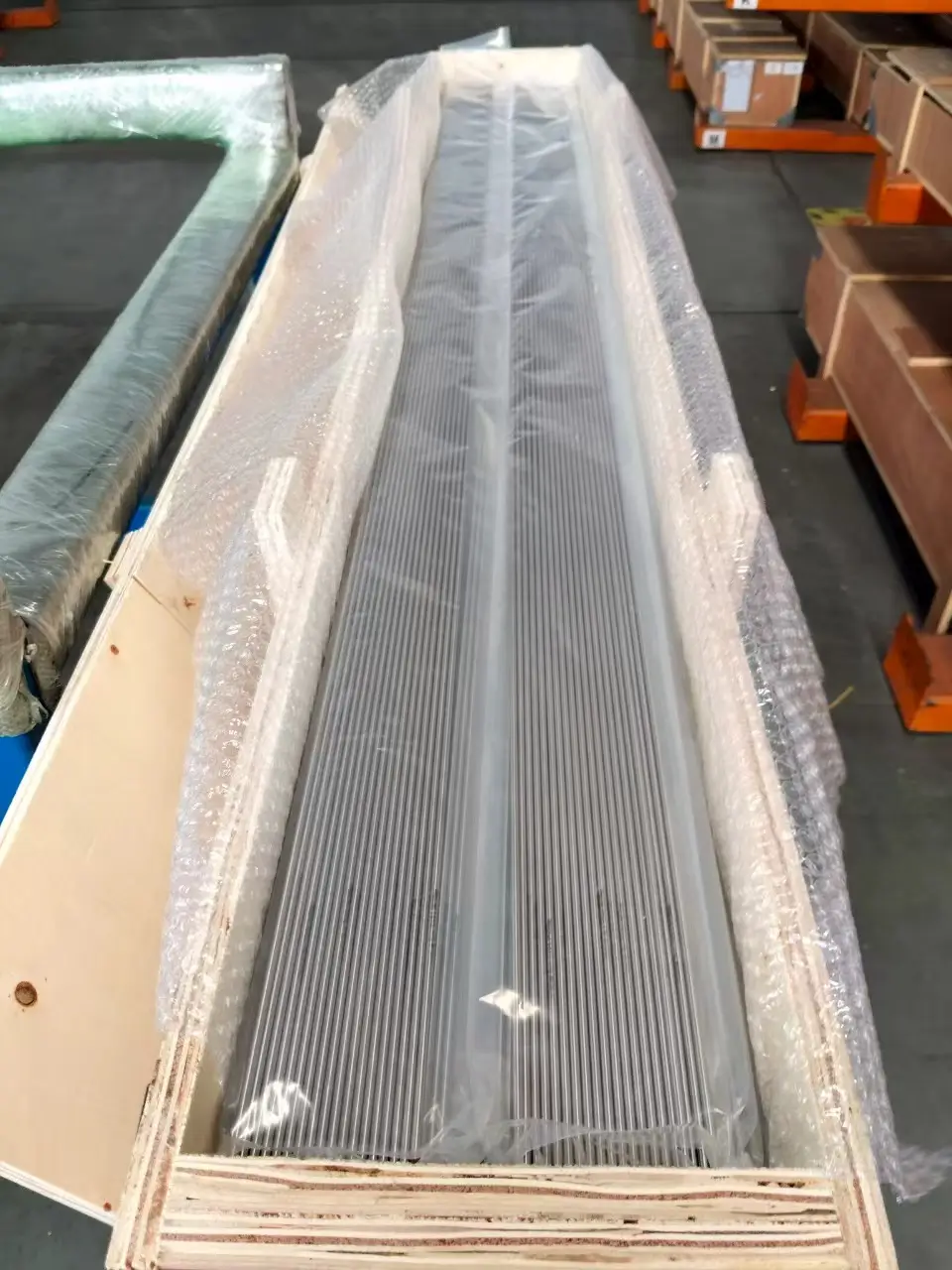
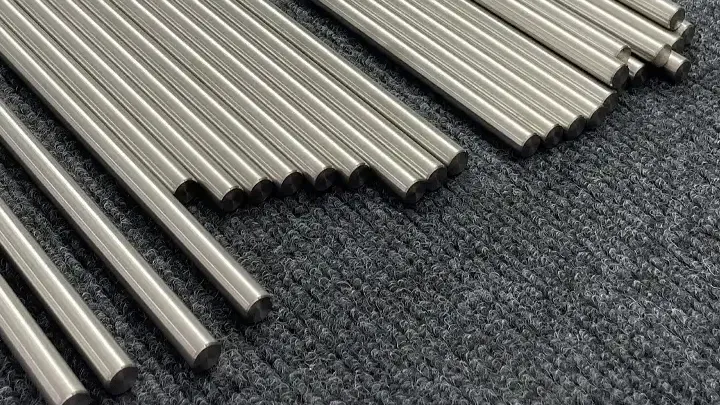
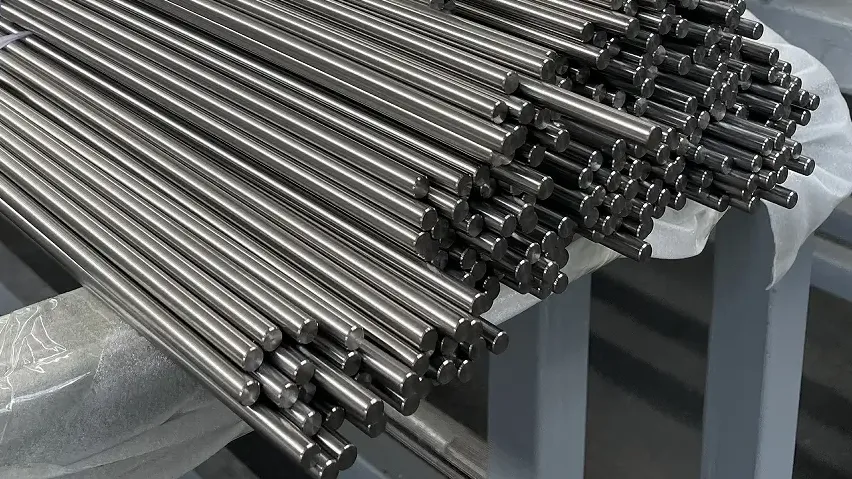
Bar stock: Φ1.0–Φ8.0 mm, polished or precision-polished, standard length 3 m per piece, tolerances to be confirmed as h6–h9, supplied in the annealed condition.
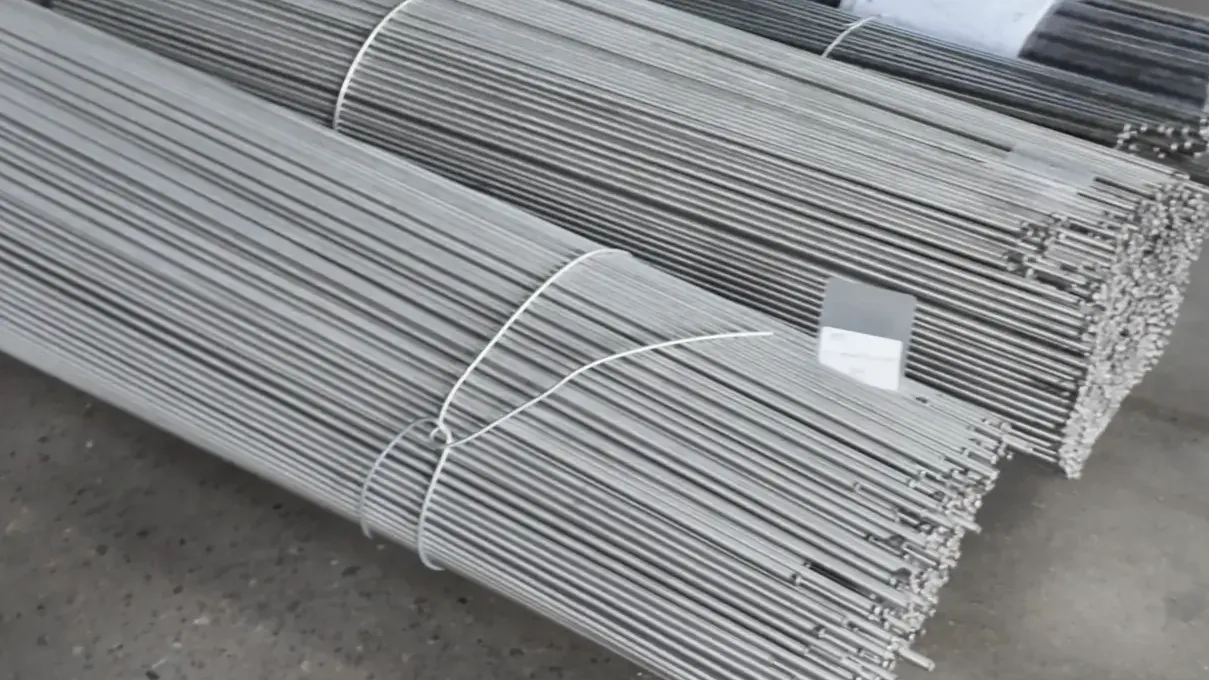
Wire: Φ0.6–Φ3.0 mm, polished or precision-polished, standard length 1 m per piece, tolerances to be confirmed within h6–h9, supplied in the annealed condition.
Prior to production of UNS R05200 / UNS R05400 items, it is recommended to confirm the material grade, production method, material form, delivery condition, dimensions, tolerances, surface finish and applicable standards.
For projects involving medical implants, highly corrosive chemical environments, high-purity electronics, high-temperature vacuum applications and precision machining, it is also necessary to confirm the chemical composition, mechanical properties, oxygen, nitrogen and hydrogen control, surface requirements, test items, quality documentation and traceability requirements.
Sunxin is certified to the ISO 13485 and ISO 9001 quality management systems and can support batch management, traceability control, test coordination and quality documentation management.