
A hip replacement has never been “one material” — it is the superposition of a tribological system + a biomechanical system + a manufacturing-consistency system. Within the same implant, the femoral head, the liner, the acetabular cup and the femoral stem face completely different loading states and tissue environments: bearing surfaces are judged on wear and particle toxicity, while structural components are judged on elastic modulus, fatigue and osseointegration. Mixing them into a single ranking table inevitably distorts the answer.
What even fewer people talk about is the third layer: two femoral stems both marked “Ti-6Al-4V” can differ by more than ten years in clinical service life. The gap does not lie in the grade designation, but in the melting route, interstitial elements, microstructure and batch traceability. As a factory-level supplier of medical alloys, this is exactly the layer we deal with every day.
So this article answers the question using a four-layer ranking method:
Layer 1: ranking of bearing couples
Layer 2: ranking of structural and fixation materials
Layer 3: the “invisible grading” within the same material designation — the manufacturing variables that decide a 20-year service life
Layer 4: ranking from the B2B sourcing perspective (availability, traceability, machining cost)
1. Why the margin for material error is so small
Before evaluating any implant material, look at what it has to withstand every day:
Activity | Peak hip joint load (multiple of body weight) | Corresponding load for a 70 kg patient |
|---|---|---|
Normal walking on level ground | approx. 3× | ≈ 210 kg |
Climbing stairs (single-leg support) | approx. 3–4× | ≈ 210–280 kg |
Descending stairs (single-leg support) | approx. 4–6× | ≈ 280–420 kg |
Based on the conventional estimate of 1 million steps per year, an implant undergoes roughly 20 million high-stress cycles over a 20-year service life, while remaining permanently immersed in body fluid at 37 ℃ containing chloride ions.
These numbers explain the three main failure pathways of an implant:
Wear particles → osteolysis: once particles are phagocytosed by macrophages they trigger inflammation, the bone at the interface is resorbed, and the implant loosens. This is the leading reason for revision surgery.
Fatigue cracks: the neck and proximal region of the femoral stem are stress-concentration zones, and a single 50 μm inclusion inside the material is enough to become a crack initiation site.
Stress shielding: if the material is too “stiff”, load no longer passes through the bone, the bone atrophies according to Wolff’s law, and loosening eventually follows.
In other words, a good material must simultaneously achieve: almost no debris at the interface, almost no corrosion in the body, and mechanically still willing to deform together with bone. No single material covers all of it — which is precisely why a “layered ranking” is necessary.
2. Layer 1 ranking: bearing couples
The bearing couple refers to the friction pair formed by the femoral head and the liner, and it directly determines the quantity and nature of wear particles.
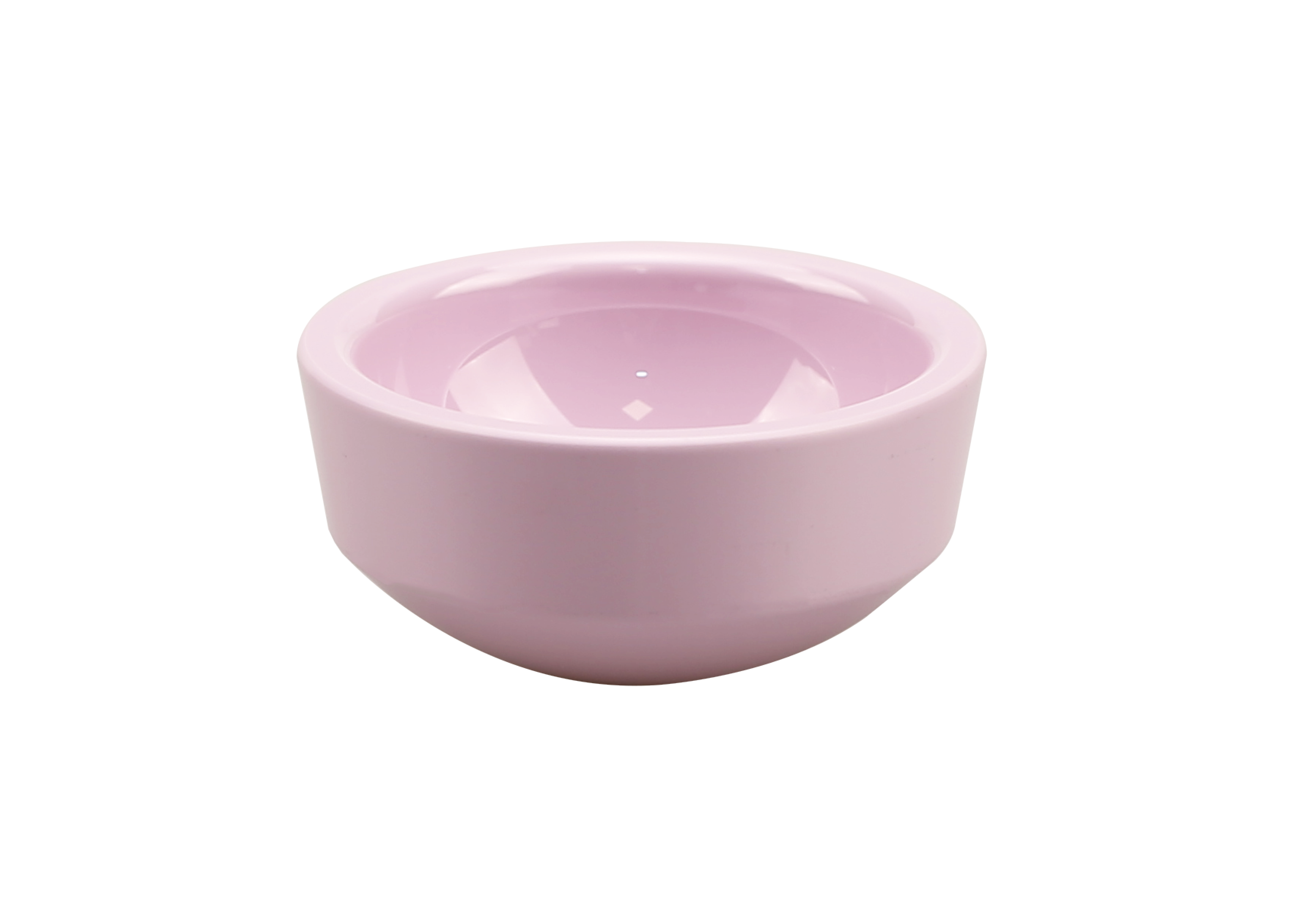
No. 1: Ceramic-on-Ceramic (CoC)
Coefficient of friction μ≈0.01–0.02, the lowest of all combinations; annual linear wear approx. 5–10 μm.
Alumina / zirconia-toughened ceramics have extremely high hardness, and the surface can be polished to a mirror-grade Ra < 0.01 μm, forming near-fluid-film lubrication together with the synovial fluid.
Ceramic particles are not only “few”, they are also more biologically inert — even when generated they activate inflammatory pathways less readily. This is its hidden advantage over “other combinations with a similar wear rate”.
The price: brittleness. The fracture rate of modern fourth-generation ceramics has fallen below 1%, but impact and deviation in implantation angle remain risks; a small number of patients report joint squeaking.
Suitable for: young, highly active patients with an expected service life of 25 years or more.
No. 2: Ceramic-on-Polyethylene (CoP)
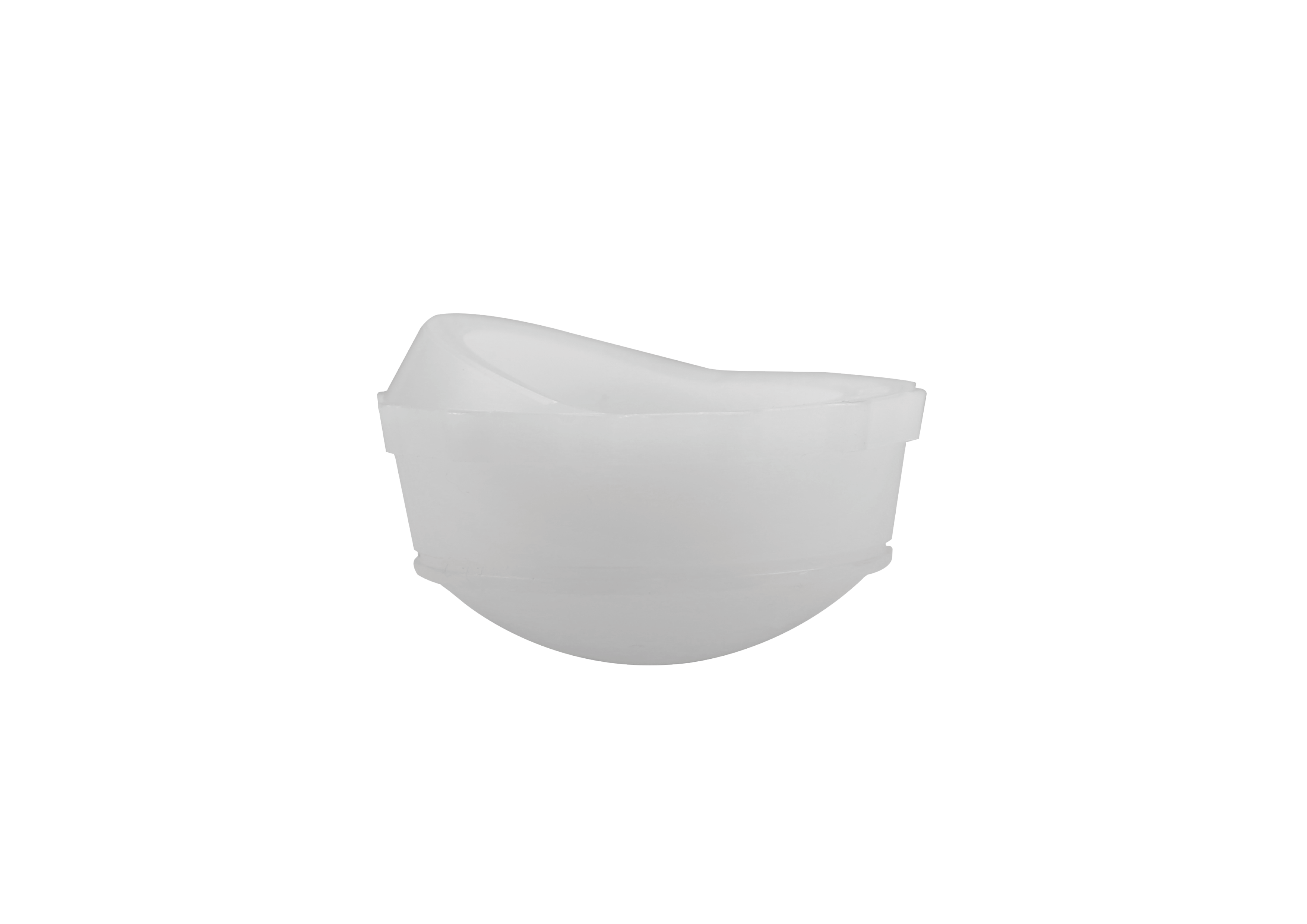
μ≈0.04–0.08, annual wear approx. 10–90 μm (depending on cross-linking degree and doping process).
HXLPE cross-links its molecular chains through high-energy irradiation, then eliminates free radicals via heat treatment or vitamin E doping; its wear rate is more than an order of magnitude lower than conventional UHMWPE.
The viscoelasticity of polyethylene absorbs impact, there is no fracture risk, and its tolerance to implantation angle is also higher.
Conclusion: if the four factors “service life × risk × cost × surgical tolerance” are weighted together, CoP is currently the best overall solution, and it is also the mainstream choice for primary replacement in Europe and the United States. It ranks second only because its absolute wear volume does not match CoC.
No. 3: Metal-on-Polyethylene (MoP)
CoCrMo head + HXLPE liner, μ≈0.10–0.15.
It has the most complete follow-up data, the lowest cost and the most mature machining chain, and it remains the default solution in many markets today.
Weaknesses: the wear rate is higher than the two above, and the metal head releases trace cobalt and chromium ions in body fluid; tribocorrosion at the taper junction (trunnionosis) has also drawn attention in recent years.
No. 4 (essentially obsolete): Metal-on-Metal (MoM)
In the early 2000s it became popular on the selling points of “large diameter, dislocation resistance, almost no wear”, and then withdrew on a large scale.
The failure mechanism is tribocorrosion rather than pure wear: under boundary lubrication the metal-on-metal interface continuously generates nanoscale particles, 2–3 orders of magnitude smaller than polyethylene particles, with an enormous surface area and rapid dissolution; once cobalt and chromium ions enter the bloodstream they cause ARMD (adverse reaction to metal debris), pseudotumours and even systemic toxicity.
It is the best teaching case: a material can be outstanding in a single property and the system built from it can still fail as a whole.
Bottom of the list: stainless steel (316L / 316LVM)
The earliest implant material; its wear resistance, pitting resistance and biocompatibility are all inferior to cobalt-based and titanium-based alloys, and its nickel content also carries a sensitisation risk.
It is no longer used in the bearing surfaces of modern total hip replacement. But please note: “last place in the hip joint” does not mean “the material is obsolete” — 316LVM (W.Nr 1.4441 / UNS S31673) is still an extremely cost-effective mainstay material in trauma internal fixation, intramedullary nails, surgical instruments and other short-to-medium-term or non-bearing applications. A ranking only holds true for a specific position.
Bearing couple ranking quick-reference table
Rank | Bearing couple | Typical materials and standards | μ | Annual wear order of magnitude | Main risks |
|---|---|---|---|---|---|
1 | Ceramic/Ceramic | Al₂O₃, ZTA (ISO 6474) | 0.01–0.02 | 5–10 μm | Brittle fracture, squeaking |
2 | Ceramic/HXLPE | Ceramic head + irradiation-cross-linked PE | 0.04–0.08 | 10–90 μm | Long-term oxidative degradation |
3 | Metal/HXLPE | CoCrMo (ASTM F75/F1537) | 0.10–0.15 | Relatively high | Metal ions, taper corrosion |
4 | Metal/Metal | CoCrMo (ISO 5832-4) | Low but unstable | Nanoscale particles | ARMD, withdrawn from market |
5 | Stainless steel bearing | 316LVM (ASTM F138) | High | High | Sensitisation, pitting |
3. Layer 2 ranking: structural and fixation materials
Structural components do not participate in friction, and the assessment criteria change completely: elastic modulus matching, fatigue strength, osseointegration capability, corrosion resistance.
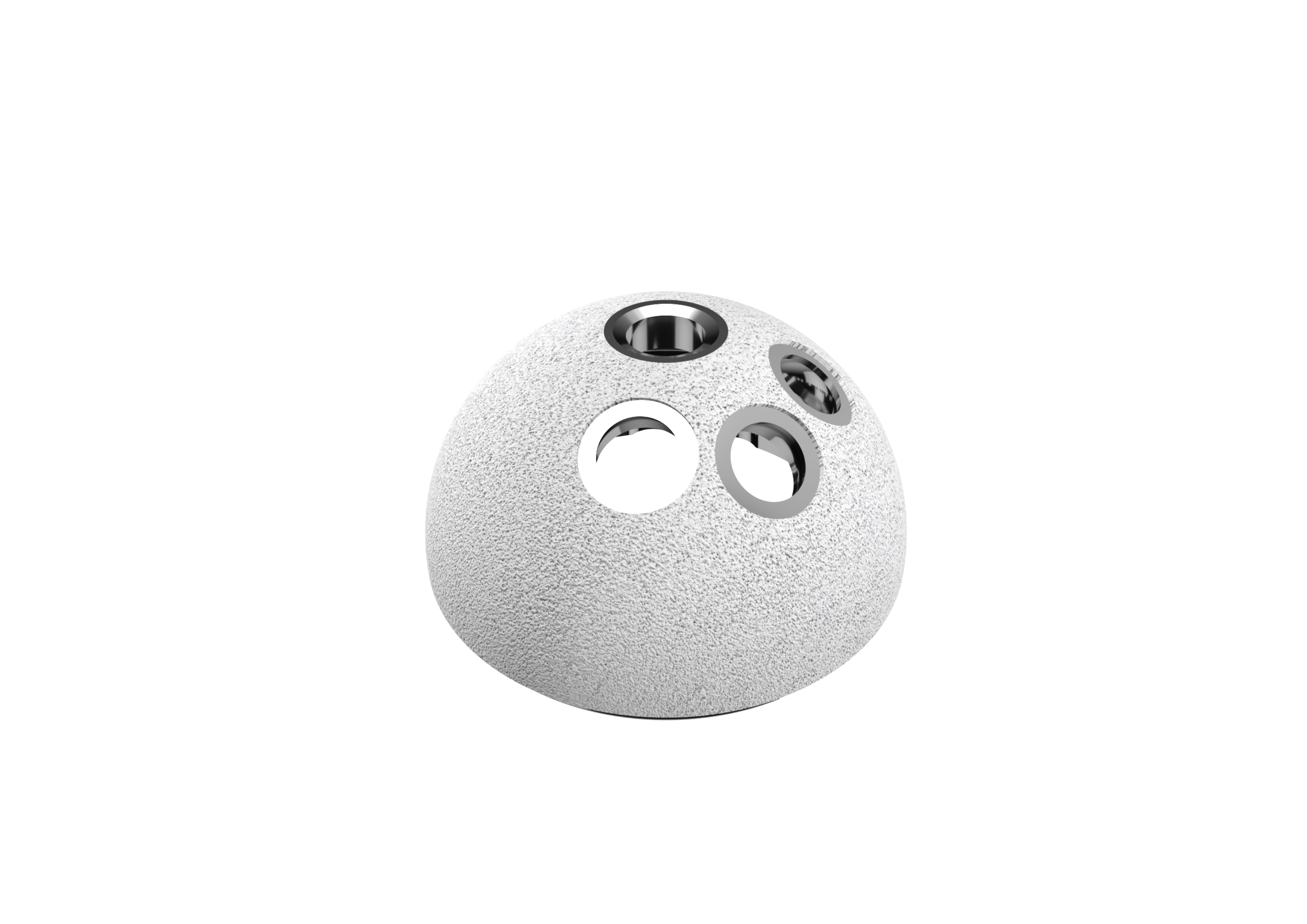
No. 1: Titanium alloy Ti-6Al-4V ELI (Grade 23, ASTM F136 / ISO 5832-3)
Titanium alloy dominates femoral stems and acetabular cups thanks to three capabilities that others find hard to satisfy at the same time:
Modulus closest to bone: titanium alloy is about 110 GPa, cobalt-chromium alloy about 220 GPa, and cortical bone about 10–30 GPa. Titanium is not “equal to bone”, but it reduces modulus mismatch to the smallest level among mainstream metals, and stress shielding is clearly milder.
Self-passivating surface: the dense TiO₂ film means almost no ion release in body fluid, and bone cells are willing to attach directly to it.
Porous layers can be produced: a porous titanium coating with a pore size of 100–500 μm and a porosity of 30–70% (grit blasting + acid etching, plasma spraying, or additive manufacturing) provides an ideal scaffold for bone ingrowth, completing the four stages of osseointegration: blood clot bed formation → bone cell migration into the pores → new bone deposition → trabecular remodelling and locking.
No. 2: Ti-6Al-7Nb (vanadium-free titanium alloy, ASTM F1295 / ISO 5832-11)
Niobium replaces vanadium, eliminating the theoretical concern over vanadium ion toxicity at the formulation level; its mechanical properties are comparable to Ti-6Al-4V and it is more strongly preferred in the European market. The price is higher cost and greater machining difficulty.
No. 3: Cobalt-chromium-molybdenum alloy (CoCr28Mo, ISO 5832-4 / ASTM F1537)
CoCr28Mo (UNS R31537) is excellent in strength, wear resistance and corrosion resistance; it is the classic material for femoral heads and cemented polished stems. However, its high modulus causes significant stress shielding, and it is now rarely used for cementless stems. Within the same family, MP35N (UNS R30035) and L605 (UNS R30605) have their own main arenas in cardiovascular and high-fatigue devices.
Special contender: porous tantalum (ASTM F560 / ISO 13782)
Tantalum’s bone ingrowth capability ranks among the very best of all metals, and the name “trabecular metal” is well deserved; but it is expensive and difficult to machine, so it is usually used for acetabular revision augments or surface coatings rather than an entire femoral stem.
Trade-offs between fixation methods
Biological fixation (press-fit + bone ingrowth): the first choice for patients with good bone quality, with the highest ceiling for long-term stability, but heavily dependent on the manufacturing quality of the porous coating and the accuracy of the initial press-fit.
Cemented fixation (PMMA): good early stability, suitable for elderly patients with osteoporosis; the long-term risks are fatigue fracture of the cement layer and formation of a fibrous membrane at the interface.
4. Layer 3 ranking: the same designation, different destinies
This is what B2B readers should care about most.
1) ELI is not a marketing suffix
Ti-6Al-4V has a standard version (Grade 5, ASTM F1472) and an extra-low interstitial version (Grade 23 / ELI, ASTM F136). ELI means that interstitial elements such as oxygen, nitrogen, carbon and hydrogen are pushed to a lower level — every step down in oxygen content is a step up in fracture toughness and fatigue life. This is exactly where the lifeline of implant-grade titanium alloy lies. Using Grade 5 as if it were Grade 23 may look “about the same” on the chemical composition sheet, but after 20 million cycles they are two different outcomes.
2) Interstitial elements depend on melting, not on inspection
The number of vacuum arc remelting (VAR) passes, the cleanliness of the charge, and the control of inclusions and segregation — if any one of them is compromised, it will eventually show up years later as a fatigue crack in the femoral stem. Inspection can only screen out non-conforming products; it cannot control good material into existence.
3) Microstructure is an invisible specification
Ti-6Al-4V is an α+β dual-phase alloy; the amount of forging / rolling deformation and the heat treatment route determine whether the grains are fine and uniform. Bars with non-uniform microstructure can differ several times over in fatigue performance, and this is completely invisible on a chemical composition certificate. Likewise, the cast and forged microstructures of CoCrMo are not the same class of product in terms of fatigue resistance.
4) Delivery condition and downstream machining
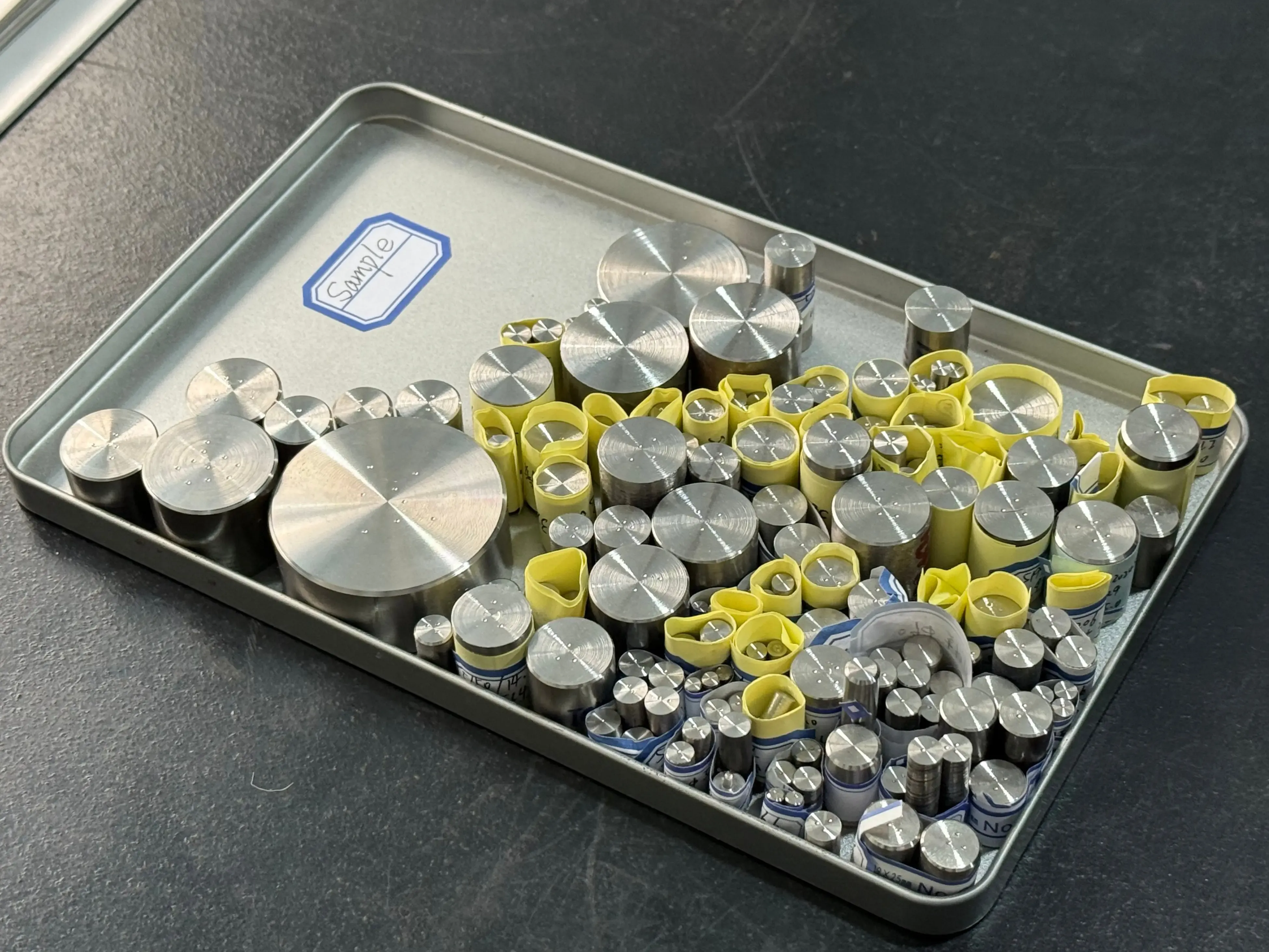
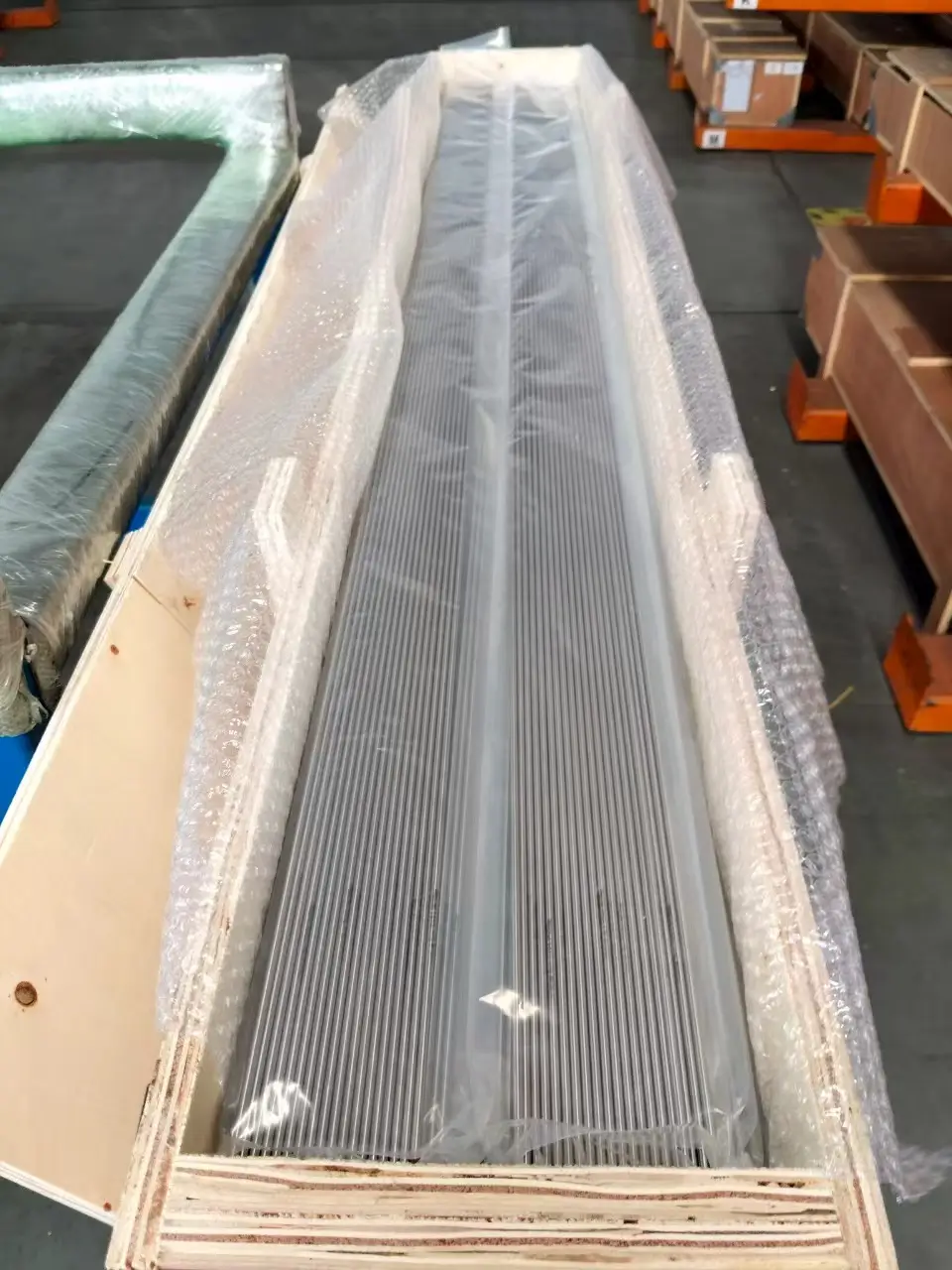
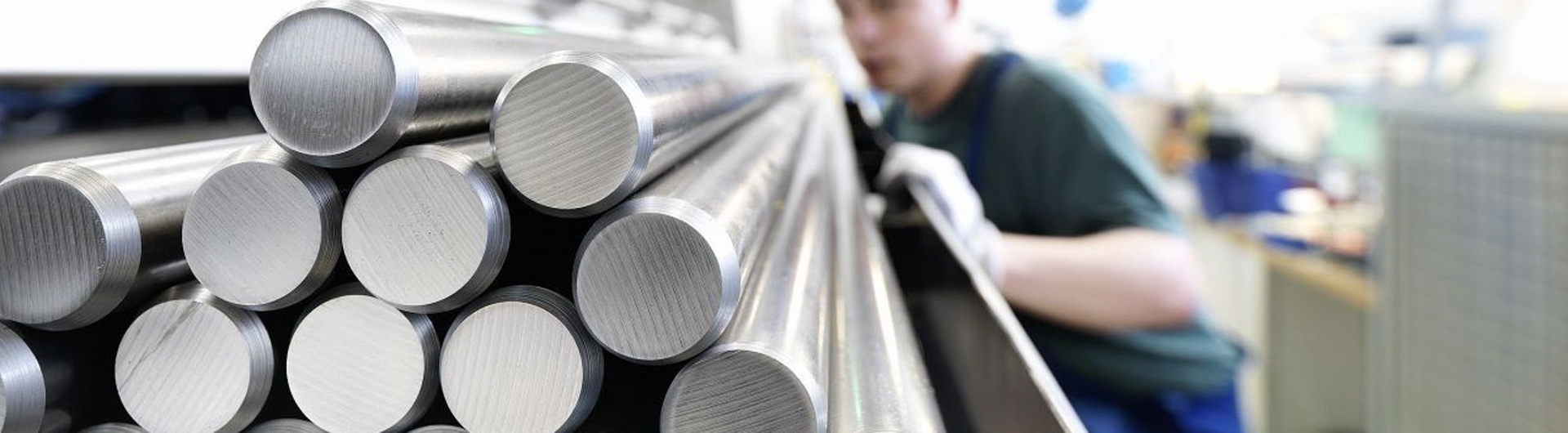
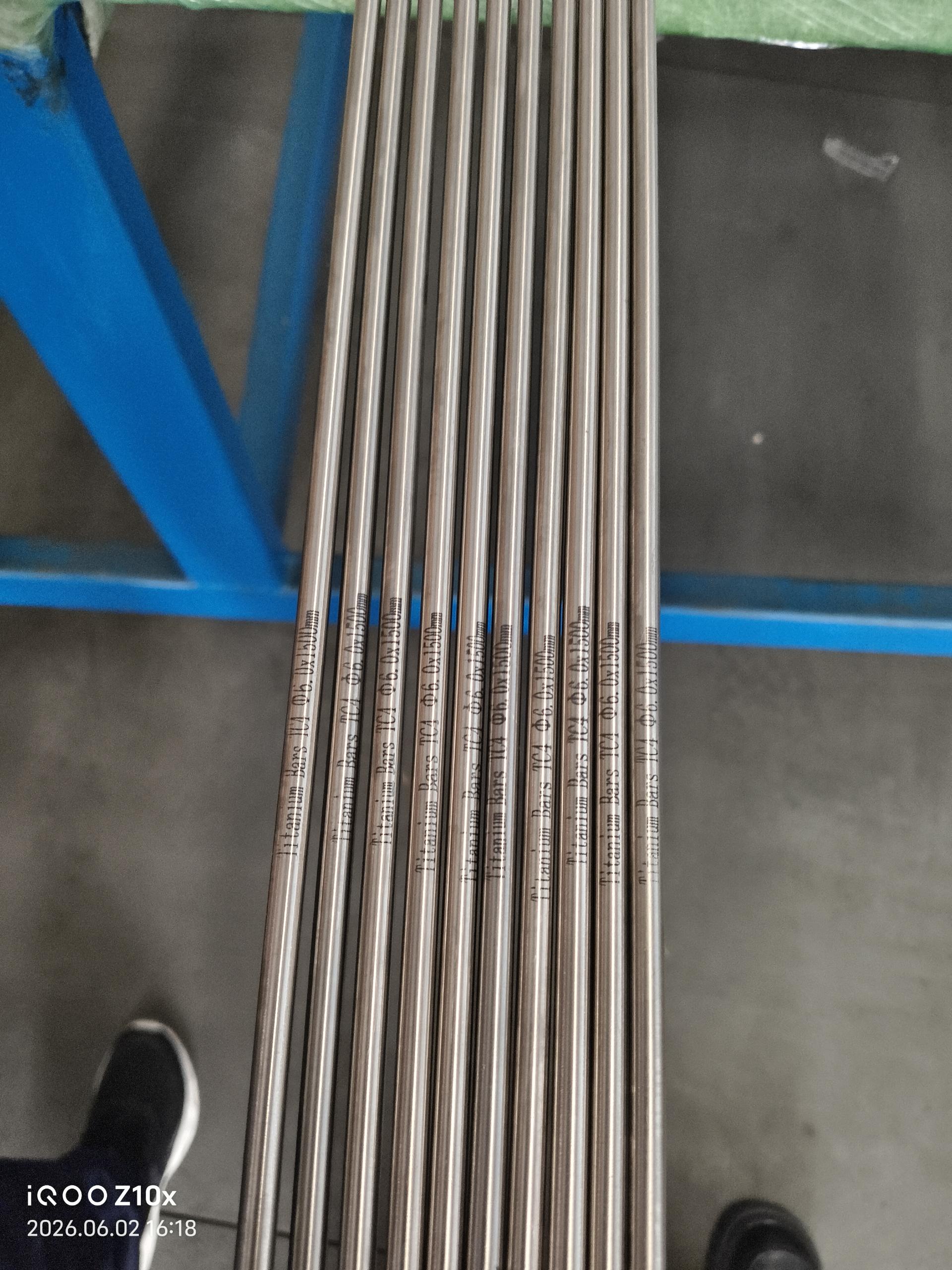
Diameter tolerance, straightness and surface roughness directly determine the machining allowance, tool wear and yield rate at the implant factory. Taking our regular supply capability at SUNXIN as an example: alloy bars in diameters of φ1.0–200 mm and lengths of 10–3600 mm, straightness up to 0.1 mm/m, outer diameter tolerance customisable to h6–h9 (−0.006 to −0.025 mm), and surface roughness controllable to ≤0.8 μm; plates T0.5–200 mm with flatness up to 0.1 mm/m; wires φ0.2–3.0 mm available in annealed, cold-drawn, hard-drawn and other strength conditions; precision tubes with OD 0.5–10 mm and ID 0.08–2.0 mm. For projects with requirements on ground condition, cut-to-length or CNC pre-machining, these parameters affect cost more than the material designation itself.
5) Traceability documents are the entry ticket, not an attachment
The implant supply chain requires heat-by-heat traceability. EN 10204 3.1 material certificates, a declaration of the applicable standard (ASTM F136 / ISO 5832-3 rather than only F1472), chemical composition and mechanical property reports, microstructure and ultrasonic testing reports, plus the supplier’s ISO 13485 certification (not only ISO 9001) together form the basis for judging whether a material is “usable for implants”. SUNXIN’s quality system is certified to both ISO 9001 and ISO 13485, with full records kept from raw material IQC and in-process IPQC through to outgoing OQC; our products cover the trauma, spine, joint, sports medicine, cardiovascular and dental fields, and are exported to more than 40 countries and regions.
5. Layer 4 ranking: the “real ranking” from the B2B sourcing perspective
Clinically optimal ≠ optimal for the project. Once availability, machinability and compliance cost are included, the ranking is reshuffled:
Dimension | Best choice | Notes |
|---|---|---|
Long-term wear performance | Ceramic/Ceramic | Requires precision implantation support; concentrated supply chain |
Overall risk–cost balance | Ceramic head + HXLPE liner + titanium alloy cup and stem | The current global mainstream combination, and the most stable starting point for defining a product |
Versatility of structural components | Ti-6Al-4V ELI (Grade 23) | Complete range of specifications, mature machinability, well-developed documentation system |
Solution for metal-sensitive patients | Ti-6Al-7Nb / ceramic bearing couple | Vanadium-free, nickel-free route |
Revision and bone defect reconstruction | Porous tantalum | Strongest bone ingrowth, highest cost |
Short-to-medium-term devices and instruments | 316LVM, martensitic stainless steel (e.g. 1.4112 / 440C) | Not used in bearing surfaces, but the most cost-effective |
In practice, what actually holds up project schedules is usually not “which material to choose”, but: can we obtain a φ12 mm bar compliant with F136 during small-batch trial production? Will a special diameter require a minimum order quantity? Can the lead time fit into the R&D milestone? This is also why we insist on no strict MOQ, support for small batches and non-standard customisation, and more than 100 tons of stock — material availability during the R&D stage directly determines project speed.

6. The five most common material selection misconceptions
“Ceramic is the best, so use ceramic for everything.” Ceramic cannot be used for the femoral stem — it cannot withstand the bending fatigue load inside the medullary canal.
“Titanium alloy is wear-resistant, so it can be used for the femoral head.” Quite the opposite: titanium alloy has low surface hardness and poor resistance to adhesive wear, making it unsuitable for a bearing couple. That is exactly why titanium stems are paired with ceramic or cobalt-chromium heads.
“The lower the modulus the better.” Too low sacrifices strength and stability; the goal is matching, not minimisation.
“The same designation means the same performance.” See Layer 3: the standard version, the melting route and the microstructural condition determine actual fatigue life.
“Stainless steel is already obsolete.” In hip joint bearing surfaces, yes; in internal fixation and instruments, absolutely not.
7. FAQ: common questions
Q1: Hip replacement materials best to worst — how would you rank them in one sentence?
Bearing couples: Ceramic/Ceramic > Ceramic/HXLPE > Metal/HXLPE > Metal/Metal (obsolete) > stainless steel. Structural components: Ti-6Al-4V ELI > Ti-6Al-7Nb > CoCrMo, with porous tantalum forming its own category in revision cases.
Q2: Can a ceramic femoral head fracture?
The fracture rate of modern fourth-generation ceramics is already below 1%, and most cases relate to trauma or deviation in implantation angle. If you want low wear while avoiding fracture risk, a ceramic head + HXLPE liner is the safer compromise.
Q3: Which is really better, titanium alloy or ceramic?
They do not compete in the same position. Titanium alloy is used for the femoral stem and acetabular cup (structural components), and ceramic for the femoral head and liner (bearing couple). A high-quality implant usually has both.
Q4: Why was metal-on-metal abandoned?
The core issue is not the wear volume but the nanoscale cobalt-chromium particles and metal ions produced by tribocorrosion, which can cause ARMD, pseudotumours and systemic reactions, with a markedly higher revision rate.
Q5: How should patients with metal allergy choose?
Nickel is the most common sensitising source. Titanium alloy, vanadium-free Ti-6Al-7Nb or a ceramic bearing couple can be chosen, and a patch test is recommended for assessment before surgery.
Q6: How many years does a hip replacement last?
Provided that implantation is performed correctly, the material is compliant and use is reasonable, 15–20 years or more is already very common for mainstream modern implants, and the long-term data for CoC and CoP combinations is particularly good. The real variable in service life often lies not in the name of the material, but in manufacturing consistency and interface design.
Q7: What is the difference between ASTM F136 and ASTM F1472, and which should be specified when purchasing?
F136 corresponds to Ti-6Al-4V ELI (Grade 23), with stricter control of interstitial elements, and is the material for implants; F1472 corresponds to Grade 5 and is used for general industry and some non-implant devices. For implant parts, please explicitly specify F136 / ISO 5832-3 and write the certificate requirements into the order.
Q8: Which documents should be requested from an alloy supplier to be compliant?
At least five: the EN 10204 3.1 heat-by-heat material certificate, a declaration of the applicable standard, chemical composition and mechanical property reports, microstructure and ultrasonic testing reports, and the supplier’s ISO 13485 certificate. On top of this, SUNXIN can also provide customised diameters, cut-to-length, heat treatment conditions and CNC pre-machining, helping to reduce secondary machining steps.
Q9: What is the difference between highly cross-linked polyethylene and conventional polyethylene?
HXLPE improves wear resistance through irradiation cross-linking, then suppresses oxidative degradation via heat treatment or vitamin E doping; its wear rate is more than an order of magnitude lower than conventional UHMWPE, and it is the current mainstream liner material.
Q10: Can implant-grade material be obtained during a small-batch R&D stage?
Yes. The key for such requirements is whether the supplier accepts non-standard specifications and small batches. We (SUNXIN) do not set a strict MOQ and keep more than 100 tons in stock, covering grades such as Ti Grade 1–4, Ti-6Al-4V, Ti-6Al-4V ELI, Ti-6Al-7Nb, CoCr28Mo (CCM), MP35N, L605, tantalum (R05400), NiTi and 316LVM.
Conclusion: at the end of the ranking lies manufacturing consistency
Back to the original question. On bearing surfaces, ceramic-on-ceramic is optimal, ceramic-on-polyethylene is the most balanced, metal-on-polyethylene is the most classic, metal-on-metal is out, and stainless steel comes last; on structural components, titanium alloy ELI is the standard answer for femoral stems and acetabular cups, cobalt-chromium-molybdenum has retreated to cemented stems and femoral heads, and porous tantalum shines in revision scenarios.
But what really determines whether an implant can last more than 20 years has never been the name of the material — it is the melting route, the applicable standard and the batch traceability behind that name. Every late failure can be traced back to that one heat number at the time of shipment.
SUNXIN is a factory-level manufacturer of stainless steel, titanium alloys, cobalt-based alloys, tantalum alloys and nickel-titanium alloys, certified to ISO 9001 and ISO 13485, supplying bars, wires, plates and precision tubes to ASTM / ISO / EN / AMS standards, together with EN 10204 3.1 full traceability documentation. If your team is selecting materials for a joint, spine or trauma project, bring your drawings and standards — you are welcome to contact us.
Related News
-
 Introduction: Why This Comparison Matters More Than You ThinkWhen sourcing stainless steel for industrial, medical, or manufacturing applications, one of the most common—and critical—decisions buyers face is choosing between 304 and 316 stainless steel.At first glance, they look nearly identical. Bo