Additional Info
A Brief History of CoCr28Mo Alloy 2
CoCr28Mo Alloy 2, also known as CCM CoCr28Mo Alloy 2, ASTM F1537 Alloy 2, ISO 5832-12 Alloy 2 or UNS R31538, is a high-carbon cobalt-chromium-molybdenum (Co-Cr-Mo) alloy belonging to the category of medical and high-wear-resistant engineering materials.
Its key characteristics include high strength, high hardness, wear resistance, corrosion resistance and good biocompatibility. Compared with the low-carbon CoCr28Mo Alloy 1, it achieves higher hardness and wear resistance through a higher carbon content, making it more suitable for high-friction, high-load components subject to long-term contact, sliding and cyclic loading, such as artificial joint bearing pairs, wear-resistant bushings and valve seats.
How Was The CCM CoCr28Mo Alloy 2 Developed
The history of CoCrMo alloys in medical and dental applications dates back to the first half of the 20th century—as they are more corrosion-resistant than many traditional metals and better suited to long-term contact with the human body, they were adopted early on for dental restorations, surgical implants and highly corrosion-resistant components. With the development of artificial joints, dental restorations and high-load wear-resistant components, the requirements became increasingly clear: components must not only be corrosion-resistant and biocompatible, but also capable of withstanding repeated friction, contact stresses and long-term wear.
Low-carbon CoCrMo can meet the requirements of many implants and precision components; however, for artificial joint friction pairs, wear-resistant bushings, valve seats and sliding contact components, the material requires even higher hardness and wear resistance. CoCr28Mo Alloy 2 is specifically designed for such high-friction, high-load components; its key distinction from low-carbon grades lies in its carbon content.
Alloy 2 has a carbon content of 0.15–0.35 per cent, which is significantly higher than that of low-carbon CoCrMo. The higher carbon content promotes the formation of more carbides, thereby enhancing hardness and wear resistance; whilst approximately 26.00–30.00 per cent chromium and approximately 5.00–7.00 per cent molybdenum continue to provide fundamental corrosion resistance and strength—chromium forms a stable corrosion-resistant film, whilst molybdenum enhances strength and stability in corrosive environments. The high-carbon design further enhances wear resistance on this basis, making it more suitable for high contact stress and long-term friction conditions.
Consequently, CoCr28Mo Alloy 2 achieves a tensile strength of ≥1172 MPa and a hardness of approximately 35 HRC in the warm-worked condition, making it suitable for components requiring high levels of hardness, strength and wear resistance. Its composition range, mechanical properties and material condition requirements are also specified in the CoCrMo medical alloy standards, such as ASTM F1537 and ISO 5832-12.
Early Applications Of CCM CoCr28Mo Alloy 2
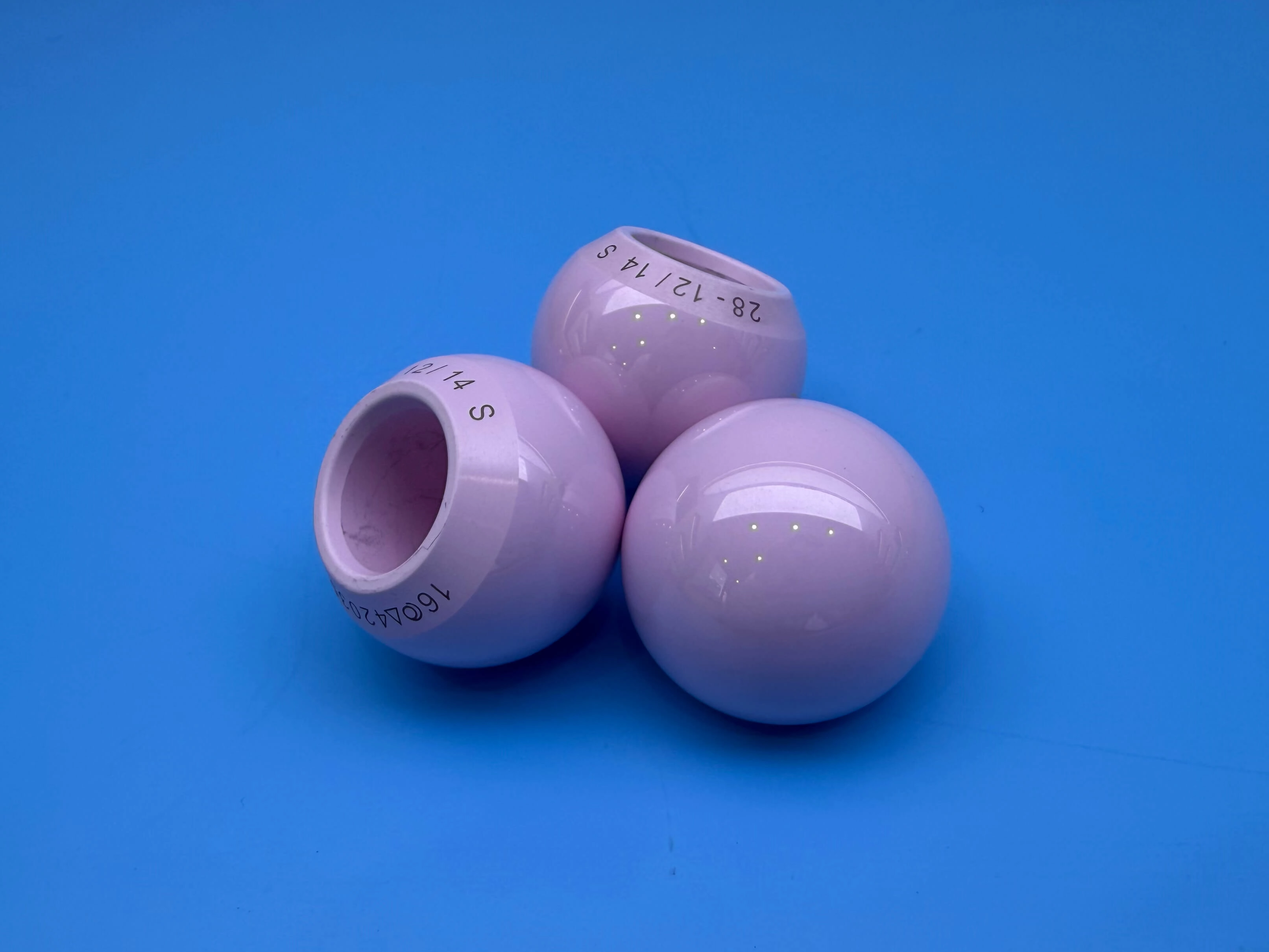
CoCr28Mo Alloy 2 was initially used primarily for high-wear medical components and wear-resistant engineering parts. Artificial hip joint heads, knee joint components, joint friction pairs, dental restorations and wear-resistant implant components were among the earliest applications. These components are subjected to prolonged contact, sliding, friction and cyclic loading, and therefore require high levels of hardness, corrosion resistance and surface stability.
The industrial and mechanical sectors also began using high-carbon CoCrMo materials at an early stage, for applications such as valve seats, pump liners, sealing rings, wear-resistant plates and sliding contact components, where the material must remain stable under operating conditions involving both wear and corrosion.
Current Applications Of CCM CoCr28Mo Alloy 2
Currently, CoCr28Mo Alloy 2 is primarily used in medical wear-resistant components, industrial wear-resistant components and high-load friction parts; it is also suitable for certain aerospace and precision mechanical components. It is particularly well-suited to components requiring high hardness, high wear resistance, corrosion resistance and the ability to withstand high-load friction simultaneously.
Common applications include:
Medical: artificial hip joint heads, knee joint components, dental restorations, wear-resistant implants and joint friction pairs.
Aerospace: High-wear-resistant bushings, valve seats, specialised load-bearing wear-resistant components, and corrosion-resistant small wear parts.
Industrial: High-wear-resistant valve seats, pump bushings, sealing rings, wear-resistant plates, and corrosion-resistant wear-resistant mechanical components.
Mechanical Engineering: High-wear-resistant joint bushings, sliding contact surfaces, wear-resistant blocks for grippers, and precision friction pair components.
Sunxin’s CoCr28Mo Alloy 2 Supply Support
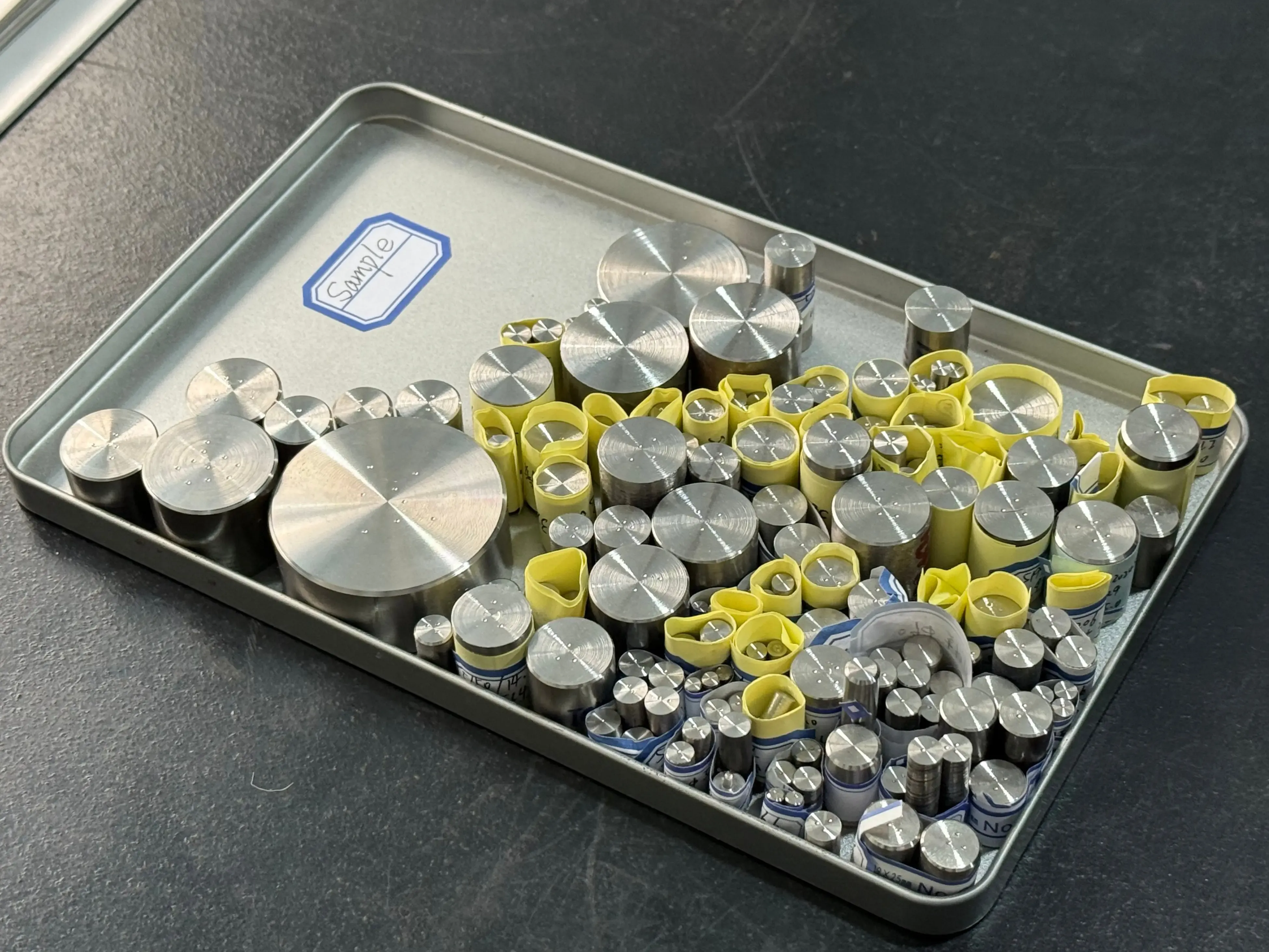
Sunxin supplies CoCr28Mo Alloy 2 in the form of plates, bars, wire and custom-cut dimensions, and can meet the requirements of standards such as ASTM F1537 and ISO 5832-12 in accordance with product form, end use and customer drawings (specific applicable standards must be confirmed in conjunction with the material form, customer drawings, procurement specifications and end use).
Available specifications include:
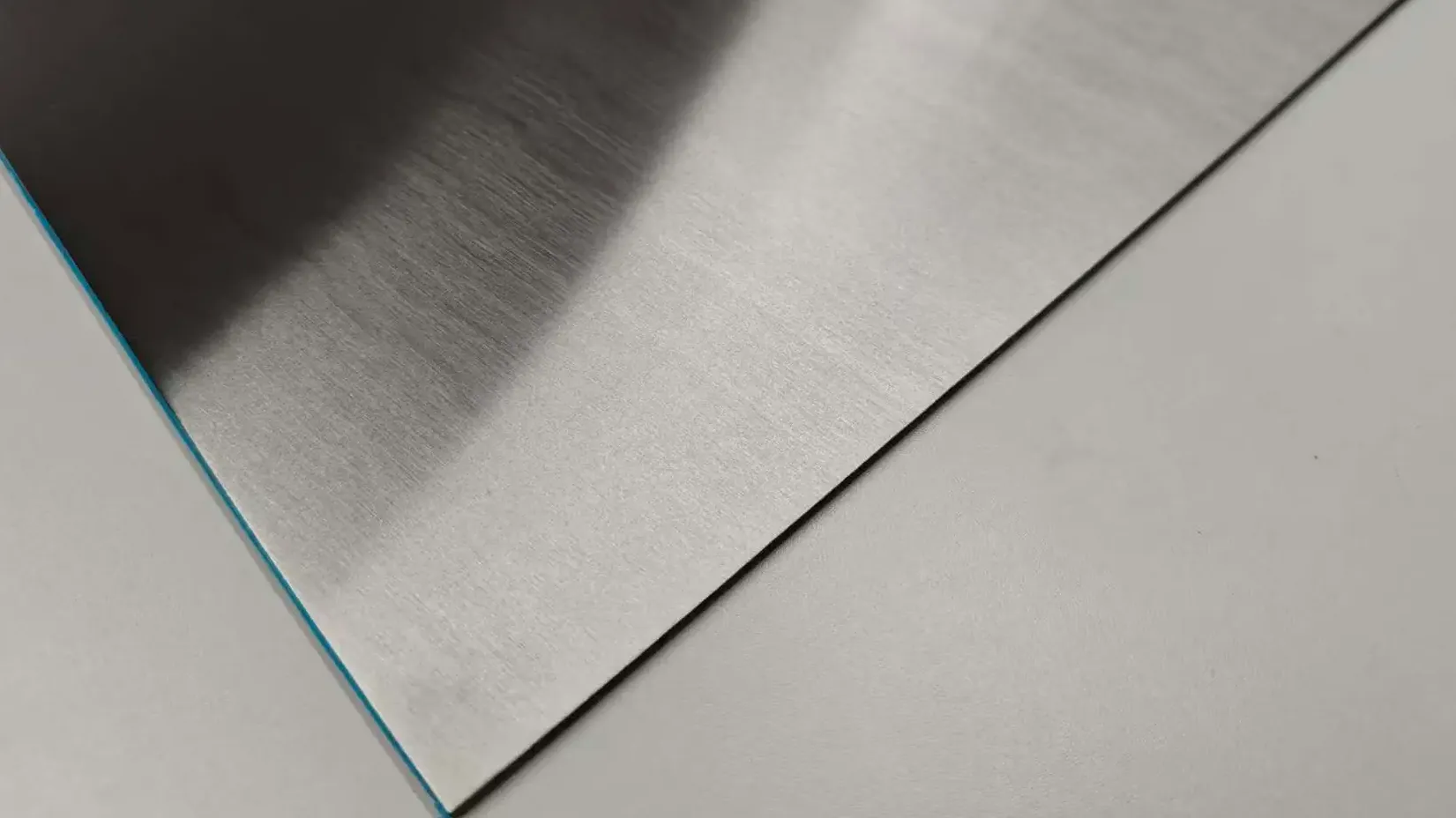
Sheets: T0.5–T200.0 mm, milled surface, standard lengths 200 / 250 / 300 mm, widths 200 / 300 / 500 / 1000 mm, tolerance -0.0 / +1.0 mm; available in annealed, hot-worked or warm-worked conditions.
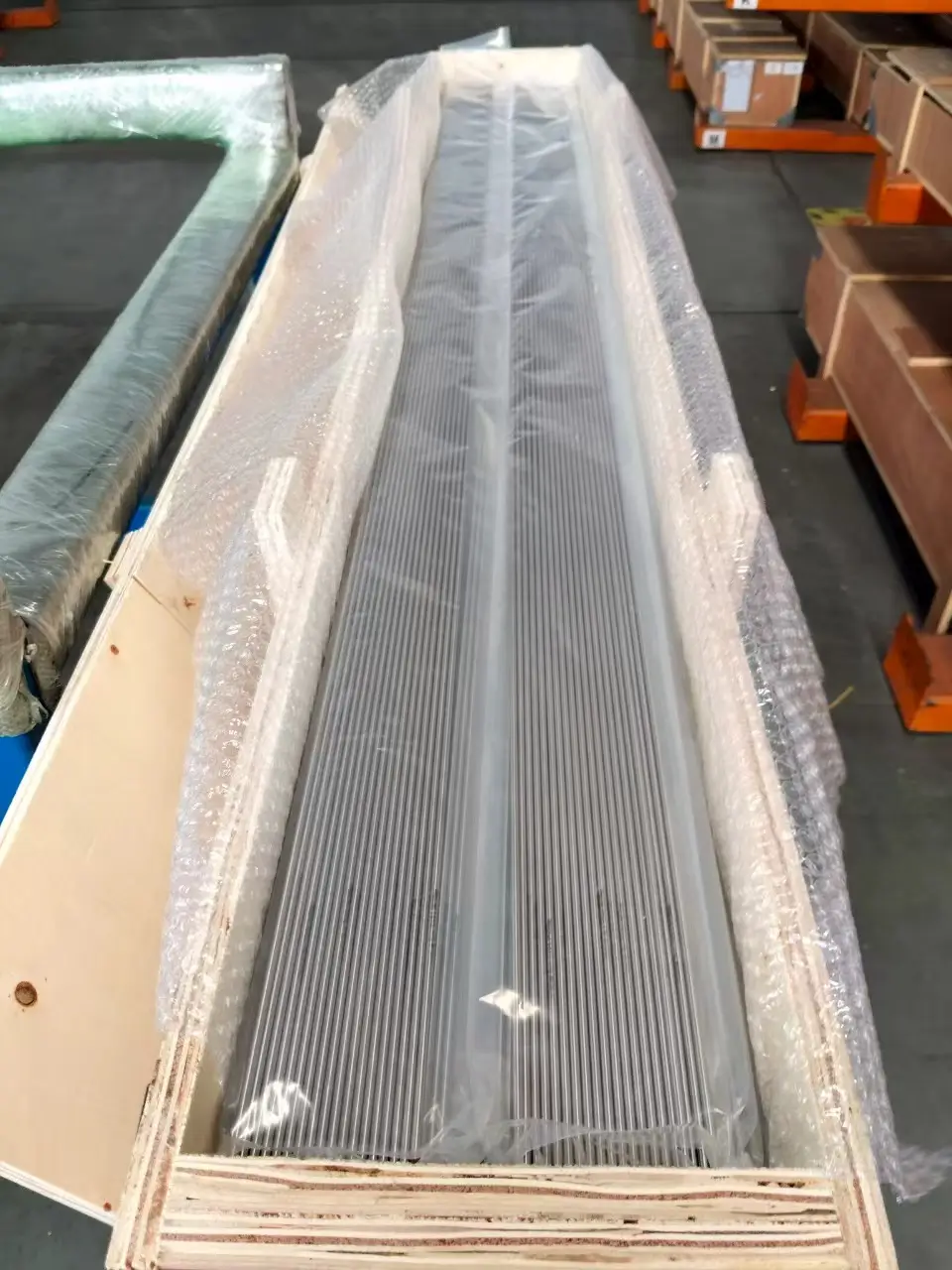
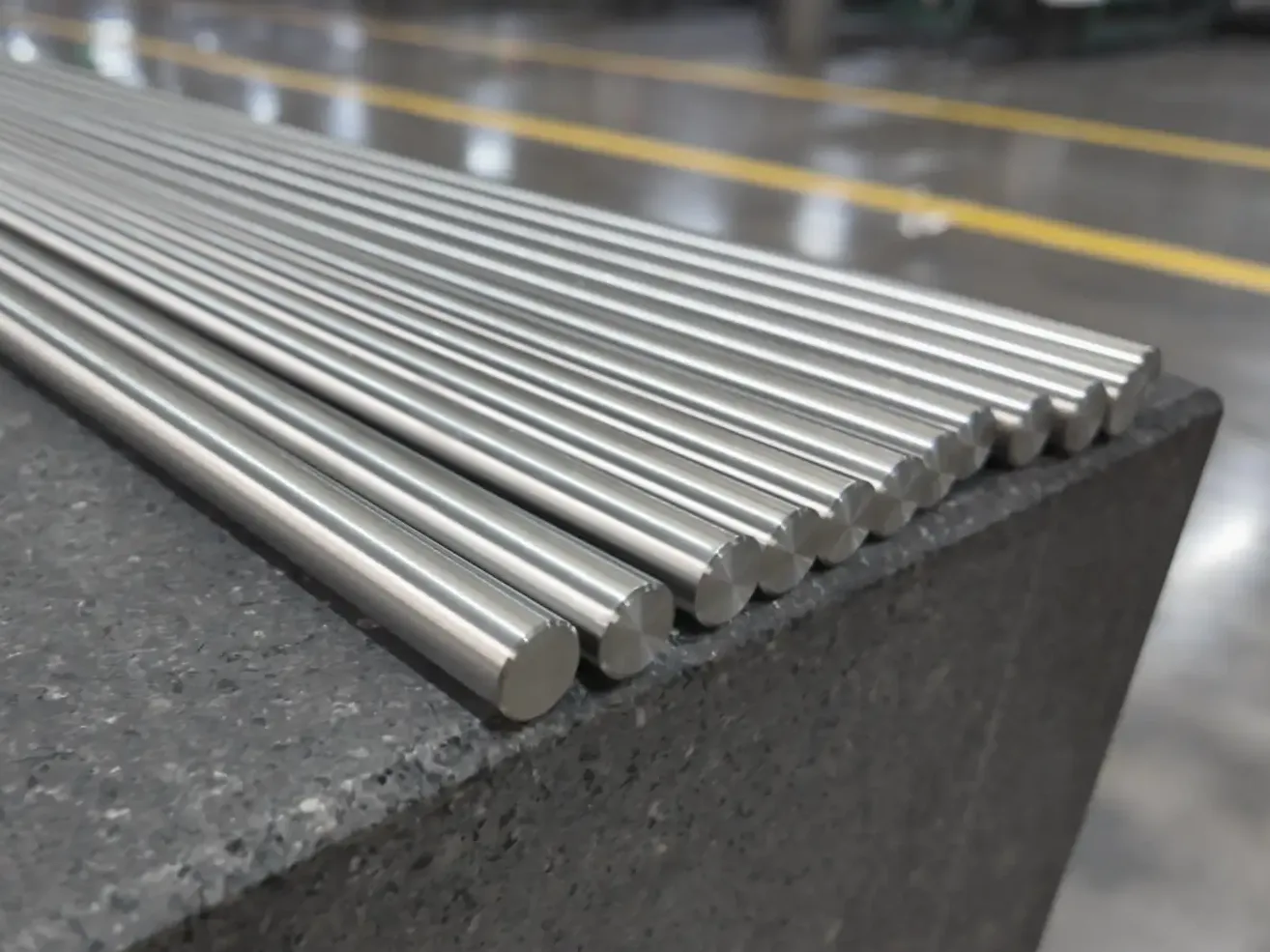
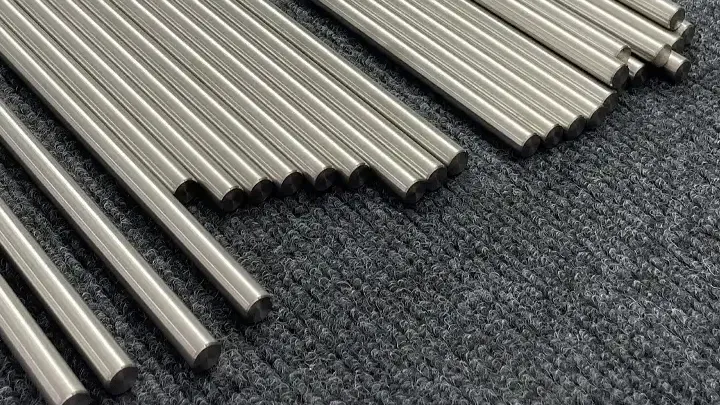
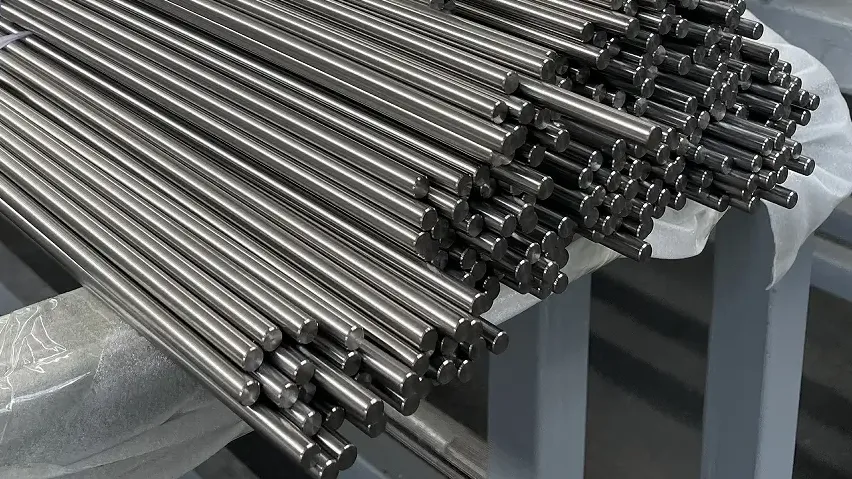
Bars: Φ3.0–Φ200.0 mm, polished or precision-polished, standard length 3 m/piece, tolerances to be confirmed as h6–h9, available in annealed, hot-worked or warm-worked conditions.
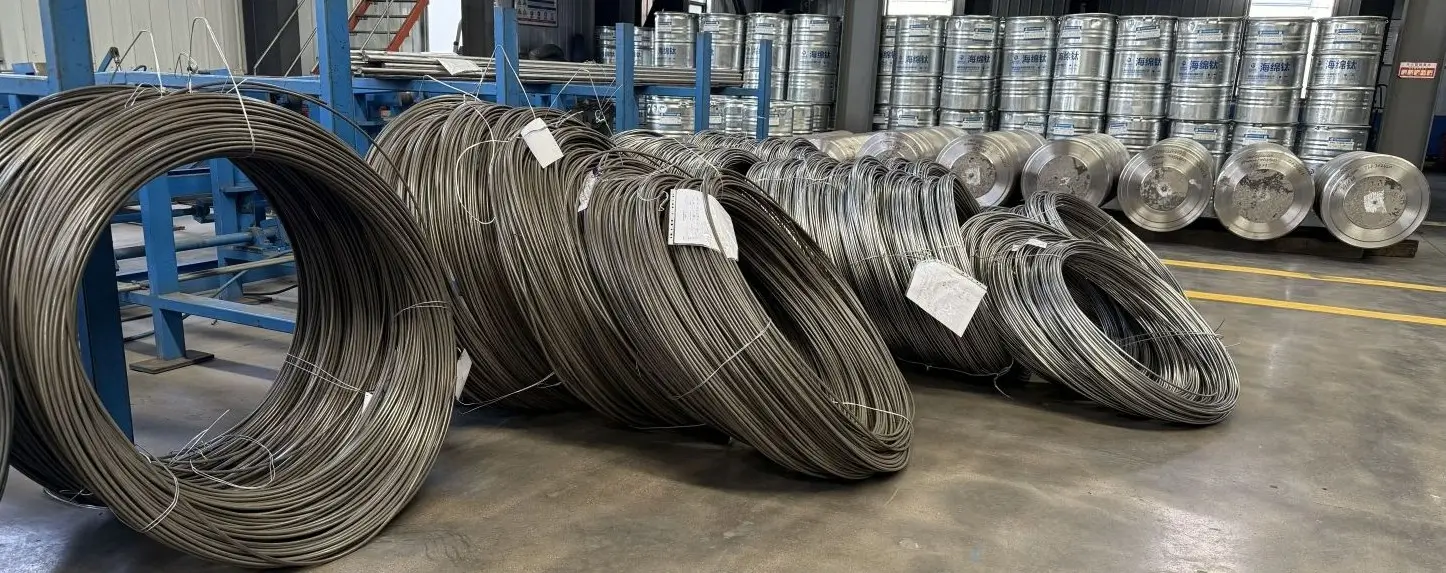
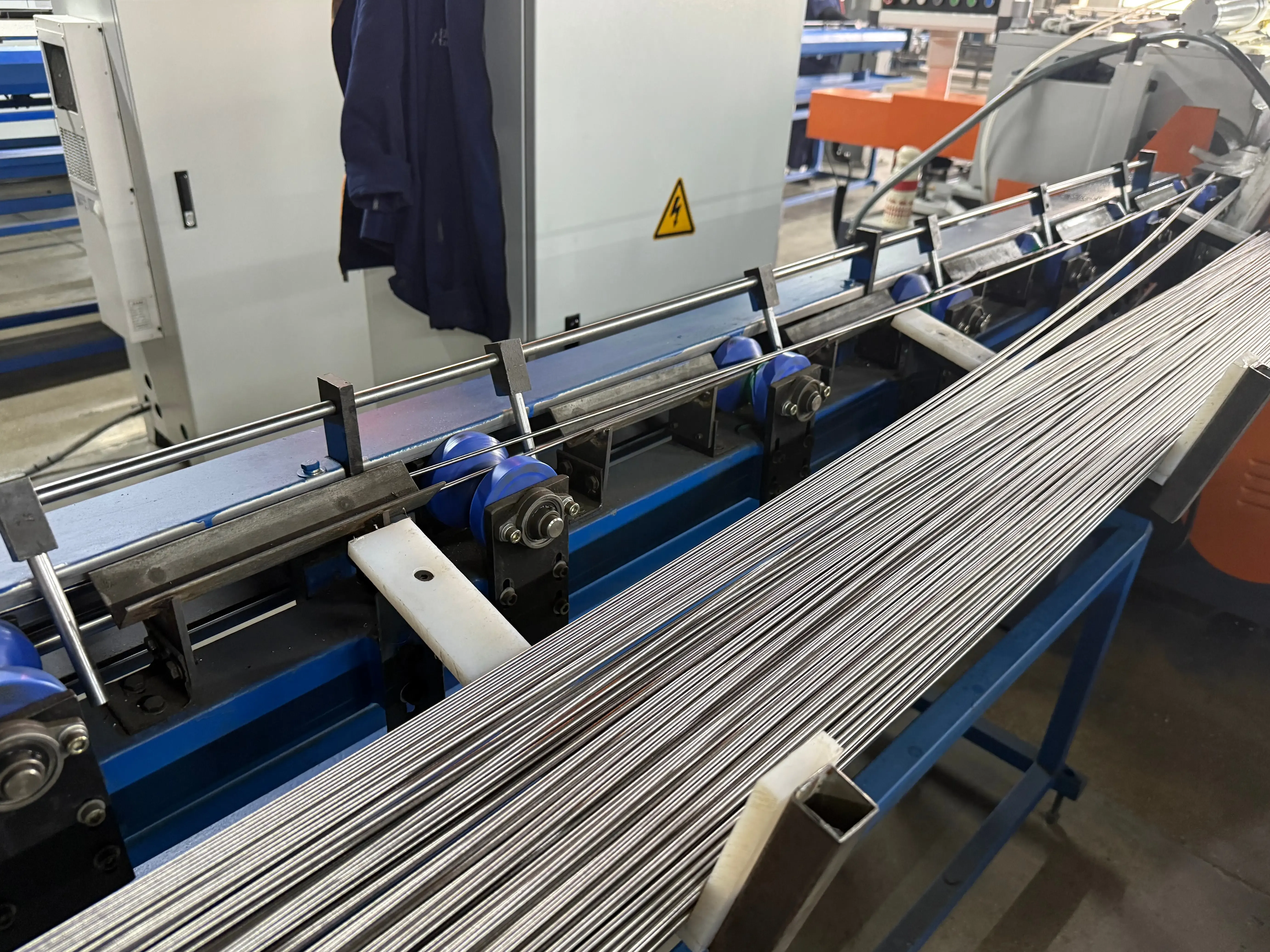
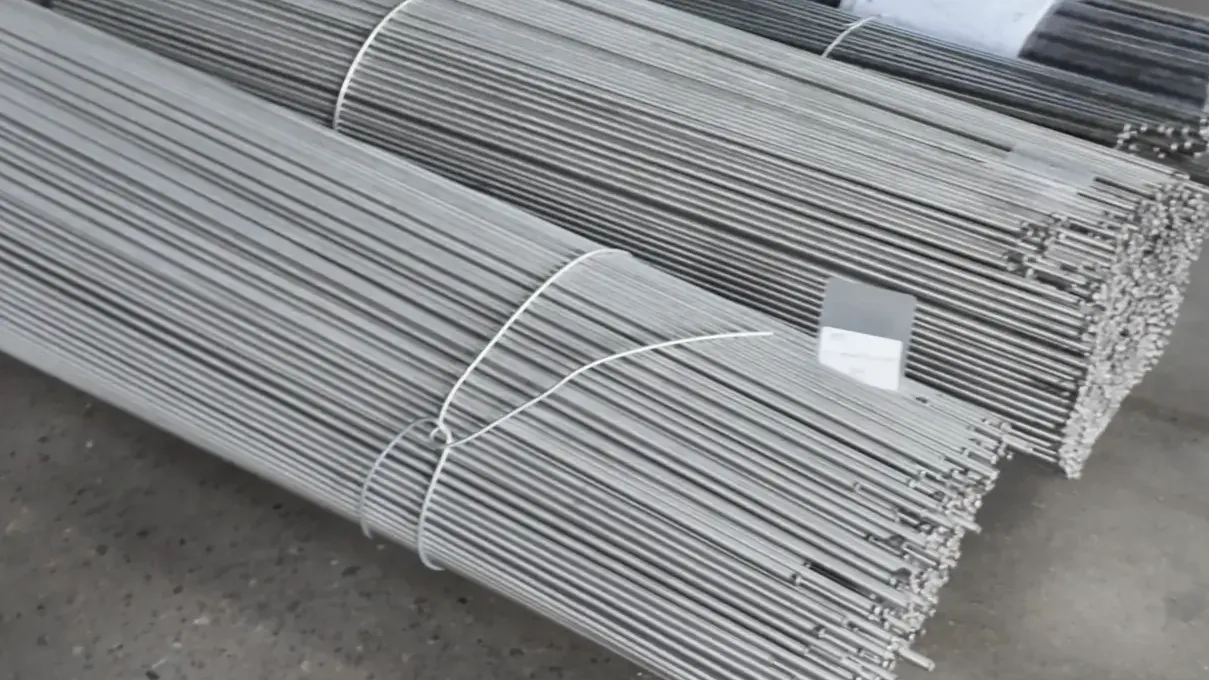
Wire: Φ1.0–Φ3.0 mm, polished or precision-polished, standard length 1 m per piece, tolerances to be confirmed as h6–h9; available in annealed, hot-worked or warm-worked conditions.
Prior to production, it is recommended to confirm the material form, delivery condition, dimensions, tolerances, surface finish and applicable standards. When used for high-wear medical components, artificial joint friction pairs, wear-resistant bushings, valve seats and high-load friction parts, it is also necessary to confirm the chemical composition, mechanical properties, hardness requirements, wear resistance requirements, inspection items, quality documentation and traceability requirements.
Sunxin is certified to the ISO 13485 and ISO 9001 quality management systems and can support batch management, traceability control, testing coordination and quality documentation management.