Additional Info
A Brief History of 420Mod Stainless Steel
420Mod stainless steel is a martensitic stainless steel developed from the 420 stainless steel series. In medical applications, it is typically associated with modified 420 materials such as 1.4123 / X40CrMoVN16-2, ASTM F899 420Mod, or similar specifications.
The core purpose of 420Mod is straightforward: to enhance the wear resistance, edge retention, polishability and corrosion resistance of the material compared to standard 420 stainless steel. Taking a common medical-grade 420Mod type as an example, its typical composition may include approximately 0.37–0.45% carbon, 15.00–16.50% chromium, 1.50–1.90% molybdenum, 0.16–0.25% nitrogen, and 0.20–0.40% vanadium. These elements help to improve the material’s hardenability, corrosion resistance, microstructural control and edge stability.
As 420Mod may vary across different standards or supplier systems, the specific chemical composition, delivery condition and project standards should be confirmed prior to actual procurement.
How was the 420Mod developed
Standard 420 stainless steel can be hardened through heat treatment and is commonly used in instruments and tools. However, for many medical instruments, the performance of standard 420 is sometimes insufficient.
Scissors, drill bits, screwdrivers, chisels, saw blades, dental instruments and other precision instruments require not only hardness, but also a stable heat treatment response, good polishability, reliable edge retention, and corrosion resistance following cleaning, polishing or passivation.
420Mod was developed specifically to address these practical challenges. By controlling the carbon content and, in some variants, adding elements such as molybdenum, nitrogen and vanadium, the material achieves superior wear resistance and surface stability compared to traditional 420 stainless steel.
Following appropriate heat treatment, certain 420Mod / 1.4123 grade materials can achieve a hardness of approximately 57 HRC or higher, depending on the material specification, cross-sectional dimensions and heat treatment process. In the annealed condition, the material has a lower hardness, facilitating machining prior to final hardening.
Early applications of 420Mod
420Mod was originally developed for applications where standard 420 stainless steel lacked sufficient performance stability.
Early applications included surgical instruments, dental tools, cutting tools, drill bits, screwdrivers, chisels, saw blades and precision tool components. These parts typically need to withstand repeated contact, cutting forces, sterilisation cycles or high surface quality requirements.
In these applications, hardness alone is not sufficient. If the microstructure is unstable, tools may suffer from poor edge retention; if polishing performance is poor, surface defects may affect subsequent use; and if corrosion resistance is inadequately controlled, performance after cleaning or passivation will also be compromised.
This is where 420Mod demonstrates its value: it offers a more controlled martensitic stainless steel option than standard 420 for the manufacture of high-demand instruments.
Current applications of 420Mod
Today, 420Mod is primarily used in medical devices, dental instruments, cutting tools and precision wear-resistant components.
Common applications include:
Medical and surgical instruments: scissors, forceps components, scalpels, blades, drill bits, screwdrivers, chisels, saw blades, reamers, clamps and other reusable instrument components.
Dental instruments: dental burs, drive tools, cutting tools, and small precision components requiring hardness and corrosion resistance.
Precision mechanical parts: pins, shaft components, small wear-resistant parts, polished components, and parts requiring dimensional stability after heat treatment.
Tools and wear-resistant applications: cutting tools, nozzles, wear-resistant parts, and components requiring a balance of hardness, edge stability and corrosion resistance.
When the wear resistance or edge retention of standard 420 is insufficient, yet higher-carbon grades such as 440B or 440C are too hard, may not be suitable for polishing and fitting, or the project does not require such high hardness, 420Mod is a more viable option to consider.
Sunxin’s 420Mod stainless steel supply support
Sunxin supplies 420Mod stainless steel to customers requiring modified martensitic stainless steel, suitable for medical devices, dental instruments, precision components and wear-resistant applications.
As 420Mod may correspond to different modified 420 specifications, we can assist customers in confirming the material grade, chemical composition, target hardness, heat treatment condition, surface requirements and applicable standards prior to supply.
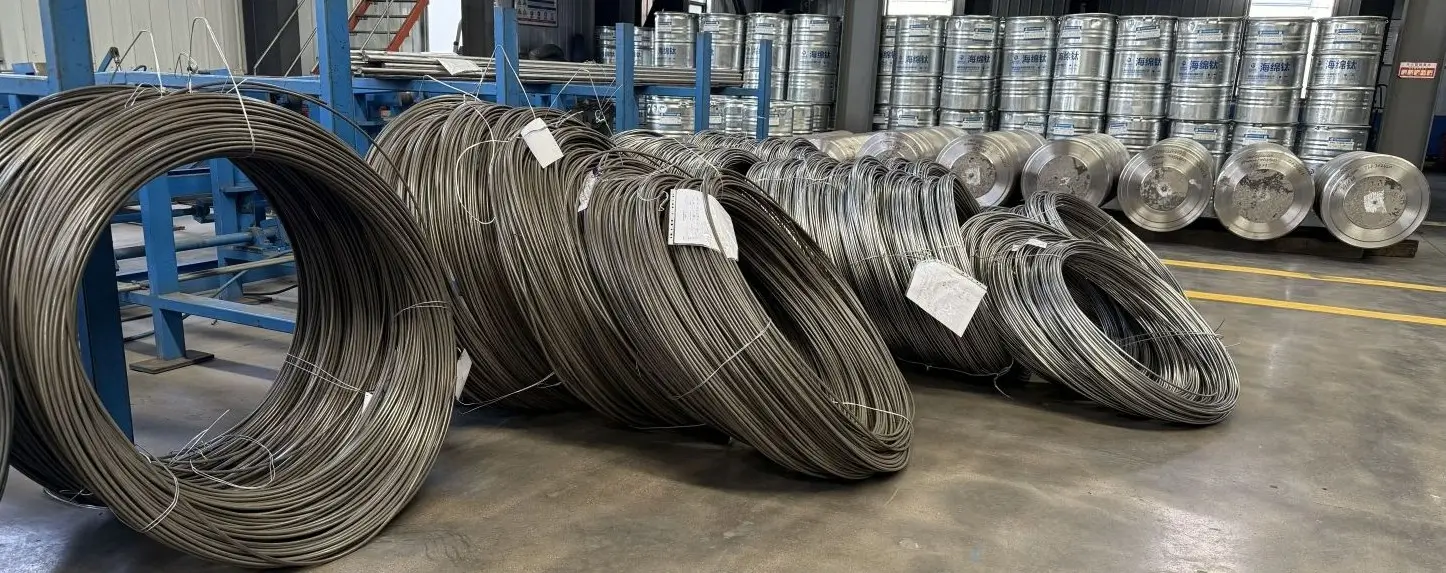
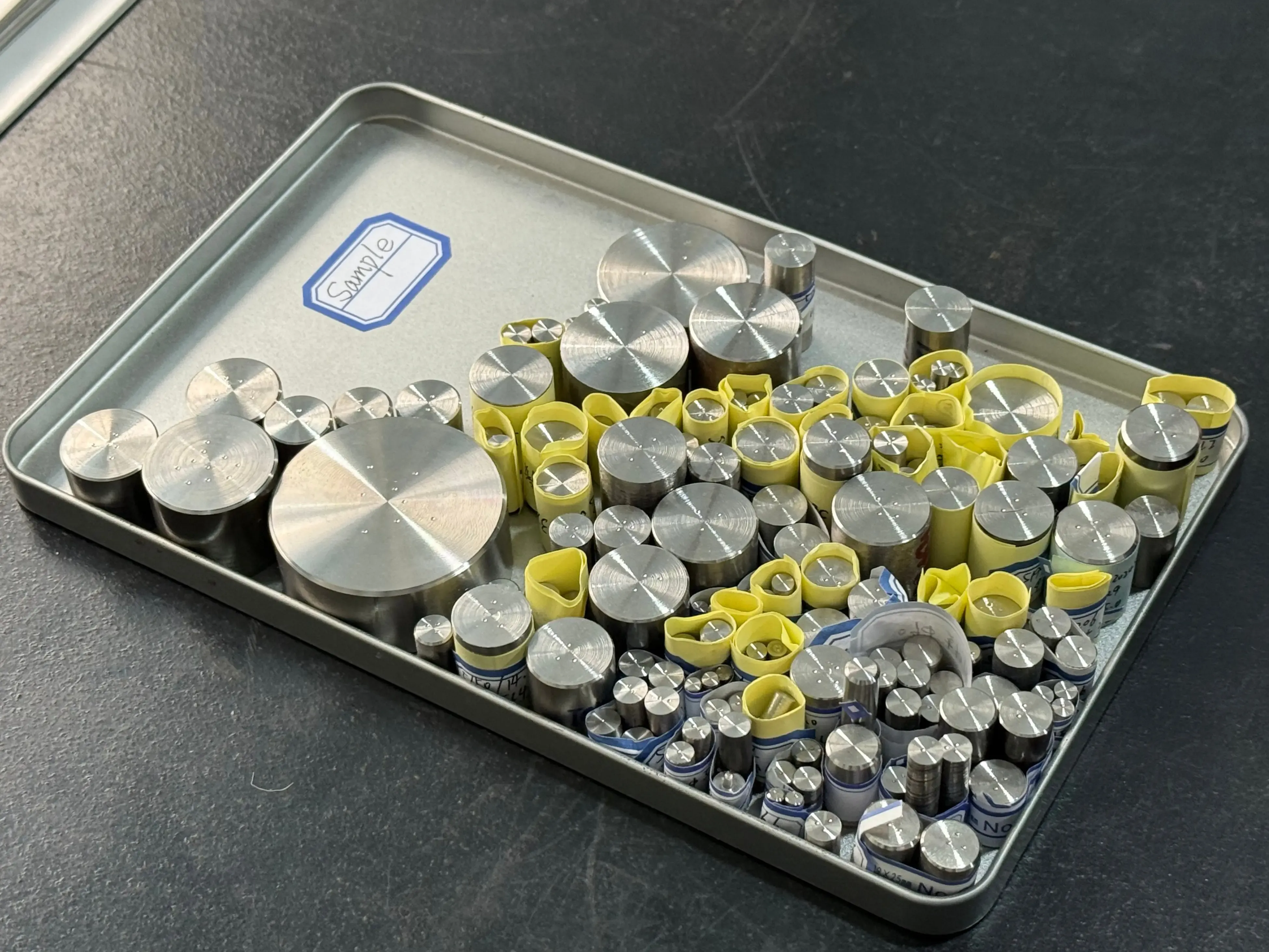
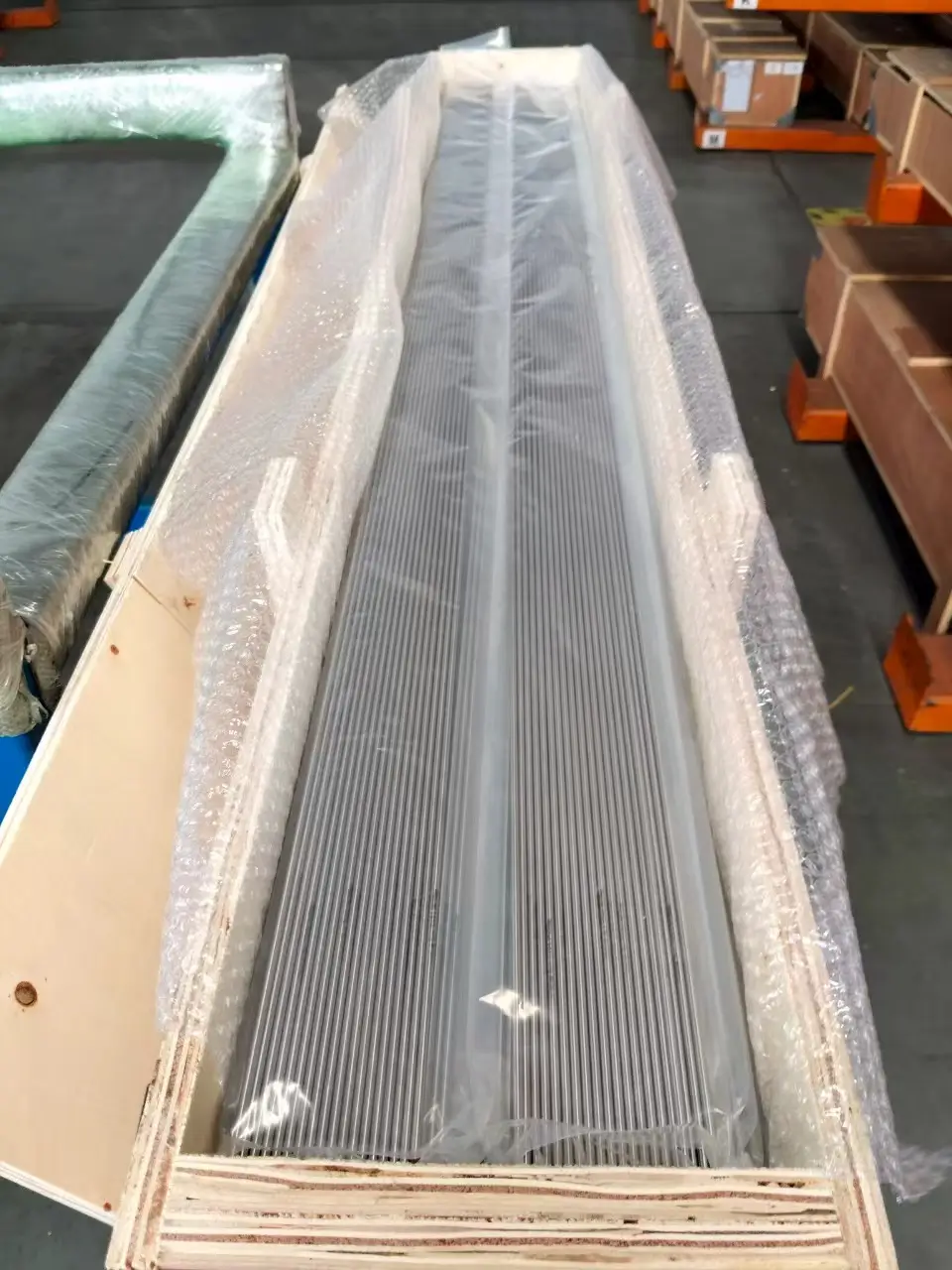
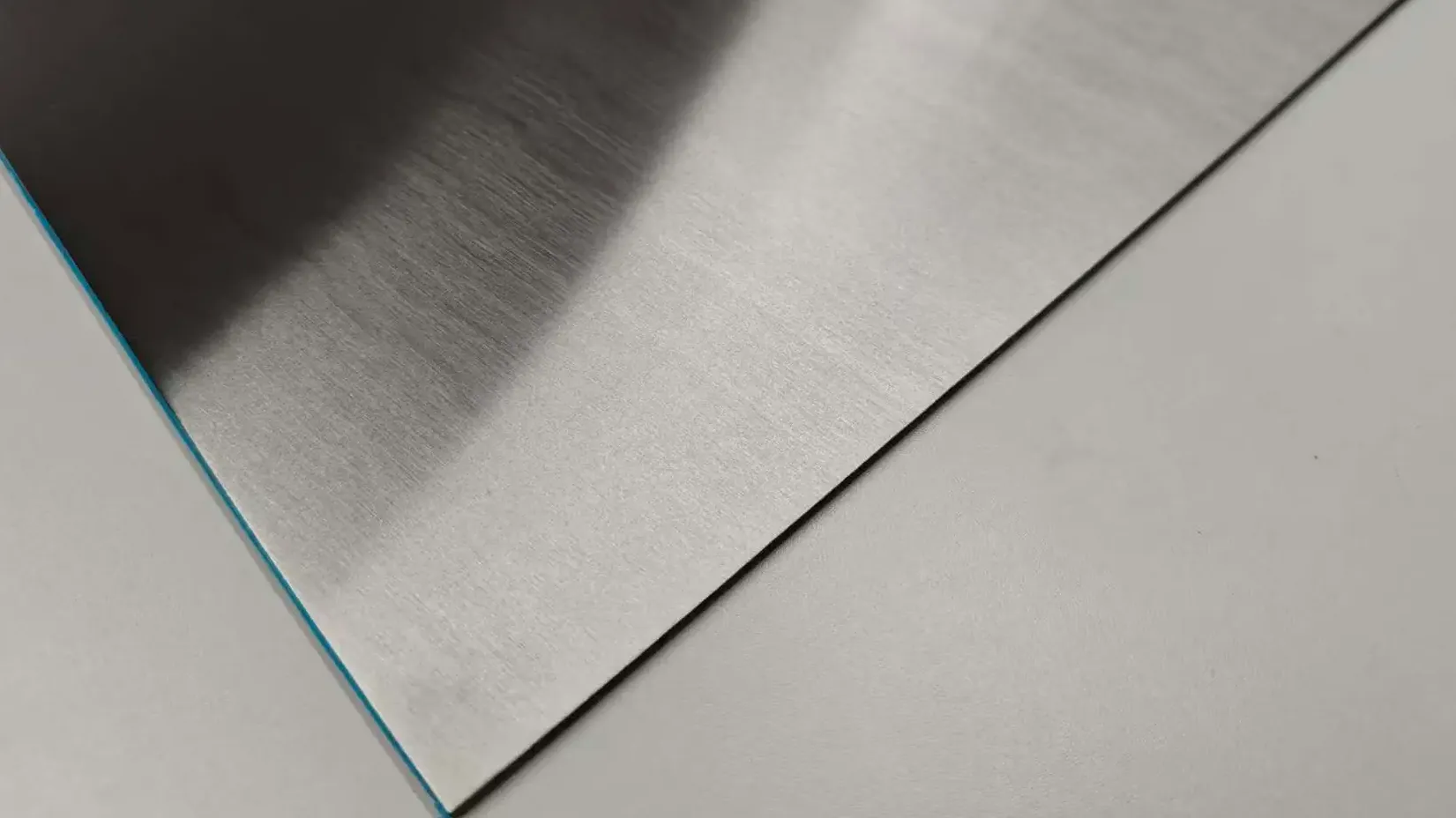
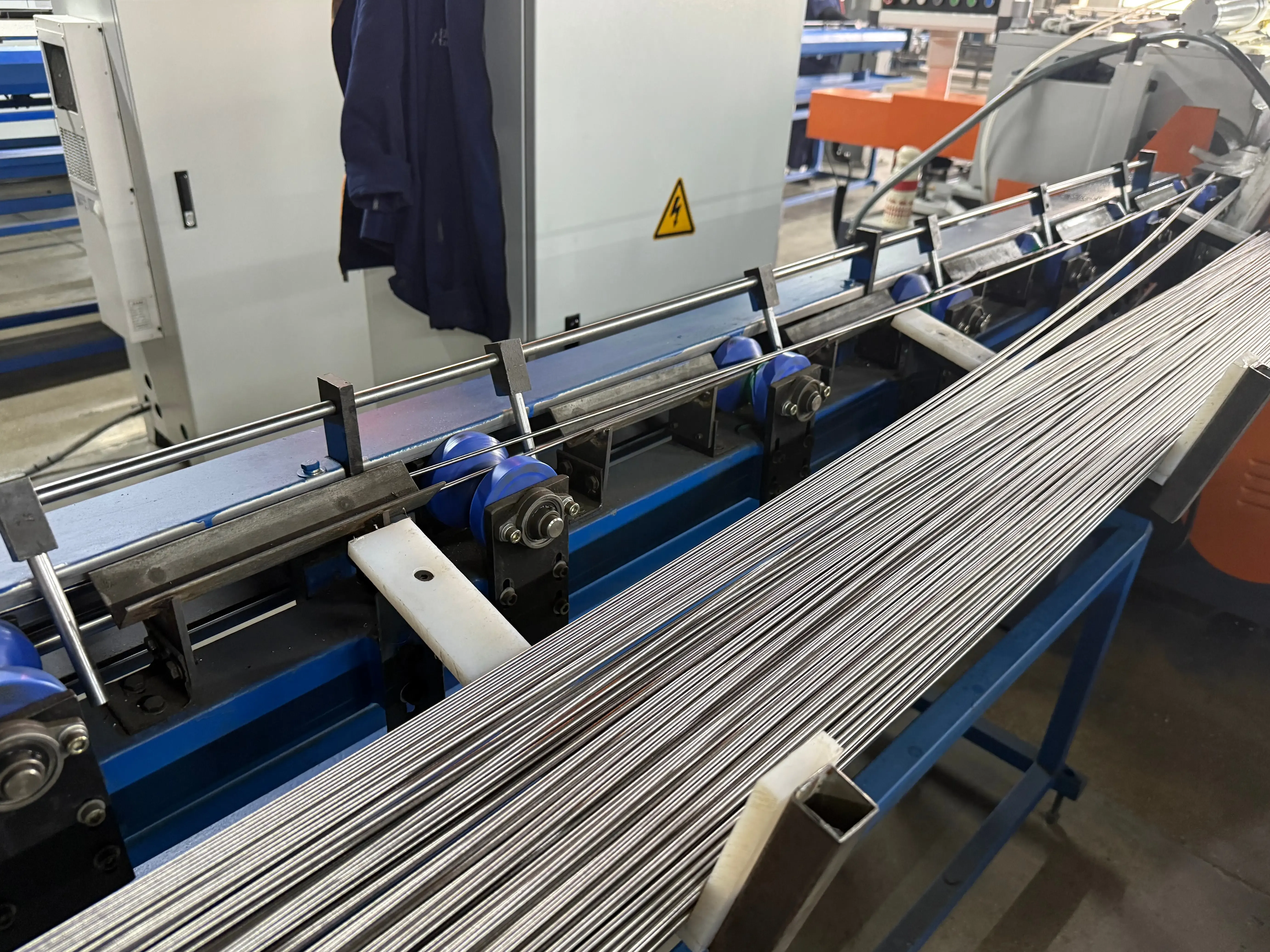
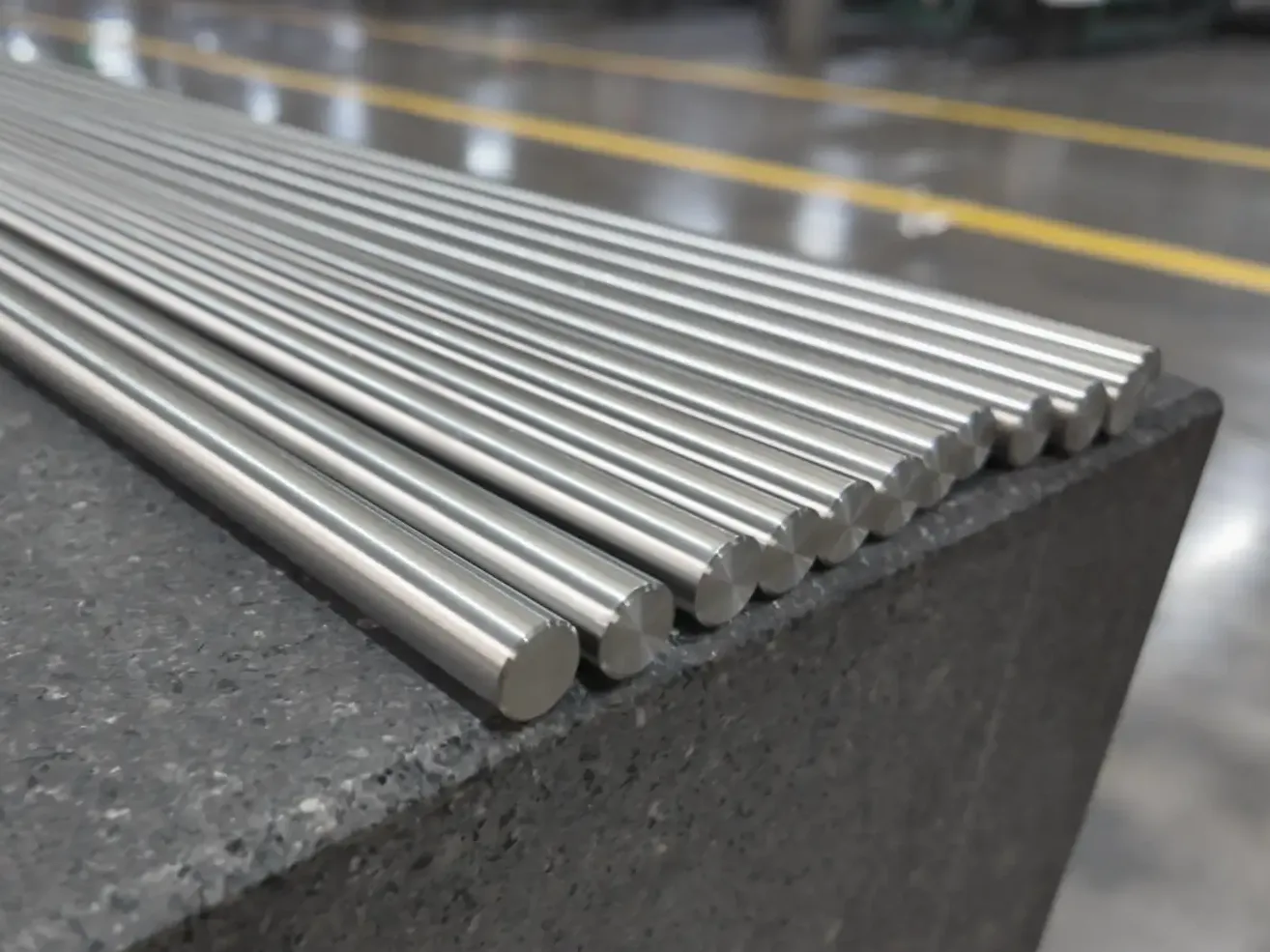
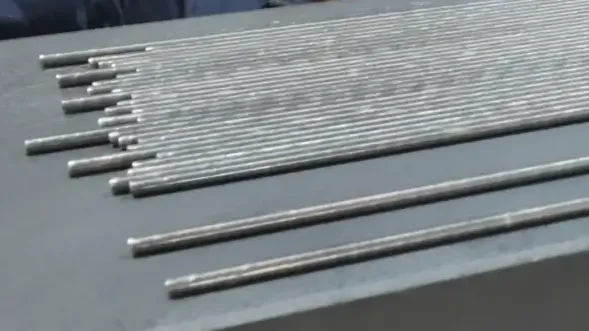
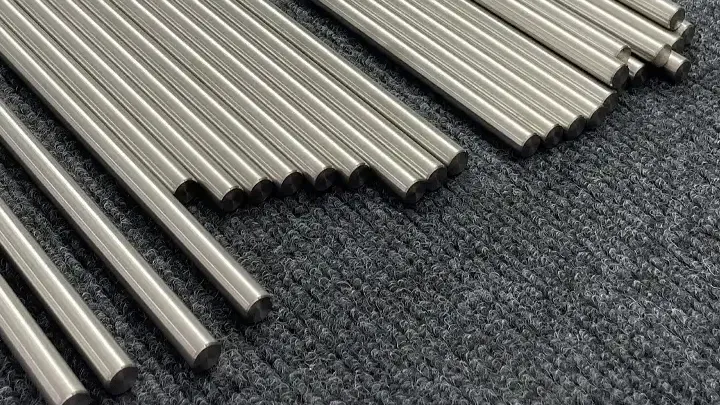
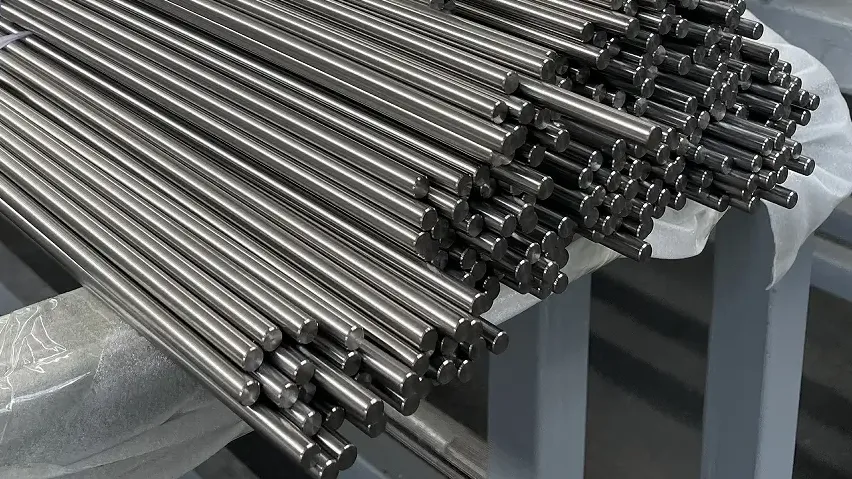
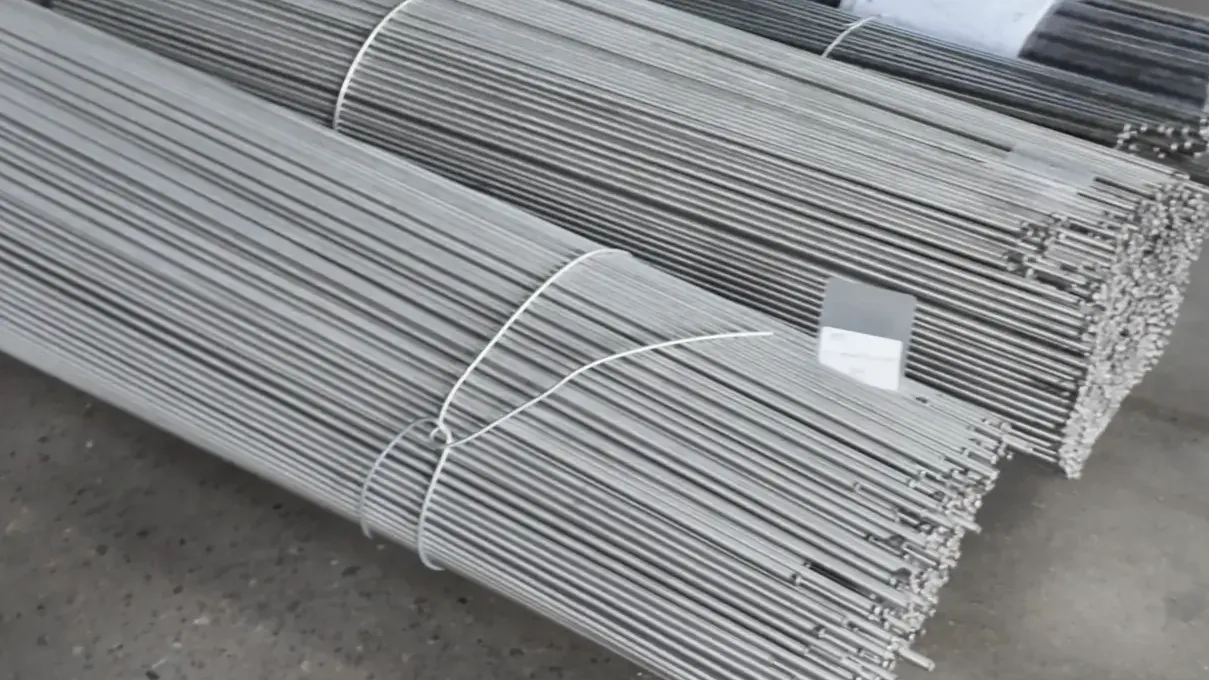
Available forms may include bars, plates, tubes, wire and custom cut sizes, depending on project requirements. Dimensions, tolerances, surface finish, polishing requirements, delivery condition and quality documentation can be discussed in accordance with end-use requirements.
For projects requiring material verification, Sunxin can assist in arranging chemical composition analysis, hardness testing, mechanical property testing, microstructural examination and confirmation of heat treatment conditions prior to machining, production or end-use.
Whether you require 420Mod stainless steel for surgical instruments, dental tools, cutting components or precision wear-resistant parts, Sunxin can help you match the appropriate material form, delivery condition and specification requirements to your project needs.