Additional Info
A Brief History of AISI 316 Stainless Steel
AISI 316 stainless steel, also known as 1.4401, UNS S31600, X5CrNiMo17-11-2 or SUS316, is a molybdenum-containing austenitic stainless steel.
316 was developed as an evolution of 304. 304 is itself a highly versatile stainless steel, offering corrosion resistance, ease of forming and welding, and well-balanced overall performance. However, in chlorine-containing, humid, certain marine-related environments or specific industrial media, 304’s resistance to pitting and crevice corrosion can prove inadequate.
The development of 316 was specifically aimed at addressing these more complex corrosive environments. It was not designed to increase strength, but rather to further enhance the corrosion resistance of 304.
How was the AISI 316 developed
The development approach was straightforward: adding molybdenum to chromium-nickel austenitic stainless steel.
Chromium provides the basic corrosion resistance, whilst nickel stabilises the austenitic structure, ensuring the material retains good ductility, formability and weldability. Molybdenum is the key distinction between 316 and 304—it enhances the material’s resistance to pitting corrosion in chlorine-containing environments and improves its stability in certain industrial corrosive media. Consequently, 316 is generally more suitable than 304 for projects with higher corrosion resistance requirements.
It should be noted that 316 remains an austenitic stainless steel and cannot achieve high hardness through quenching or ageing, unlike martensitic or precipitation-hardening stainless steels. When selecting 316, the focus should be on the corrosive environment, surface finish, cold-worked condition and delivery conditions, rather than heat-treated strength.
Early Applications of AISI 316
Initially, 316 was primarily used in applications where 304’s corrosion resistance proved insufficient.
Due to the addition of molybdenum, 316 exhibits greater stability in humid, chlorine-containing and certain industrial environments; consequently, it has gradually found application in chemical processing equipment, certain marine components, piping systems, valves, pump parts and general corrosion-resistant structural components. These applications do not require high strength, but rather focus on the material’s stability in corrosive environments, particularly the reduction of risks associated with pitting, crevice corrosion and localised corrosion.
For manufacturers, the value of 316 lies in the fact that it retains the characteristics of austenitic stainless steel—namely, ease of machining and weldability—whilst offering better corrosion resistance than 304.
Current Applications of AISI 316
AISI 316 is currently used primarily for components requiring superior corrosion resistance, formability and weldability. In the annealed condition, tensile strength is ≥515 MPa and elongation is ≥40%; strength can be further increased through cold working. Please refer to the specifications table on the product page for detailed data.
Common applications include:
Medical equipment and non-implantable device components: medical equipment housings, instrument trays, cleaning equipment components, brackets, covers, non-implantable structural components and reusable device parts.
Aerospace: brackets, fixtures, instrument housings, piping components, covers, and non-load-bearing stainless steel parts for use in humid or mildly corrosive environments.
Mechanical engineering: valve components, pump parts, flanges, fittings, piping components, housings, brackets, covers, and general machined parts requiring corrosion resistance and machining stability.
Industrial applications: chemical processing equipment components, food processing equipment, cleaning equipment, piping systems, storage tanks, vessels, flanges, fastening-related components, protective covers, and equipment housings.
316 is not typically the material of choice for high-strength load-bearing components, high-hardness wear-resistant parts, or components requiring heat treatment for strengthening. If a project demands higher post-weld intergranular corrosion resistance, 316L should generally be considered.
Sunxin’s AISI 316 Stainless Steel Supply Support
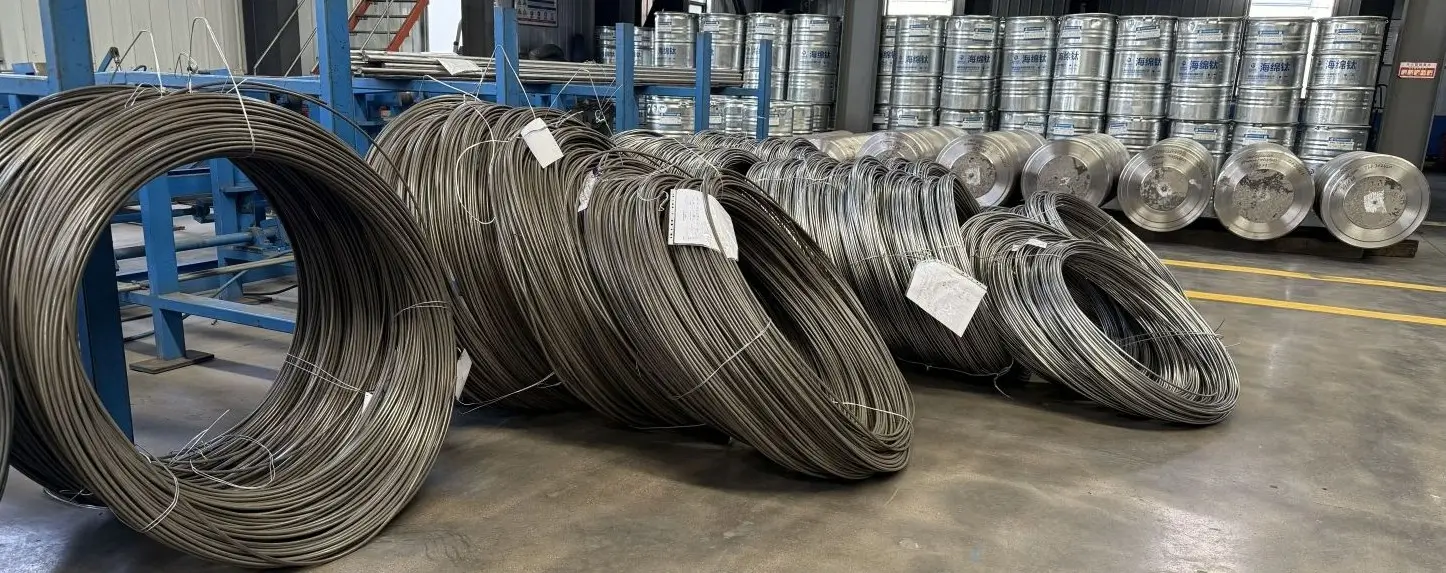
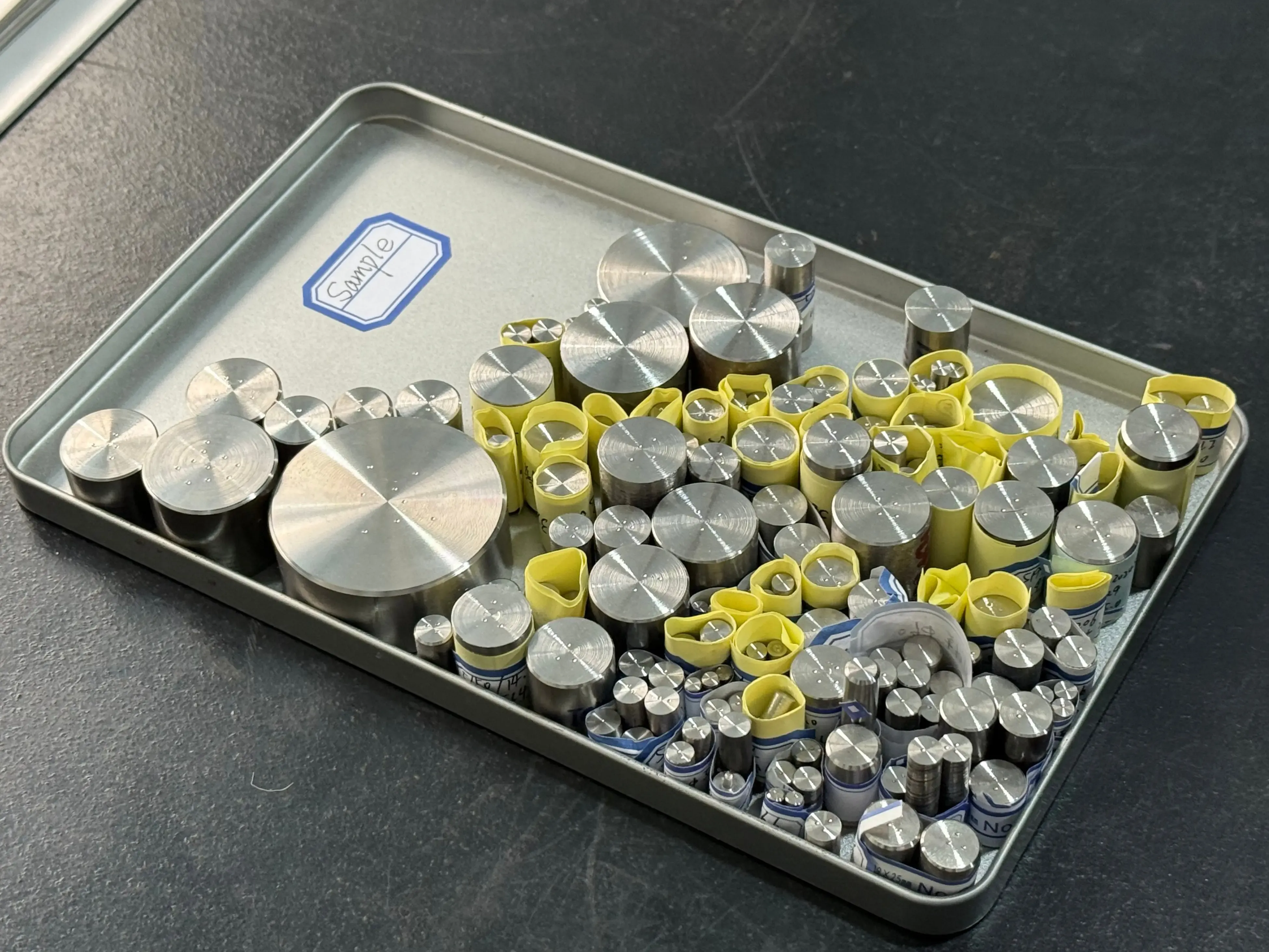
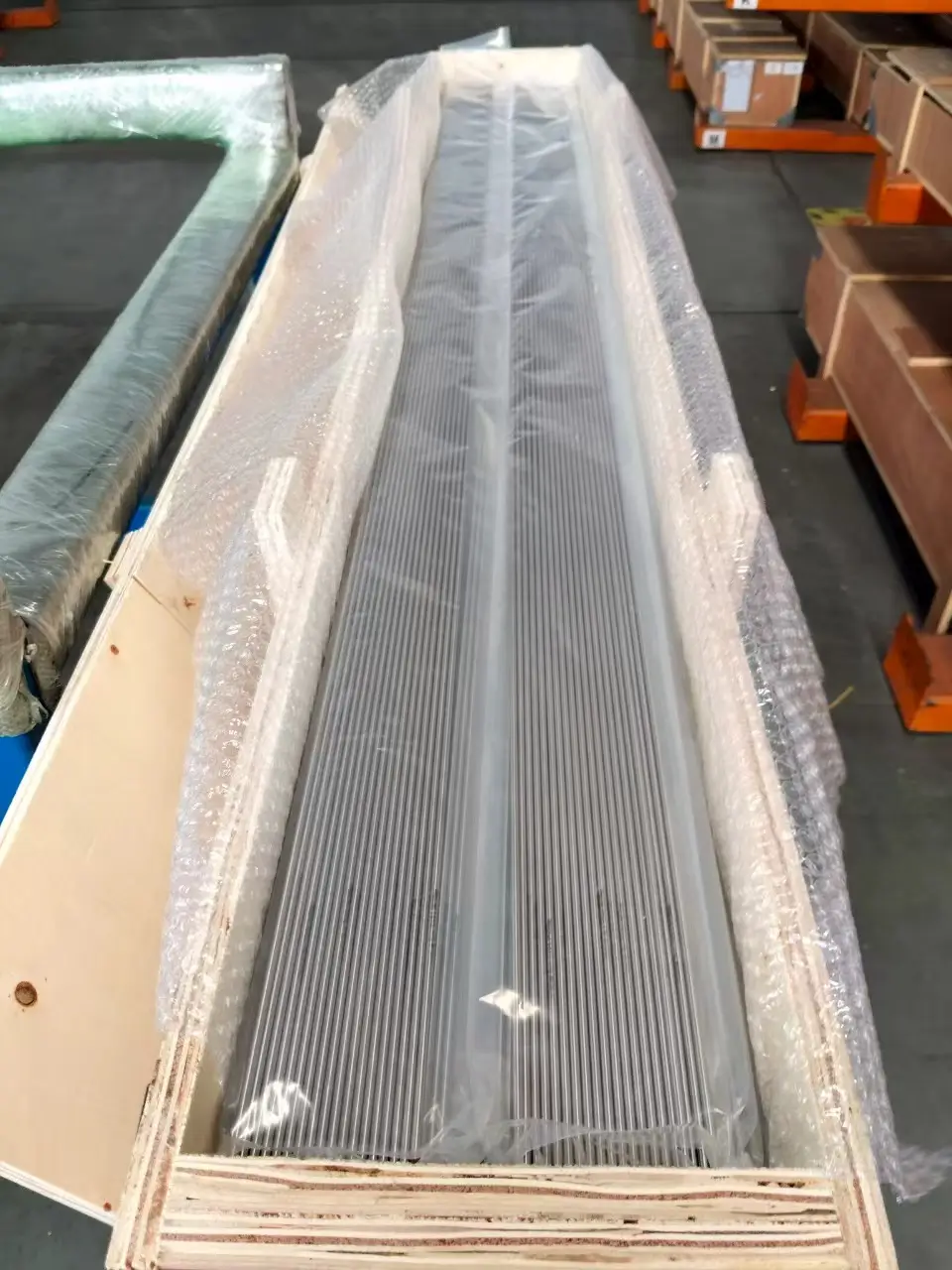
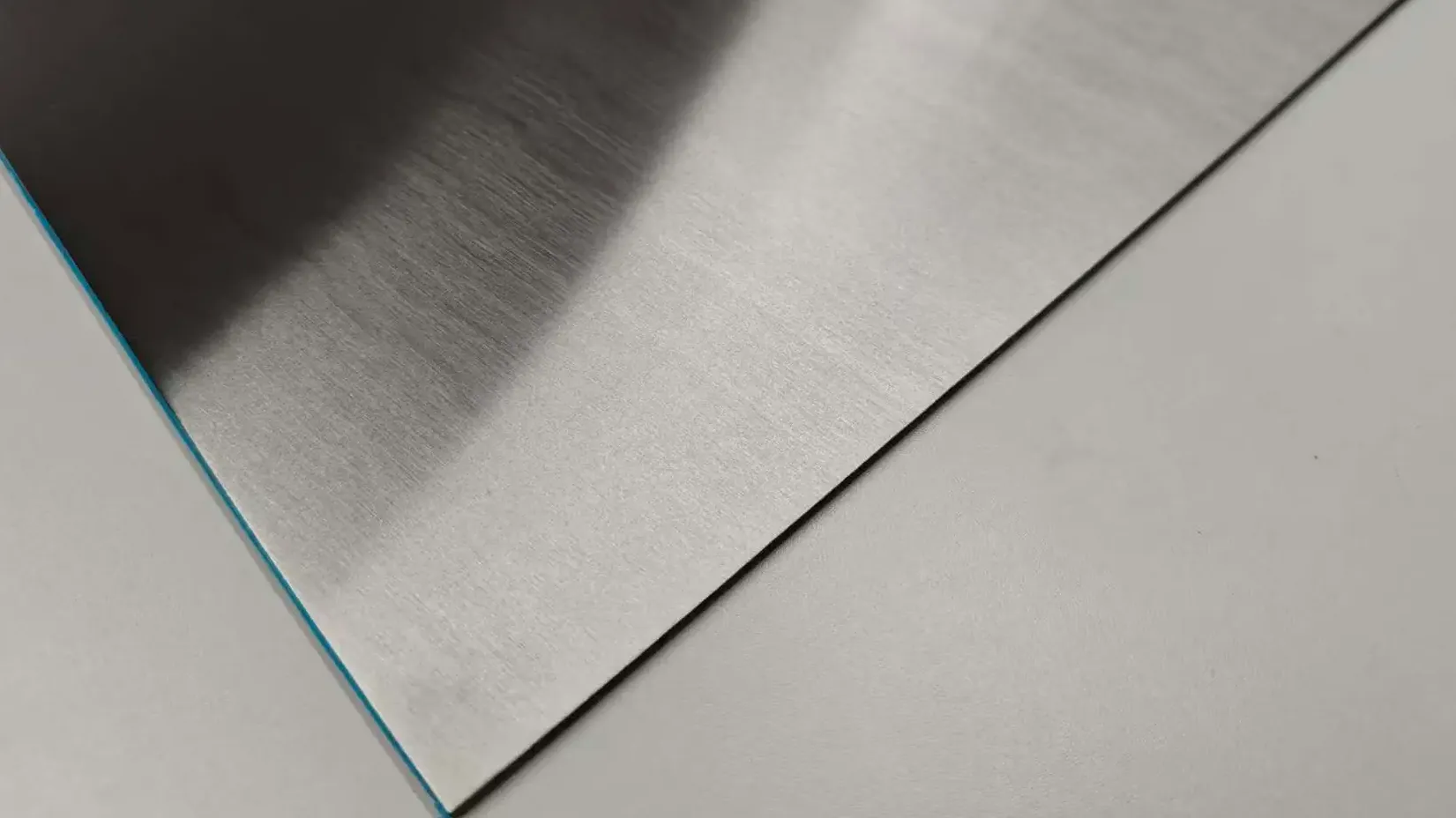
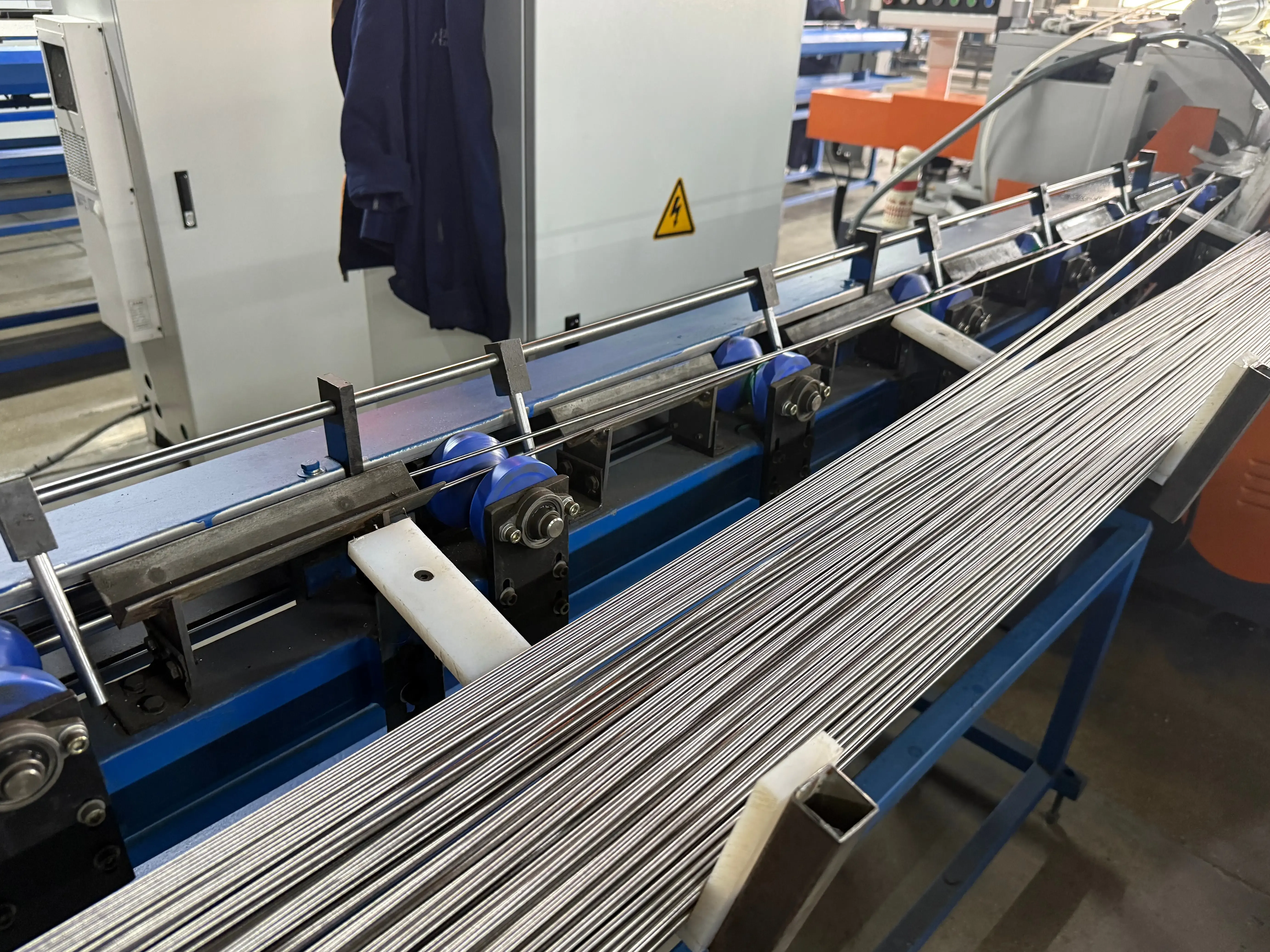
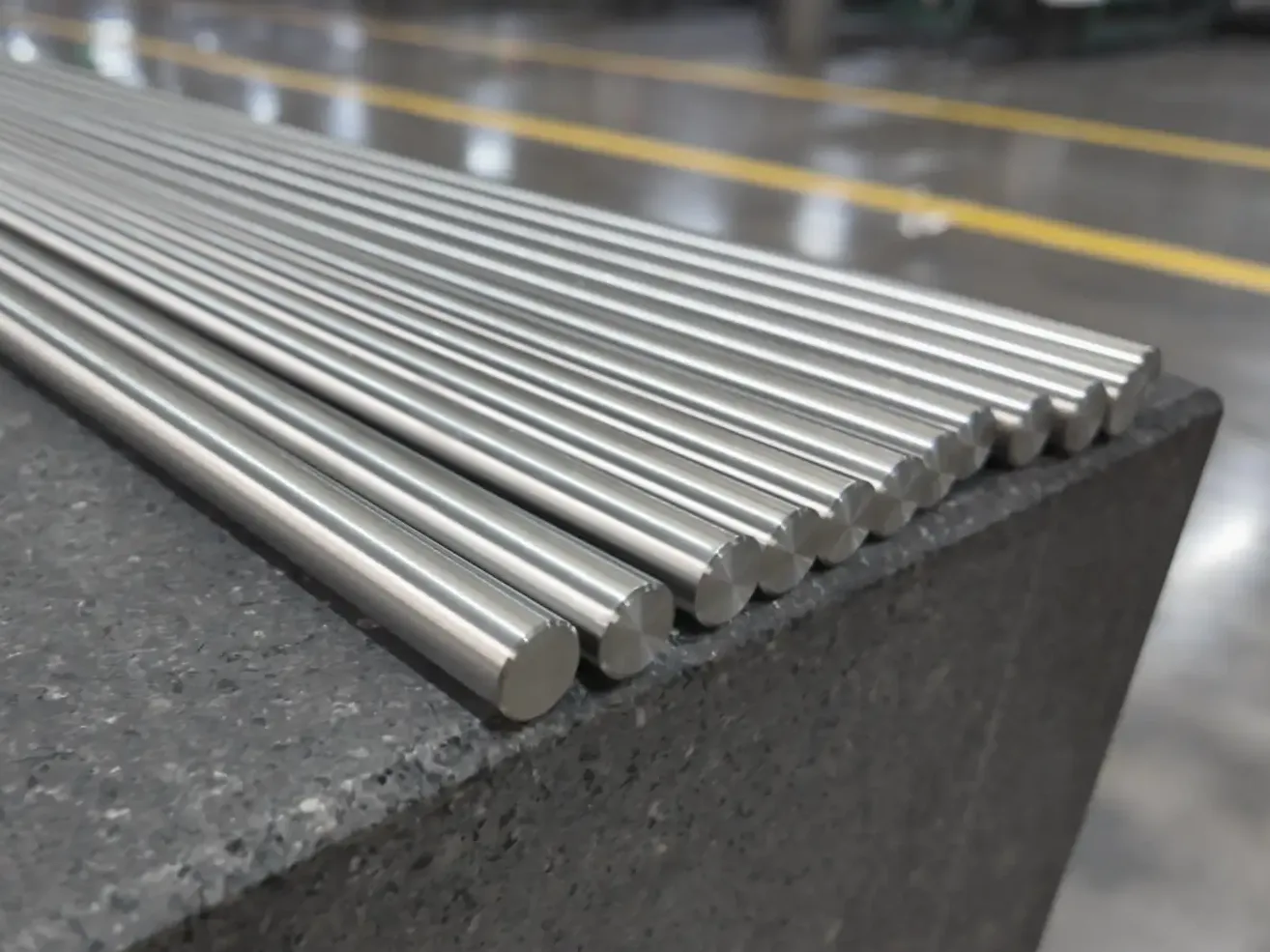
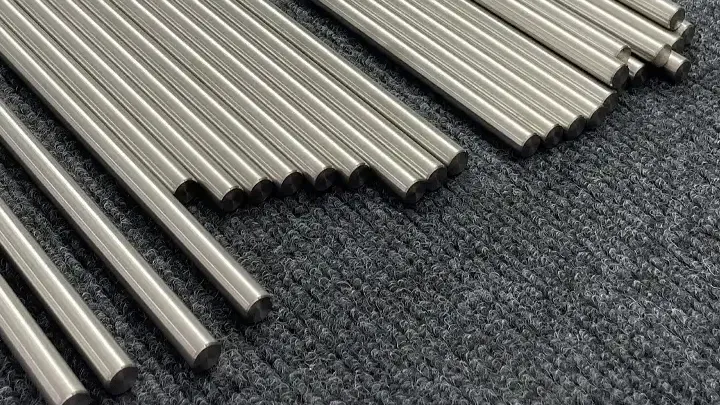
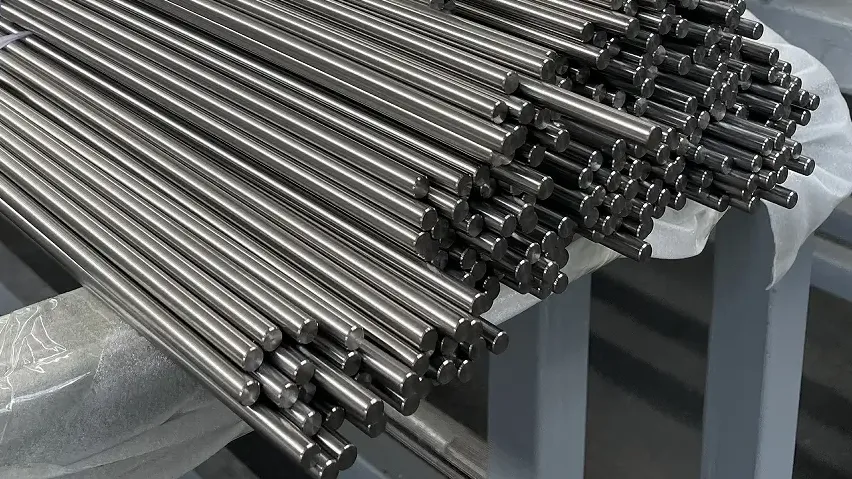
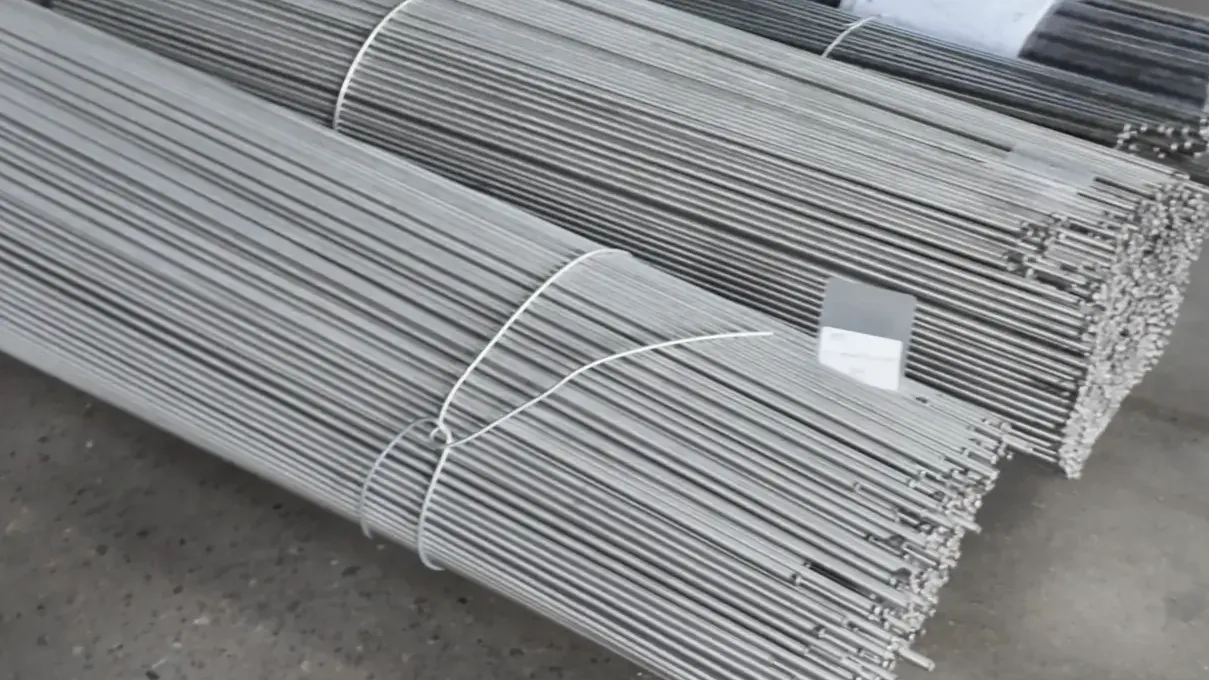
Sunxin supplies AISI 316 stainless steel in sheet, bar, wire and tube forms, as well as custom cut sizes.
Available specifications: sheet T0.5–T200.0 mm; bar Φ1.0–Φ200.0 mm; wire Φ1.0–Φ3.0 mm; tube outer diameter 1.0–10.0 mm, inner diameter 0.08–2.0 mm (covering some capillary specifications). Surface finishes available include milled, polished or precision-polished; for bars, wire and tubes, h6–h9 tolerance options can be confirmed according to project requirements.
For AISI 316 projects, it is recommended to confirm the material form, delivery condition, cold-worked condition, surface finish, dimensions, tolerances, corrosive environment, inspection items and quality documentation prior to production.
Sunxin is certified to the ISO 13485 and ISO 9001 quality management systems and can support batch management, traceability control, inspection coordination and quality documentation management.
For projects involving medical device components, piping systems, valve components, pump parts, food processing equipment components, brackets, covers, fittings and general corrosion-resistant stainless steel parts, Sunxin can assist in confirming the appropriate material form, delivery condition and inspection documentation in accordance with application requirements.