Additional Info
A Brief History of AISI 304L Stainless Steel
AISI 304L stainless steel, also known as 1.4307, UNS S30403, X2CrNi18-9 or SUS304L, is a low-carbon version of AISI 304 stainless steel. The ‘L’ in 304L stands for ‘Low Carbon’. Compared to standard 304, the focus of 304L is not on increasing strength, but on improving the material’s corrosion resistance after welding by reducing the carbon content.
304L was developed on the basis of 304 chromium-nickel austenitic stainless steel. 304 itself is a typical 18/8 austenitic stainless steel, offering good corrosion resistance, formability and weldability, and is therefore widely used. As the number of welded stainless steel structures increased, the risk of intergranular corrosion after welding gradually came to the fore, leading to the emergence of 304L as a grade better suited to welding.
How was the AISI 304L developed
The development philosophy behind AISI 304L was clear: to further reduce the carbon content based on the 304 chromium-nickel austenitic stainless steel system.
In standard 304, during welding or when subjected to heat, if the carbon content is high, carbon may combine with chromium to form chromium carbides at the grain boundaries. This depletes chromium near the grain boundaries, reducing local passivation capacity and thereby increasing the risk of intergranular corrosion.
304L addresses this issue through its low-carbon design; with a carbon content typically not exceeding 0.030%, it effectively reduces the likelihood of chromium carbide precipitation, resulting in more stable corrosion resistance in the heat-affected zone during welding.
At the same time, 304L retains the basic chromium-nickel austenitic structure of 304. Chromium provides the stainless steel with its fundamental corrosion resistance, whilst nickel stabilises the austenitic structure, ensuring the material maintains good ductility, formability and weldability.
304L can achieve a certain degree of strength enhancement through cold working; for example, tensile strength can reach 860–1100 MPa in the 1/4 Hard condition and 1035–1250 MPa in the 1/2 Hard condition, but it is not a heat-treatable stainless steel. For most 304L projects, welding requirements, surface finish, delivery condition and the actual corrosive environment are more important than heat-treated strength.
Early Applications of AISI 304L
AISI 304L was initially used primarily for stainless steel components requiring the maintenance of corrosion resistance after welding.
Compared to standard 304, 304L is more suitable for welded structures where post-weld heat treatment is impractical. It reduces the risk of intergranular corrosion in the heat-affected zone whilst maintaining the workability and weldability of 304.
Early applications were primarily concentrated on welded vessels, piping systems, storage tanks, equipment casings, supports, covers and general stainless steel welded structural components. These parts typically do not require very high strength, but do require the material to maintain stable corrosion resistance after welding. For manufacturers, the value of 304L is straightforward: it is better suited to welding processes, particularly for projects requiring post-weld corrosion resistance stability.
Current Applications of AISI 304L
In the annealed condition, AISI 304L has a tensile strength of ≥485 MPa, a yield strength of ≥170 MPa, an elongation of ≥40%, a density of 8.0 g/cm³, and a hardness of ≤215 HB. These figures indicate that the focus of 304L is not on high strength, but rather on its low carbon content, weldability, good ductility, and post-weld corrosion resistance stability.
With the continuous improvement of standards and supply chains, the application of 304L has expanded from early-stage general industrial welded structural components to sectors with higher requirements for material traceability and batch consistency. Currently, AISI 304L stainless steel is primarily used for parts requiring weldability, corrosion resistance, formability and suitability for surface treatment.
Common applications include:
Medical equipment and non-implantable device components: medical equipment housings, instrument trays, sterilisation baskets, cleaning equipment components, brackets, covers, non-implantable structural components and reusable device parts. AISI 304L is suitable for non-implantable medical components and is not typically used as a material for implantable applications.
Aerospace: Thin-walled welded piping, brackets, fixtures, instrument housings, cabin interior fittings, covers, and welded stainless steel components for use in controlled or mildly corrosive environments.
Mechanical Engineering: Welded housings, brackets, covers, flanges, fittings, piping components, light-duty machined parts, and general components requiring corrosion resistance and weldability.
Industrial Applications: Welded vessels, storage tanks, piping systems, flanges, food processing equipment, cleaning equipment, protective covers, equipment housings, and general stainless steel components for mildly or moderately corrosive environments.
AISI 304L is not typically the material of choice for high-strength load-bearing components, severe chloride environments, long-term implantable medical applications, or parts requiring hardening through heat treatment.
Sunxin’s AISI 304L Stainless Steel Supply Support
Sunxin supplies AISI 304L stainless steel in sheet, bar, wire and tube forms, as well as custom cut sizes.
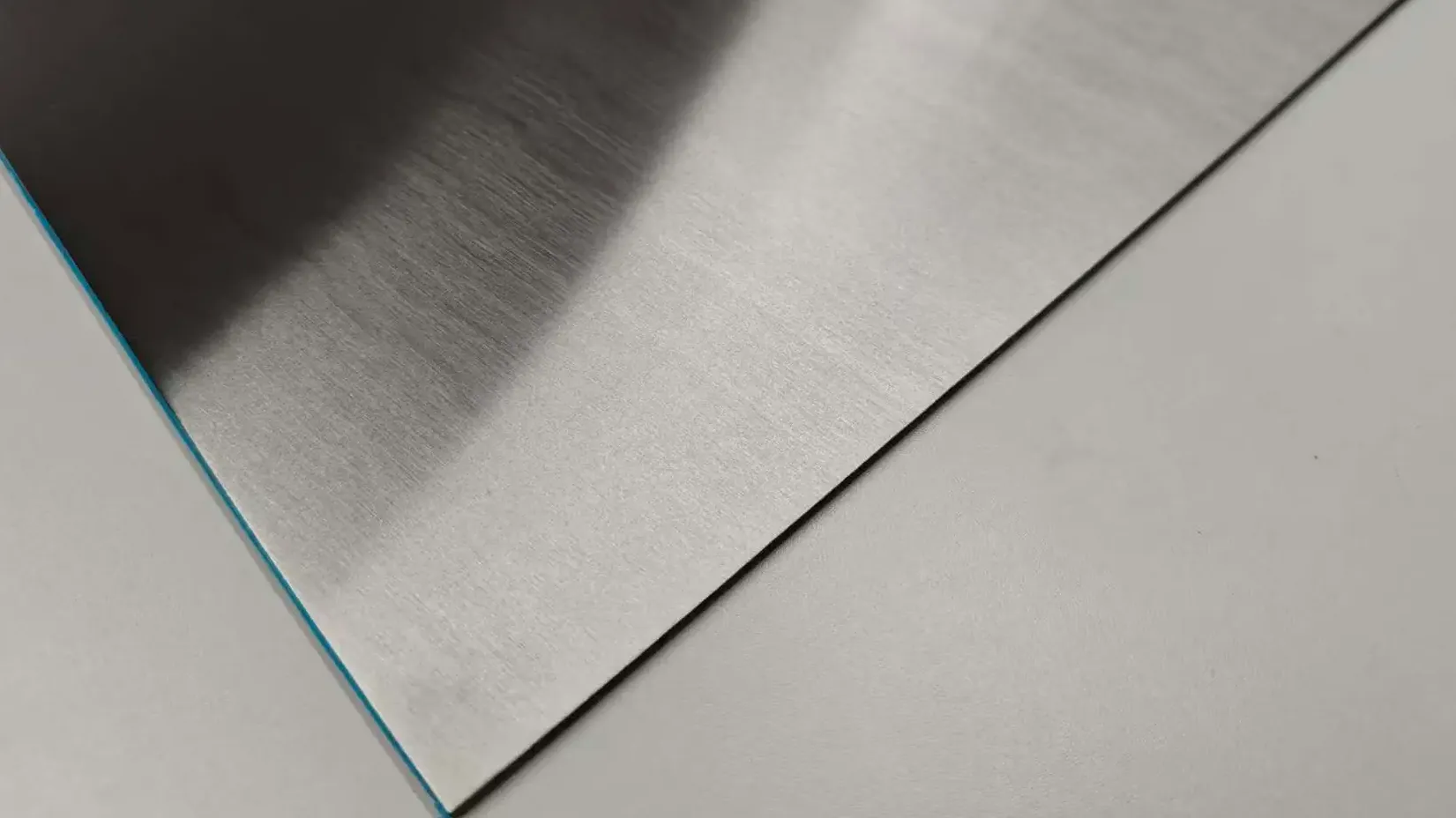
Sheets are available in thicknesses from 0.5 mm to 200.0 mm, with a mill-finished surface and supplied in a solution-annealed condition.
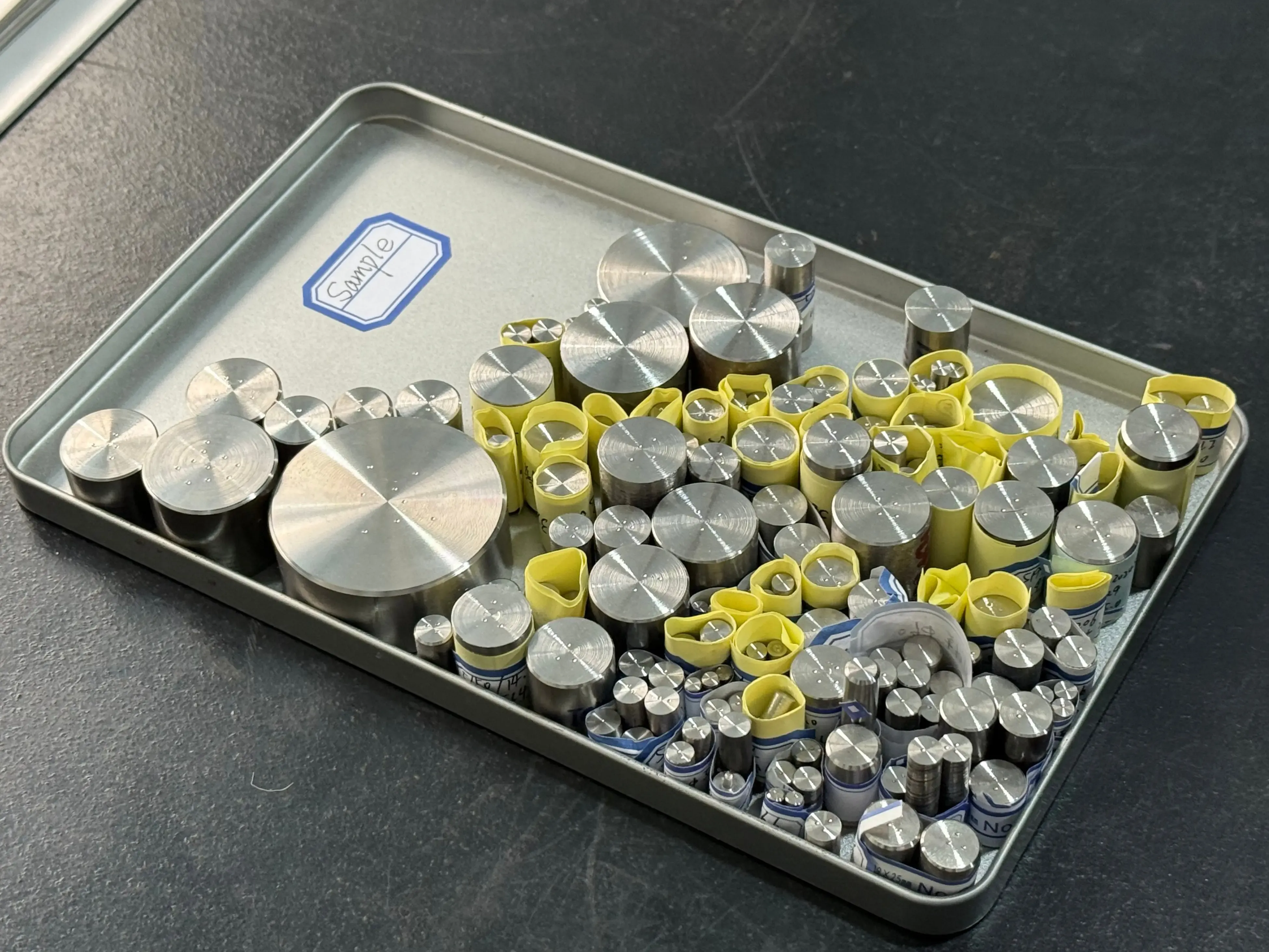
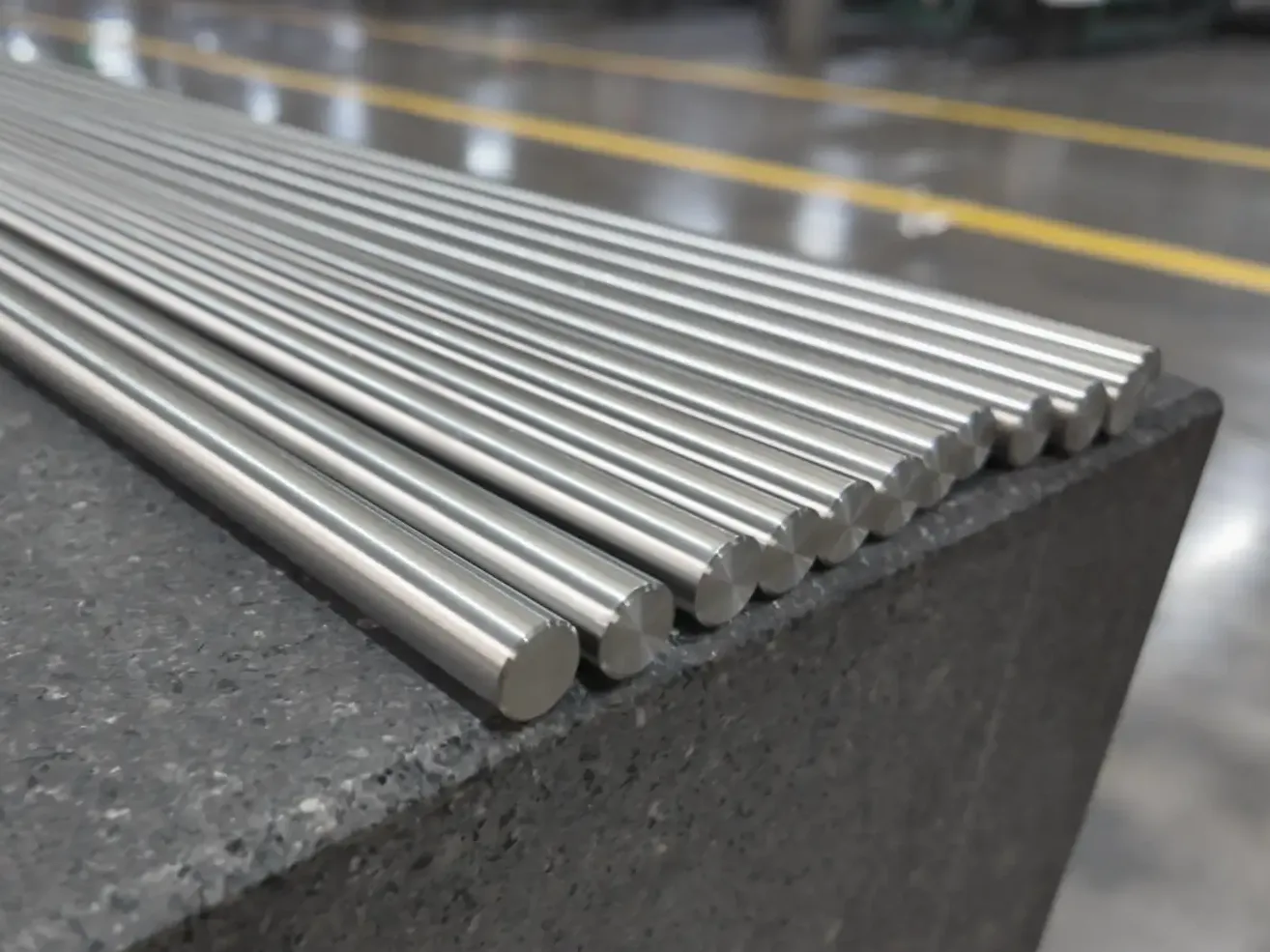
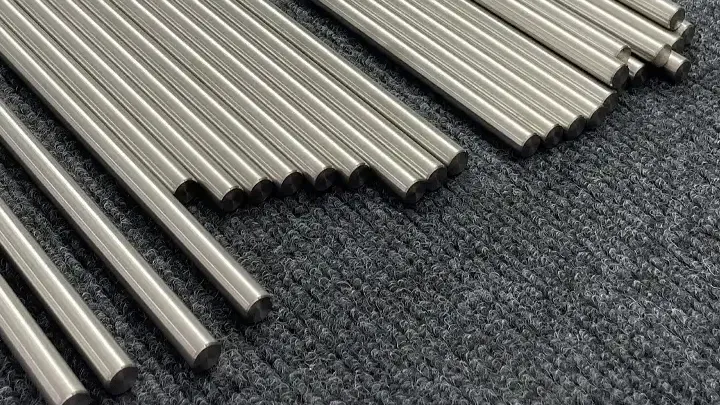
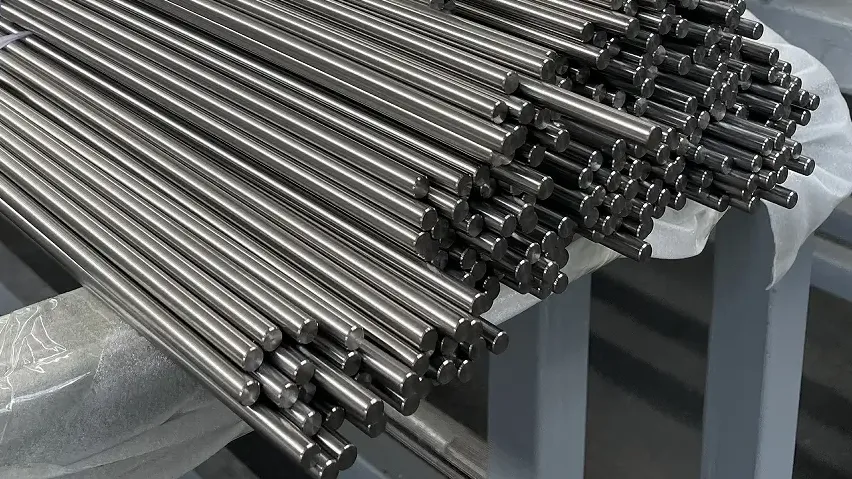
Bars are available in diameters from 1.0 mm to 200.0 mm, with a polished or precision-polished surface finish, and with h6–h9 tolerance options available.
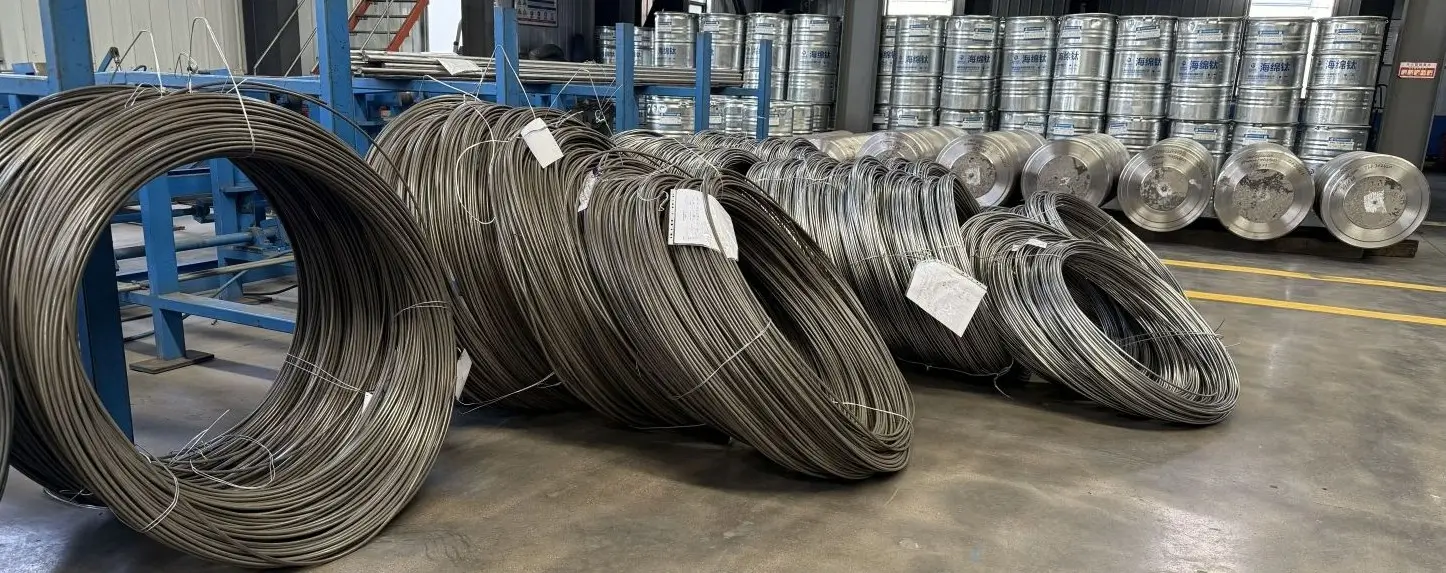
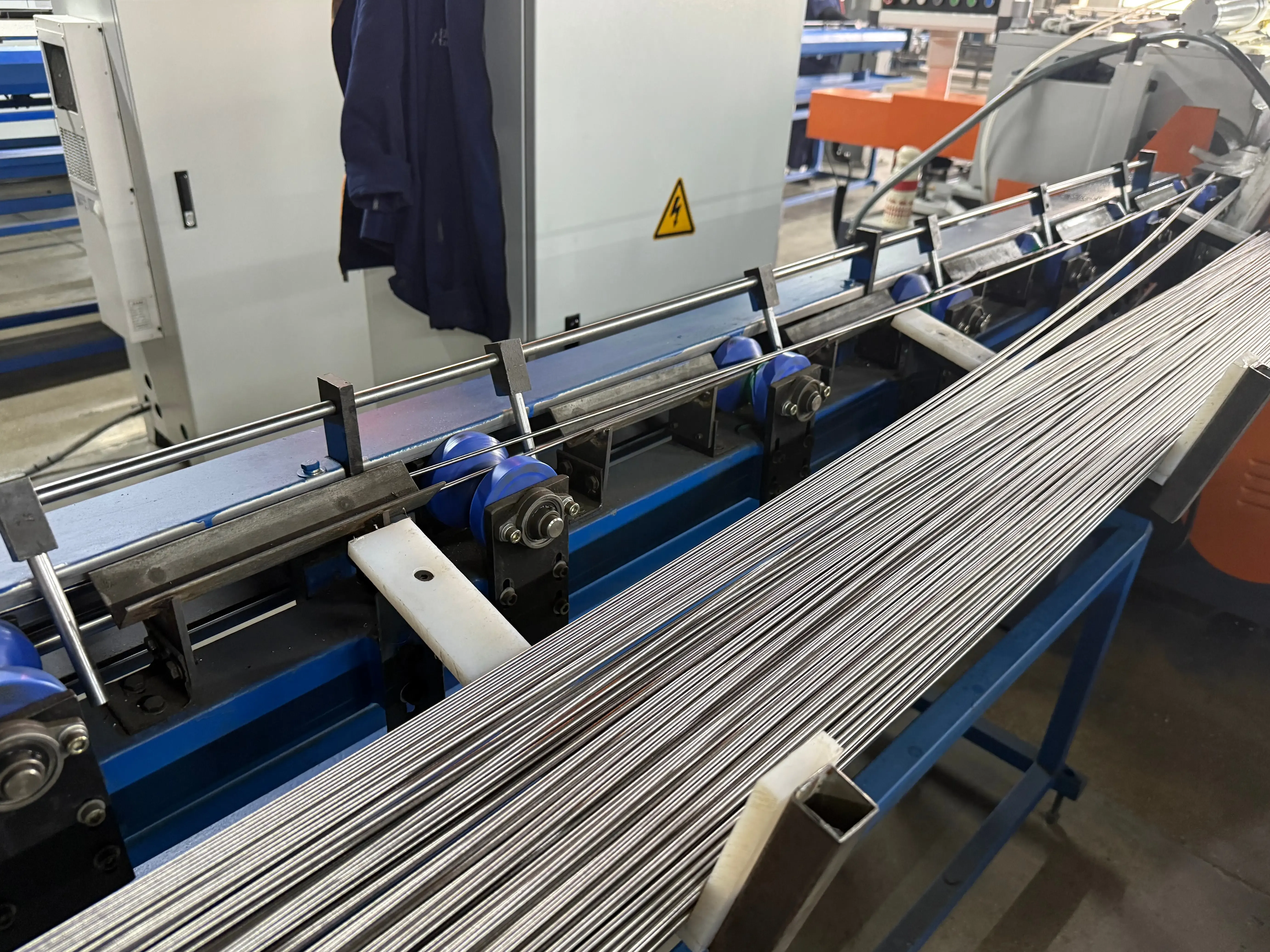
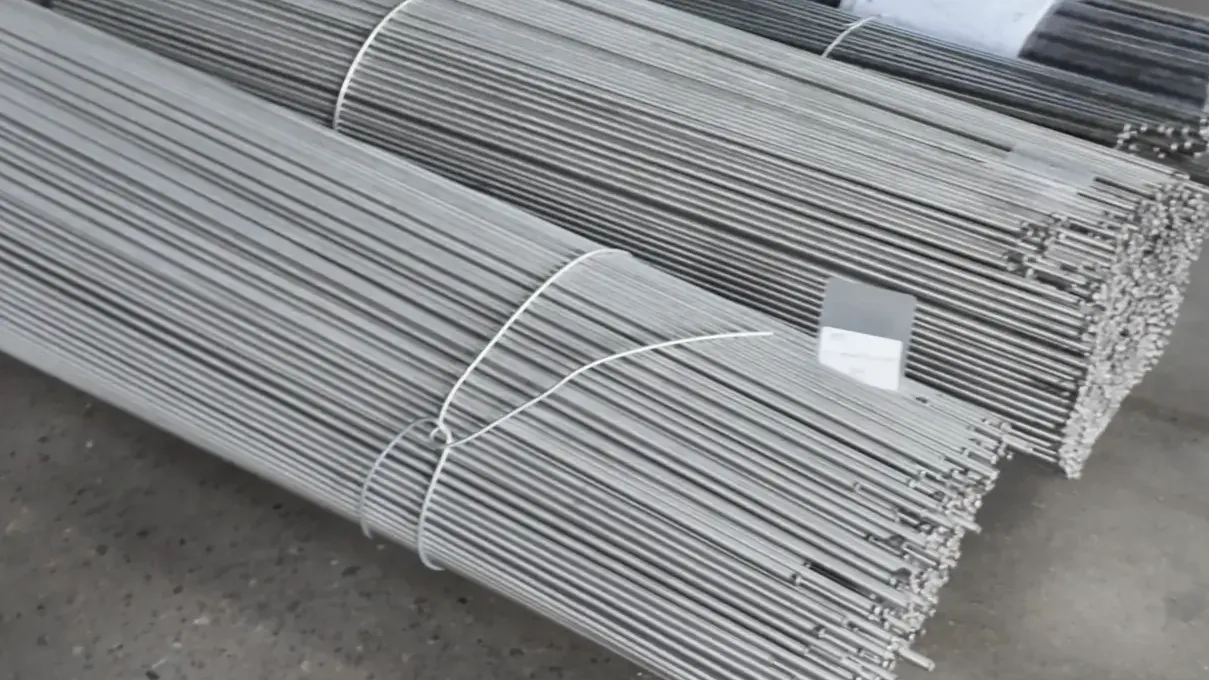
Wire is available in diameters from Φ1.0 mm to Φ3.0 mm.
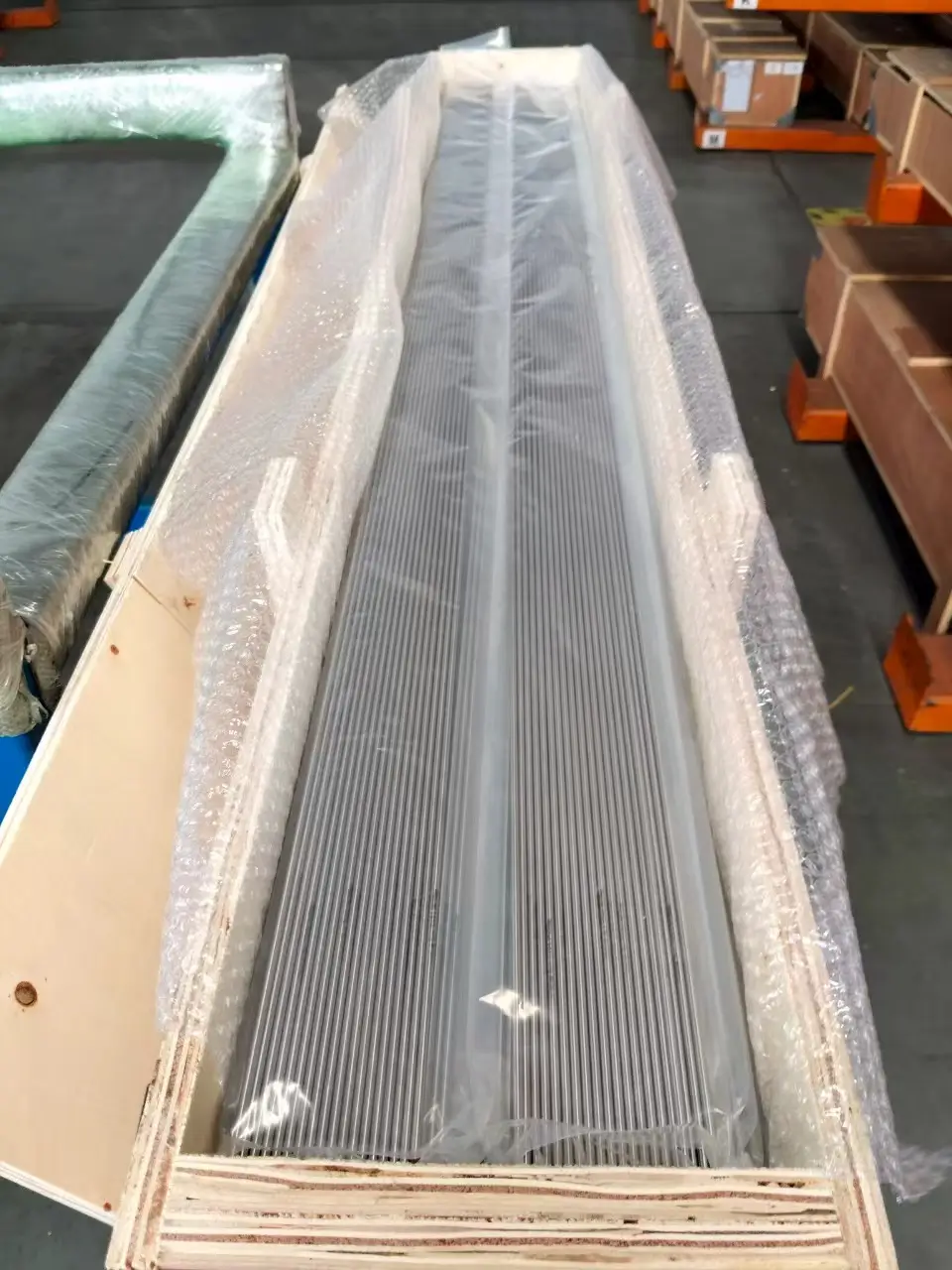
Tubing is available with an outer diameter of 1.0–10.0 mm; please confirm the inner diameter separately.
For AISI 304L projects, it is recommended to confirm the material form, delivery condition, surface finish, dimensions, tolerances, welding requirements, inspection items and quality documentation prior to production.
Sunxin is certified to the ISO 13485 and ISO 9001 quality management systems and can support batch management, traceability control, inspection coordination and quality documentation management.
For medical device housings, instrument trays, welded tubing, storage tanks, brackets, covers, fittings and general welded stainless steel components, Sunxin can assist in confirming the appropriate material form and delivery condition based on application requirements.