Additional Info
A Brief History of 17‑7 PH Stainless Steel
17-7PH stainless steel, also known as AISI 631, Type 631, UNS S17700, EN 1.4568, X7CrNiAl17-7 or SUS631, is a semi-austenitic precipitation-hardening stainless steel.
The designation 17-7PH derives from its approximate alloy composition: approximately 17% chromium and 7% nickel. Aluminium is added to the material to impart higher strength during the ageing process.
The value of 17-7PH extends beyond mere corrosion resistance. It is particularly well-suited for components requiring strength, fatigue resistance, elastic behaviour, and dimensional stability following forming or heat treatment.
For many precision components, the material must be machined before being strengthened. 17-7PH is ideally suited to such requirements. It can be supplied in a solution-annealed condition to facilitate subsequent machining, and then age-hardened to achieve the strength and hardness required for its final application.
By utilizing a copper‑based precipitation‑hardening mechanism, 17‑4 PH achieves significantly higher strength than austenitic grades while retaining useful corrosion resistance and dimensional stability—making it one of the most versatile stainless steels used in modern engineering applications.
How 17‑7 PH Was Developed
The development of 17-7PH was driven by the need to solve a practical manufacturing problem: certain components require forming before they can be strengthened.
Springs, clips, diaphragms, washers, retaining rings and similar elastic components cannot usually be machined directly from fully hardened material from the outset. The material must possess a certain degree of workability during the forming stage, whilst the final component must still exhibit sufficient strength and fatigue performance.
17-7PH meets this requirement perfectly. In the solution-annealed condition, it is easier to machine than fully hardened stainless steel. Once forming, machining or sizing is complete, strength and hardness are enhanced through ageing treatment.
In a partially aged condition, 17-7PH can achieve a tensile strength of over 1170 MPa and a hardness of over 38 HRC. For springs and elastic components, in the appropriate heat-treated condition, it can also maintain practical performance at temperatures up to approximately 600°F / 315°C, depending on the heat-treated condition, product form and actual operating environment.
This ‘form-first, strengthen-later’ characteristic is a key reason why 17-7PH is still used today for precision elastic components and high-strength parts.
Early Applications of 17‑7PH
The early applications of 17-7PH were closely linked to aerospace and precision elastic components.
Manufacturers required a stainless steel material that could first be machined into shapes such as springs, diaphragms, clips, washers and retaining rings, and then have its strength enhanced through ageing treatment.
For these components, corrosion resistance is merely a basic requirement. The material must also resist fatigue, retain its shape, and maintain stable performance under repeated loading or in vibrating environments.
Consequently, 17-7PH is used in aerospace elastic components, diaphragms, retaining rings, precision washers, and other parts that require both formability and final strength.
Current applications of 17-7PH
17-7PH stainless steel is commonly used in components requiring high strength, fatigue resistance, elastic behaviour and dimensional stability following heat treatment. It is particularly suitable for applications where parts must first be formed or machined before strength is enhanced through ageing treatment.
Common applications include:
Aerospace: Precision springs, diaphragms, washers, retaining rings, clips, brackets, bellows-related components, and lightweight components operating under cyclic loading, vibration or controlled deformation conditions.
Medical instruments and device components: Surgical instrument components, orthopaedic tool components, precision springs, spring clips, return springs, small shaft components, and device components requiring strength and stability for repeated use.
Mechanical engineering: Wave springs, disc springs, spring washers, retaining rings, shaft components, pins, clips, and precision parts requiring fatigue resistance and dimensional stability following heat treatment.
Industrial applications: Sensor spring contacts, relay spring contacts, diaphragms, spring washers, retaining rings, and components subjected to repetitive motion, elastic loads or controlled deformation.
17-7PH is more suitable for precision elastic components and high-strength parts; it is not typically the material of choice for implantable medical devices, highly corrosive environments, or standard low-cost machined parts.
Sunxin’s 17-7PH Stainless Steel Supply Support
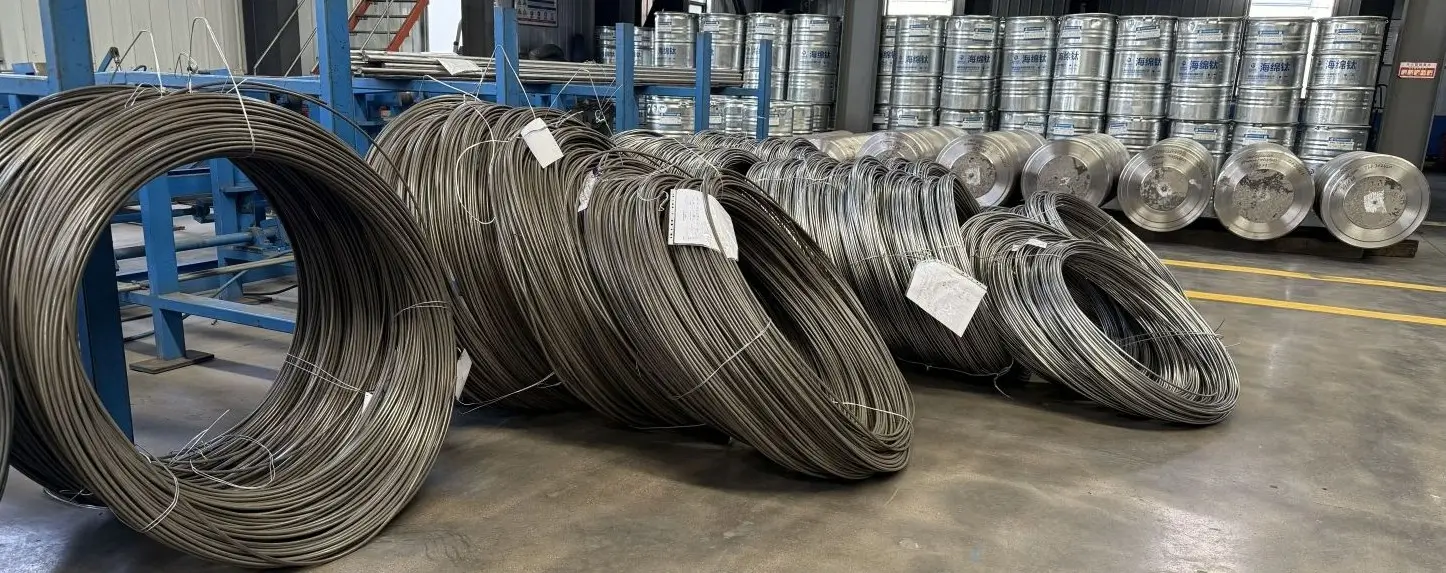
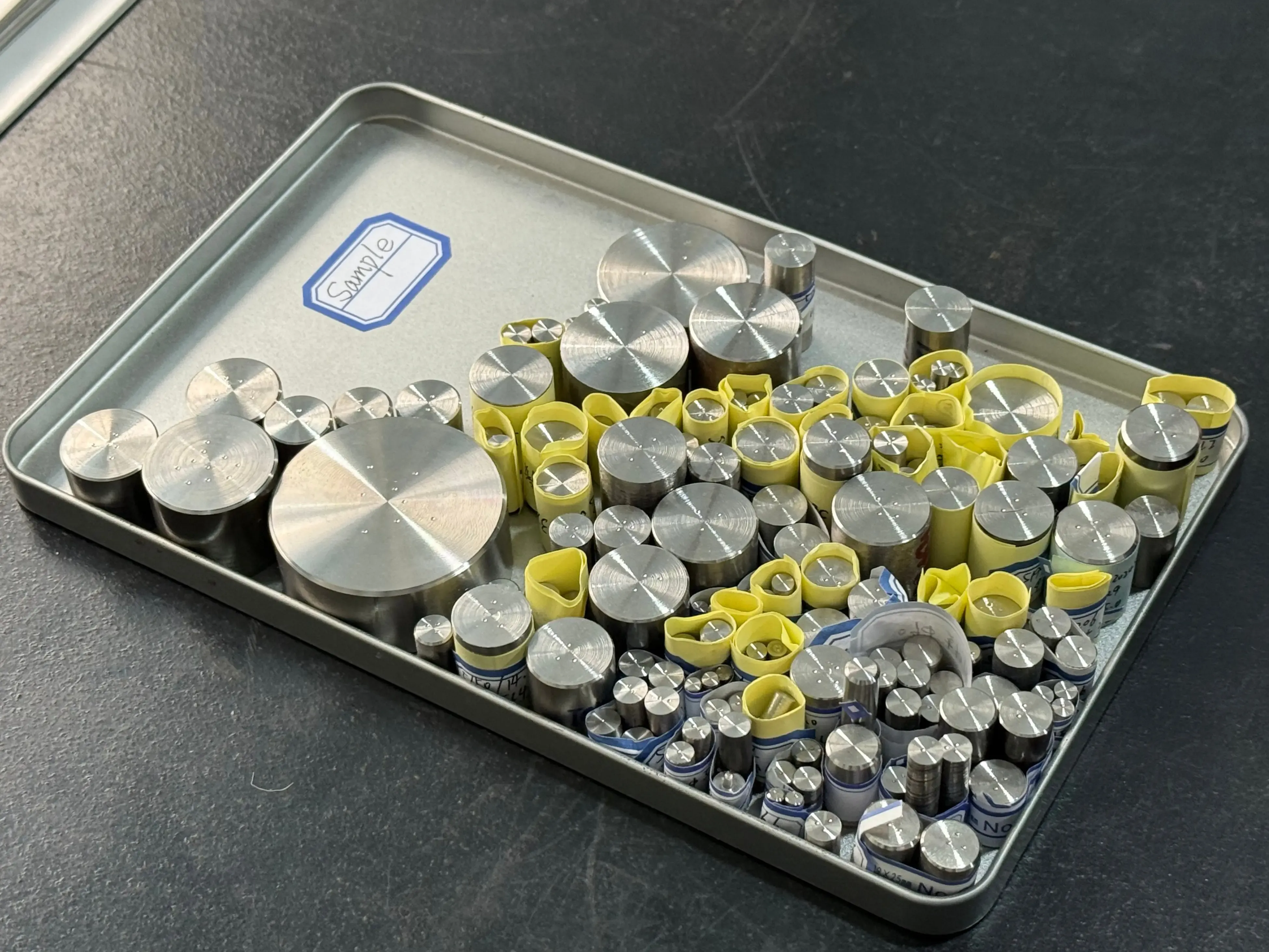
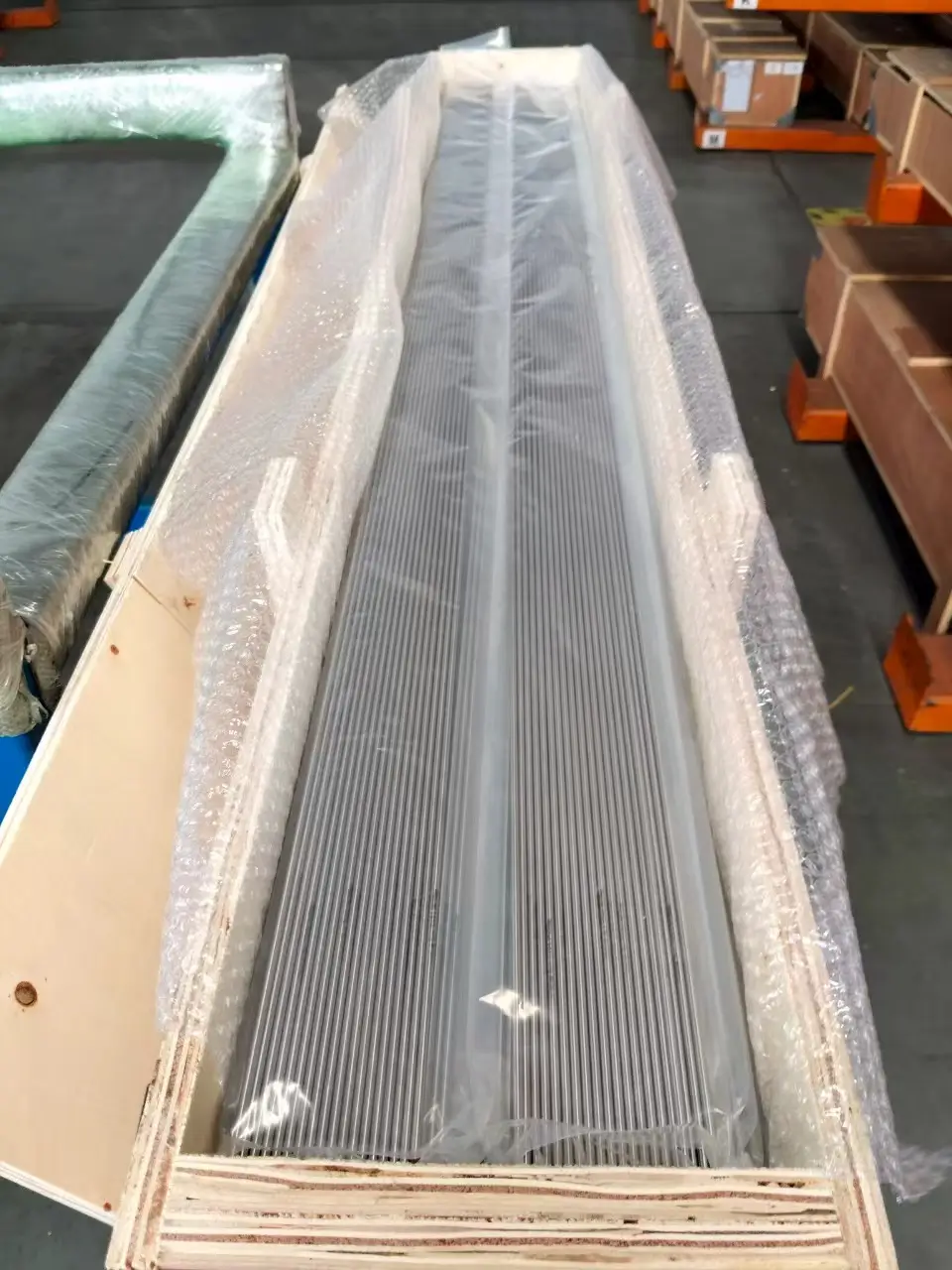
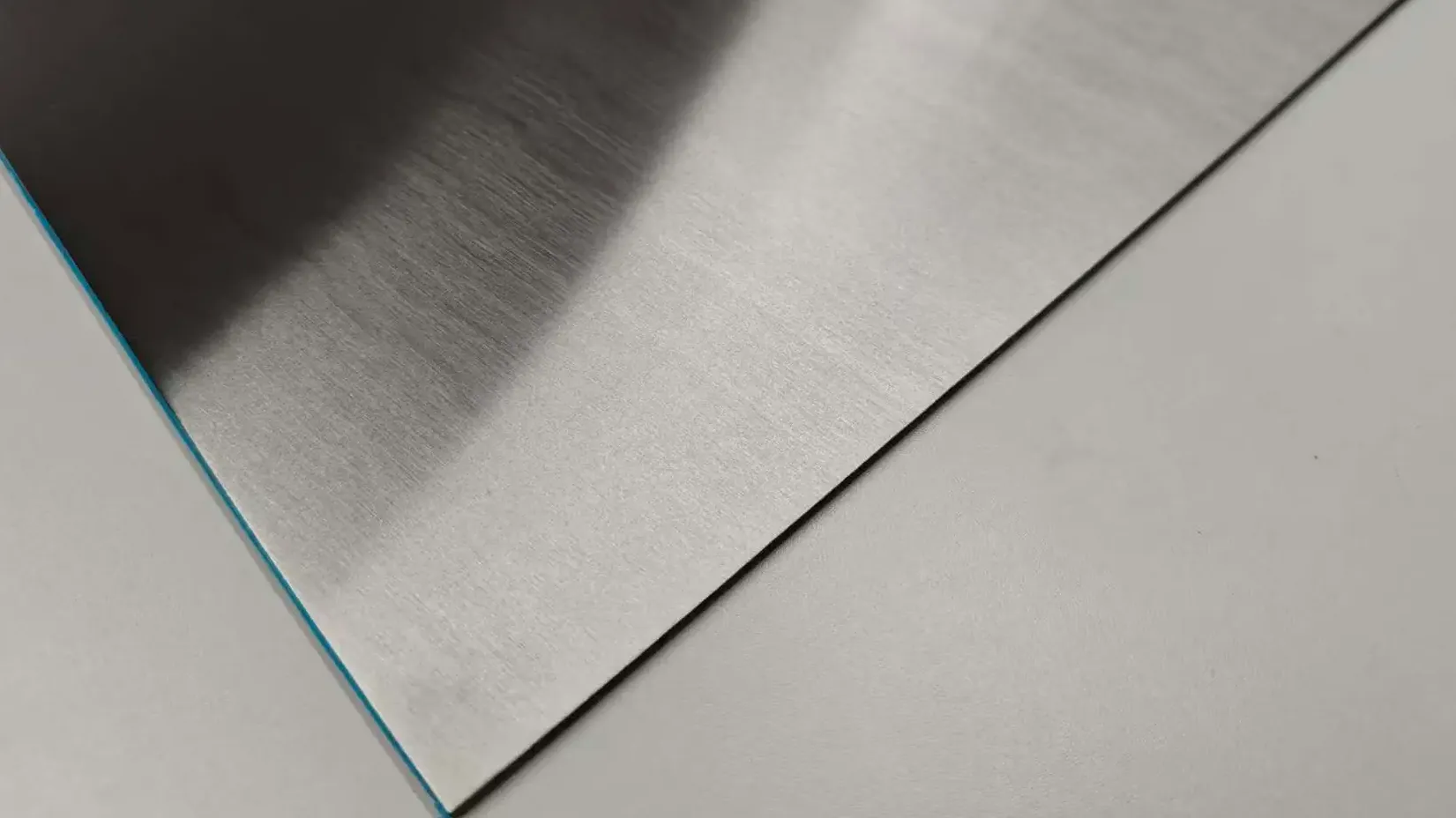
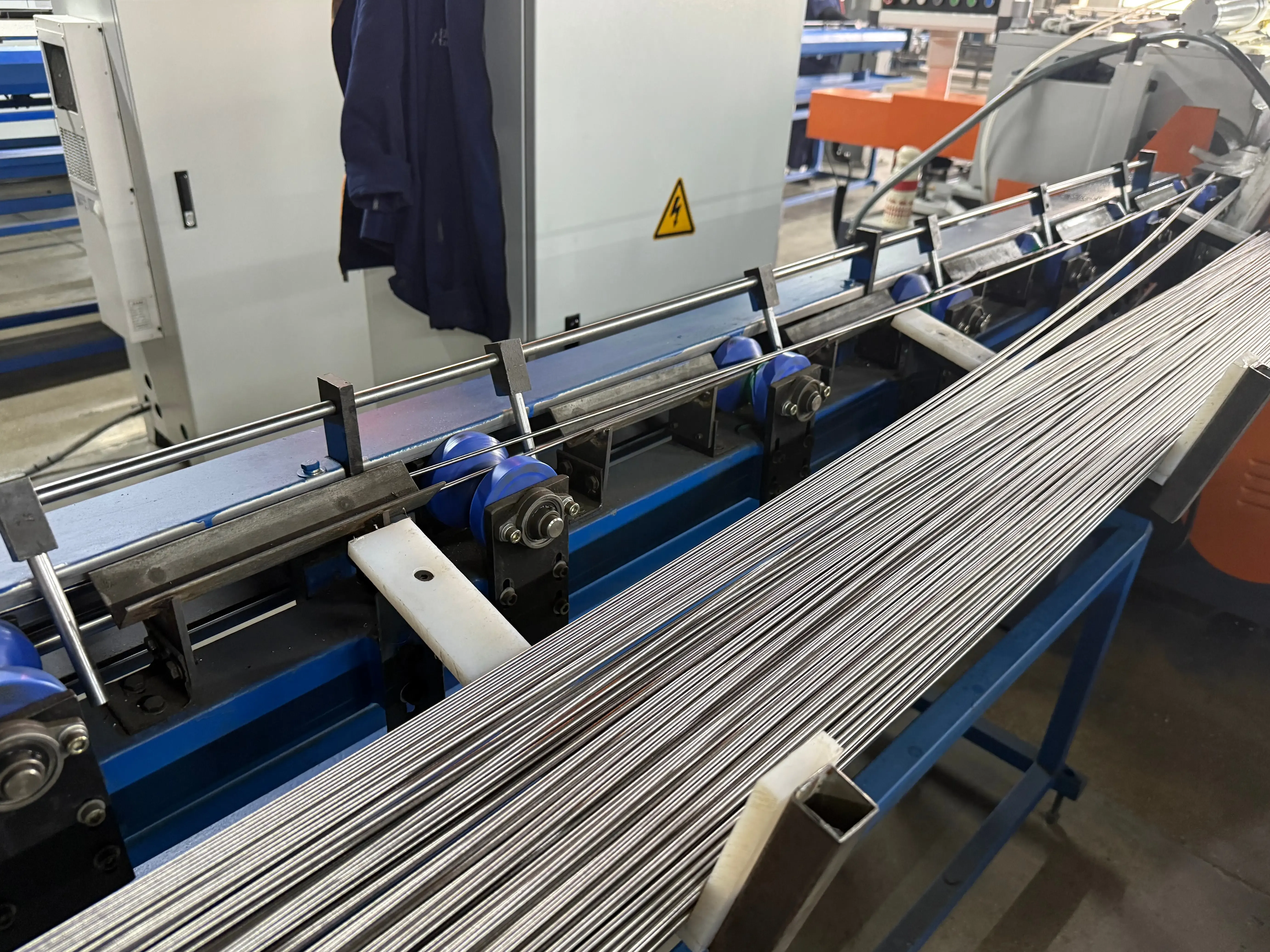
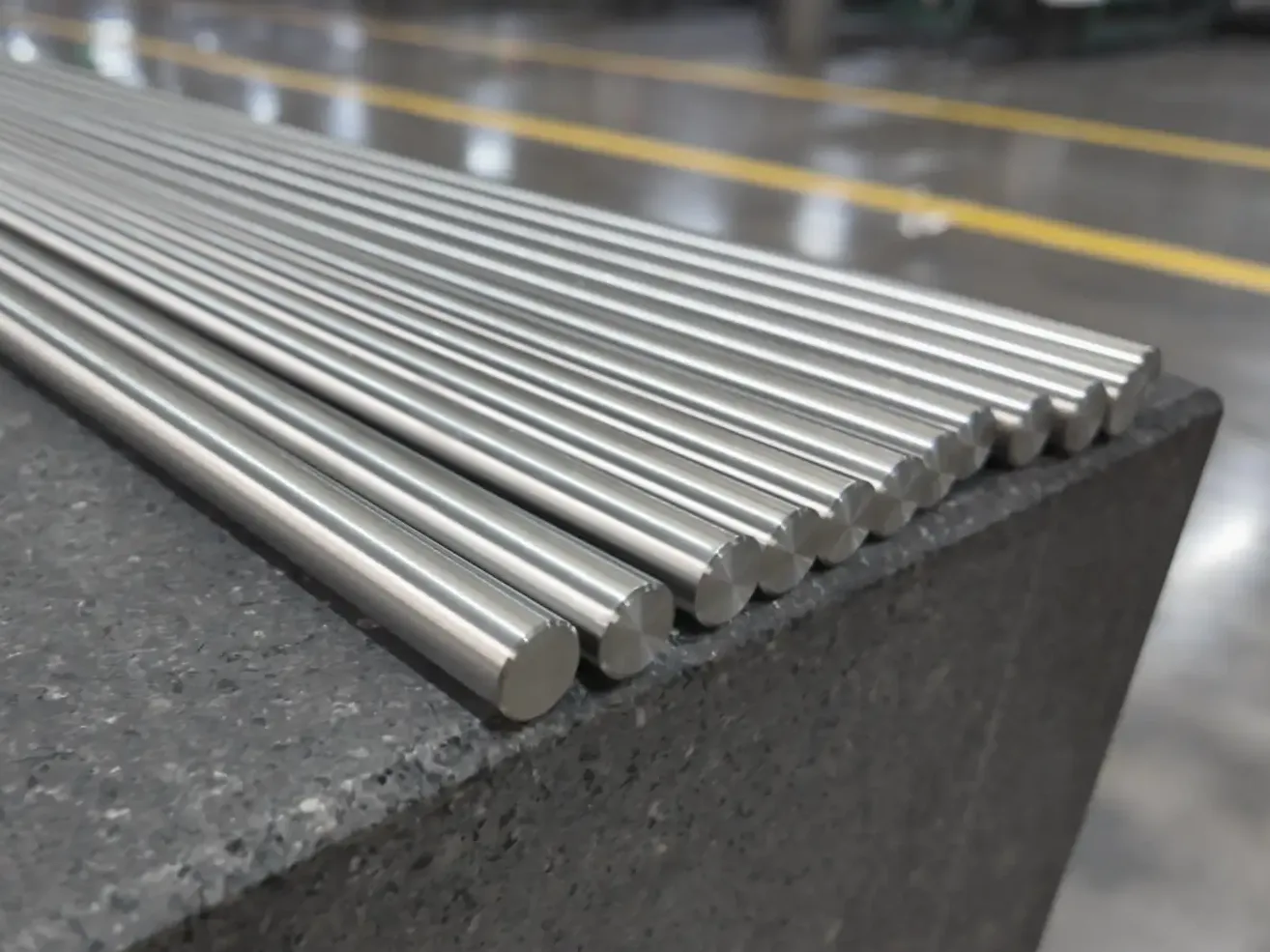
Sunxin can supply 17-7PH stainless steel sheets, bars, wire, tubes and custom cut sizes according to project requirements.
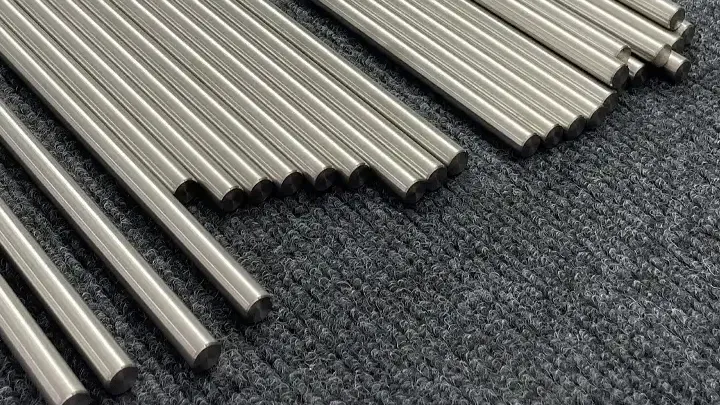
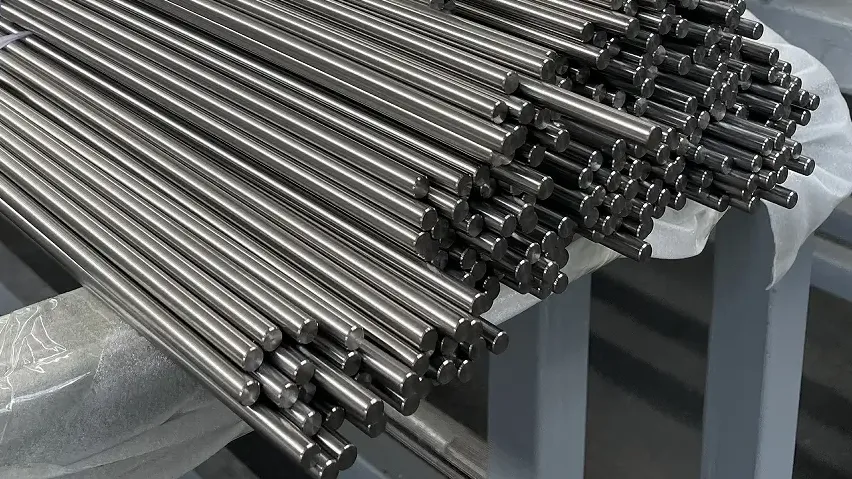
Sheet is available in thicknesses from T0.5 mm to T200.0 mm, with a milled surface finish and supplied in a solution-annealed condition. Bar is available in diameters from Φ1.0 mm to Φ200.0 mm, with a polished or precision-polished surface finish, and tolerance options ranging from h6 to h9.
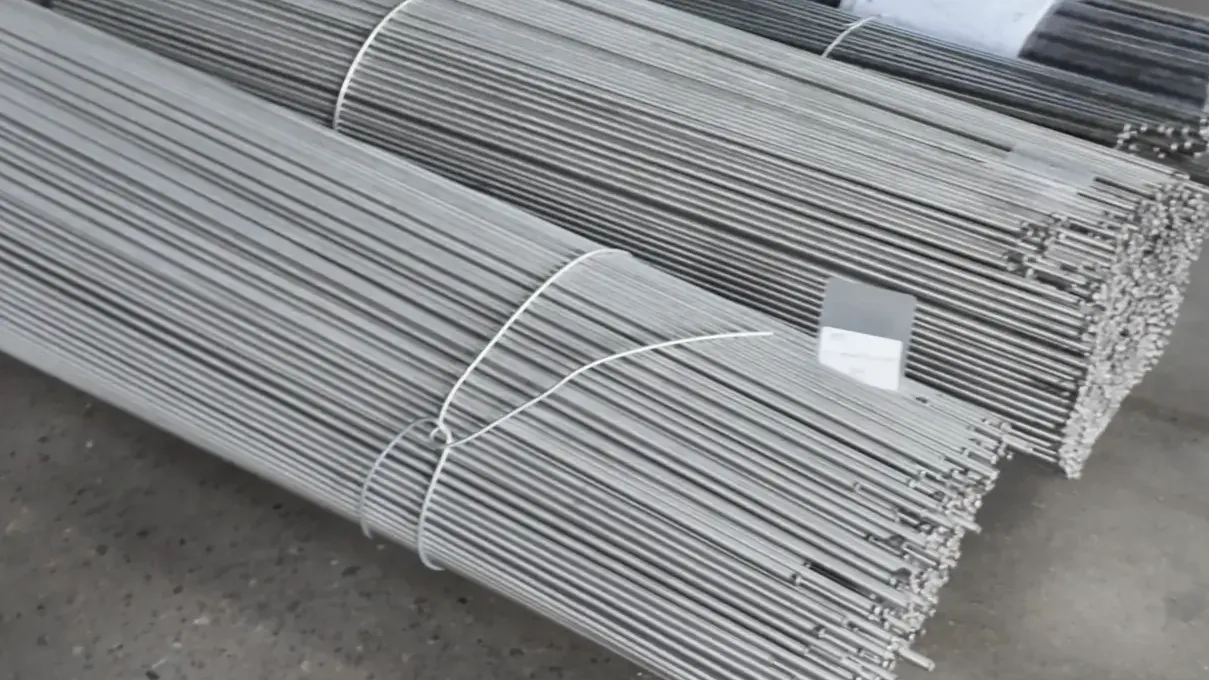
Wire is available in diameters from Φ1.0 mm to Φ3.0 mm. Tubing is available with an outer diameter (OD) of 1.0–10.0 mm and an inner diameter (ID) of 0.08–2.0 mm. Where the customer requires dimensional control or pre-machining preparation, polished or precision-polished surface finishes may be discussed.
As the final properties of 17-7PH are closely related to the heat treatment condition, the delivery condition, target hardness, dimensions, tolerances, surface finish and inspection requirements should be confirmed prior to production.
Whether the project requires aerospace elastic components, medical instrument parts, precision springs, washers, clips, shaft components, pins or industrial spring contacts, Sunxin can assist customers in matching the appropriate material form and delivery condition to the end application.