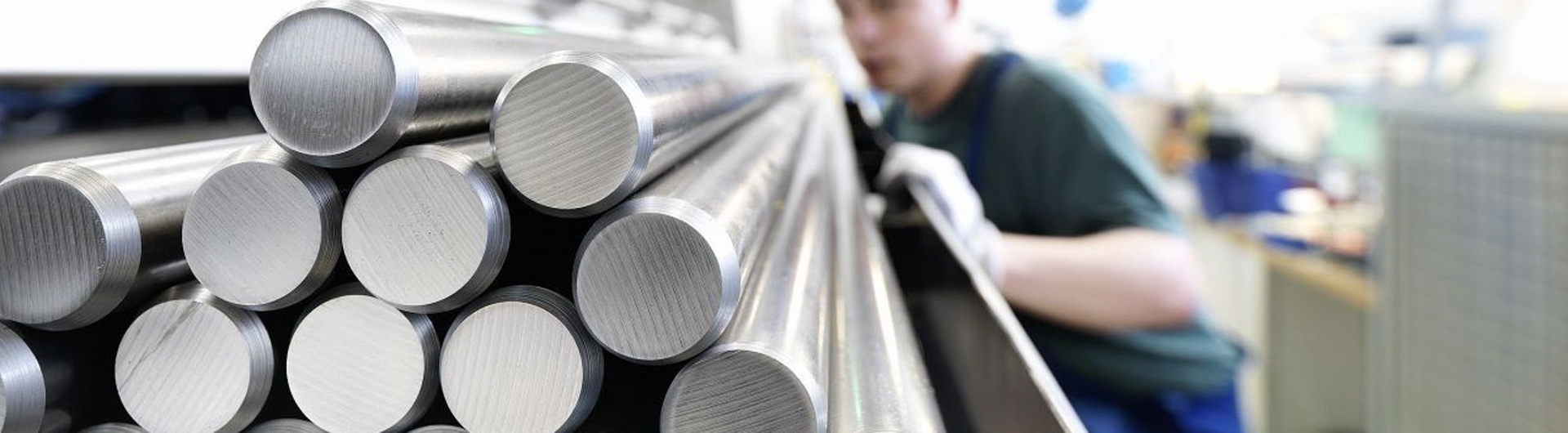

Medical stainless steel is often chosen because it combines strength, machinability, cleanability, and corrosion resistance. But stainless steel is not “corrosion-proof” simply because it contains chromium. Its performance depends heavily on the condition of the surface. After cutting, grinding, polishing, heat treatment, machining, welding, or handling, the surface may carry free iron, embedded particles, machining oils, oxides, sulfides, or other residues that reduce corrosion resistance.
This is where passivation becomes important.
Passivation is a chemical surface treatment used to improve the corrosion resistance of stainless steel by removing free iron and surface contaminants and allowing the stainless steel to form a stable chromium-rich passive oxide layer. In medical applications, passivation is especially important because components may be exposed to sterilization cycles, cleaning chemicals, body fluids, saline environments, blood, tissue residues, and repeated handling. ASTM A967/A967M covers chemical passivation treatments for stainless steel parts, including nitric acid, citric acid, and electrochemical treatments, while ASTM A380/A380M covers cleaning, descaling, pickling, and passivation practices for stainless steel parts and systems.
For manufacturers, passivation is not just a finishing step. It is part of a broader material and process control strategy. A well-passivated stainless steel part is easier to clean, more resistant to corrosion initiation, and more reliable in demanding medical environments. A poorly passivated part, however, may show staining, rust spots, pitting, discoloration, or premature surface failure even when the base material grade is correct.
Why Stainless Steel Needs Passivation
The corrosion resistance of stainless steel comes mainly from chromium. When stainless steel contains enough chromium, the surface can naturally form a thin, invisible oxide film. This film is often called the passive layer. It protects the steel by limiting direct contact between the metal underneath and the surrounding environment.
However, the passive layer can be disturbed during manufacturing. Medical stainless steel parts are rarely used directly after melting or rolling. They usually go through multiple production steps: cutting, forging, bar drawing, cold working, CNC machining, drilling, grinding, polishing, welding, cleaning, and packaging. Each step can change the surface.
For example, machining tools may leave tiny free iron particles on the surface. Grinding can smear metal and embed contaminants. Heat treatment may create oxide scale. Poor cleaning can leave oils or compounds that block uniform passivation. Even handling with carbon steel tools can transfer iron contamination.
These contaminants are small, but their impact can be serious. A tiny iron particle on stainless steel can become the starting point for rust. Once localized corrosion begins, it can develop into staining or pitting. In medical devices, that is unacceptable because the surface must remain clean, stable, and safe during use.
Passivation helps solve this problem by removing surface iron contamination and encouraging the formation of a more uniform passive layer. It does not change the stainless steel into another material, and it does not add a coating. Instead, it improves the surface condition of the existing stainless steel.
Passivation Is Not a Coating
One common misunderstanding is that passivation “covers” stainless steel with a protective coating. This is not accurate.
A coating is an added layer, such as plating, paint, PVD, or polymer film. Passivation is different. It works with the chemistry of stainless steel itself. The treatment removes unwanted surface contaminants and supports the natural chromium oxide film that stainless steel already forms.
This distinction matters for medical applications. Coatings can wear, peel, crack, or delaminate if not designed correctly. A passive layer, by contrast, is extremely thin and naturally connected to the stainless steel surface. It can also reform under suitable conditions if the stainless steel chemistry and environment allow it.
That does not mean passivation makes stainless steel invincible. Chloride-rich environments, poor grade selection, rough surfaces, crevices, and aggressive cleaning chemicals can still cause corrosion. Passivation improves corrosion resistance, but it cannot compensate for the wrong material grade, poor surface finish, improper heat treatment, or bad design.
For B2B buyers, this is a key point: passivation should be understood as one part of the full quality system, not a magic solution applied at the end.
Why Passivation Matters in Medical Stainless Steel
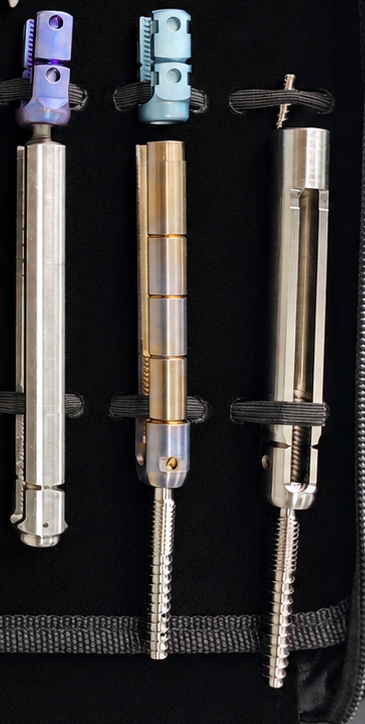
Medical stainless steel is used in many product categories, including surgical instruments, orthopedic instruments, dental instruments, guide pins, fixation tools, needles, reamers, screws, shafts, cutting tools, and components for medical equipment. Some stainless steels are also used in temporary implants or implant-related instruments, depending on the application and regulatory requirements.
These parts face demanding conditions. They may contact saline, blood, tissue fluid, disinfectants, steam sterilization, ultrasonic cleaning solutions, and repeated mechanical wear. Reusable medical devices also go through cleaning, disinfection, and sterilization cycles; the FDA describes reprocessing as a multi-step process that includes cleaning and then disinfection or sterilization, which makes surface cleanability and durability especially important.
A medical stainless steel surface must therefore do more than look bright. It must resist corrosion, avoid contamination traps, and maintain performance through manufacturing, packaging, storage, and use.
Passivation supports these goals in several ways.
First, it reduces the risk of rust caused by free iron contamination. This is especially important after machining or polishing.
Second, it improves surface consistency. A uniform passive layer helps reduce the chance of localized corrosion.
Third, it supports cleanability. A properly cleaned and passivated surface is generally more suitable for medical handling than a surface carrying residues or embedded contamination.
Fourth, it can help manufacturers meet customer expectations and documentation requirements. Many medical device buyers ask whether stainless steel parts are passivated according to recognized specifications, especially ASTM A967/A967M or ASTM A380/A380M.
How the Passivation Process Works
A typical passivation process includes several stages. The exact details depend on the material grade, surface condition, part geometry, customer specification, and applicable standard.
The process usually starts with cleaning. This step is critical. If oils, grease, polishing compounds, or particles remain on the surface, the acid solution may not contact the stainless steel evenly. In that case, passivation may be incomplete.
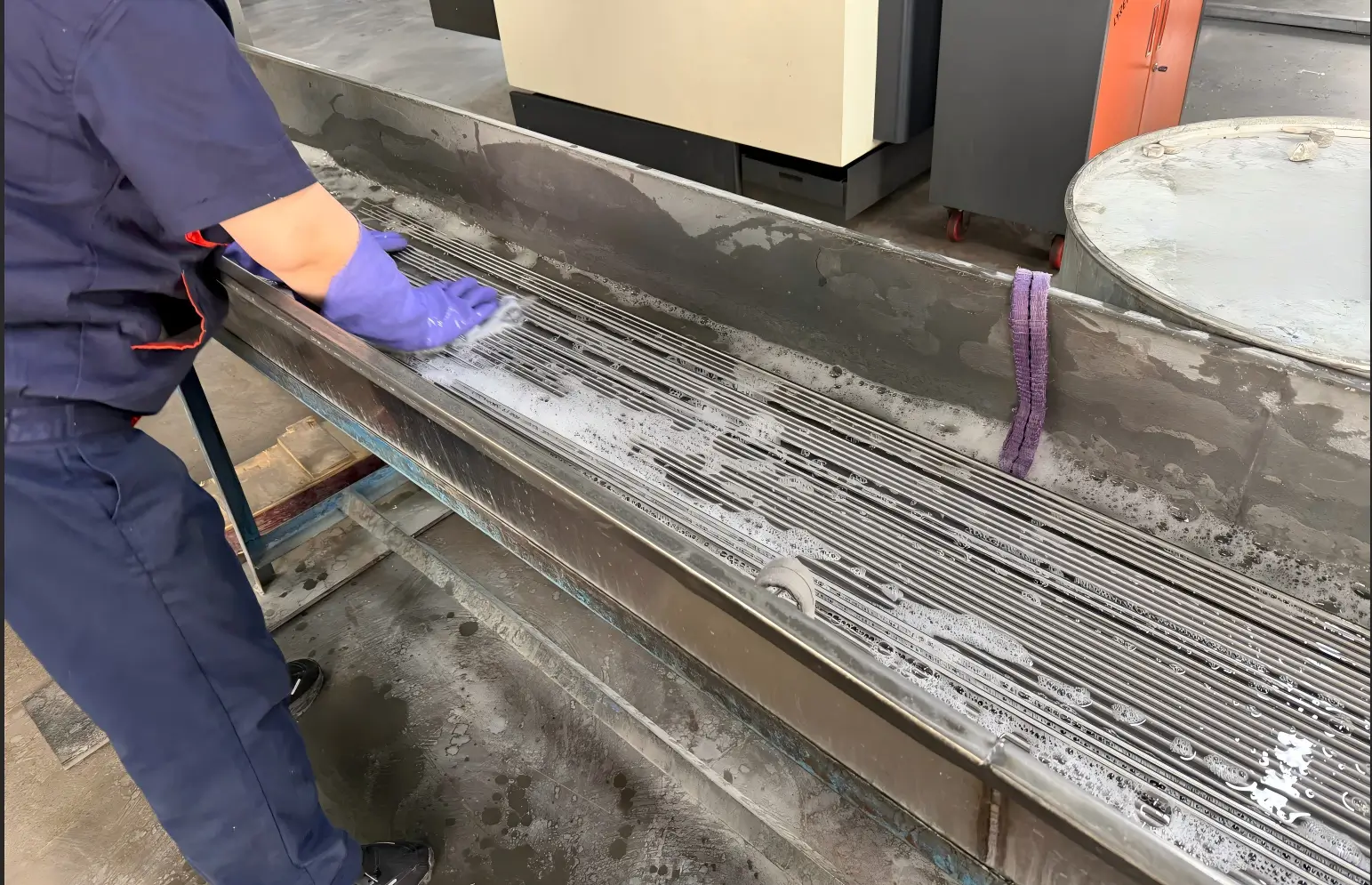
After cleaning, the part is rinsed to remove cleaning residues. Then it is immersed in a passivation bath, usually based on nitric acid or citric acid. The acid dissolves free iron and other surface contaminants without intentionally attacking the stainless steel base material. After treatment, the part is thoroughly rinsed, often with high-quality water, then dried carefully to prevent water spots or recontamination.
A simplified process flow looks like this:
Incoming material inspection
Machining, cutting, grinding, or forming
Degreasing and cleaning
Rinsing
Acid passivation
Final rinsing
Drying
Inspection and verification
Clean packaging
For precision medical parts, the details are extremely important. Blind holes, threaded areas, sharp internal corners, porous surfaces, and small-diameter tubes can trap chemicals or contaminants. If residues remain inside a feature, corrosion risk may increase later. That is why part design and cleaning validation should be considered before passivation, not only after a corrosion issue appears.
Nitric Acid Passivation vs Citric Acid Passivation
Two common chemical passivation methods are nitric acid passivation and citric acid passivation. ASTM A967/A967M recognizes nitric acid and citric acid immersion treatments, as well as electrochemical treatment.
Nitric acid passivation has been used for a long time and is still common in many industrial and medical applications. It is effective for removing free iron and promoting passivity. However, nitric acid is aggressive, requires careful handling, and creates environmental and safety concerns. It may also be less suitable for certain stainless steels or complex assemblies if process control is poor.
Citric acid passivation has become more popular because it is generally considered more environmentally friendly and safer to handle than nitric acid. Citric acid can effectively remove free iron when the process is properly controlled. It is often used for medical, food, pharmaceutical, and precision components where clean processing and lower environmental burden are priorities.
The best choice depends on the stainless steel grade, surface condition, part design, customer requirement, and validation data.
For example, a simple 316LVM machined component may be suitable for citric acid passivation if the supplier has a validated process. A high-carbon martensitic cutting instrument may require more careful process selection because martensitic grades behave differently from austenitic grades. A precipitation-hardening stainless steel such as 17-4PH may also require attention to heat treatment condition, surface finish, and post-treatment inspection.
In other words, nitric vs citric is not simply “old vs new” or “strong vs weak.” The right question is: which passivation process is validated for this material, this geometry, this surface, and this application?
Passivation vs Pickling vs Electropolishing vs Cleaning
Medical device buyers often confuse passivation with other surface treatments. The terms are related, but they are not the same.
Cleaning removes oils, grease, dust, polishing compound, and loose residues. It prepares the surface for later treatment. Cleaning alone does not necessarily remove embedded free iron or restore full corrosion resistance.
Pickling is a more aggressive chemical treatment used to remove heat tint, oxide scale, weld discoloration, or heavy surface contamination. Pickling can remove more material than passivation and is often used before passivation when the surface has scale or oxide layers.
Passivation is a controlled chemical treatment mainly used to remove free iron and improve the passive surface condition. It is usually less aggressive than pickling.
Electropolishing is an electrochemical process that removes a thin layer of metal from the surface. It can reduce micro-roughness, improve cleanability, and enhance corrosion resistance when properly performed. It is common in high-cleanliness applications but is not the same as standard chemical passivation.
For medical stainless steel parts, these treatments can be combined. For example, a part may be cleaned, electropolished, and then passivated, depending on the specification. Another part may only need cleaning and passivation. The correct route depends on the function of the component.
Which Medical Stainless Steel Grades Are Commonly Passivated?
Many stainless steel grades used in medical manufacturing can be passivated, but they do not all respond in the same way.
Austenitic stainless steels such as 304, 316, 316L, and 316LVM are widely used because they offer good corrosion resistance and form stable passive films. Among them, 316LVM is especially important for medical applications because vacuum melting helps improve cleanliness and consistency. It is often used where high material purity and corrosion resistance are important.
Martensitic stainless steels such as 420, 420B, 420C, 440A, 440B, and 440C are commonly used for cutting instruments and tools because they can achieve higher hardness. However, their corrosion resistance is generally lower than that of austenitic grades. Passivation is still important, but the process must be carefully controlled because these grades are more sensitive to corrosion.
Precipitation-hardening stainless steels such as 17-4PH, 17-7PH, Custom 455, and Custom 465 are used where strength, hardness, and dimensional stability are required. These materials are common in medical instruments, surgical tools, shafts, and precision components. Their corrosion performance depends on composition, heat treatment, surface condition, and finishing process.
This is why material selection should happen before passivation planning. If a buyer selects the wrong grade for a chloride-rich or repeated sterilization environment, passivation alone will not solve the problem.
For buyers sourcing stainless steel bars, wires, plates, tubes, or custom blanks, a supplier such as SUNXIN can support early-stage material selection by helping compare grades like 316LVM, 420 series, 440 series, and precipitation-hardening stainless steels according to strength, machinability, corrosion resistance, and downstream finishing requirements. This kind of technical matching is often more useful than choosing a grade only by price.
What Problems Can Poor Passivation Cause?
Poor passivation can create problems that appear late in the supply chain. A part may look acceptable after machining but fail after cleaning, sterilization, packaging, shipping, or customer inspection.
Common problems include rust spots, orange staining, water marks, discoloration, pitting, black residues, inconsistent surface appearance, and customer rejection after corrosion testing.
In medical manufacturing, these issues are expensive. A rejected batch may delay production. A device manufacturer may need to investigate whether the problem comes from raw material, machining coolant, cleaning process, passivation bath, water quality, packaging, or storage environment.
Poor passivation may be caused by several factors:
The part was not cleaned properly before acid treatment.
The acid concentration, temperature, or time was not controlled.
The wrong passivation method was used for the grade.
The surface had heavy scale that required pickling first.
The part had crevices or blind holes that trapped residues.
The rinse water contained contaminants.
The drying process caused water spots or recontamination.
The packaging material introduced chloride or moisture.
Because of these risks, passivation should be documented and verified. It should not be treated as a vague instruction such as “make it stainless” or “anti-rust treatment.” B2B buyers should request clear process standards, inspection methods, and material traceability.
How to Verify Passivation Quality
Passivation quality can be checked through different methods depending on the specification and application. Common verification methods may include visual inspection, water break testing, copper sulfate testing, high humidity testing, salt spray testing, ferroxyl testing, or other corrosion-related checks.
Visual inspection is basic but not enough by itself. A surface may look bright but still contain contamination. Water break testing can help assess surface cleanliness. Copper sulfate testing is often used to detect free iron on austenitic stainless steels, but it may not be suitable for all grades. Salt spray and humidity tests can provide more aggressive corrosion screening, but test selection should match the material and product requirement.
For medical applications, verification should be agreed between buyer and supplier. A surgical instrument manufacturer may require one test method, while a precision medical component buyer may require another. Some buyers may specify ASTM A967/A967M, while others may refer to ASTM A380/A380M or internal company standards.
The key is not only whether a part is “passivated,” but whether the passivation process is controlled, repeatable, and appropriate for the stainless steel grade.
Passivation Starts with Raw Material Quality

Many surface problems blamed on passivation actually begin earlier.
If the raw material has poor cleanliness, excessive inclusions, inconsistent composition, poor surface condition, or unsuitable heat treatment, passivation cannot fully correct the issue. Medical stainless steel requires tighter control than general industrial stainless steel because the final parts often have thin sections, precision dimensions, polished surfaces, and strict inspection standards.
For example, 316LVM wire or bar used for medical components should have stable chemistry, good surface quality, and reliable traceability. Martensitic stainless steel for surgical cutting tools should balance hardness, toughness, and corrosion resistance. Precipitation-hardening stainless steel should have controlled heat treatment response and consistent mechanical properties.
A reliable material supplier helps reduce downstream risk. SUNXIN Medical supplies medical and precision stainless steel materials in forms such as bars, wires, plates, tubes, discs, and customized blanks, with attention to grade selection, material consistency, and processing needs. For buyers who need passivation after machining, starting with stable stainless steel material makes the finishing process easier to control.
This is a subtle but important point for procurement teams: passivation is a surface treatment, but passivation success depends on the whole supply chain.
Passivation Considerations for Different Medical Applications
Different medical products require different surface strategies.
Surgical instruments often need corrosion resistance, hardness, polishability, and repeated sterilization performance. Martensitic stainless steels may be selected for cutting edges, while austenitic stainless steels may be selected for non-cutting components. Passivation helps reduce staining and rust risk, but surface finish and cleaning design are also critical.
Orthopedic instruments may require high strength and wear resistance. 17-4PH, 455, 465, and other high-strength stainless steels may be used depending on the product. These parts often have complex shapes, holes, slots, or threaded areas, so cleaning before and after passivation must be carefully managed.
Dental instruments and implant-related tools may be exposed to saliva, sterilization, and repeated clinical handling. A clean, stable stainless steel surface is important for both performance and appearance. For dental manufacturers, corrosion staining can damage brand trust even if the component still functions.
Medical equipment components may not contact the body directly, but they still need cleanability and long-term resistance to corrosion. Passivation can be important for housings, shafts, fixtures, and fluid-contact parts.
In each case, passivation should be matched to real working conditions rather than treated as a standard checkbox.
What Buyers Should Ask Before Ordering Medical Stainless Steel Parts
When sourcing passivated stainless steel parts or raw materials intended for passivation, buyers should ask practical questions.
What stainless steel grade is being used?
Is it suitable for the final medical application?
What surface condition will be supplied?
Will machining, polishing, welding, or heat treatment happen before passivation?
Which passivation standard will be followed?
Is nitric acid or citric acid passivation required?
What inspection method will confirm passivation quality?
Will the supplier provide material certificates?
Are the parts packaged to prevent recontamination?
Has the process been validated for this grade and geometry?
These questions help avoid one of the most common problems in medical manufacturing: treating surface finishing as an afterthought.
For B2B buyers, the best results usually come from discussing material selection, machining route, surface finish, passivation, inspection, and packaging together. When each step is separated without communication, small surface risks can accumulate into expensive quality problems.
Common Misconceptions About Passivation
One misconception is that all stainless steel automatically needs the same passivation process. In reality, 316LVM, 420, 440C, and 17-4PH do not behave the same way. Different grades may require different treatment conditions.
Another misconception is that passivation removes all surface defects. It does not. Deep scratches, heavy scale, embedded abrasive particles, heat tint, burrs, and rough surfaces may require mechanical polishing, pickling, electropolishing, or process correction before passivation.
A third misconception is that stronger acid always gives better results. Overly aggressive treatment can create problems, especially with sensitive grades or poor process control. Passivation should be controlled, not simply intensified.
A fourth misconception is that passivation replaces material quality. It cannot. If the stainless steel grade is unsuitable for the environment, passivation will not make it perform like a higher-corrosion-resistant alloy.
The best way to view passivation is simple: it is a necessary surface optimization step, not a substitute for correct material engineering.
FAQ: Passivation in Medical Stainless Steel
1. What does passivation mean in medical stainless steel?
Passivation is a chemical treatment that removes free iron and surface contaminants from stainless steel and supports the formation of a stable chromium-rich passive layer. In medical stainless steel, it helps improve corrosion resistance, cleanliness, and long-term surface stability.
2. Is passivation required for all medical stainless steel parts?
Not always, but it is commonly required or strongly recommended after machining, grinding, polishing, welding, or other processes that may contaminate the surface. Many medical device manufacturers specify passivation for stainless steel components to reduce corrosion risk.
3. Does passivation make stainless steel rust-proof?
No. Passivation improves corrosion resistance, but it does not make stainless steel completely immune to corrosion. Grade selection, surface finish, cleaning, sterilization conditions, design, packaging, and environment all affect corrosion performance.
4. What is the difference between nitric acid and citric acid passivation?
Nitric acid passivation is a traditional method with strong oxidizing ability, while citric acid passivation is often chosen for its lower environmental and handling concerns. Both can be effective when properly controlled and validated. The best choice depends on the stainless steel grade, part geometry, and customer specification.
5. Can 316LVM stainless steel be passivated?
Yes. 316LVM is commonly passivated for medical applications. Its corrosion resistance and material cleanliness make it suitable for many medical components, but the passivation process must still be properly controlled.
6. Can martensitic stainless steels like 420 or 440C be passivated?
Yes, but they require more careful process control because their corrosion resistance is generally lower than austenitic grades such as 316L. These grades are often used for cutting instruments due to their hardness, so passivation must be matched with heat treatment and surface finishing.
7. Is electropolishing the same as passivation?
No. Electropolishing removes a thin layer of metal electrochemically and can improve smoothness and cleanability. Passivation mainly removes free iron and promotes the passive oxide layer. Some medical parts may use both processes.
8. What standards are commonly used for stainless steel passivation?
ASTM A967/A967M and ASTM A380/A380M are commonly referenced for stainless steel passivation and cleaning/passivation practices. Some applications may also use customer-specific requirements or industry-specific validation procedures.
9. Why do stainless steel parts rust after passivation?
Possible causes include poor cleaning before passivation, wrong acid process, trapped residues, unsuitable grade selection, contaminated rinse water, rough surface finish, chloride exposure, poor packaging, or recontamination after treatment.
10. What should buyers check when sourcing medical stainless steel materials?
Buyers should check grade, standard, surface condition, heat treatment, traceability, mechanical properties, corrosion requirements, and whether the material is suitable for downstream machining and passivation. Working with a supplier familiar with medical stainless steel grades can reduce later finishing problems.
Conclusion
Passivation is one of the most important surface treatments for medical stainless steel. It helps remove free iron, improves the passive surface condition, and reduces the risk of corrosion in demanding medical environments. But passivation is not a coating, not a repair method for poor material, and not a universal solution for every stainless steel grade.
For medical device manufacturers, the best results come from combining proper material selection, clean machining, controlled surface finishing, validated passivation, suitable inspection, and clean packaging. Whether the application involves surgical instruments, dental tools, orthopedic components, or medical equipment parts, passivation should be considered early in the manufacturing plan.
For buyers, the practical question is not only “Is the part passivated?” but also “Is the material suitable, is the surface properly prepared, and is the passivation process controlled for this application?”
When medical stainless steel is selected and processed correctly, passivation becomes a powerful finishing step that supports safety, reliability, and long-term product performance.
Related News
-
 Introduction: Why This Comparison Matters More Than You ThinkWhen sourcing stainless steel for industrial, medical, or manufacturing applications, one of the most common—and critical—decisions buyers face is choosing between 304 and 316 stainless steel.At first glance, they look nearly identical. Bo