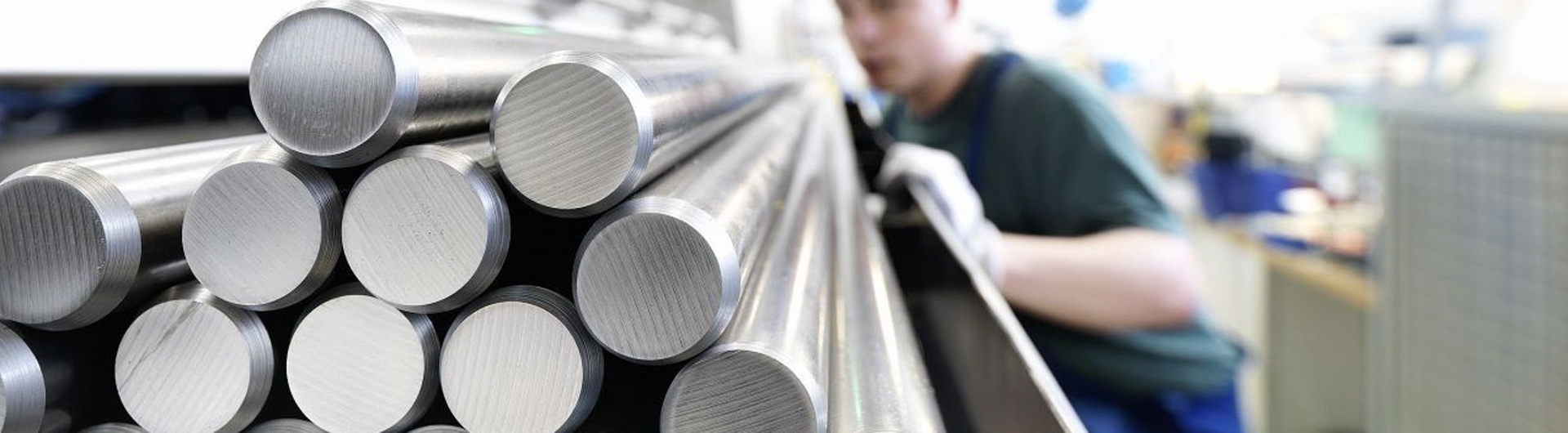

Metal allergy is no longer a small side topic in implant material selection. For medical device manufacturers, orthopedic implant producers, dental implant brands, contract manufacturers, and distributors, it has become part of a broader question: how do we choose implant materials that balance mechanical performance, corrosion resistance, regulatory expectations, patient safety, and supply-chain reliability?
The answer is not as simple as saying “titanium is safe” or “stainless steel causes allergy.” Implant materials behave differently depending on alloy composition, surface condition, manufacturing quality, cleaning, passivation, mechanical loading, wear, corrosion, and the biological environment in which the device is used. Even a well-known implant alloy can create problems if the wrong grade is selected, if the surface is poorly processed, or if traceability is weak.
For B2B buyers, this topic is especially important because metal allergy is not only a clinical issue. It can affect product positioning, regulatory documentation, customer confidence, complaint handling, and long-term brand reputation. FDA biocompatibility guidance is built around evaluating whether body-contacting devices may create an unacceptable biological response, and it refers to ISO 10993-1 as a risk-management framework for biological evaluation.
What Is Metal Allergy in Implant Materials?
Metal allergy, often discussed as metal hypersensitivity, is an immune response to metal ions or metal-containing particles released from an implant or device surface. In many cases, the reaction is described as delayed-type hypersensitivity rather than an immediate allergic reaction. Nickel is the most widely recognized metal allergen, but cobalt and chromium are also important in implant-related discussions.
A key point for manufacturers is that patients are rarely allergic to a finished “implant” as a whole. The body reacts to specific metal ions, corrosion products, wear debris, or other material-related substances. This distinction matters because the same alloy family may perform very differently depending on cleanliness, microstructure, surface roughness, passivation, coating, and mechanical design.
A PubMed-indexed review on nickel allergy and orthopedic implants notes that many metals used in orthopedic surgical implants are immunologically active, that most implant-related metal hypersensitivity reactions are delayed-type reactions, and that nickel-related allergic contact dermatitis is the most common form of metal hypersensitivity. It also emphasizes that metal hypersensitivity-associated failures are usually a diagnosis of exclusion, meaning infection, mechanical failure, instability, loosening, and other causes must be investigated first.
This is why serious implant material selection should not rely on vague phrases such as “surgical metal,” “medical grade,” or “hypoallergenic.” A professional buyer should ask: What alloy? Which standard? Which heat condition? What surface condition? What certificate? What trace-element control? What biocompatibility history?
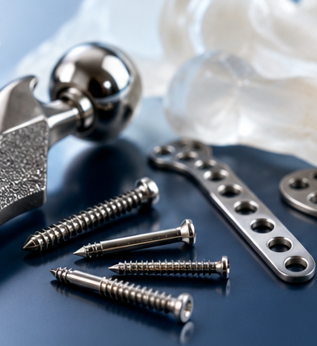
Why Metal Allergy Matters for B2B Implant Buyers
For a medical device company, material choice is not only about the patient’s immediate reaction. It influences the entire product lifecycle.
First, material selection affects regulatory preparation. For implant devices contacting tissue or bone, the FDA’s biocompatibility endpoint framework includes sensitization as one of the biological effects to be considered for limited, prolonged, and long-term contact. Other endpoints such as cytotoxicity, irritation, systemic toxicity, implantation, chronic toxicity, and carcinogenicity may also need to be addressed depending on the device category and duration of contact.
Second, material choice affects commercial risk. A distributor or implant brand may face difficult questions from hospitals, surgeons, dentists, or regulatory reviewers if the material is poorly documented. “316L” alone may not be enough. “Titanium” alone may not be enough. “CoCrMo” alone may not be enough. Buyers increasingly want material traceability, standards alignment, and batch-level documentation.
Third, allergy-related concerns can influence product differentiation. Some brands may position titanium, ceramic, or selected surface treatments as lower-allergy options. However, manufacturers must be careful not to make exaggerated claims. A material can be biocompatible and widely used, but that does not mean it is impossible for a sensitive patient to react.
Common Implant Metals and Allergy Risk
Titanium and Titanium Alloys
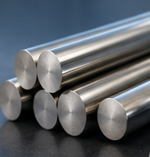
Titanium is one of the most widely used implant materials because of its high corrosion resistance, strong oxide layer, good strength-to-weight ratio, and long clinical history. Commercially pure titanium is common in dental implants, while Ti-6Al-4V and Ti-6Al-4V ELI are widely used in orthopedic, dental, and surgical applications.
ISO 5832-3 specifies characteristics and test methods for wrought Ti-6Al-4V alloy used in surgical implant manufacturing, while ASTM F136 covers chemical, mechanical, and metallurgical requirements for wrought annealed Ti-6Al-4V ELI alloy for surgical implant applications.
From an allergy perspective, titanium is generally considered one of the preferred metallic implant options. But “preferred” does not mean “zero risk.” A 2026 systematic review on titanium hypersensitivity in dental implants describes titanium dental implants as widely regarded as a gold standard because of mechanical strength and biocompatibility, while also noting that reported cases of titanium hypersensitivity exist and that current evidence suggests the condition is rare but clinically relevant.
For B2B buyers, the lesson is clear: titanium is often a strong choice for allergy-sensitive applications, but the supplier still needs to control chemistry, surface contamination, machining residues, cleaning, and documentation.
Stainless Steel Implant Materials
Stainless steel has a long history in surgical devices, especially plates, screws, instruments, trauma fixation devices, and some temporary or semi-permanent implants. However, not all stainless steel is the same.
For implant applications, buyers should distinguish general industrial 316L from implant-grade stainless steel such as ASTM F138 / ISO 5832-1 material. ISO 5832-1:2024 specifies wrought stainless steel for surgical implants and notes that the alloy corresponds to UNS S31673 in ASTM F138 and ASTM F139. ASTM F138 specifically refers to wrought 18Cr-14Ni-2.5Mo stainless steel bar and wire for surgical implants, UNS S31673.
The allergy issue is that implant-grade stainless steel contains nickel as part of the alloy system. Nickel helps stabilize the austenitic structure, but it is also the most recognized metal allergen. This does not mean implant-grade stainless steel is automatically unsafe. It means that stainless steel should be selected carefully, documented clearly, and used with awareness of the target application and patient population.
For manufacturers, stainless steel can still be valuable where strength, cost efficiency, manufacturability, and established use matter. But if the customer specifically asks for low-nickel or nickel-sensitive implant solutions, titanium or other alternatives may be more suitable.
Cobalt-Chromium-Molybdenum Alloys
CoCrMo alloys are valued for high strength, wear resistance, fatigue performance, and hardness. They are widely used in joint components, dental frameworks, and high-load applications where wear resistance is critical. ASTM F75 covers cobalt-28 chromium-6 molybdenum alloy castings and casting alloy for surgical implant applications, including chemical, mechanical, and metallurgical requirements.
The allergy discussion around CoCrMo is more complex. Cobalt and chromium are both associated with metal sensitivity. At the same time, CoCrMo may be chosen because it performs well under high mechanical stress and wear conditions. In other words, the material may carry a higher allergy concern than titanium in some contexts, but it may also provide mechanical advantages that are difficult to replace.
For device engineers, the real question is not “Is CoCrMo good or bad?” The better question is: Is CoCrMo necessary for the load, wear, articulation, and design requirements of this device? If yes, how will the company control surface finishing, wear, ion release, and patient risk communication?
Nitinol
Nitinol is a nickel-titanium alloy used in many minimally invasive medical devices because of its shape memory and superelastic behavior. It is especially important in stents, guidewires, filters, and other devices that require flexibility and recovery. Because nitinol contains a high percentage of nickel, it requires careful processing and surface control.
For allergy-sensitive discussions, nitinol should not be treated the same as titanium. Its clinical success depends heavily on stable surface oxide layers, corrosion resistance, design validation, and regulatory evidence. It can be an excellent material for specific devices, but it is not usually the first answer when a buyer simply asks for “low allergy implant material.”
Ceramic and Zirconia Alternatives
Ceramic materials, especially zirconia in dental applications, are sometimes discussed as metal-free alternatives. They can be useful when metal sensitivity is a major concern or when aesthetic requirements are important. However, ceramics also bring limitations: brittleness, lower design flexibility, different fatigue behavior, and stricter processing requirements.
For B2B manufacturers, ceramic should not be marketed as a universal replacement for titanium or CoCrMo. It is better positioned as an application-specific alternative where design, loading, regulatory pathway, and clinical use support it.
Material Comparison for Allergy-Sensitive Implant Selection
Material | Main Advantage | Allergy Concern | Typical B2B Use Case | Buyer Note |
|---|---|---|---|---|
Commercially pure titanium | Excellent corrosion resistance and biocompatibility | Rare titanium hypersensitivity reported | Dental implants, craniofacial, selected orthopedic uses | Good option for allergy-sensitive positioning |
Ti-6Al-4V / Ti-6Al-4V ELI | High strength-to-weight ratio, strong implant history | Rare sensitivity; surface and debris still matter | Orthopedic, dental, surgical implants | Ask for ASTM F136 or ISO 5832-3 alignment |
Implant-grade stainless steel | Strength, cost efficiency, machinability | Contains nickel | Trauma plates, screws, instruments, some fixation devices | Avoid vague “surgical steel”; confirm ASTM F138 / ISO 5832-1 |
CoCrMo | High wear resistance and strength | Cobalt/chromium sensitivity concern | Joint components, dental frameworks, high-wear areas | Useful when wear performance is critical |
Nitinol | Shape memory, superelasticity | High nickel content | Stents, guidewires, minimally invasive devices | Requires strong corrosion and surface validation |
Zirconia / ceramic | Metal-free, aesthetic, corrosion resistant | Not metal allergy-related, but brittle design risk | Dental implants, abutments, selected components | Not a direct replacement for all metal implants |
The Hidden Factor: Metal Ion Release
Many allergy-related discussions focus only on alloy composition, but the body does not “read” a material certificate. It interacts with the surface.
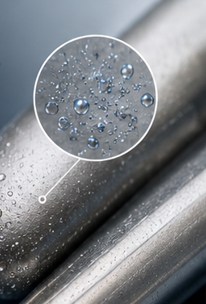
Metal ions can be released through corrosion, fretting, wear, galvanic coupling, surface damage, or debris generation. Two implants made from the same nominal alloy may behave differently if one has poor surface finishing, residual contamination, improper passivation, or inconsistent cleaning.
This is where manufacturing quality becomes just as important as alloy selection. A high-quality titanium bar or CoCrMo blank is only the starting point. Machining, polishing, heat treatment, ultrasonic cleaning, passivation, packaging, and storage all influence the final biological risk profile.
For this reason, buyers should evaluate material suppliers not only by price per kilogram, but also by quality discipline. A supplier such as SUNXIN should not simply claim that a material is “safe.” The stronger B2B approach is to provide grade clarity, standard alignment, chemical analysis, mechanical properties, lot traceability, and support for the buyer’s internal risk documentation.
How to Choose Implant Materials for Patients with Metal Allergy Concerns
When a customer asks, “Which implant material is best for metal allergy?” the answer should be structured, not emotional.
First, identify the allergen of concern. Is the concern nickel, cobalt, chromium, titanium, aluminum, vanadium, or a general history of jewelry reactions? Nickel allergy is much more common than titanium hypersensitivity, so the risk profile is different.
Second, identify the device type. A dental implant, trauma plate, hip bearing surface, spinal component, orthodontic wire, and vascular stent have very different mechanical and biological requirements.
Third, identify contact duration and tissue environment. A long-term bone implant requires a different biological evaluation than a temporary instrument or external device. FDA’s endpoint framework separates device categories and contact durations, which is why buyers cannot use one universal answer for all products.
Fourth, compare material options by both allergy risk and engineering performance. Titanium may be excellent for many bone-contacting devices, but CoCrMo may still be needed for high-wear components. Stainless steel may be acceptable in some fixation systems, but less attractive for buyers specifically targeting nickel-sensitive populations.
Fifth, review documentation. At minimum, B2B buyers should request material grade, standard, heat number, chemical composition, mechanical properties, inspection results, and any relevant surface or processing information.
What Buyers Should Ask an Implant Material Supplier
A serious implant material supplier should be able to answer more than “Do you have titanium?”
Buyers should ask:
Which exact grade and standard does the material meet?
Is the titanium ASTM F136, ASTM F67, ISO 5832-2, or ISO 5832-3?
Is the stainless steel ASTM F138 / ISO 5832-1, or only general 316L?
Is CoCrMo cast, forged, wrought, or powder-based?
Can you provide chemical composition and mechanical test reports by heat number?
How do you control surface contamination and mixed-material handling?
Can you support small-batch development and stable repeat supply?
Can you provide consistent bar, rod, wire, sheet, plate, or custom-cut forms?
What inspection methods are used for dimensions, surface, and material conformity?
Can the documentation support the buyer’s ISO 10993 or regulatory file preparation?
This kind of supplier evaluation is especially important for companies developing orthopedic implants, dental implants, surgical instruments, spinal systems, trauma fixation devices, and other body-contacting products.
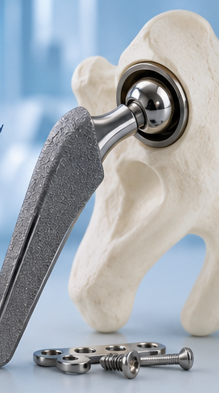
Why “Hypoallergenic Implant Material” Can Be a Risky Claim
The word “hypoallergenic” can attract search traffic, but it should be used carefully. In SEO content, it is better to explain that some materials may be preferred for allergy-sensitive cases, rather than promising that any metal is completely allergy-free.
For example, titanium is often described as highly biocompatible and is commonly selected when nickel allergy is a concern. But rare titanium hypersensitivity has been reported in dental implant literature. Stainless steel may be implant-grade and widely used, but it contains nickel. CoCrMo may perform well mechanically, but cobalt and chromium can be relevant allergens. Nitinol can be clinically valuable, but it contains substantial nickel.
A more credible B2B message is: “Material selection should be based on alloy chemistry, application requirements, surface condition, regulatory evidence, and patient risk factors.” That sentence builds trust. It also sounds more professional than overclaiming.
The Role of Standards in Reducing Material Risk
Standards do not eliminate allergy risk, but they reduce uncertainty. They define chemistry, mechanical properties, test methods, and material expectations. For implant metals, standards such as ASTM F136, ASTM F138, ASTM F75, and ISO 5832 series help manufacturers communicate clearly with device companies and regulatory teams.
For example, ASTM F136 defines requirements for wrought annealed Ti-6Al-4V ELI used in surgical implant manufacturing, including product forms such as strip, sheet, plate, bar, forging bar, and wire. ISO 5832-1:2024 defines wrought stainless steel for surgical implants and links the alloy to UNS S31673 in ASTM F138 and ASTM F139.
For B2B buyers, this means the purchase order should not only say “titanium rod” or “stainless steel bar.” It should specify the grade, standard, size, tolerance, surface condition, certificate requirement, and intended application.
Sunxin, as a medical metal material supplier, can be naturally positioned here: the value is not simply selling metal, but helping buyers receive implant-related titanium, stainless steel, CoCrMo, and specialty alloys with clearer grade identification and traceable documentation for manufacturing evaluation.
Practical Material Selection Strategy
For most implant projects, a practical strategy looks like this:
If the device requires bone contact, corrosion resistance, and good biocompatibility, titanium or titanium alloy is often the first material family to evaluate.
If the device requires high wear resistance or high hardness, CoCrMo may be considered, especially in articulating or load-bearing components.
If the device requires cost-effective strength, established manufacturing, and the application allows nickel-containing material, implant-grade stainless steel may still be suitable.
If the customer wants a metal-free solution, zirconia or ceramic may be evaluated, but only if the design can manage brittleness and fatigue concerns.
If the device requires shape memory or superelasticity, nitinol may be necessary, but it requires strong surface and corrosion validation due to nickel content.
The best material is not the one with the strongest marketing claim. It is the one that fits the biological contact, mechanical load, manufacturing process, regulatory pathway, and end-user risk profile.
FAQ: Metal Allergy and Implant Materials
1. What is the most common metal allergy related to implants?
Nickel is the most commonly discussed metal allergen in implant-related hypersensitivity. Cobalt and chromium are also important, especially in CoCrMo alloys and some orthopedic applications.
2. Is titanium safe for people with metal allergy?
Titanium is generally considered one of the more biocompatible implant metals and is often selected when nickel allergy is a concern. However, rare titanium hypersensitivity cases have been reported, especially in dental implant literature, so it should not be described as impossible to react to.
3. Does 316L stainless steel contain nickel?
Yes. Austenitic stainless steels such as 316L and implant-grade stainless steel contain nickel as part of the alloy system. For implant use, buyers should distinguish general 316L from implant-grade stainless steel such as ASTM F138 / ISO 5832-1 material.
4. Is CoCrMo suitable for patients with metal allergy?
CoCrMo can be suitable for certain high-load or high-wear implant applications, but cobalt and chromium are relevant allergens. If a patient has known cobalt or chromium sensitivity, the device manufacturer or clinician may need to consider alternatives.
5. Are ceramic implants better for metal allergy?
Ceramic or zirconia implants can be useful in some metal-sensitive cases because they are metal-free. However, ceramics have different mechanical limitations and are not a universal replacement for titanium, stainless steel, or CoCrMo.
6. Can metal allergy cause implant failure?
Metal hypersensitivity has been discussed as a possible contributor to implant-related complications, but it is usually considered a diagnosis of exclusion. Infection, loosening, mechanical overload, wear, instability, and surgical factors must be evaluated first.
7. What should manufacturers do to reduce allergy-related risk?
Manufacturers should use recognized implant material standards, maintain lot traceability, control surface contamination, document chemical composition, validate cleaning and finishing processes, and avoid vague material descriptions.
8. What is the best implant material supplier choice for allergy-sensitive projects?
The best supplier is one that provides not only material stock, but also clear standards, certificates, traceability, stable quality, and technical communication. For buyers evaluating titanium, CoCrMo, implant-grade stainless steel, or specialty medical alloys, Sunxin can be introduced as a material partner focused on consistent medical metal supply rather than broad, unsupported “hypoallergenic” claims.
Conclusion
Metal allergy is not a reason to avoid all metallic implant materials. It is a reason to choose materials more carefully.
Titanium and titanium alloys are often preferred for their biocompatibility and corrosion resistance. Implant-grade stainless steel remains useful in many applications, but nickel content must be understood. CoCrMo offers excellent strength and wear performance, but cobalt and chromium sensitivity should be considered. Nitinol is valuable for specialized devices, but its nickel content requires careful validation. Ceramic materials can serve as metal-free alternatives in selected cases.
For B2B buyers, the real advantage comes from disciplined selection: exact alloy grade, recognized standard, clean processing, surface control, documentation, and supplier traceability. A professional implant material decision is not based on one keyword like “hypoallergenic.” It is based on evidence, engineering, and risk management.
Related News
-
 Introduction: Why This Comparison Matters More Than You ThinkWhen sourcing stainless steel for industrial, medical, or manufacturing applications, one of the most common—and critical—decisions buyers face is choosing between 304 and 316 stainless steel.At first glance, they look nearly identical. Bo