Additional Info
A Brief History of L605
L605, also known as Alloy L605, Haynes 25, UNS R30605 or 2.4964, is a cobalt-based high-temperature alloy of the cobalt-chromium-tungsten-nickel system.
The key characteristics of L605 are high strength at elevated temperatures, oxidation resistance, wear resistance and fatigue resistance. Chromium provides oxidation and corrosion resistance, tungsten enhances high-temperature strength, and nickel improves the material’s machinability and formability.
L605 was initially used primarily in high-temperature, high-stress environments. Later, as demand for high-strength cobalt-based alloys grew in the fields of medical implants and precision medical devices, L605 also found its way into surgical implants, cardiovascular components and high-performance medical parts. It is suitable for both high-temperature engineering components and certain medical implants and precision medical parts.
How Was The L605 Developed
In the mid-20th century, the rapid development of jet engines, gas turbines, aerospace hot-end components and high-temperature industrial equipment meant that many parts began to be subjected to prolonged exposure to harsh environments involving high-temperature oxidation, sulphidation, friction and wear, and thermal cycling. Under these conditions, traditional stainless steels and ordinary heat-resistant steels struggled to simultaneously meet the requirements for strength, heat resistance and surface stability.
Researchers required a cobalt-based superalloy capable of maintaining good strength and structural stability in high-temperature environments of around 1800°F (approximately 980°C), whilst also possessing resistance to oxidation, sulphidation, wear and scratching. L605 was developed precisely to meet these extreme operational requirements.
L605 has a cobalt matrix with high additions of chromium, tungsten and nickel. The chromium content is 19.00–21.00%, primarily to enhance oxidation and corrosion resistance, enabling the formation of a robust protective surface layer in oxidising environments. The tungsten content is 14.00–16.00%, serving to enhance high-temperature strength and resistance to deformation, enabling it to maintain strength and resist deformation under high-temperature loads more effectively than conventional stainless steels and certain iron-based heat-resistant materials. The nickel content is 9.00–11.00%, which improves the alloy’s stability and machinability. This combination of elements enables L605 to maintain reliable performance under operating conditions where high temperatures, friction, fatigue and corrosion coexist.
Early Applications of L605
L605 was initially used primarily in aero-engines and high-temperature industrial components.
Combustion chamber components, nozzle parts, hot-end structural components, heat shields and high-temperature fastening-related components were among its earliest applications. These parts are subject to high temperatures and significant stresses, making it difficult for ordinary materials to operate stably over the long term.
High-temperature furnaces, heat treatment fixtures, burner components and wear-resistant valves also began utilising L605 at an early stage. The reason for selecting it is straightforward: the material does not soften easily at high temperatures and is also resistant to oxidation and wear.
The medical sector subsequently began utilising L605, particularly for small components requiring high strength, corrosion resistance and dimensional stability. Cardiovascular stents, heart valve components and surgical implant wires are typical examples.
Current Applications of L605
L605 is currently primarily used for high-temperature, wear-resistant, corrosion-resistant and high-strength precision components.
Common applications include:
Medical: vascular stents, heart valve components, surgical implant wires, small surgical implant components, precision medical parts and high-strength medical device components.
Aerospace: Combustion chamber components, nozzle parts, hot-end components for turbine engines, heat shields, high-temperature fastening components and high-temperature structural parts.
High-temperature industrial: High-temperature furnace components, heat treatment fixtures, burner components, wear-resistant valves, pump and valve parts, heat-resistant bushings and industrial parts subject to prolonged heat exposure.
Precision engineering: wear-resistant fasteners, elastic components, small shaft parts, corrosion-resistant precision machined parts, high-temperature automation fixtures and wear-resistant tooling components.
Sunxin’s L605 supply support
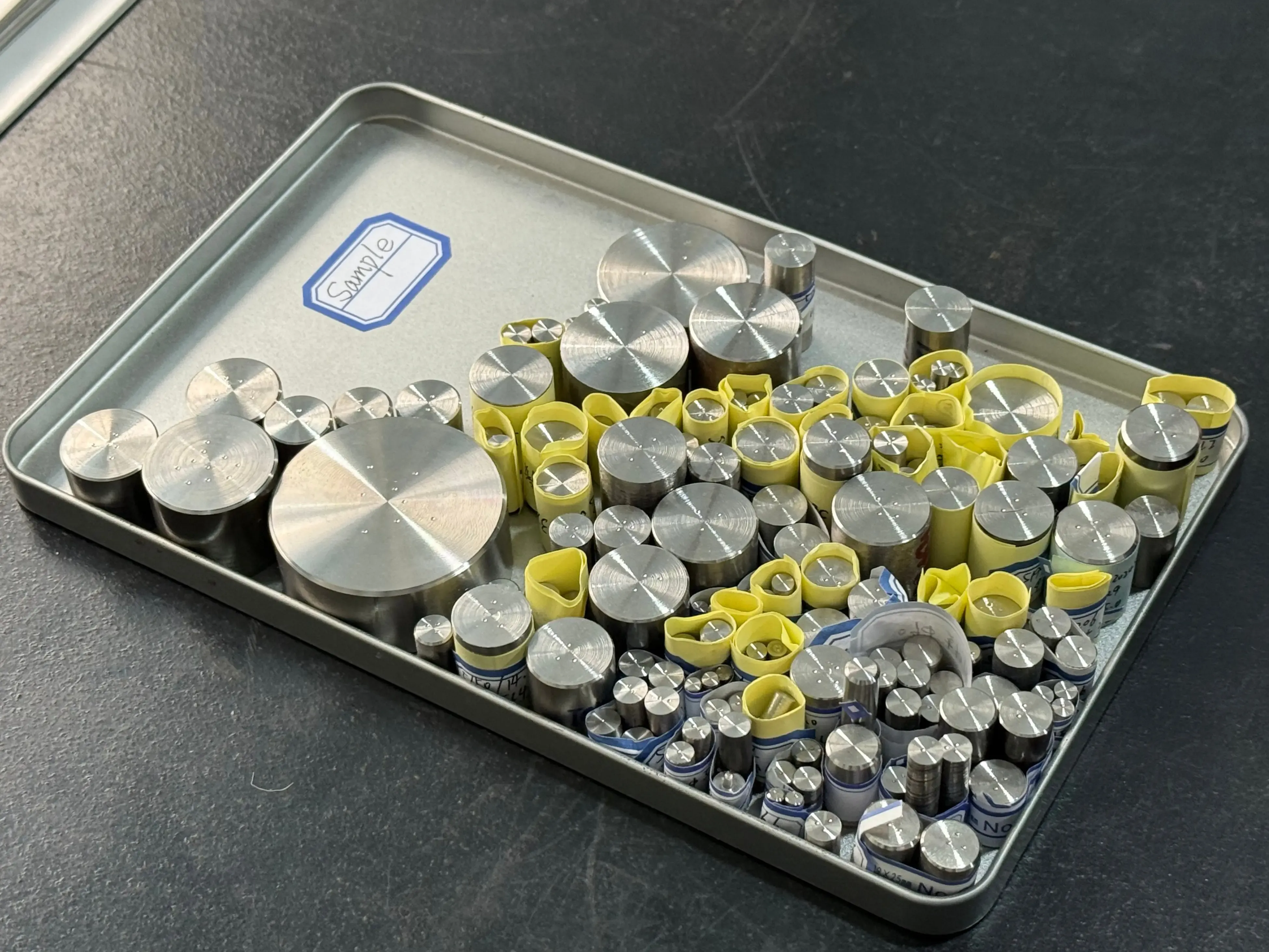
Sunxin supplies L605 in sheet, bar, wire and tube forms, as well as custom cut dimensions.
Supported standards include ASTM F90 and ISO 5832-5. Specific applicable standards must be confirmed based on product form, end use and customer drawing requirements.
Available specifications include:
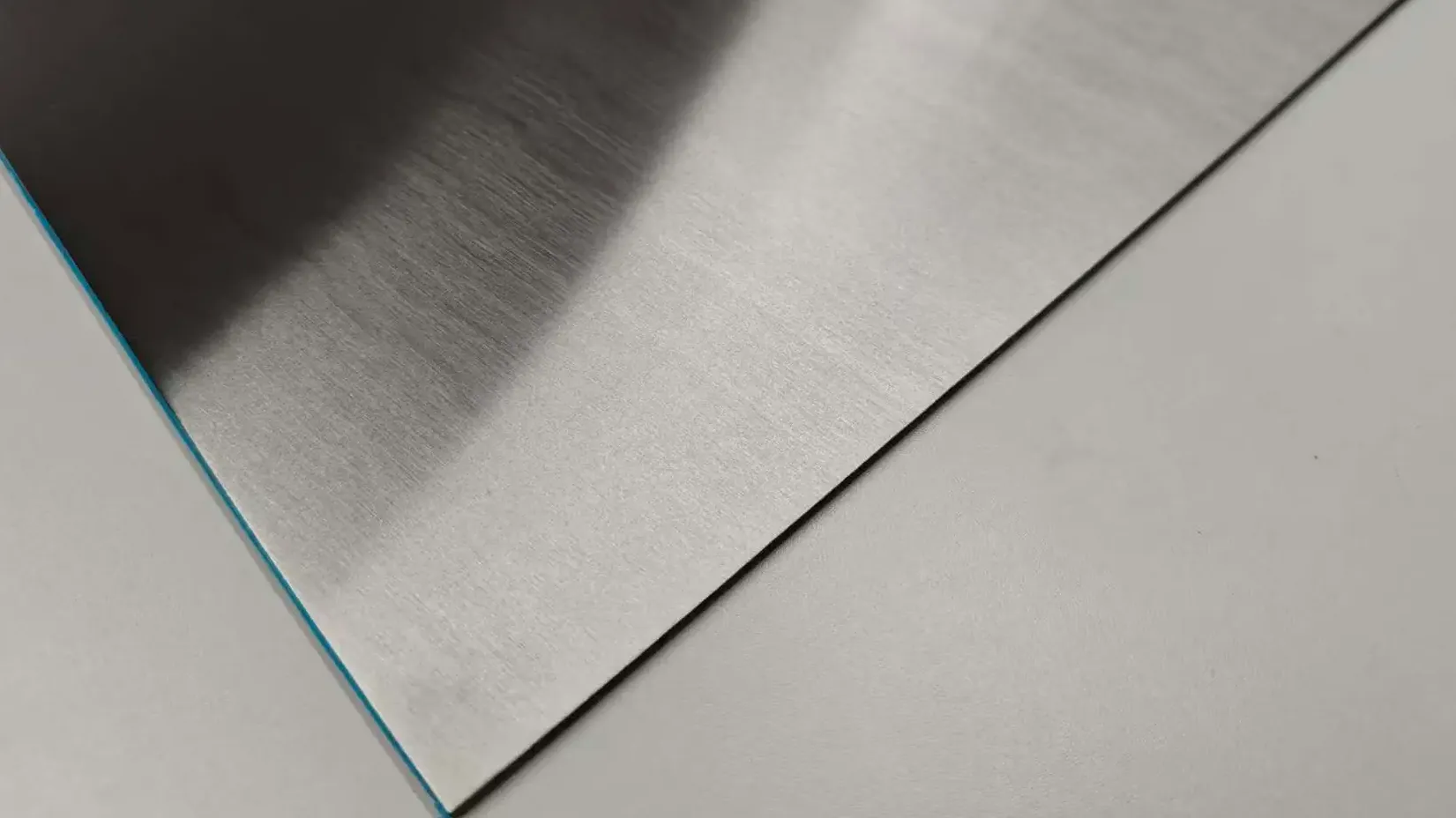
Plates: T0.5–T200.0 mm, milled surface, standard lengths 200 / 250 / 300 mm, widths 200 / 300 / 500 / 1000 mm, tolerance -0.0 / +1.0 mm, supplied in the solution-annealed condition.
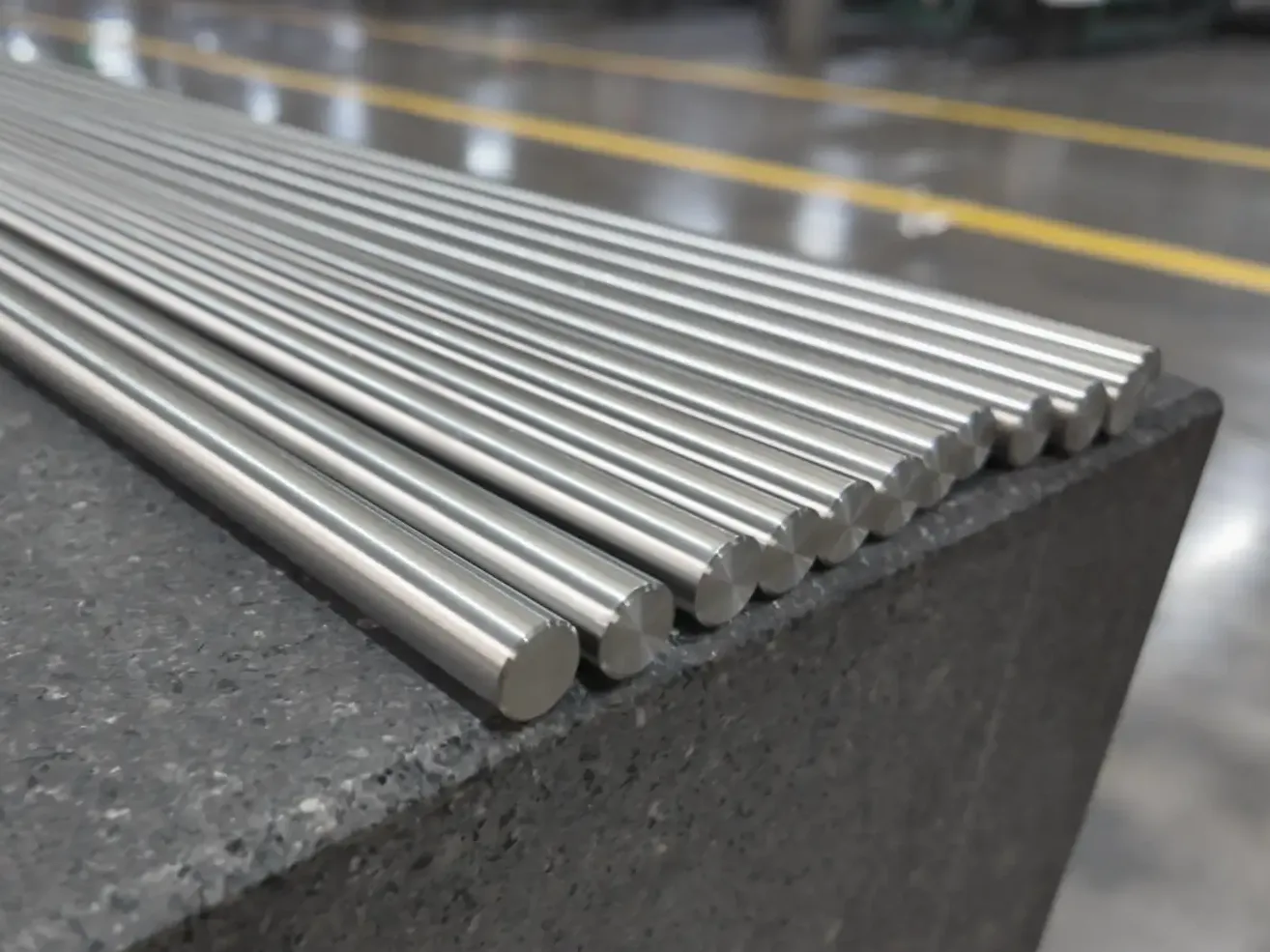
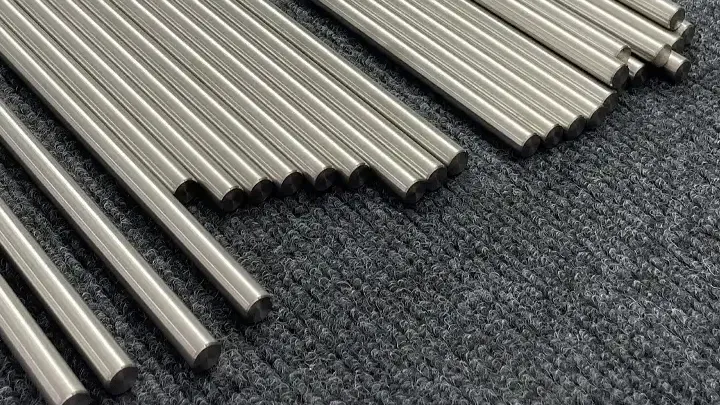
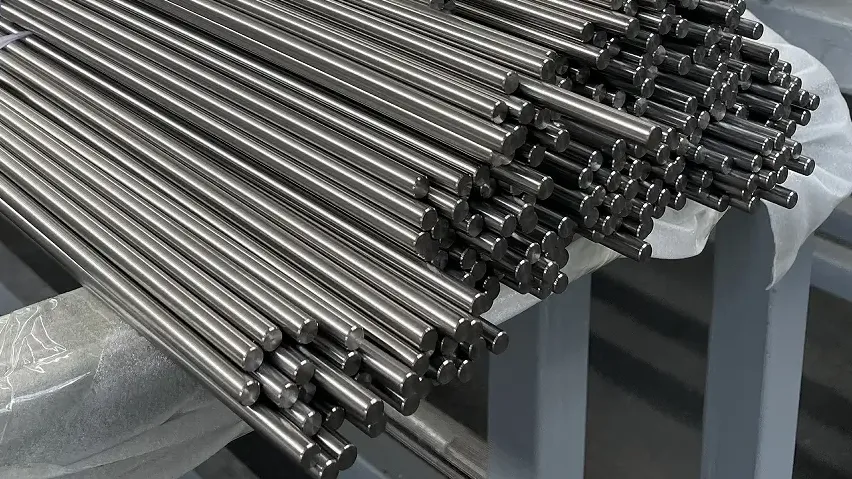
Bar stock: Φ1.0–Φ200.0 mm, polished or precision-polished, standard length 3 m/piece, tolerances to be confirmed as h6–h9, supplied in the solution-annealed condition.
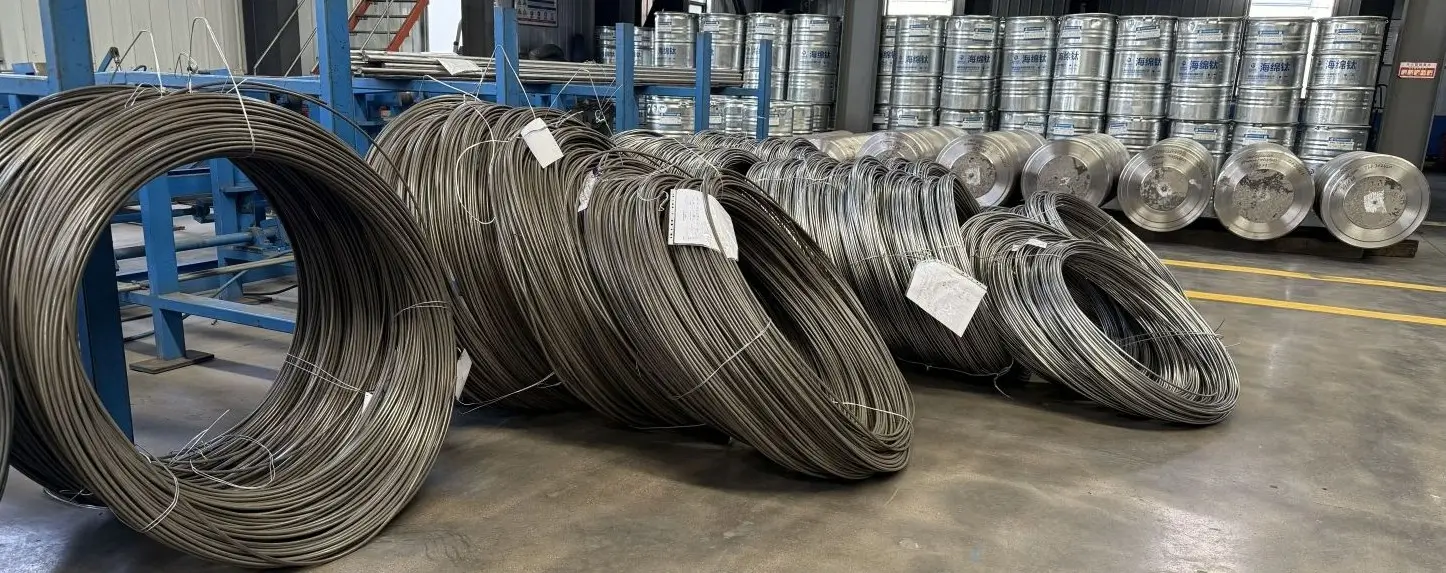
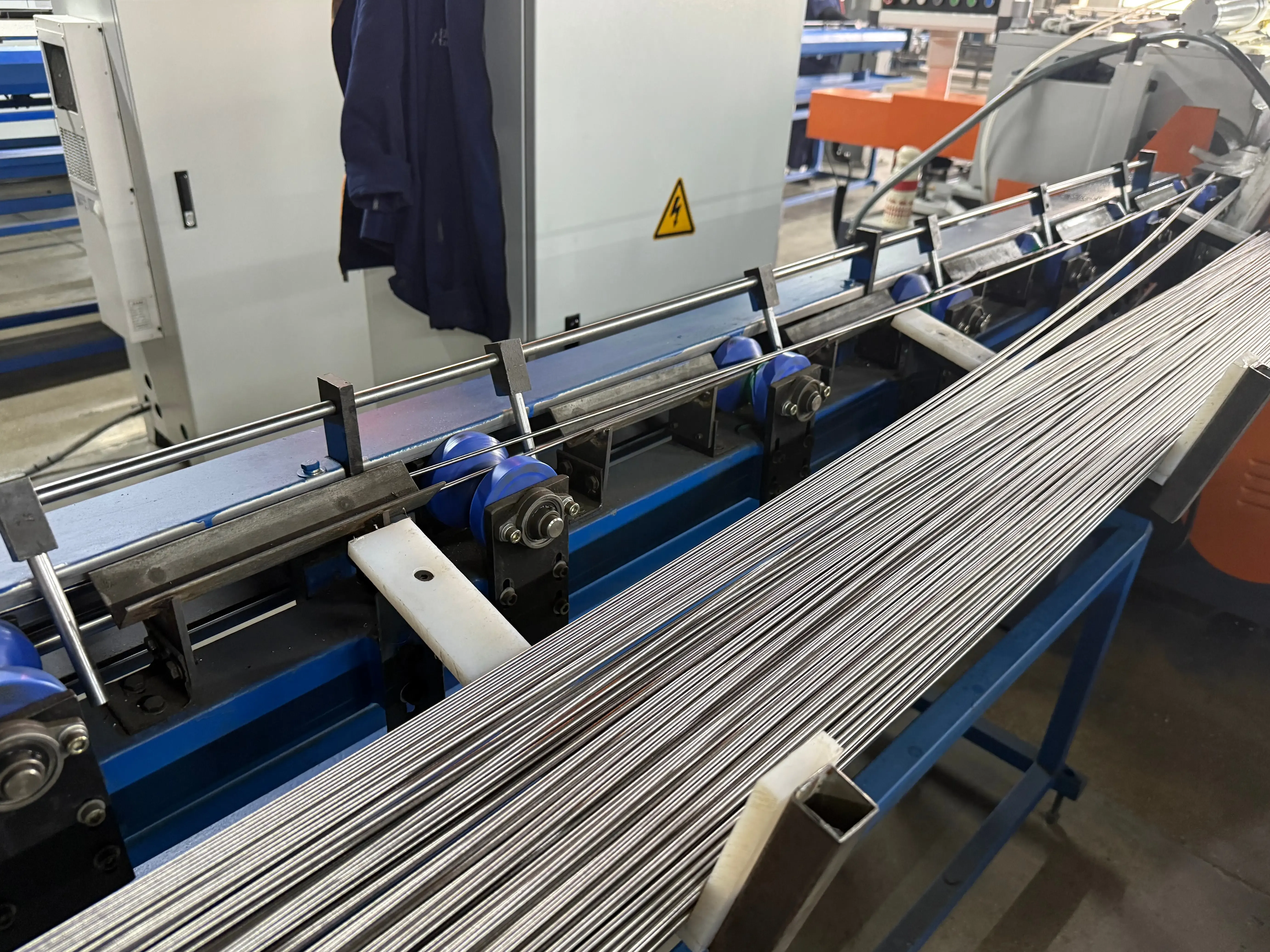
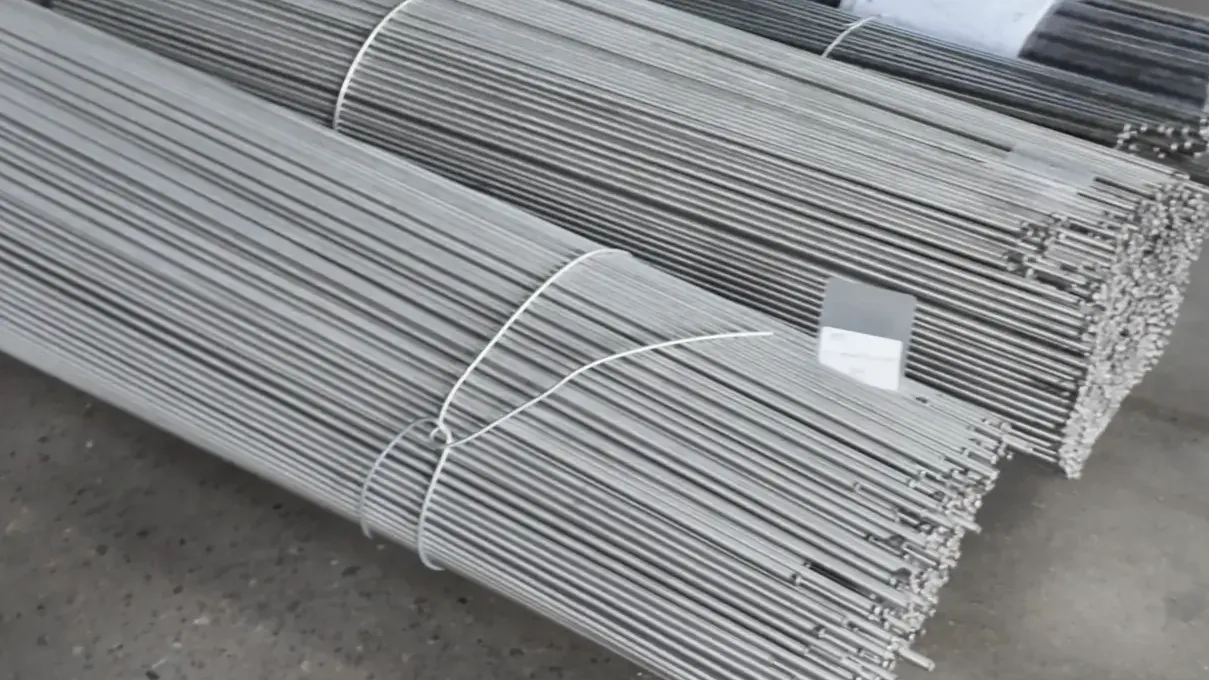
Wire: Φ1.0–Φ3.0 mm, polished or precision-polished, standard length 1 m per piece, tolerances to be confirmed as h6–h9, supplied in the solution-annealed condition.
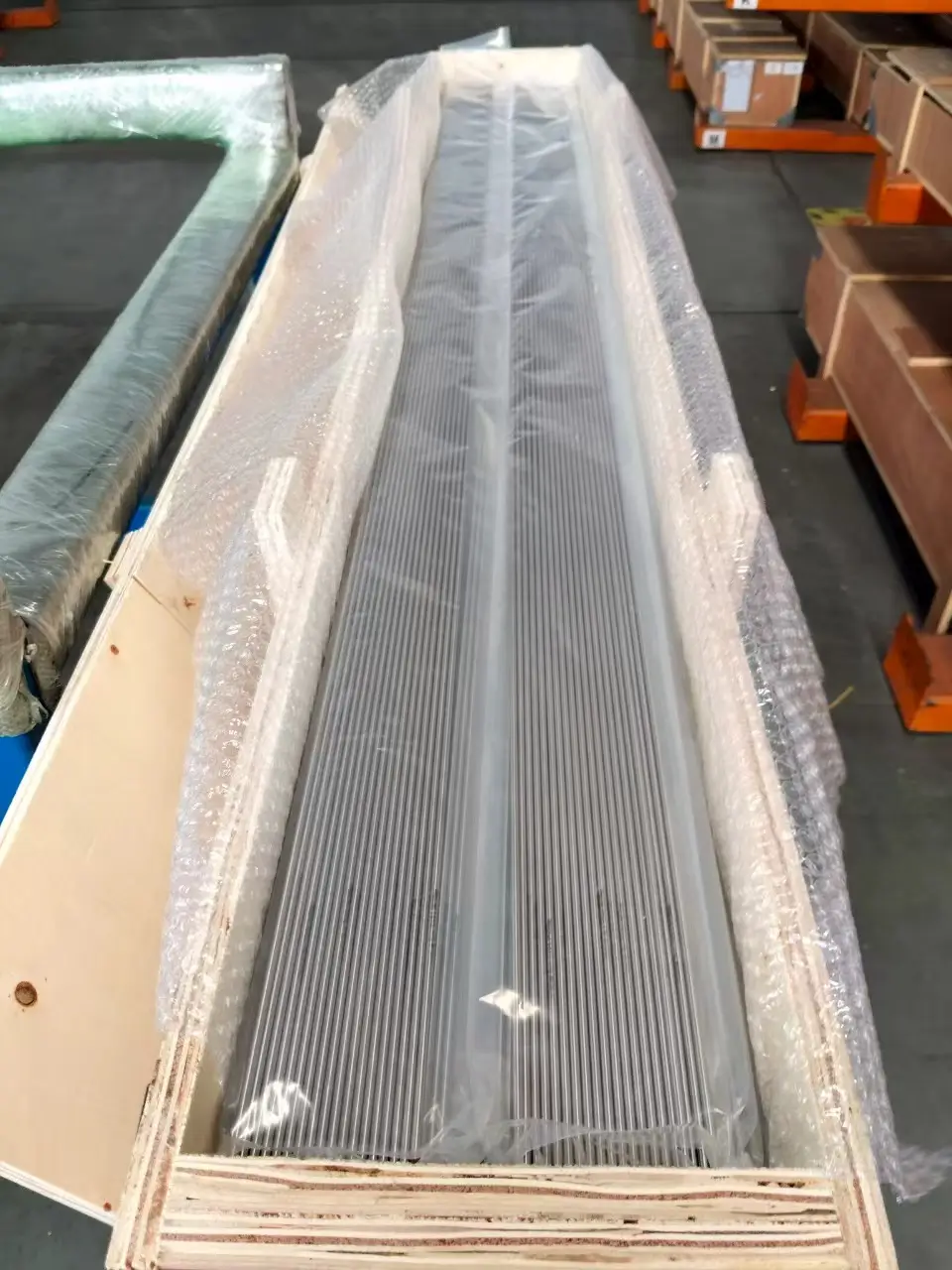
Tubes: Outer diameter 1.0–10.0 mm, inner diameter 0.08–2.0 mm, polished or precision polished, standard length 3 m/piece, tolerances to be confirmed as h6–h9, supplied in solution-annealed condition.
Prior to production of L605 items, it is recommended to confirm the material form, delivery condition, dimensions, tolerances, surface finish and applicable standards. For medical implants, aerospace hot-end applications and high-temperature industrial projects, it is also necessary to confirm chemical composition, mechanical properties, high-temperature operating environments, test items, quality documentation and traceability requirements.
Sunxin is certified to the ISO 13485 and ISO 9001 quality management systems and can support batch management, traceability control, test coordination and quality documentation management.