
Understanding China's Titanium Bar Industry and How to Evaluate the Right Supplier
China has become one of the world's largest producers and exporters of titanium materials. From aerospace and medical implants to chemical processing equipment and industrial machinery, Chinese titanium bars are now used in thousands of manufacturing facilities across the globe.
However, for international buyers, finding a reliable titanium bar supplier is becoming increasingly challenging. A simple Google search may return hundreds of manufacturers, trading companies, and distributors that all claim to offer "premium titanium bars." Their websites often look similar, their product catalogs overlap, and many provide very little information about their actual manufacturing capabilities.
This creates an important question:
How do you identify a genuine titanium bar manufacturer instead of just another trading company?
Even more importantly,
Which Chinese manufacturers consistently deliver stable quality, competitive pricing, and dependable export service for long-term cooperation?
This guide is designed to answer those questions.
Unlike many "Top 10 Manufacturer" articles that simply list company names without meaningful analysis, this guide focuses on what international buyers actually care about:
Manufacturing capability
Product consistency
Material certifications
Export experience
Industry specialization
Supply stability
Quality management
OEM customization capabilities
Long-term partnership value
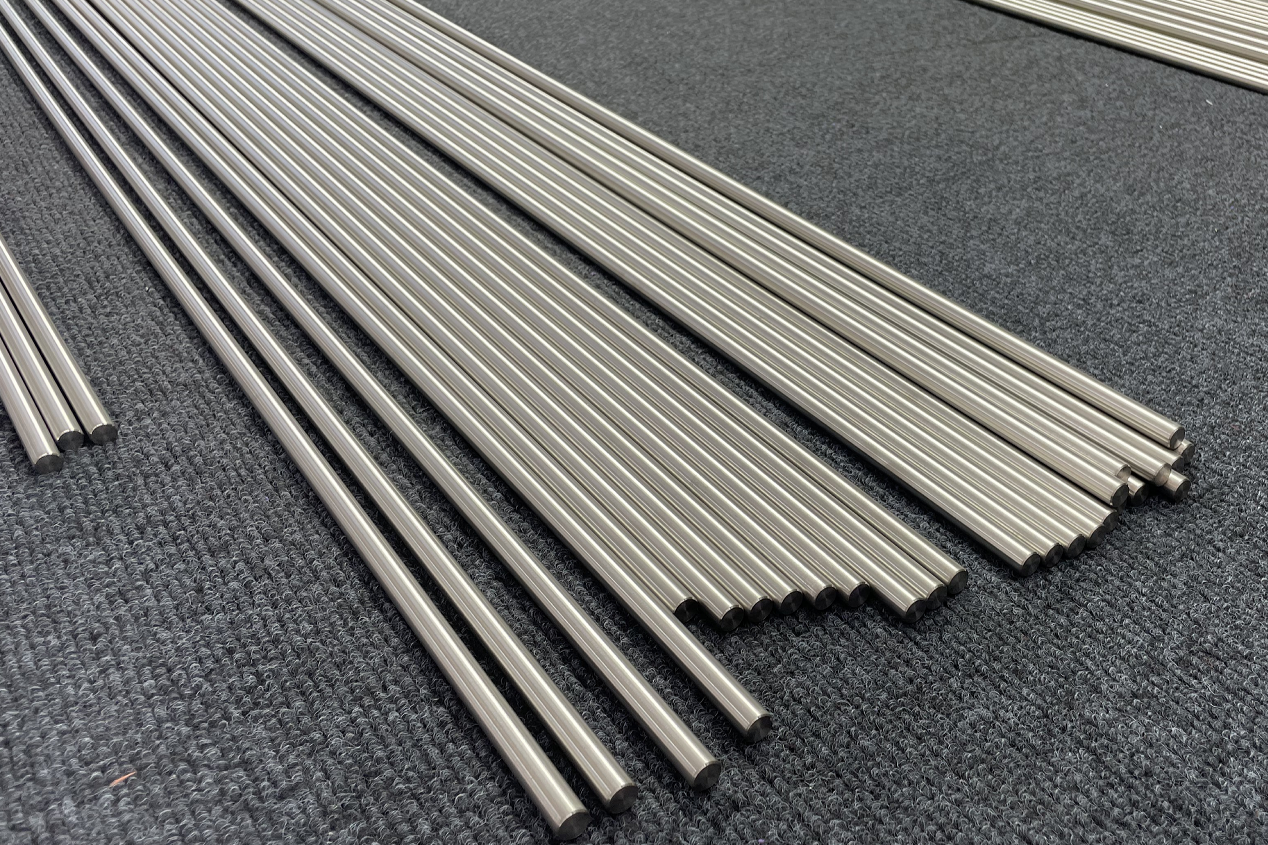
Whether you are sourcing titanium bars for medical devices, dental implants, aerospace components, chemical equipment, or precision machining, this article will help you understand China's titanium industry from a buyer's perspective rather than simply introducing companies.
Why China Has Become a Global Titanium Bar Manufacturing Hub
Over the past two decades, China has transformed from a regional titanium producer into one of the world's leading titanium manufacturing centers. Today, Chinese manufacturers supply titanium materials to customers across Europe, North America, the Middle East, Southeast Asia, and South America.
Several factors have contributed to this growth.
1. Complete Industrial Supply Chain
Unlike many countries that rely heavily on imported semi-finished materials, China has developed an integrated titanium industry covering nearly every production stage.
A typical production chain includes:
Titanium sponge production
Vacuum melting
Billet forging
Hot rolling
Precision drawing
Centerless grinding
Heat treatment
Surface finishing
Quality inspection
Export packaging
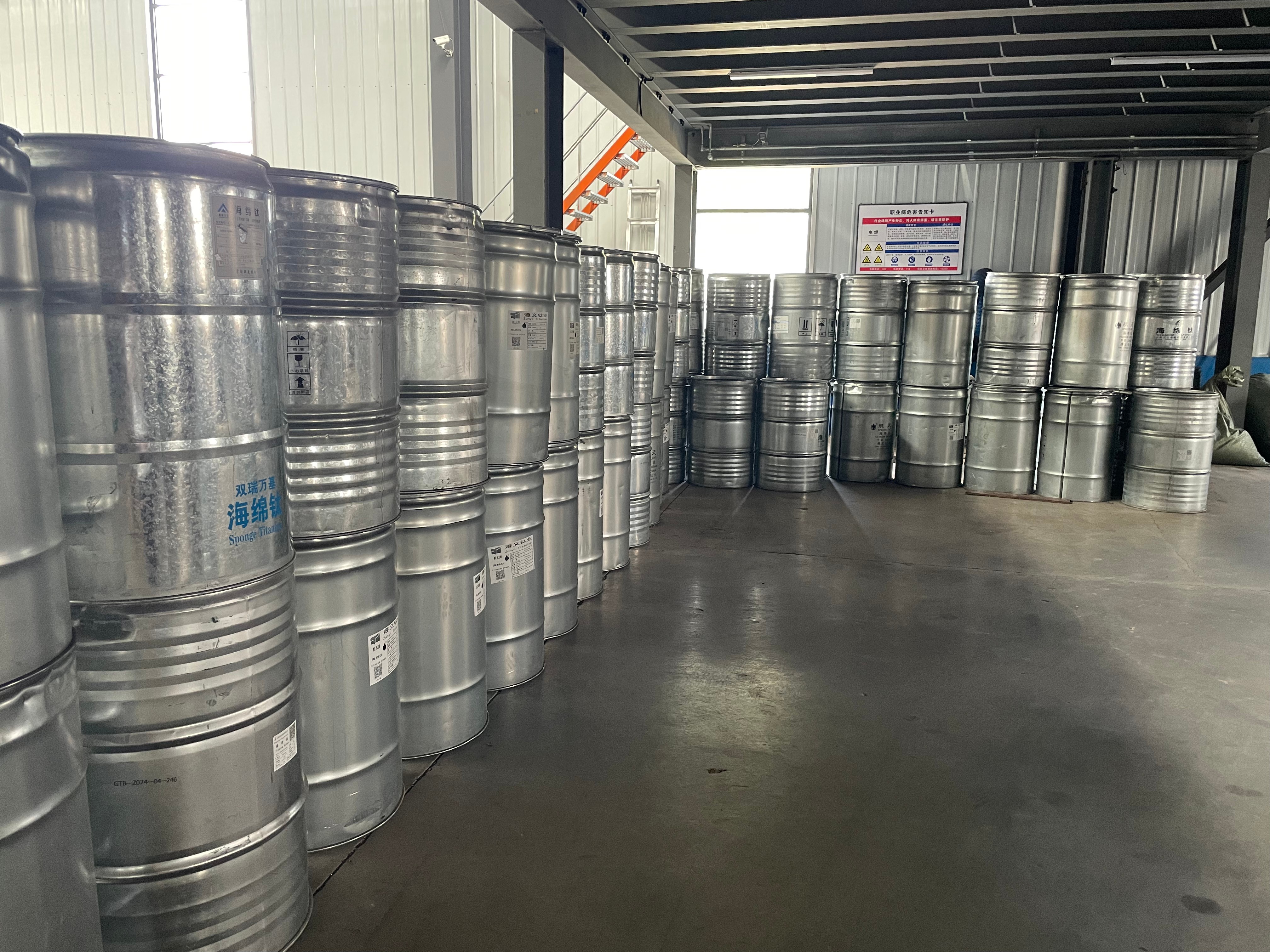
Because these processes are often located within the same industrial ecosystem, manufacturers can better control production schedules, reduce costs, and maintain consistent quality.
For overseas buyers, this integrated supply chain usually means shorter lead times and more flexible customization options.
2. Strong Manufacturing Capacity
Chinese titanium mills now produce a wide range of titanium products, including:
Titanium rods
Titanium sheets
Titanium tubes
Titanium wires
Titanium forgings
Titanium discs
Titanium billets
These products are manufactured in commercially pure titanium grades as well as titanium alloys that meet international standards.
Common materials include:
Material | Typical Applications |
Titanium Grade 1 | Chemical processing |
Titanium Grade 2 | Heat exchangers, marine equipment |
Titanium Grade 3 | Pressure vessels |
Titanium Grade 4 | Medical implants, dental applications |
Ti-6Al-4V (Grade 5) | Aerospace, high-strength components |
Ti-6Al-4V ELI (Grade 23) | Medical implants, orthopedic devices |
Many factories are also capable of manufacturing according to ASTM, ISO, AMS, DIN, and customer-specific specifications.
3. Competitive Costs Without Sacrificing Quality
Many overseas buyers assume lower prices always indicate lower quality. While this can sometimes be true, it is not an accurate way to evaluate Chinese titanium manufacturers.
China's cost advantages come from several structural factors rather than simply cheaper labor:
Large-scale production
Mature supply chains
High production efficiency
Advanced automation
Strong domestic demand
Specialized industrial clusters
As a result, experienced manufacturers can often provide internationally compliant titanium bars at prices that remain competitive compared with suppliers in Europe, Japan, or North America.
The key difference lies in selecting the right manufacturer rather than simply choosing the lowest quotation.
Not All "Titanium Manufacturers" Are Actually Manufacturers
One of the biggest misunderstandings among international buyers is assuming every company with a professional website owns a factory.
In reality, China's titanium market generally consists of three different business models.
Type 1: Integrated Manufacturers
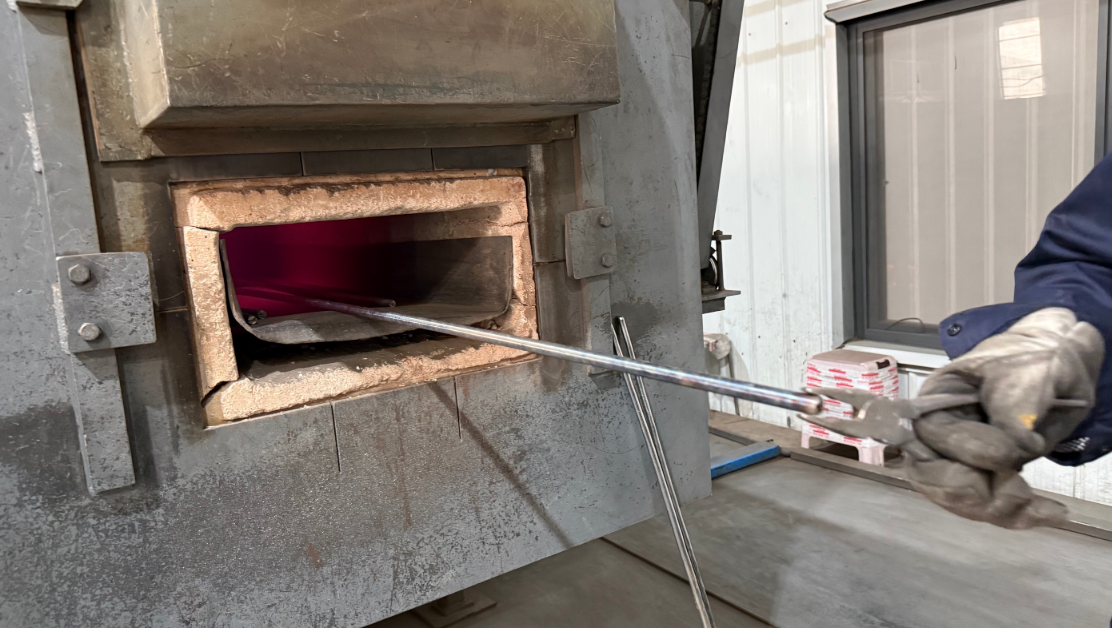
These companies own production equipment and control multiple manufacturing processes.
Typical capabilities include:
Vacuum melting
Forging
Rolling
Heat treatment
Straightening
Grinding
Inspection
Advantages:
Better quality consistency
Stronger production control
Stable lead times
Better technical support
Competitive pricing for long-term projects
These suppliers are generally preferred for OEM projects and industries with strict quality requirements.
Type 2: Processing Factories
Some companies specialize in machining or finishing titanium materials rather than producing billets themselves.
They may purchase semi-finished titanium from large mills before performing operations such as:
Cutting
Precision grinding
CNC machining
Polishing
Surface treatment
These companies are suitable when buyers require customized dimensions or finished components instead of raw materials.
Type 3: Trading Companies
Trading companies purchase materials from multiple factories and resell them internationally.
Working with a trading company is not necessarily a disadvantage.
Some trading companies offer excellent international communication, logistics coordination, and inventory management.
However, buyers should understand that:
Production schedules depend on upstream factories.
Quality consistency may vary between batches.
Technical communication can sometimes be slower.
Prices may include additional margins.
For projects requiring long-term supply stability, many buyers prefer working directly with manufacturers whenever possible.
How We Evaluated the Top Titanium Bar Manufacturers
Rather than ranking companies solely by size or annual revenue, this guide evaluates suppliers using criteria that matter most to industrial buyers.
Manufacturing Capability
A supplier's production capacity reflects much more than output volume. We considered whether companies own key manufacturing equipment, maintain modern production lines, and support custom dimensions and specialized processing.
Factories with integrated production systems generally provide better consistency than businesses that outsource multiple manufacturing steps.
Product Quality
Quality evaluation includes far more than passing a chemical composition test.
Reliable manufacturers typically implement:
Strict raw material inspection
Mechanical property testing
Ultrasonic testing
Dimensional inspection
Surface quality control
Batch traceability
Material certification
For industries such as medical devices or aerospace, these quality systems are often more important than production capacity itself.
Export Experience
International business involves more than manufacturing.
Experienced exporters usually understand:
Export documentation
International packaging requirements
Customs regulations
Material certifications
Logistics coordination
Customer communication
These capabilities can significantly reduce purchasing risks for overseas buyers.
Product Range
Manufacturers offering a broader range of titanium materials often provide greater flexibility as customer requirements evolve.
Besides standard titanium bars, many leading suppliers also manufacture:
Titanium plates
Titanium sheets
Titanium tubes
Titanium wires
Titanium forgings
Titanium discs
Titanium blocks
Customized titanium components
This allows customers to consolidate sourcing with fewer suppliers.
Industry Focus
Not every titanium supplier serves the same industries.
Some focus primarily on aerospace.
Others specialize in:
Medical implants
Dental materials
Chemical equipment
Marine engineering
Semiconductor equipment
Oil and gas
Industrial manufacturing
Understanding a manufacturer's core expertise helps buyers select suppliers with relevant technical experience instead of relying solely on product catalogs.
A Growing Trend: Buyers Are Looking Beyond Price
Over the past few years, purchasing priorities have shifted significantly. While competitive pricing remains important, experienced buyers increasingly evaluate suppliers based on total procurement value rather than the lowest unit price.
This includes factors such as consistent material quality, reliable lead times, responsive technical support, documentation accuracy, and long-term supply stability. A lower initial price can quickly become expensive if shipments are delayed, material properties vary between batches, or communication issues disrupt production schedules.
As a result, many OEM manufacturers are building long-term relationships with titanium suppliers that can deliver predictable performance over years rather than focusing on one-time transactions.
This trend has also created opportunities for specialized manufacturers such as SUNXIN, which focuses on supplying high-quality titanium materials for demanding industrial and medical applications. Instead of competing solely on price, companies like Sunxin emphasize consistent quality control, customized manufacturing, and reliable export support. For buyers seeking stable partnerships rather than occasional purchases, this approach often delivers greater value over the lifetime of a project.
Top 10 Titanium Bar Manufacturers in China
It is important to note that there is no universally accepted ranking for titanium manufacturers in China. Some companies lead in production capacity, while others specialize in aerospace alloys, medical-grade titanium, or customized machining.
Rather than ranking suppliers purely by company size, the following list evaluates manufacturers based on manufacturing capability, export experience, product quality, certifications, and suitability for international industrial buyers.
1. Baoji Titanium Industry Co., Ltd. (BAOTI)

When discussing China's titanium industry, BAOTI is often the first name mentioned. Established in Baoji—widely recognized as the "Titanium Valley of China"—the company has played a major role in developing China's titanium manufacturing capabilities.
BAOTI is one of the few manufacturers with a highly integrated production chain, covering titanium sponge processing, melting, forging, rolling, machining, and inspection. This level of vertical integration allows the company to maintain strict quality control across every stage of production.
The company supplies titanium bars in various grades, including commercially pure titanium and high-performance alloys for aerospace, marine engineering, chemical processing, and medical industries.
Strengths
Large production capacity
Strong R&D capabilities
Excellent product consistency
International certifications
Long export history
Best for
Large OEM manufacturers, aerospace projects, government procurement, and customers requiring large-volume orders.
Potential Consideration
BAOTI's production scale is impressive, but smaller buyers may find that minimum order quantities and lead times are less flexible than those offered by medium-sized manufacturers.
2. SUNXIN alloy

Unlike some of the largest titanium mills that focus primarily on mass production, SUNXIN concentrates on supplying high-quality titanium materials for customers who value consistency, customization, and responsive service.
The company specializes in titanium bars and other implant-grade and industrial titanium products, serving industries such as medical devices, dental implants, precision machining, and advanced manufacturing.
Rather than simply shipping standard stock, Sunxin works closely with customers to understand specific application requirements, including dimensional tolerances, surface finish, mechanical properties, and material certification. This collaborative approach is particularly valuable for OEM manufacturers developing new products or sourcing specialized titanium materials.
In addition to titanium bars, Sunxin supplies a broad portfolio of metal materials, including medical stainless steels, cobalt-chromium alloys, nickel-titanium alloys, and other specialty materials used in demanding applications. This allows customers to consolidate purchasing through a single supplier when multiple materials are required.
Another strength is export support. The company has experience serving international customers and understands the importance of clear communication, reliable documentation, secure packaging, and on-time delivery. While Sunxin may not be the largest producer by volume, its emphasis on long-term partnerships, stable quality, and customer-focused service has helped it build lasting relationships with buyers in global markets.
For companies looking beyond price alone, Sunxin represents an option worth considering—particularly when product consistency, technical support, and customized manufacturing are priorities.
3. Western Metal Materials Co., Ltd. (WMM)

Western Metal Materials is another major player in China's advanced metal industry. The company is particularly well known for supplying high-performance titanium materials for aerospace, energy, and semiconductor applications.
Unlike companies that focus mainly on volume production, WMM invests heavily in advanced manufacturing technologies and materials research.
Its titanium bars are widely used in demanding environments where dimensional accuracy, mechanical properties, and corrosion resistance are critical.
Strengths
Advanced metallurgy
Strong research capabilities
High-end industrial applications
Stable product quality
Best for
High-tech industries, semiconductor equipment manufacturers, and aerospace component suppliers.
4. Northwest Institute for Nonferrous Metal Research (NIN)
Although primarily recognized as a research institution, NIN has become one of China's most influential organizations in titanium alloy development.
Many advanced titanium materials used in aviation and defense originated from research conducted here.
The institute collaborates closely with manufacturers to commercialize new titanium alloys and improve production technologies.
For buyers seeking specialized materials rather than commodity titanium bars, NIN represents one of China's strongest technical resources.
5. Baoji Yongshengtai Titanium Industry Co., Ltd.
Located in Baoji, Yongshengtai specializes in manufacturing titanium bars, plates, forgings, tubes, and customized titanium products.
The company exports to Europe, North America, and Southeast Asia, serving customers in chemical processing, medical equipment, and industrial manufacturing.
Compared with giant state-owned enterprises, Yongshengtai generally provides greater flexibility for medium-sized international orders.
Advantages
Flexible production scheduling
OEM customization
Competitive pricing
Good export experience
6. Baoji Lihua Nonferrous Metals Co., Ltd.

Lihua has established a strong reputation among international buyers looking for customized titanium products.
Instead of focusing solely on standard inventory, the company offers a wide variety of processing services, including precision machining and custom dimensions.
This flexibility makes Lihua attractive to manufacturers with specialized production requirements.
7. Shaanxi Lasting Titanium Industry Co., Ltd.
Lasting Titanium has become one of China's most recognized private titanium exporters.
The company manufactures titanium bars, rods, plates, tubes, wires, fasteners, and forgings according to international standards.
One of its biggest advantages is export experience. Having served customers in dozens of countries, the company understands international documentation, logistics, and quality expectations.
Suitable for
Industrial distributors
Engineering contractors
Medical equipment manufacturers
Overseas wholesalers
8. Baoji Future Titanium Co., Ltd.

Future Titanium focuses on precision manufacturing and customized titanium products.
Its titanium bars are supplied to industries including:
Aerospace
Medical devices
Marine engineering
Chemical processing
Oil and gas
The company emphasizes strict quality inspection and offers a wide range of customized specifications.
For buyers who require non-standard diameters or special machining services, Future Titanium provides a practical solution.
9. Baoji Hanz Metal Material Co., Ltd.

Hanz Metal is well known among international customers for exporting titanium and other non-ferrous metals.
Its product portfolio extends beyond titanium bars to include zirconium, nickel, tantalum, niobium, and related alloys.
For companies seeking multiple specialty metals from a single supplier, Hanz Metal can simplify procurement and logistics.
10. Baoji Sino-Swiss Titanium Co., Ltd.

As its name suggests, Sino-Swiss Titanium combines Chinese manufacturing capabilities with international quality management practices.
The company supplies titanium materials for industrial applications while emphasizing traceability, documentation, and quality assurance.
Its customers often include engineering firms that require reliable material certification and consistent production quality.
Comparison of China's Leading Titanium Bar Manufacturers
Manufacturer | Main Strength | Best For |
BAOTI | Large-scale integrated production | Aerospace, large OEMs |
Customization, implant-grade materials, responsive service | Medical, dental, precision manufacturing | |
Western Metal Materials | Advanced metallurgy | Semiconductor, aerospace |
NIN | Titanium alloy R&D | Specialized projects |
Yongshengtai | Flexible manufacturing | Medium-volume OEM orders |
Lihua | Custom machining | Precision components |
Lasting Titanium | International exports | Global distributors |
Future Titanium | Customized production | Engineering projects |
Hanz Metal | Multi-metal supply | Buyers needing various alloys |
Sino-Swiss Titanium | Quality management | Certified industrial projects |
What These Manufacturers Have in Common
Although each supplier has its own strengths, the leading titanium bar manufacturers in China share several characteristics. They typically invest in modern production equipment, maintain strict quality control systems, and comply with internationally recognized standards such as ASTM and ISO. Most also have experience exporting to Europe, North America, the Middle East, and Southeast Asia, enabling them to meet diverse technical and documentation requirements.
However, choosing the right supplier depends not only on reputation but also on your project’s specific needs. A company that excels in large aerospace contracts may not be the best fit for low-volume customized orders, while a medium-sized manufacturer with strong engineering support may offer greater flexibility and faster response times.
For international buyers, evaluating production capability, communication efficiency, quality consistency, and after-sales support often proves more valuable than simply selecting the largest manufacturer.
How to Choose the Right Titanium Bar Supplier
Choosing a titanium bar supplier is a long-term business decision rather than a one-time purchasing activity. While price is often the first factor buyers compare, experienced procurement teams understand that the total cost of ownership is influenced by many other variables, including quality consistency, lead time reliability, documentation accuracy, and technical support.
The following considerations can help international buyers reduce sourcing risks and establish more stable supply chains.
1. Verify Whether the Supplier Is a Manufacturer
Many companies advertise themselves as manufacturers, but some are trading companies or distributors. Neither business model is inherently better, but buyers should understand who actually controls production.
Questions worth asking include:
Does the company own its own production equipment?
Which manufacturing processes are completed in-house?
Can they provide photos or videos of production facilities?
Do they have dedicated quality inspection laboratories?
Can they arrange a factory audit or virtual factory tour?
Knowing who produces your materials helps set realistic expectations regarding lead time, technical support, and quality consistency.
2. Evaluate Material Traceability
For industries such as medical devices, aerospace, and energy, traceability is just as important as the material itself.
A reliable supplier should be able to trace each production batch back to:
Raw material source
Heat number
Production date
Inspection records
Mechanical test reports
Chemical composition reports
Complete traceability reduces quality risks and simplifies future investigations if any production issue arises.
3. Confirm Compliance with International Standards
Different industries require different standards.
For titanium bars, commonly requested standards include:
ASTM B348
ASTM F67
ASTM F136
AMS specifications
ISO 5832 series
Before placing an order, buyers should confirm not only that the supplier understands these standards but also that they can provide supporting inspection reports.
4. Assess Customization Capability
Many projects require more than standard stock sizes.
Examples include:
Special diameters
Precision ground bars
Tight tolerance machining
Custom lengths
Surface polishing
Ultrasonic inspection
Straightness requirements
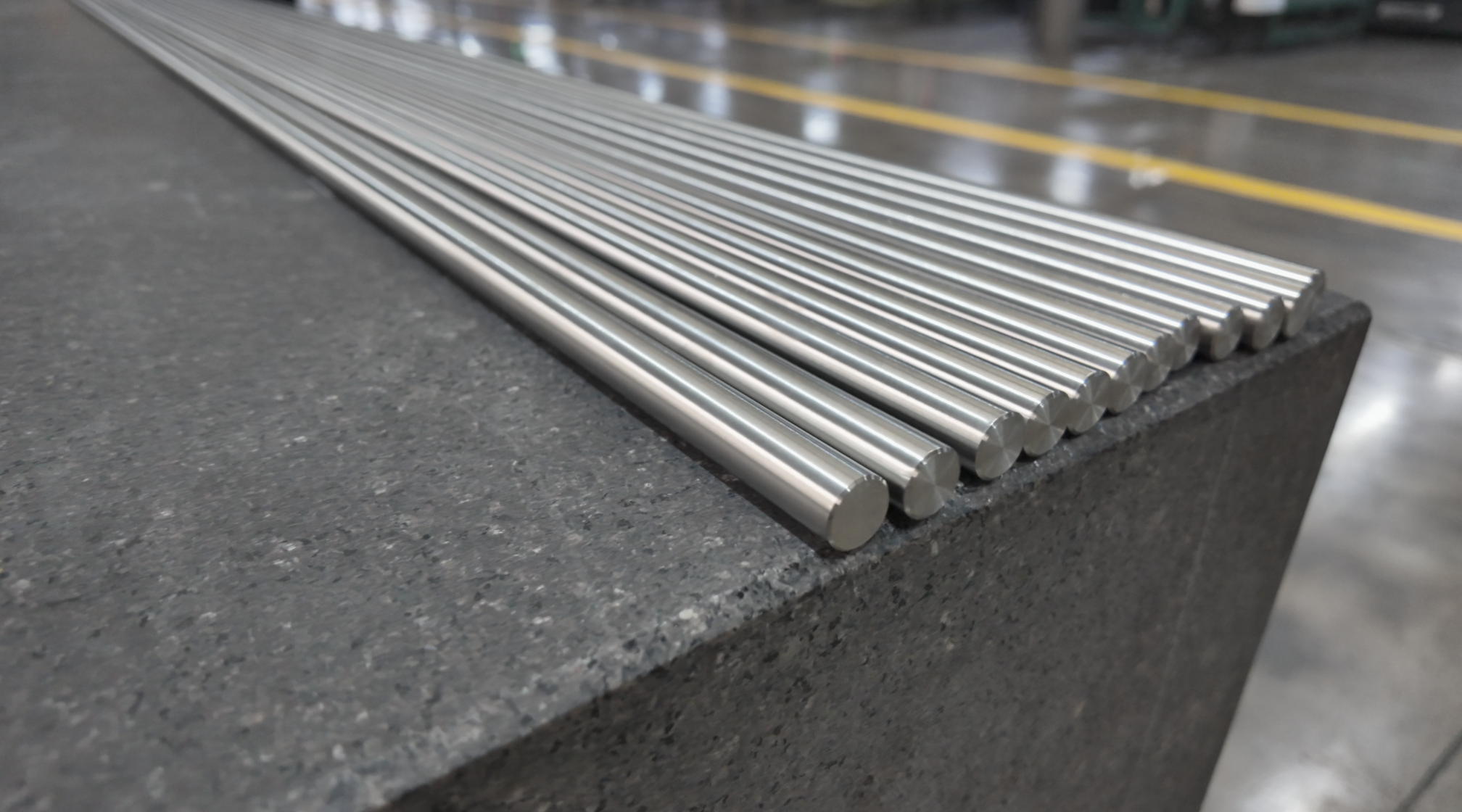
A supplier with flexible production capabilities can reduce secondary machining costs and simplify your own manufacturing process.
5. Look Beyond the Lowest Price
Selecting the lowest quotation may appear to reduce purchasing costs, but unexpected expenses often arise later.
For example:
Shipment delays
Dimensional inconsistencies
Poor surface finish
Missing documentation
High rejection rates
Communication problems
Many international manufacturers eventually choose suppliers offering slightly higher prices but more predictable quality and service, resulting in lower overall production costs.
China vs. Europe vs. USA: Which Titanium Bar Supplier Is Right for You?
There is no single "best" sourcing region. Each has its own advantages depending on project requirements.
Factor | China | Europe | USA |
Cost Competitiveness | Excellent | Moderate to High | High |
Production Capacity | Excellent | Good | Good |
Product Variety | Excellent | Good | Good |
OEM Flexibility | Excellent | Moderate | Moderate |
Medical Titanium Availability | Excellent | Excellent | Excellent |
Lead Time for Global Export | Good | Good | Excellent (North America) |
Custom Sizes | Excellent | Good | Good |
European and American suppliers are often preferred for highly specialized domestic projects or when local sourcing is required. However, for many international OEM manufacturers, Chinese suppliers provide an attractive balance between quality, manufacturing capability, customization, and cost efficiency.
Why More Global OEM Buyers Are Choosing Specialized Manufacturers
The titanium market has changed considerably over the past decade.
Instead of placing all orders with the largest mills, many OEM manufacturers are partnering with specialized suppliers that can provide:
Faster communication
Smaller minimum order quantities
Engineering support
Flexible production schedules
Customized processing
Multi-material sourcing
Stable long-term cooperation
This trend is especially noticeable in industries such as dental implants, orthopedic devices, precision instruments, robotics, and semiconductor equipment, where product quality and responsiveness often outweigh sheer production scale.
Manufacturers like SUNXIN reflect this shift. Rather than competing solely on volume, the company focuses on helping customers solve sourcing challenges through customized production, consistent quality control, and responsive technical support. For businesses that require both titanium materials and other high-performance alloys, working with a supplier capable of providing multiple material solutions can also simplify procurement and reduce supplier management costs.
Final Thoughts
China has firmly established itself as one of the world's leading sources of titanium bars. Its mature manufacturing ecosystem, broad product range, and growing expertise allow buyers to source everything from commercial-grade titanium to implant-grade alloys for demanding applications.
However, the best supplier is not necessarily the largest or the least expensive. The right choice depends on your industry's requirements, production volumes, quality expectations, and long-term sourcing strategy.
Whether your priority is aerospace-grade materials, medical titanium, customized machining, or dependable export service, investing time in evaluating suppliers carefully can significantly reduce procurement risks and improve supply chain stability.
As global manufacturing continues to evolve, companies that combine technical capability with transparent communication and reliable service will remain the preferred partners for international buyers.
Frequently Asked Questions (FAQ)
1. Which city in China is best known for titanium manufacturing?
Baoji, located in Shaanxi Province, is widely known as China's "Titanium Valley." It is home to many of the country's leading titanium manufacturers and research institutions.
2. What is the most commonly exported titanium bar grade?
Titanium Grade 2 and Ti-6Al-4V (Grade 5) are among the most widely exported grades. Grade 23 (Ti-6Al-4V ELI) is commonly used in medical implant applications.
3. Are Chinese titanium bars suitable for medical applications?
Yes. Many Chinese manufacturers produce titanium materials that comply with standards such as ASTM F67 and ASTM F136. Buyers should always verify certifications and inspection reports before purchasing.
4. How can I verify the quality of titanium bars before shipment?
Request material test certificates (MTC), chemical composition reports, mechanical testing reports, dimensional inspection records, and, if necessary, third-party inspection before shipment.
5. What certifications should a titanium bar supplier have?
Depending on the application, buyers may look for ISO 9001, ISO 13485, ASTM compliance, and other industry-specific certifications.
6. What industries commonly use titanium bars?
Titanium bars are widely used in:
Medical devices
Dental implants
Orthopedic implants
Aerospace
Marine engineering
Chemical processing
Oil and gas
Semiconductor equipment
Precision machining
Industrial automation
7. Is it better to buy directly from a manufacturer?
Buying directly from a manufacturer can provide better pricing, stronger technical support, and improved production control. However, experienced trading companies may also offer value through inventory management, logistics coordination, and customer service.
8. Can Chinese manufacturers produce custom titanium bars?
Yes. Many manufacturers offer customized diameters, lengths, tolerances, surface finishes, and machining services based on customer drawings or technical specifications.
9. What information should I provide when requesting a quotation?
To receive an accurate quotation, it is helpful to specify:
Titanium grade
Diameter
Length
Quantity
Applicable standard
Surface finish
Tolerance requirements
End use (if relevant)
Delivery destination
10. How do I choose the right titanium supplier for long-term cooperation?
Look beyond price. Evaluate manufacturing capability, quality management, export experience, communication efficiency, customization ability, documentation accuracy, and the supplier's willingness to support your business over time.