Additional Info
A Brief History of 440C Stainless Steel
440C stainless steel, also known as AISI 440C, SAE 440C, UNS S44004, EN 1.4125, X105CrMo17, JIS SUS440C, is a high-carbon grade within the 400 series of martensitic stainless steels.
When suitably heat-treated, 440C exhibits high hardness, good wear resistance and practical corrosion resistance. Among the 440 series of stainless steels, which includes 440A, 440B and 440C, 440C has the highest carbon content. Its typical carbon content is 0.95–1.20%, and a chromium content of 16.0–18.0%. Consequently, compared to the lower-carbon 440A and 440B, 440C offers higher hardness and superior wear resistance.
With the growing demand in industrial applications for stainless steel materials that combine corrosion resistance, edge retention and wear resistance, 440C has gradually become a common choice for precision components, cutting tools, bearing parts and medical devices.
How was the 440C developed
440C was developed to meet a specific material requirement: to achieve high hardness and good wear resistance whilst maintaining practical corrosion resistance.
By increasing the carbon content and maintaining a high chromium content, metallurgical engineers developed this heat-treatable martensitic stainless steel, making it suitable for applications with high wear demands.
Following quenching and tempering, 440C typically achieves a hardness of approximately 58–60 HRC, depending on the heat treatment condition, cross-sectional dimensions and product specifications. This makes it one of the most commonly used stainless steel grades in projects requiring high hardness, dimensional stability and wear resistance.
The introduction of 440C offers manufacturers a material option that bridges the gap between standard stainless steels and non-stainless tool steels. It offers better corrosion resistance than many tool steels, whilst possessing higher hardness than most austenitic stainless steels.
Early applications of 440C
Early applications of 440C were primarily focused on components requiring both hardness and corrosion resistance, such as rolling bearing components, precision mechanical parts, cutting tools, surgical instruments and precision aerospace components.
As it achieves a high degree of hardness following heat treatment, 440C is suitable for components subjected to friction, wear, repeated contact and moderate corrosive environments.
For manufacturers, 440C also offers a favourable balance between performance and cost. In applications with moderate corrosion resistance requirements, it provides strong wear resistance whilst avoiding the need for more expensive special alloys.
Current applications of 440C
Today, 440C stainless steel remains widely used in applications requiring high hardness, wear resistance and moderate corrosion resistance.
Common areas of application include:
Medical: Surgical instruments, cutting tools, dental instruments, precision medical components and wear-resistant instrument parts.
Aerospace: Precision mechanical parts, bearing components, shaft components, small structural parts and wear-resistant components.
Mechanical engineering: bearings, valve components, pump parts, tooling components, pins, shaft components and precision machined parts.
Industrial applications: cutting tools, nozzles, hardened steel balls, valve seats, wear-resistant plates and other components requiring high hardness and wear resistance.
Although there are now more new types of stainless steel and advanced tool steel materials available, 440C remains a practical choice for projects requiring a balance of hardness, wear resistance, corrosion resistance and cost-effectiveness.
Sunxin’s 440C stainless steel supply support
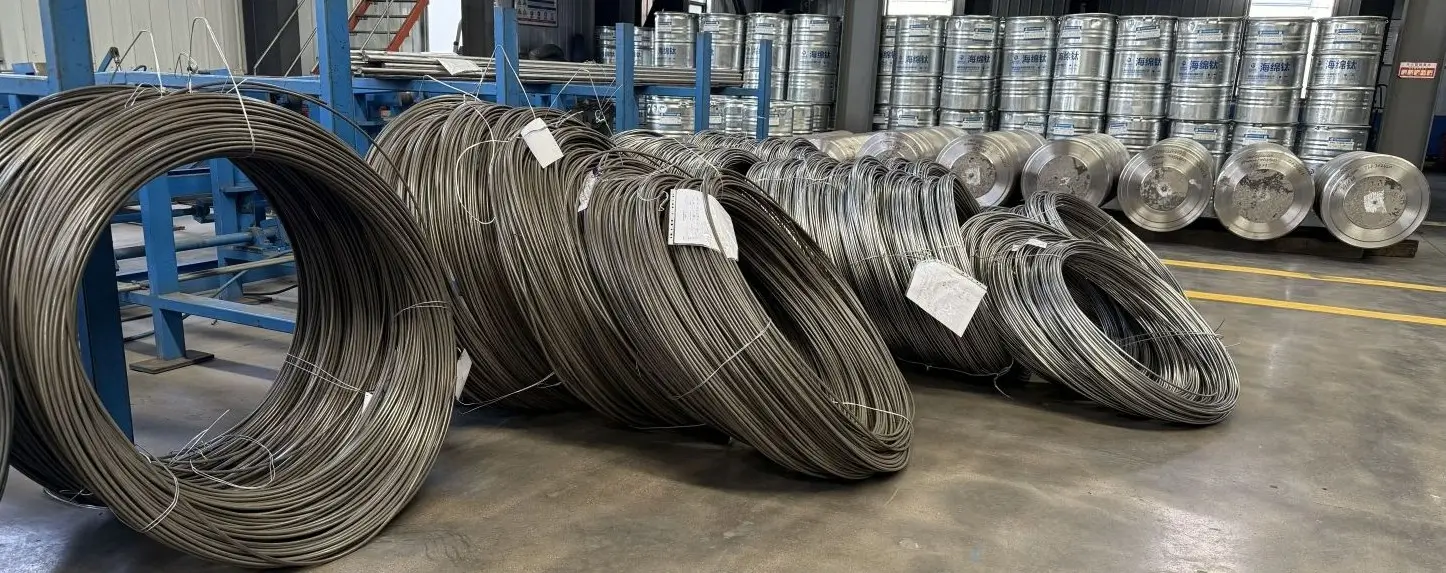
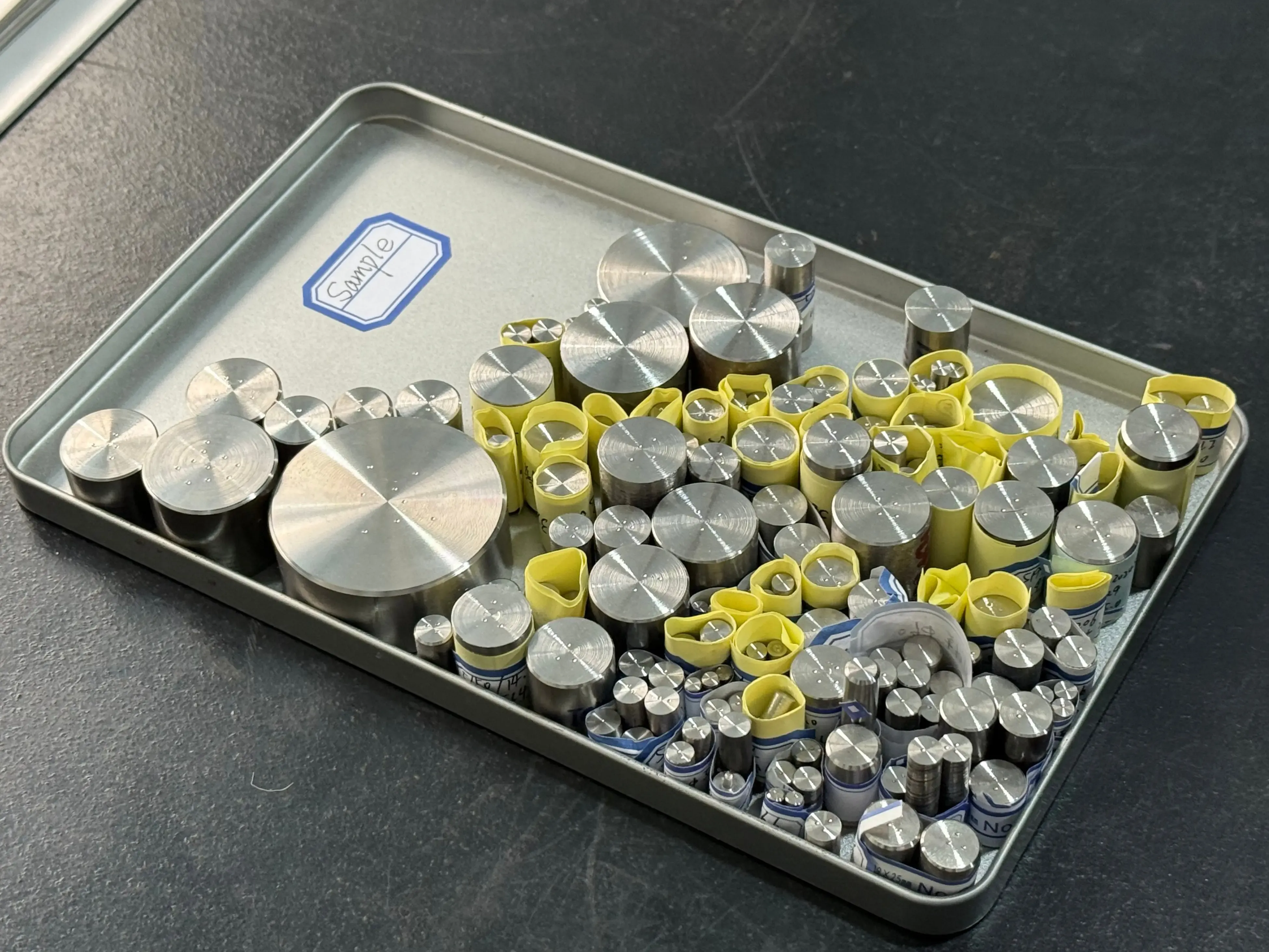
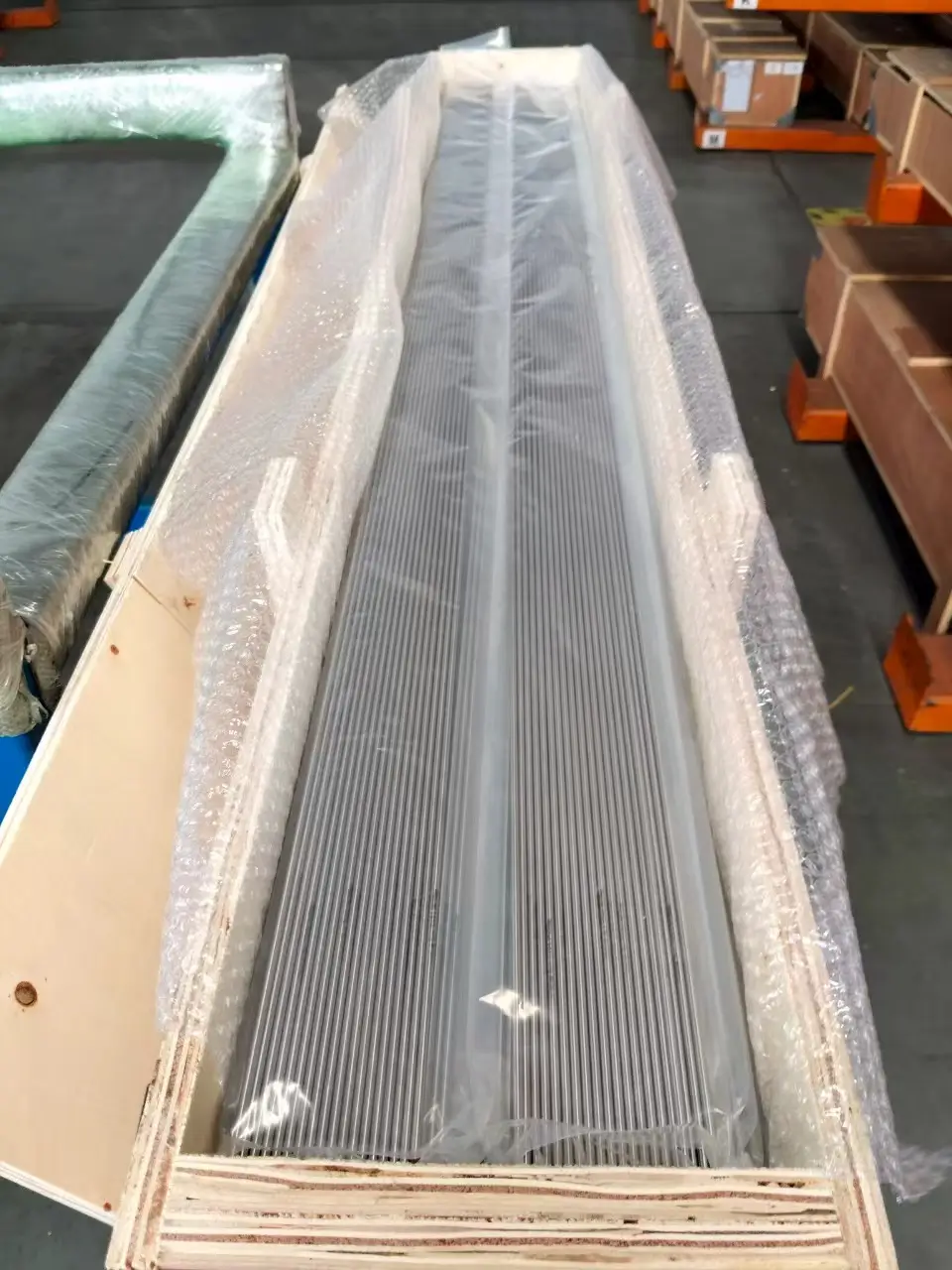
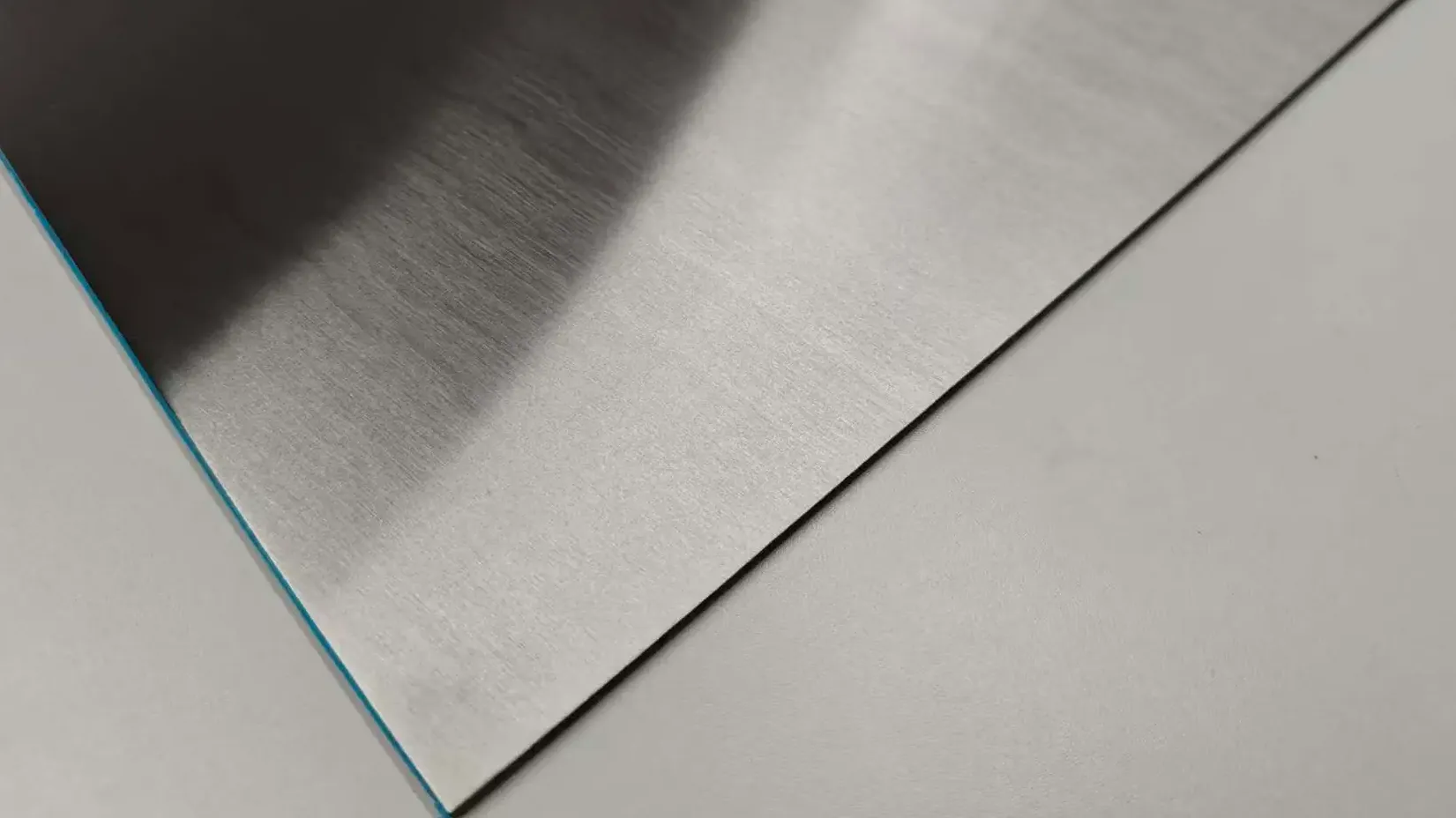
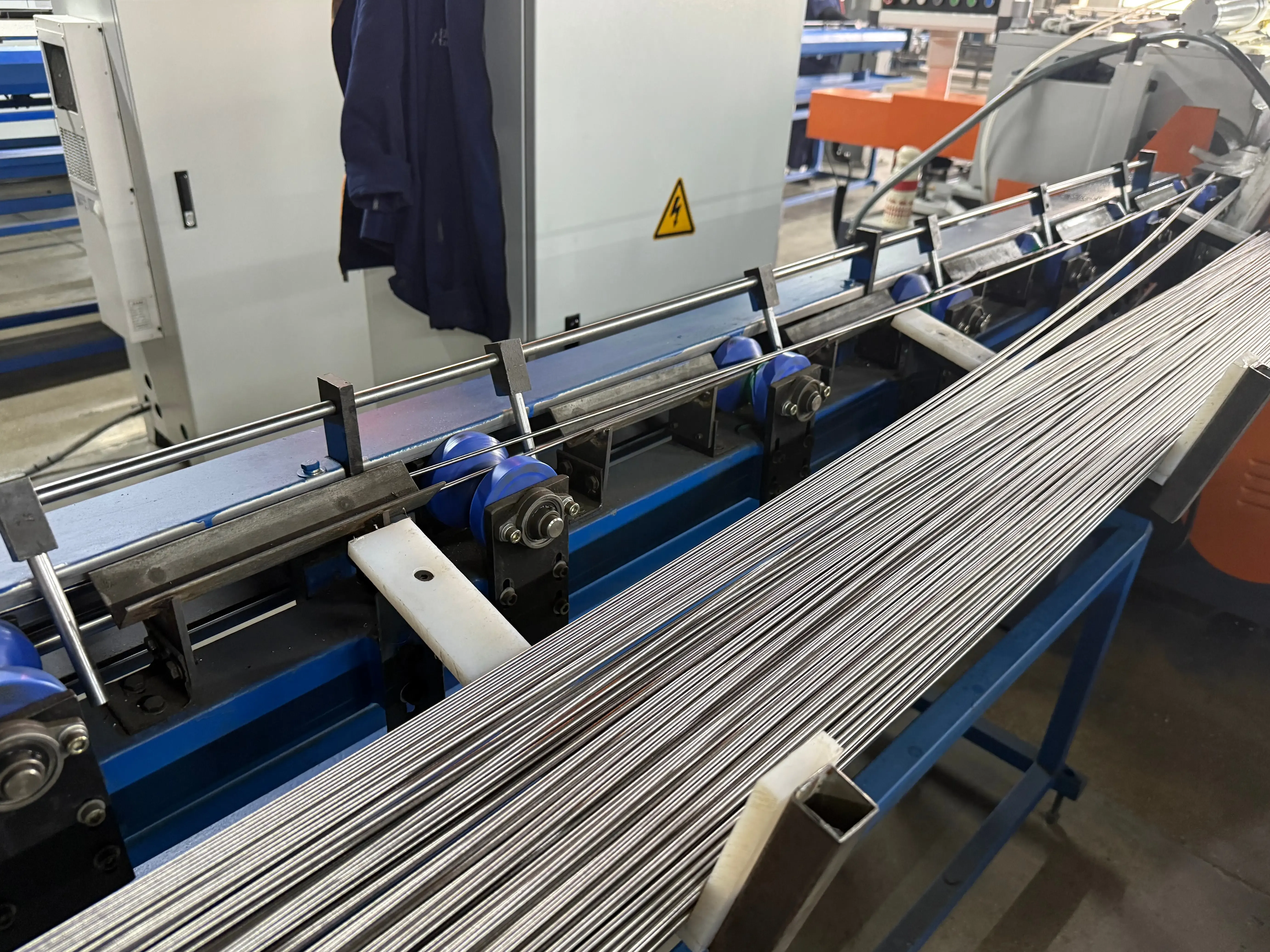
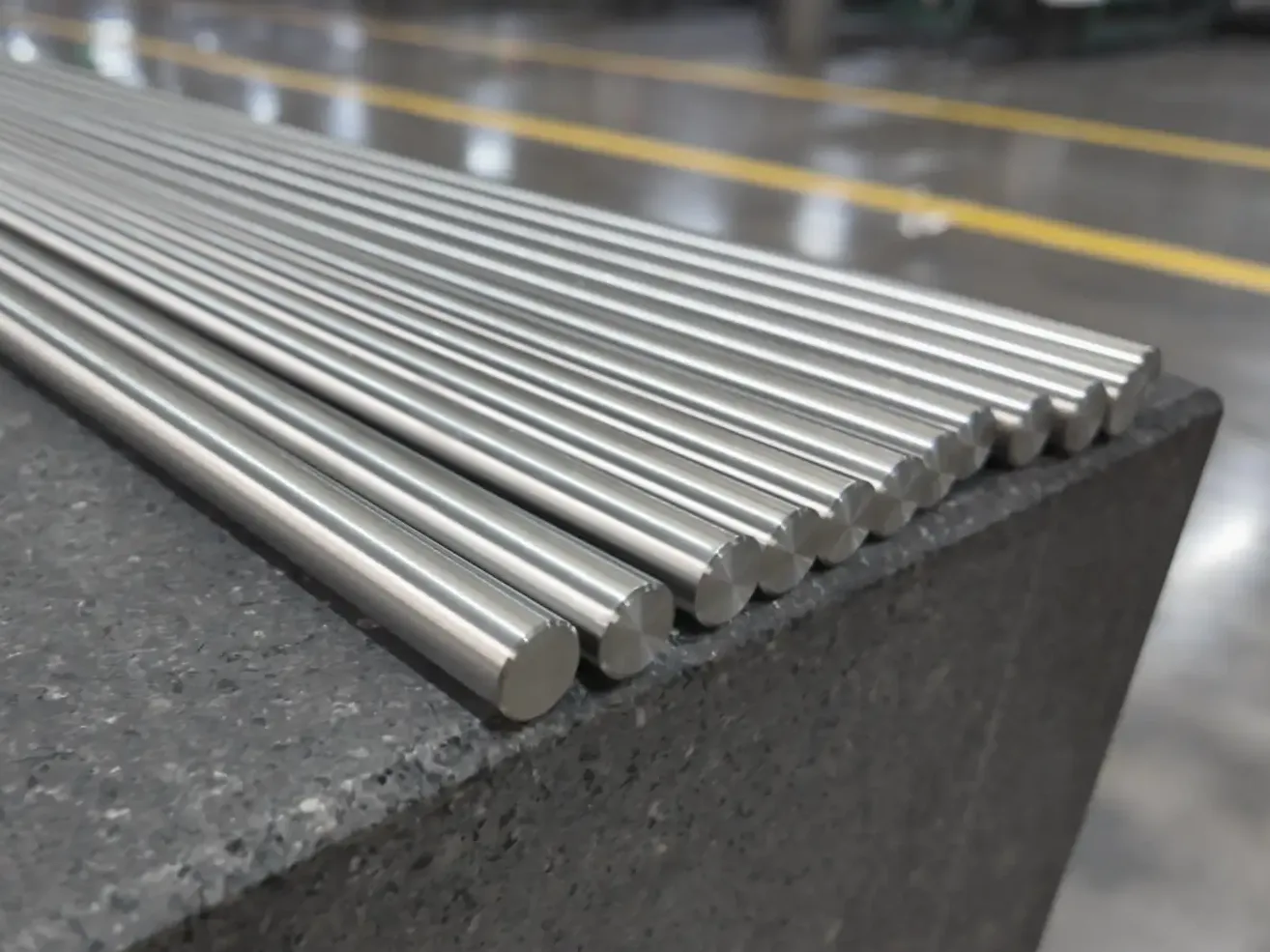
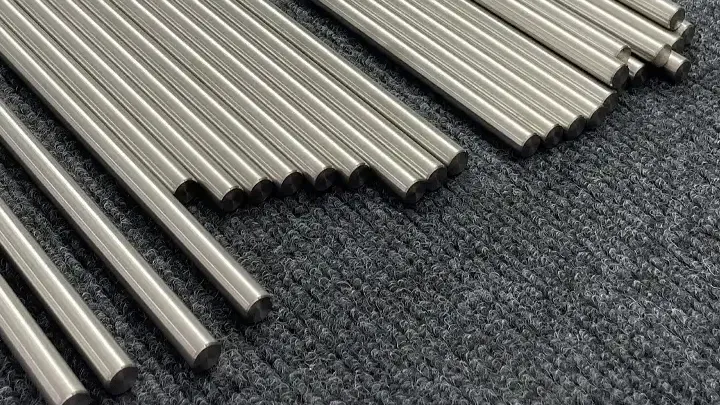
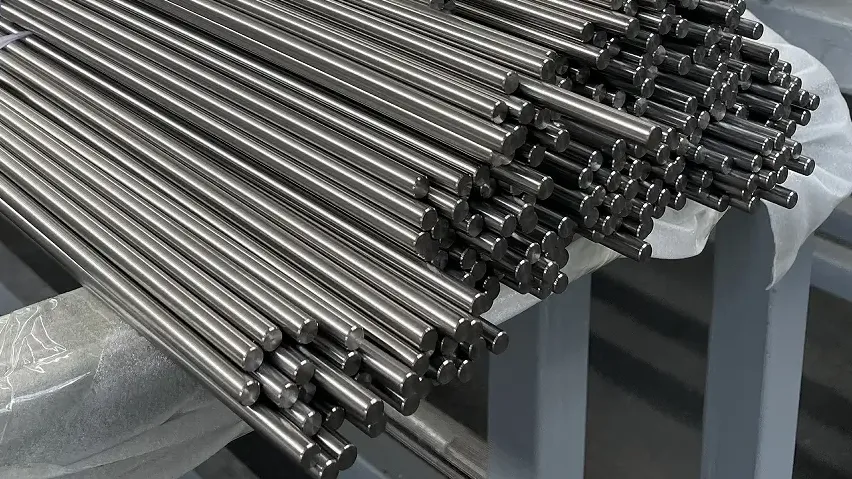
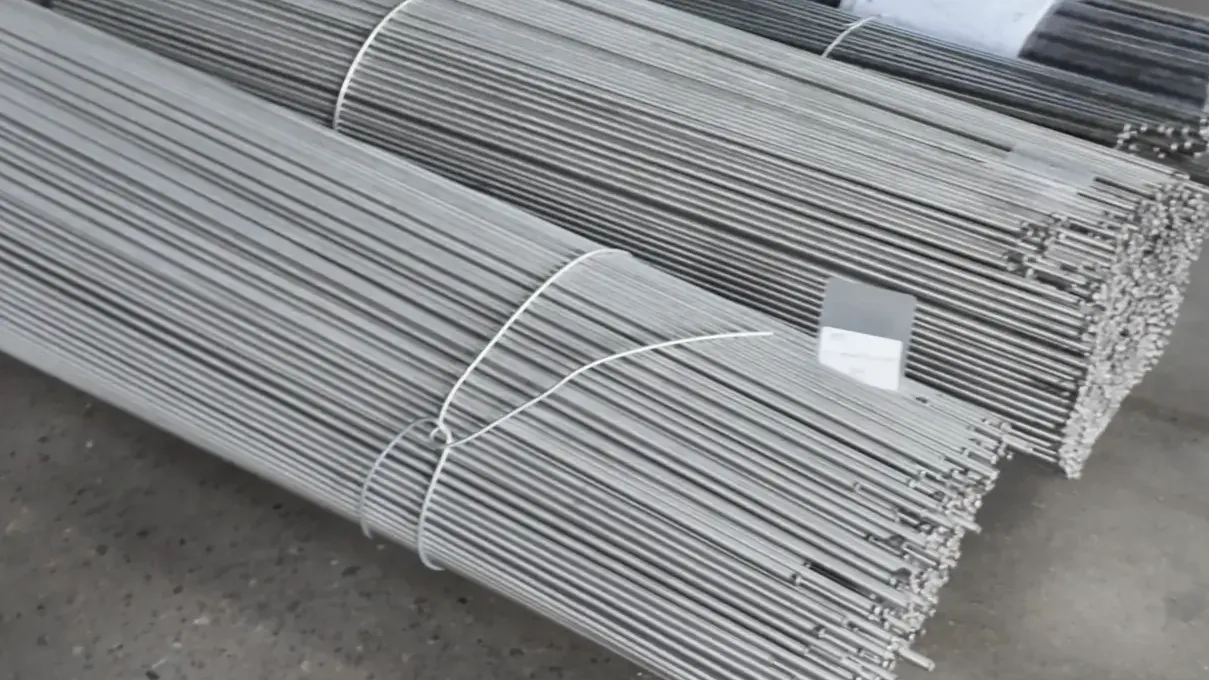
Sunxin supplies 440C stainless steel in a variety of forms, including bars, plates, tubes, wire and custom-cut sizes. The material is available under designations such as AISI 440C, SAE 440C, UNS S44004, EN 1.4125, X105CrMo17 and JIS SUS440C.
We provide support to customers in the medical, aerospace, mechanical engineering and industrial sectors, covering material supply, specification confirmation, custom dimensions, discussions on heat treatment conditions, quality documentation and coordination of international deliveries.
Delivery conditions, hardness ranges, dimensional specifications, tolerances, surface finishes and inspection requirements can be discussed according to the needs of the end application. For projects requiring hardness verification, chemical composition analysis, mechanical property testing or confirmation of heat treatment conditions, Sunxin can assist in arranging the relevant quality support prior to machining, production or end use.
Whether you require 440C stainless steel for surgical instruments, precision components, bearings, tooling parts or wear-resistant applications, Sunxin can help you match the appropriate material form, delivery condition and specification requirements to your project needs.