Additional Info
A Brief History of Nitronic 60 Stainless Steel
Nitronic 60 stainless steel, also known as UNS S21800 or Alloy 218, is a high-silicon, high-manganese, nitrogen-strengthened austenitic stainless steel.
Nitronic 60 was developed primarily to address the issues of galling, scoring and wear that occur in stainless steel components under friction, sliding contact and metal-to-metal contact.
Common austenitic stainless steels such as 304 and 316 offer good corrosion resistance and machinability, but their resistance to galling is not typically a strong point when used in threaded connections, pins, bushings, sliding parts and high-load contact surfaces.
Nitronic 60 remains an austenitic stainless steel and cannot achieve high hardness through quenching or ageing. Its key characteristics stem from an alloy design featuring high silicon, high manganese and nitrogen fortification.
How was the Nitronic 60 developed
The development of Nitronic 60 stemmed from practical issues encountered with stainless steel components in friction-contact environments.
In many pieces of equipment, stainless steel components do not fail primarily due to corrosion, but rather because prolonged surface friction leads to sticking, scoring, galling or seizing. Such problems are particularly common in valve stems, pump shafts, bushings, pins, threaded connections and sliding components.
To address these issues, material design evolved from standard chromium-nickel austenitic stainless steel towards high-silicon, high-manganese, nitrogen-strengthened austenitic stainless steel.
Silicon and manganese are used to improve the scratch and galling resistance of metal contact surfaces. Nitrogen is used to strengthen the austenitic structure, enhancing the material’s strength and stability. Chromium and nickel, meanwhile, maintain the corrosion resistance and toughness characteristic of austenitic stainless steel.
The performance characteristics of Nitronic 60 derive primarily from its alloy composition rather than subsequent heat treatment.
Early Applications of Nitronic 60
Nitronic 60 was initially used primarily for components subject to high friction, high loads and metal-to-metal contact.
Common early applications included valve stems, wear-resistant valve components, pump shafts, pump wear rings, pins, bushings, threaded fittings, fasteners, shaft sleeves, sliding components and wear-resistant structural parts.
These components are frequently subjected to sliding, rotation, compression or repeated contact during operation. If the material lacks sufficient resistance to galling, the component surfaces are prone to scoring, threads are likely to seize, and moving parts may experience accelerated wear or assembly difficulties.
Nitronic 60 exhibits good anti-seizing and wear-resistant properties even in the annealed condition, and has therefore gradually come to be used in parts where standard stainless steels struggle to meet the demands of friction-intensive operating conditions.
Current Applications of Nitronic 60
Nitronic 60 is currently used primarily in parts requiring anti-seizing properties, wear resistance, corrosion resistance and stable mechanical properties.
Common applications include:
Medical device applications: surgical scissors, contact surfaces of forceps, instrument hinges, sliding contact components, wear-resistant medical tools and reusable surgical instrument components. Nitronic 60 may be used for surgical instrument materials that comply with the relevant requirements of ASTM F899, but is not typically selected as an implant material.
Aerospace applications: anti-seizing fasteners, bushings, pins, sliding components, wear-resistant connectors, actuator-related parts, and high-load moving parts where the risk of metal-to-metal seizing needs to be minimised.
Mechanical engineering applications: Valve stems, wear-resistant valve components, pump shafts, pump wear rings, bushings, shaft sleeves, pins, guide rods, sliding components, threaded fasteners, moving joints in automated equipment, robotic joint pins, sliding bushings, gripping surfaces of grippers, and precision-machined parts requiring wear resistance.
Industrial applications: marine equipment components, moving parts for chemical processing equipment, valve systems, pump components, wear-resistant fasteners, screen components, chain drive components, and parts subjected to prolonged friction, sliding or high-load contact environments.
Sunxin’s Nitronic 60 Stainless Steel Supply Support
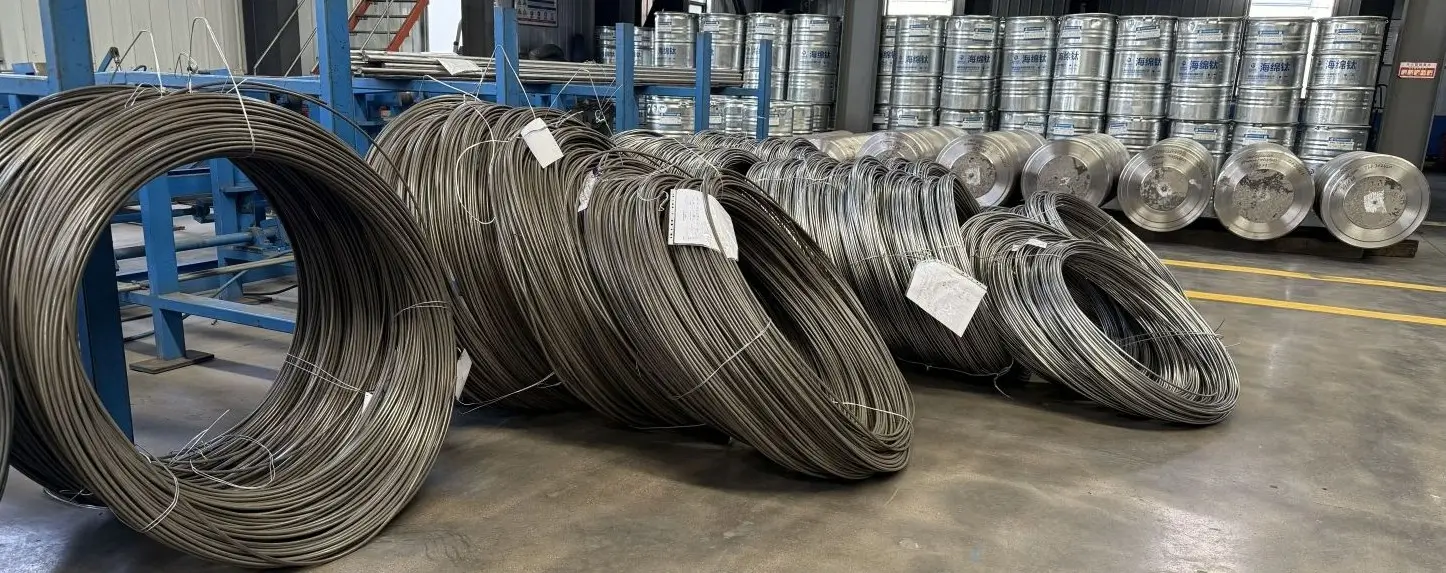
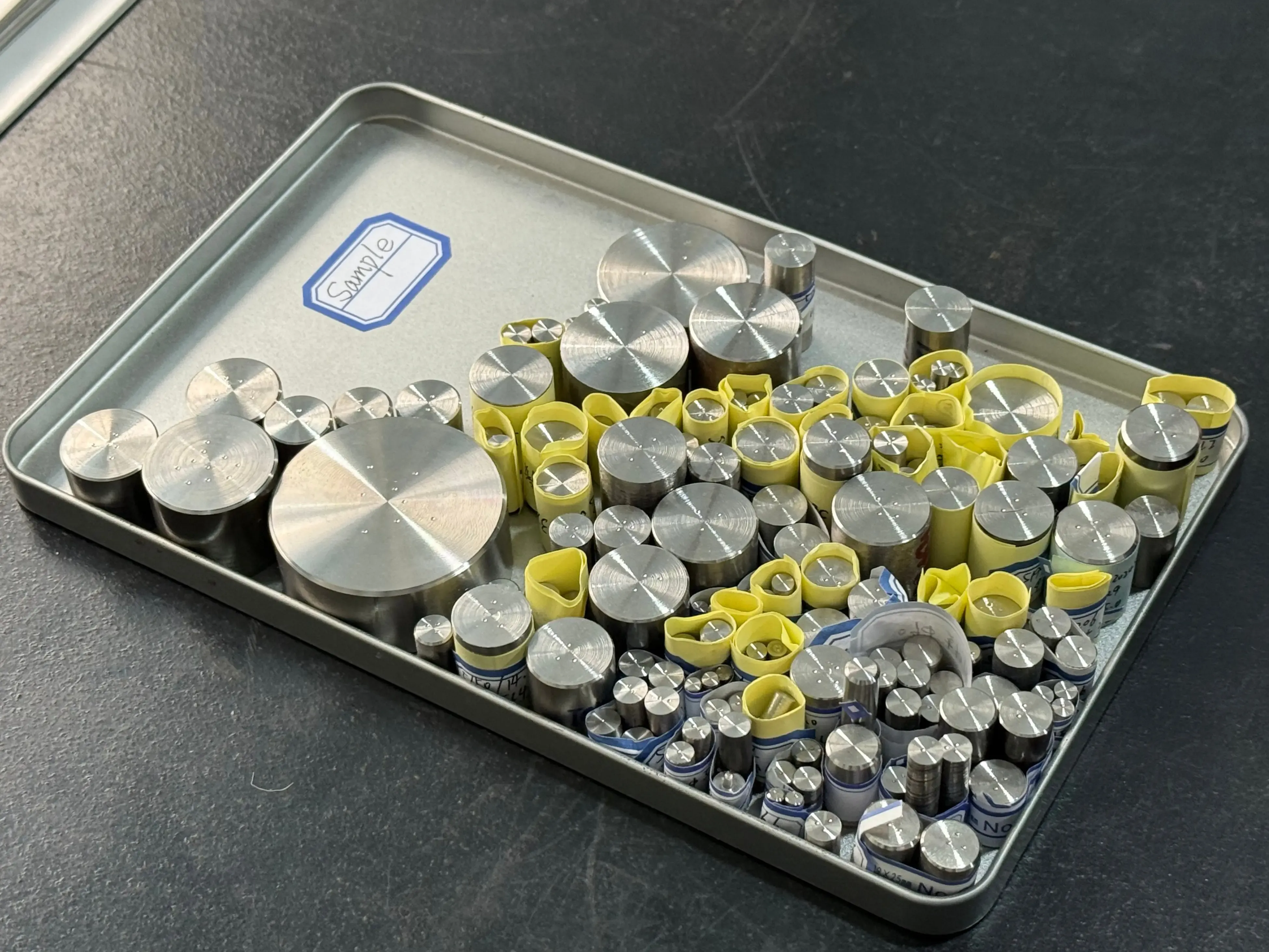
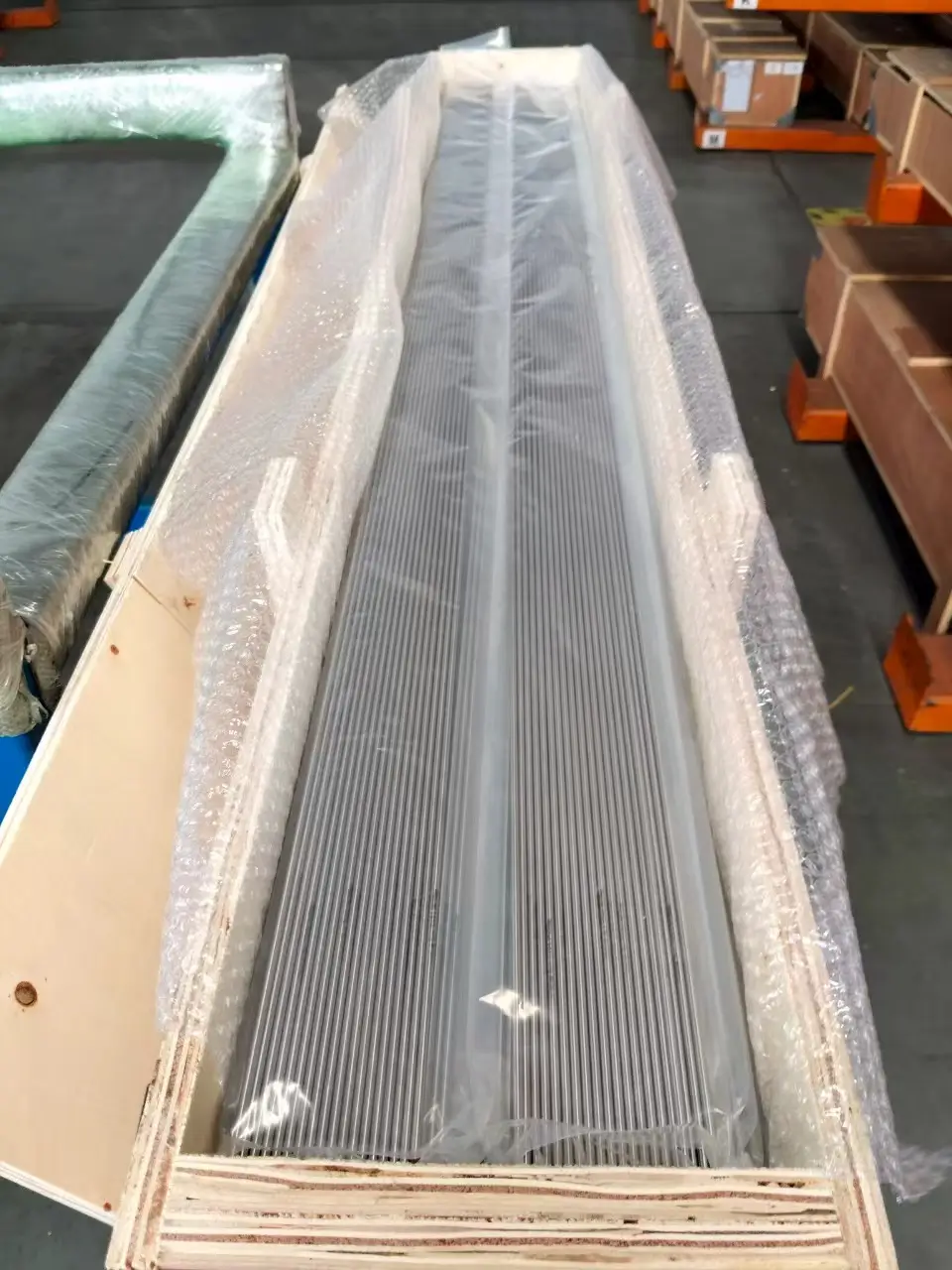
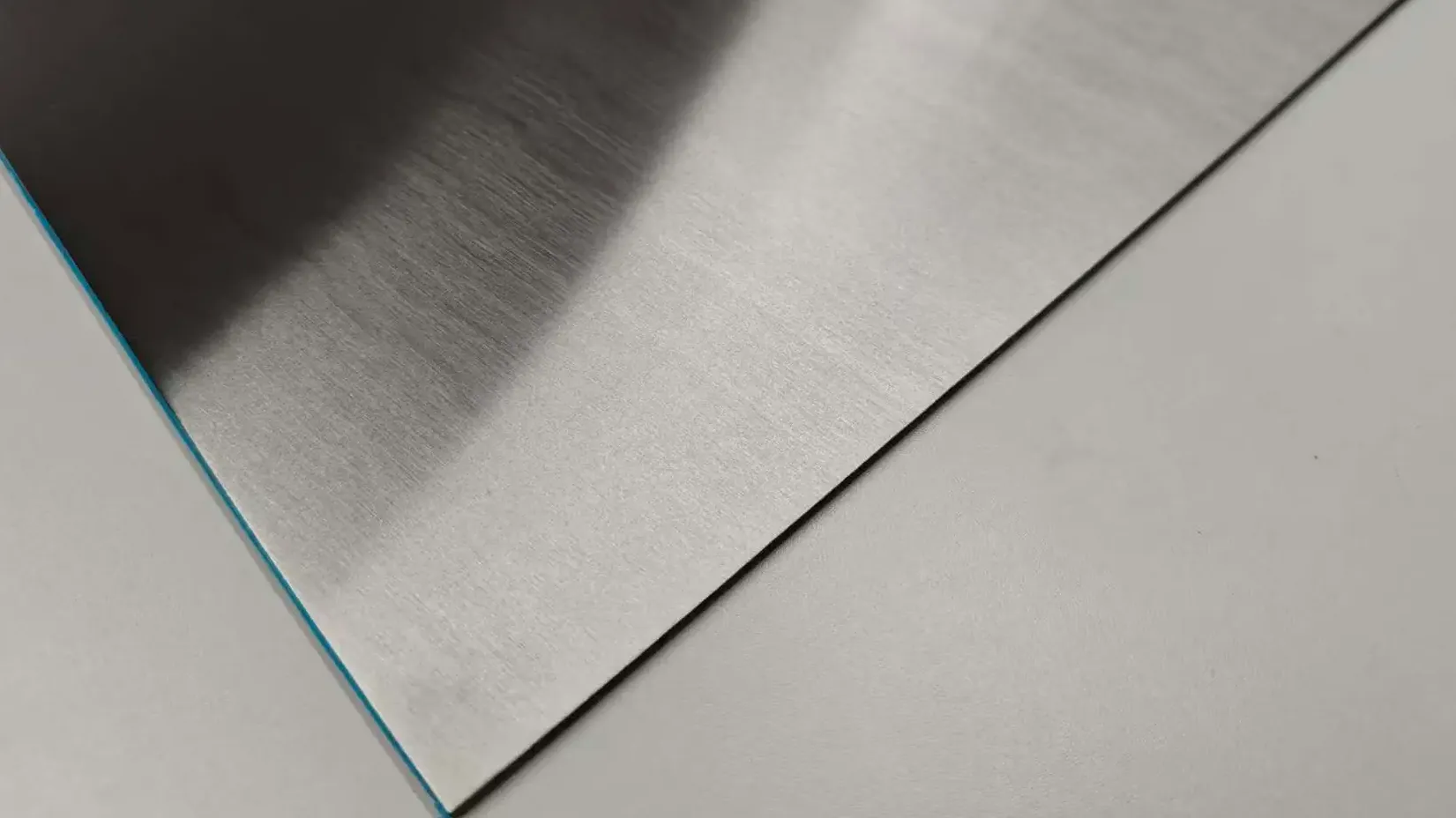
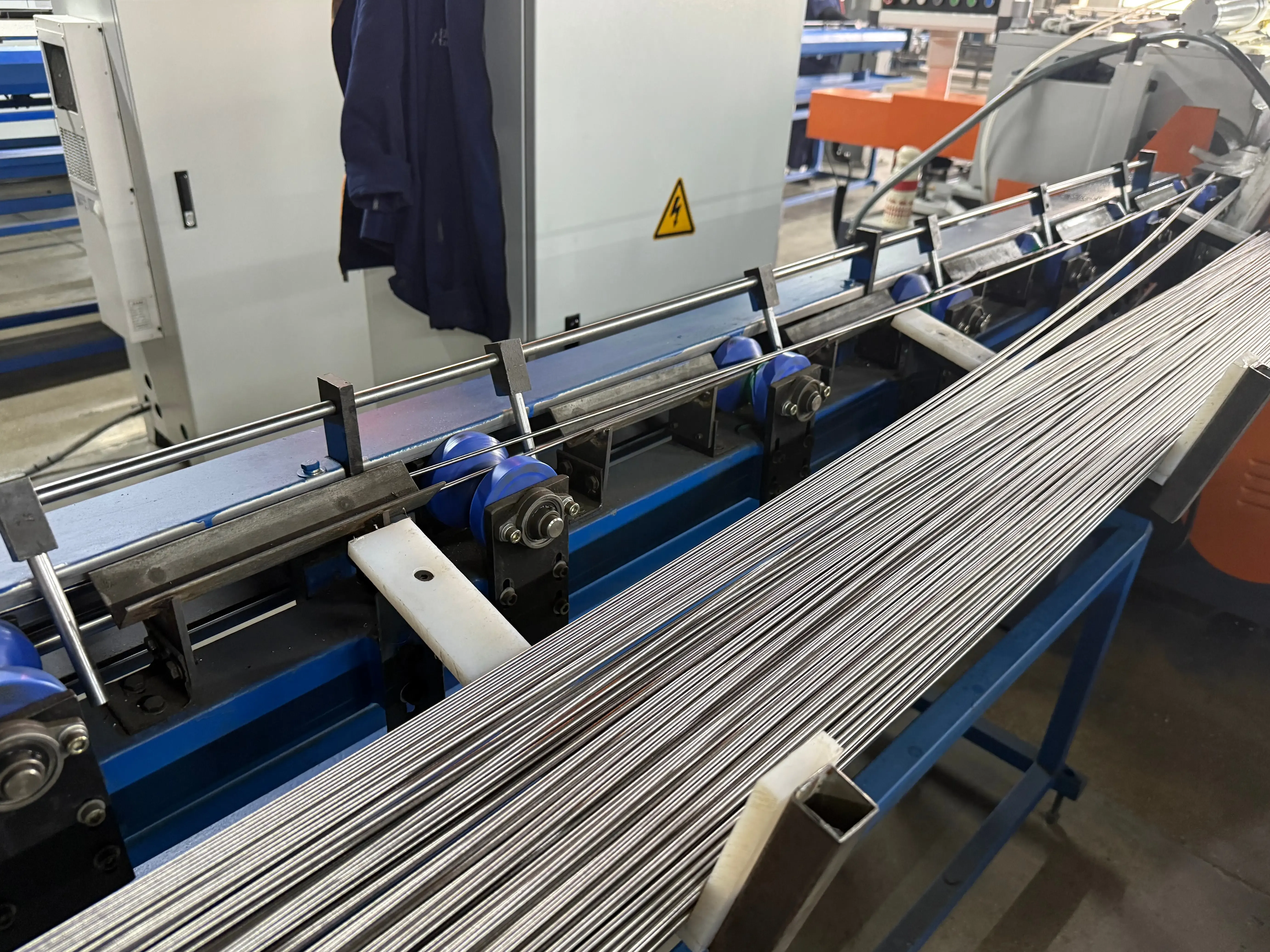
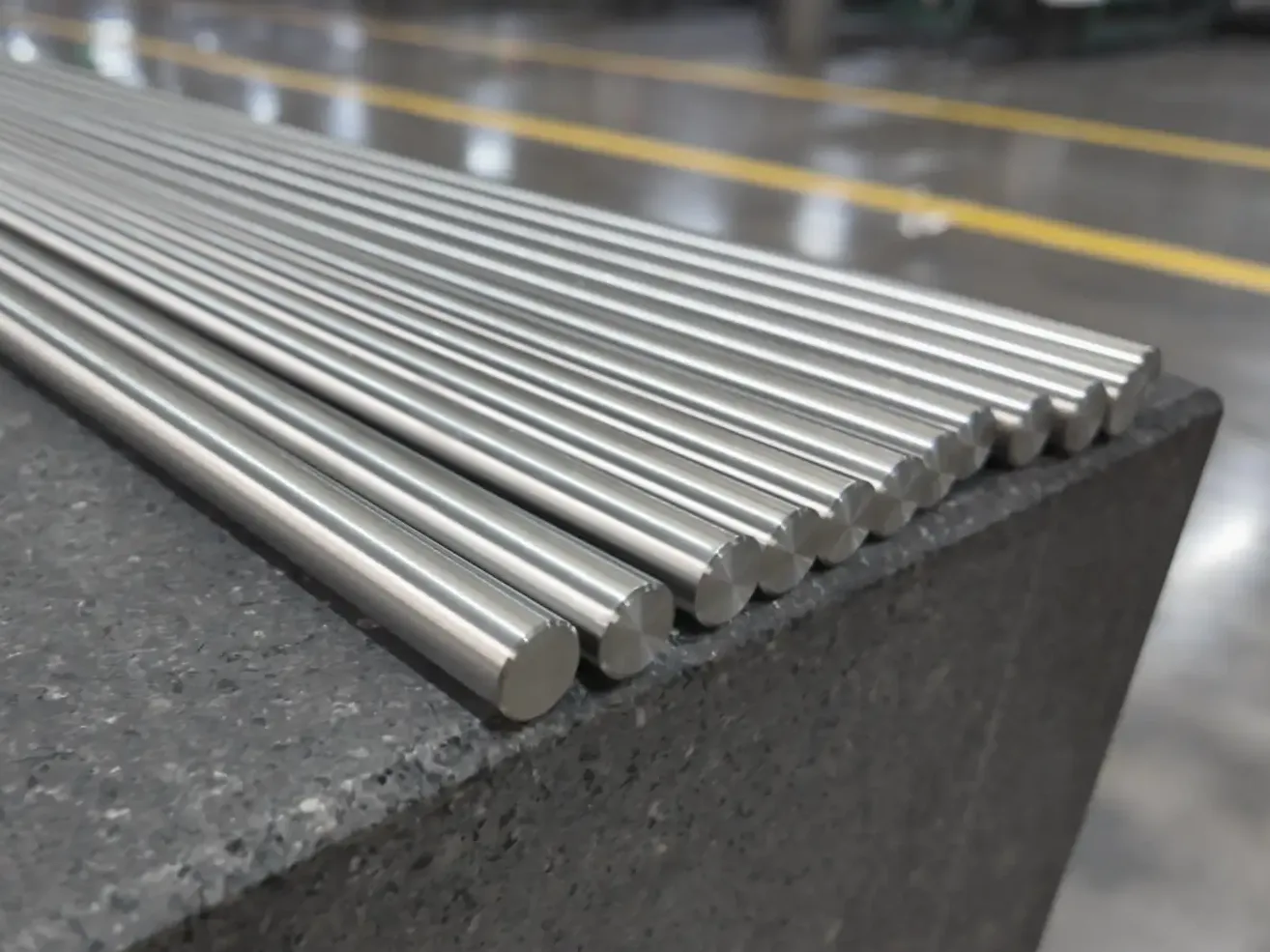
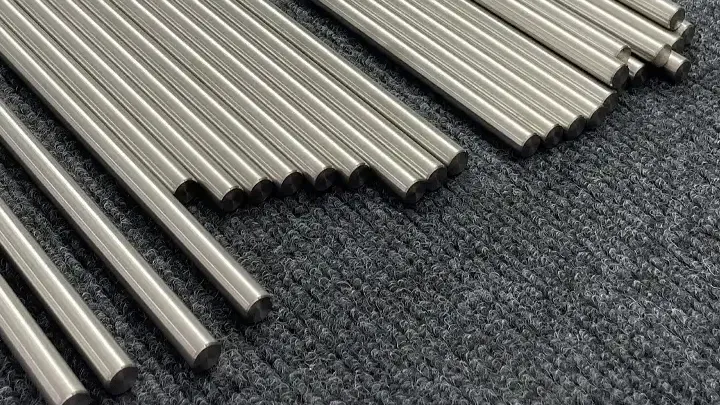
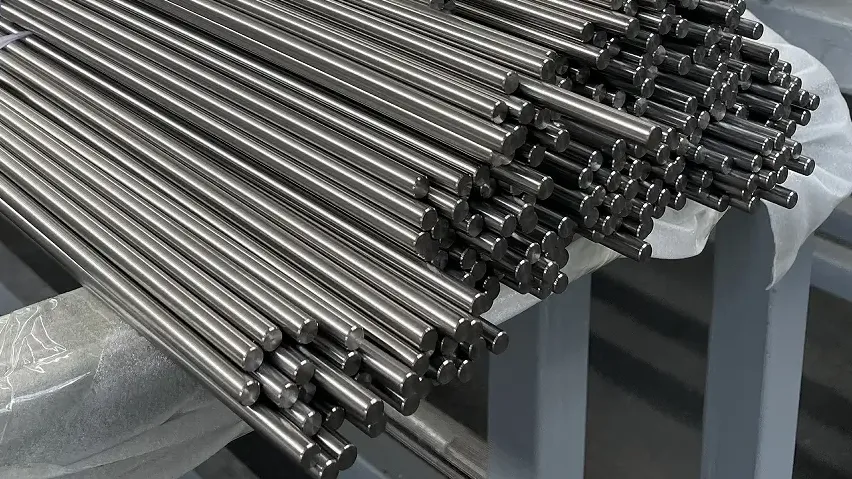
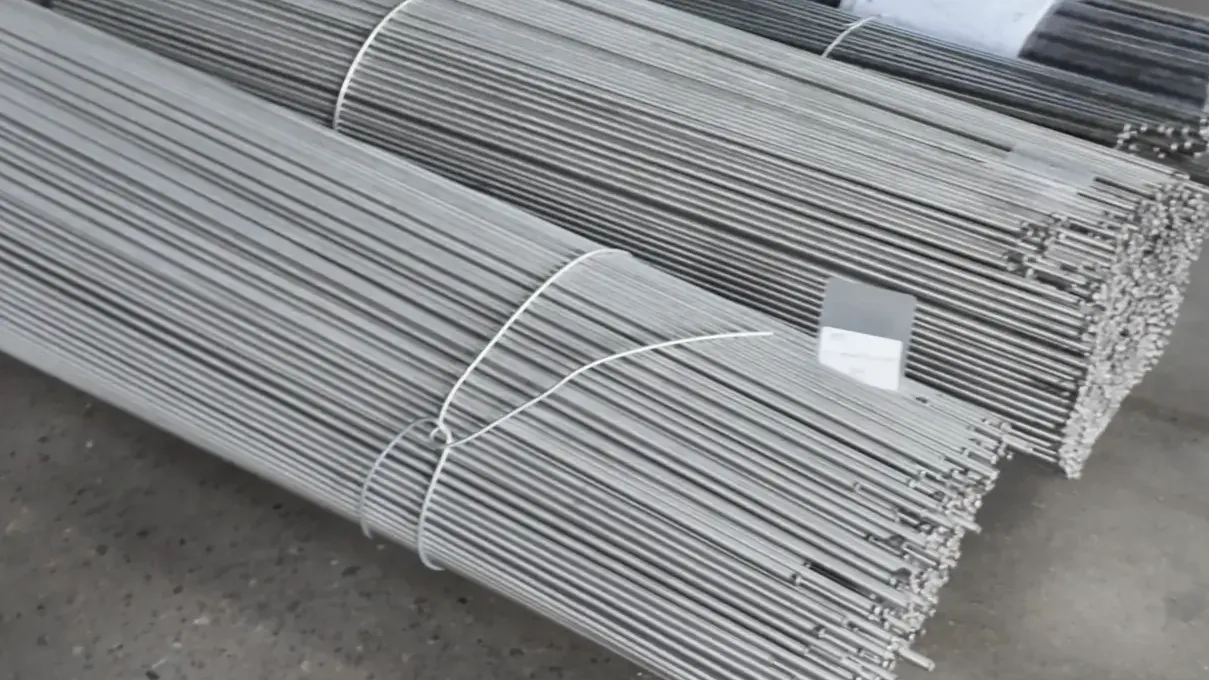
Sunxin supplies Nitronic 60 stainless steel in sheet, bar and wire forms, as well as custom cut sizes.
Available specifications include: plate T0.5–T200.0 mm; bar Φ1.0–Φ200.0 mm; wire Φ1.0–Φ3.0 mm.
Surface finishes include milled, polished or precision-polished; for bars and wire, h6–h9 tolerance options can be confirmed according to project requirements.
Prior to the production of Nitronic 60 items, it is recommended to confirm the material form, delivery condition, cold-worked condition, surface finish, dimensions, tolerances, friction conditions, contact materials, operating temperature, corrosive environment, inspection items and quality documentation.
Sunxin is certified to the ISO 13485 and ISO 9001 quality management systems and can support batch management, traceability control, inspection coordination and quality documentation management.