Additional Info
A Brief History of Ti-6Al-7Nb Titanium
Ti-6Al-7Nb, also known as UNS R56700 or 3.7235, is an α+β titanium alloy.
The composition of this grade is clearly defined: 6% aluminium and 7% niobium. Aluminium is used to enhance strength, whilst niobium stabilises the β phase and replaces the vanadium found in the traditional Ti-6Al-4V alloy.
Ti-6Al-7Nb was not developed for general structural applications. It is primarily intended for medical implants and high-demand medical components, and is particularly suitable for projects requiring strength, biocompatibility, corrosion resistance and long-term stability.
In the fields of orthopaedics, spinal surgery, dentistry and trauma fixation, Ti-6Al-7Nb is a representative medical titanium alloy grade.
How was the Ti-6Al-7Nb Titanium developed
The development of Ti-6Al-7Nb originated from the need for medical implant materials.
Medical implants cannot be evaluated solely on strength. Bone plates, bone screws, hip joint components, spinal structural components and dental implant-related parts are often intended to remain in the human body for extended periods. The material must withstand repeated loading whilst being exposed to bodily fluids over the long term.
Early Ti-6Al-4V alloys already offered high strength and had a well-established processing infrastructure. However, they contained vanadium (V). For long-term implant materials, concerns regarding the biocompatibility of vanadium prompted the medical industry to seek more suitable alternatives.
Materials scientists therefore set out to find an alternative that combined high strength with superior biocompatibility. Ti-6Al-7Nb was thus developed; it retains the strength of the Ti-6Al series of titanium alloys whilst offering excellent biocompatibility, with the highly biocompatible element ‘niobium (Nb)’ completely replacing ‘vanadium (V)’. Niobium also stabilises the β phase and helps the material achieve higher strength levels of approximately 930–1300 MPa.
Ti-6Al-7Nb is a titanium alloy developed for medical implants, with a focus on strength, biocompatibility, corrosion resistance and a safety margin for long-term use.
Early Applications of Ti-6Al-7Nb Titanium
Ti-6Al-7Nb was initially used primarily in orthopaedic implants.
Hip prostheses, fracture fixation plates, intramedullary nails, bone screws, spinal devices and dental components were among the earliest applications.
These components place extremely high demands on the material. Insufficient strength can easily lead to failure, whilst inadequate stability increases the risks associated with long-term implantation. The advantage of Ti-6Al-7Nb lies in the fact that, whilst offering superior strength to Ti-6Al-4V, the substitution of niobium for vanadium makes it better suited to the demands of medical implants.
As processing and inspection systems have gradually matured, Ti-6Al-7Nb has also come to be used in a wider range of precision medical components and small structural parts requiring high reliability and strength.
Current Applications of Ti-6Al-7Nb Titanium
Ti-6Al-7Nb is currently primarily used in medical implants and precision medical components.
Common applications include:
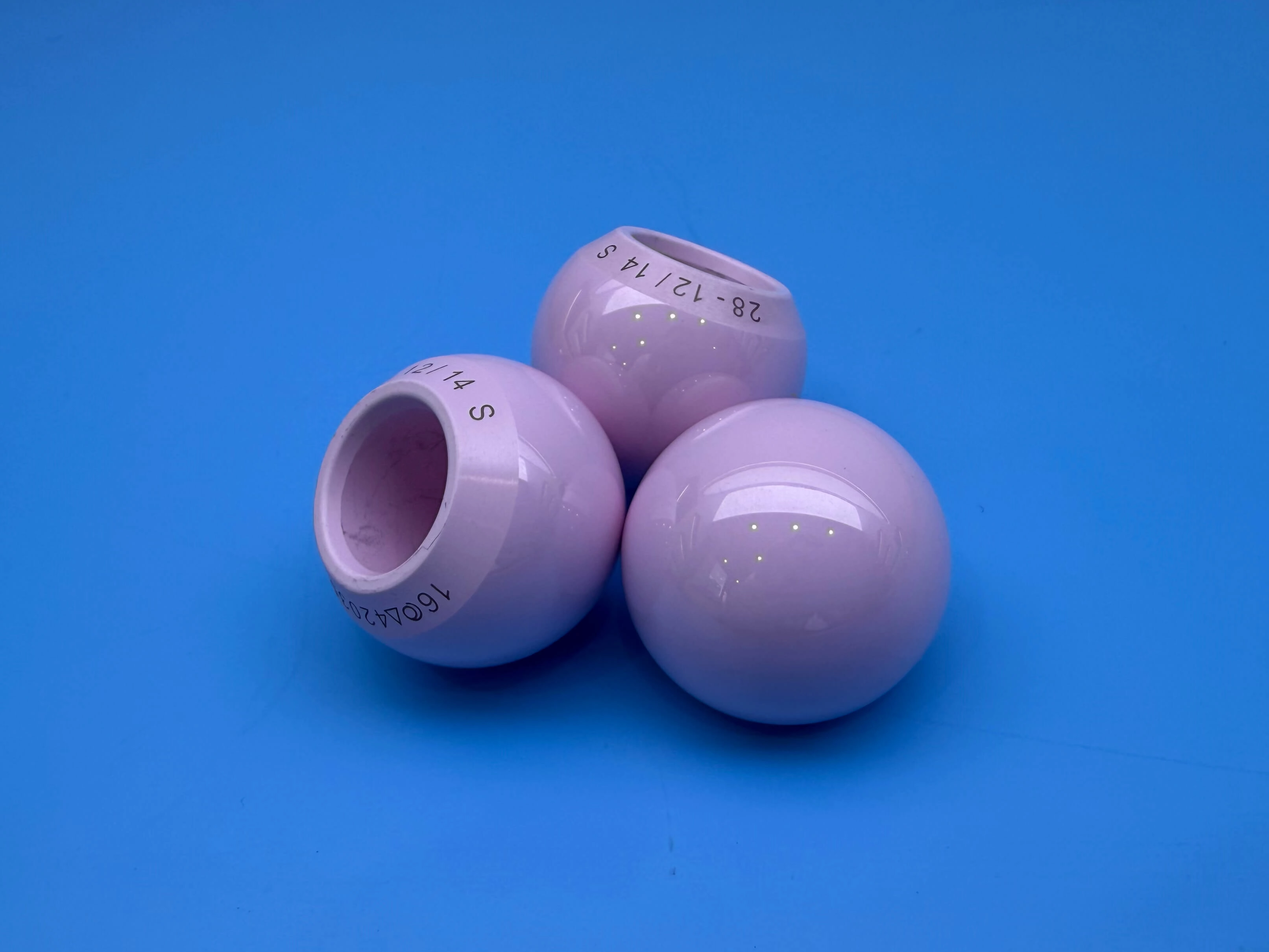
Medical applications: hip prosthesis components, orthopaedic fixation plates, bone screws, trauma fixation devices, spinal structural components, intramedullary nails, dental implant components, dental restoration components, medical connectors and precision medical parts. For use in implant projects, confirmation must be made in accordance with ASTM F1295, ISO 5832-11, drawing requirements, inspection documentation and the end use.
Dental applications: components for dental implants, structural components for dental restorations, dental connectors, small titanium dental parts and custom-machined parts. For dental projects involving long-term implants or high load-bearing requirements, confirmation of material standards, dimensional tolerances, surface finish and inspection documentation is required.
Precision engineering applications: High-strength lightweight fasteners, small load-bearing components, medical device structural components, robotic medical device parts and corrosion-resistant precision machined parts. This material is recommended as the preferred choice only when Ti-6Al-7Nb is explicitly specified in customer drawings or project standards.
Sunxin’s Ti-6Al-7Nb Titanium Supply Support
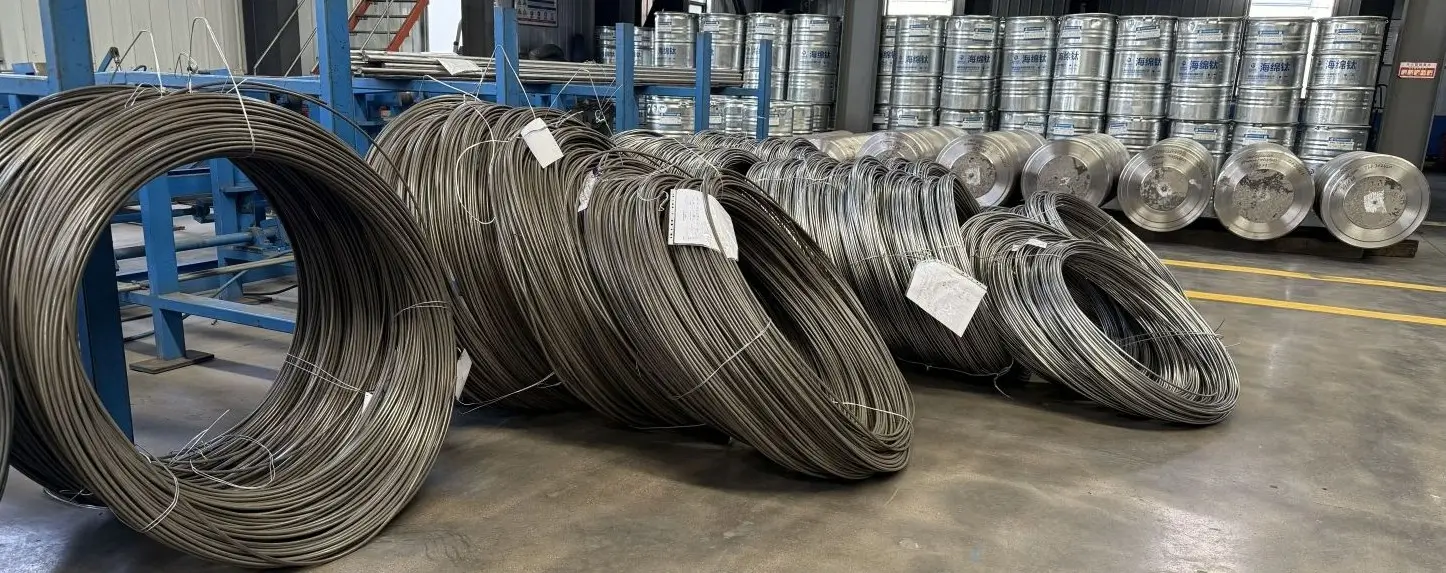
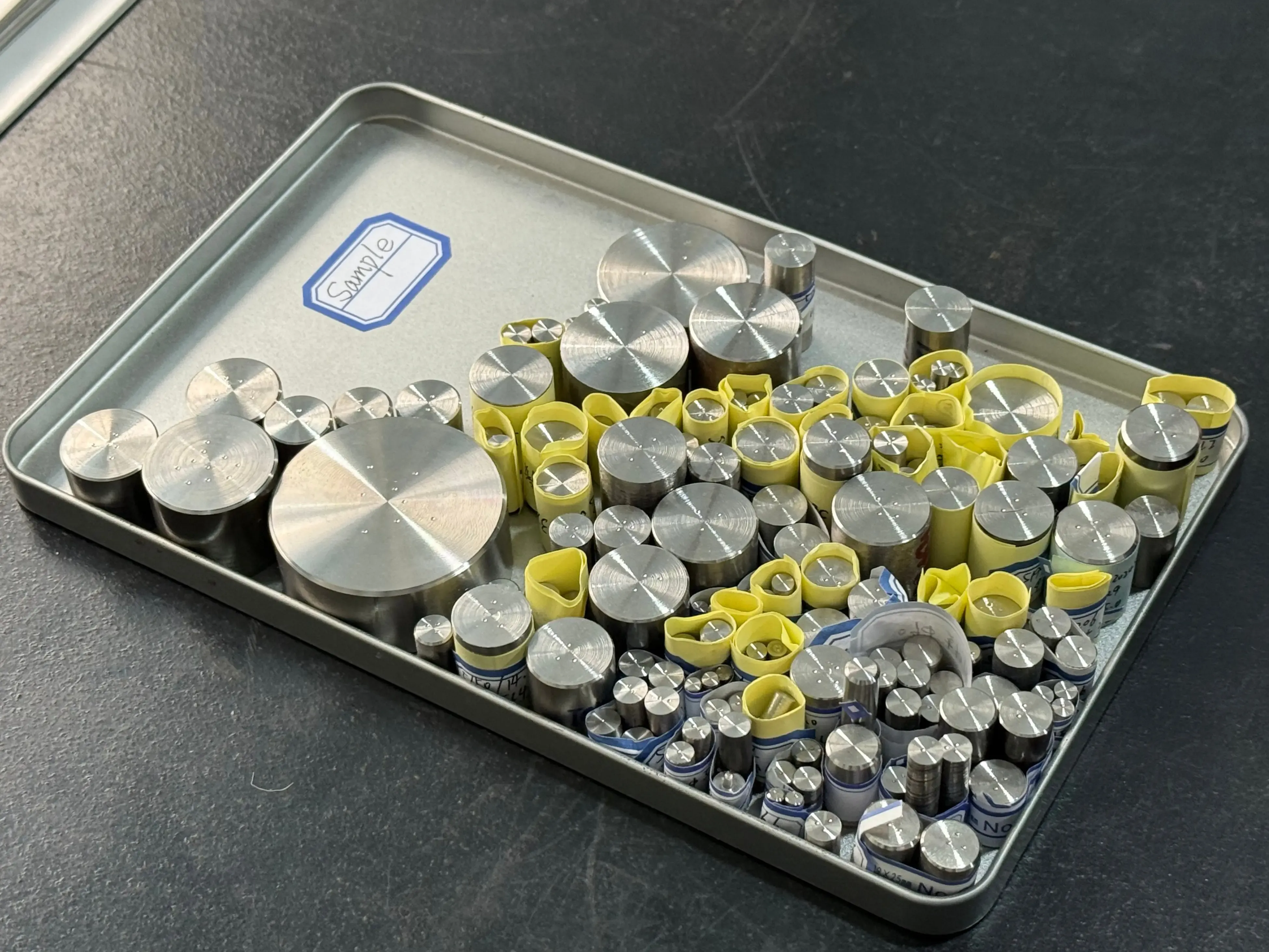
Sunxin supplies Ti-6Al-7Nb in sheet, bar, wire and custom cut dimensions.
Supported standards include ASTM F1295 and ISO 5832-11. The specific applicable standard must be confirmed based on the product form, end use and customer drawing requirements.
Available specifications include:
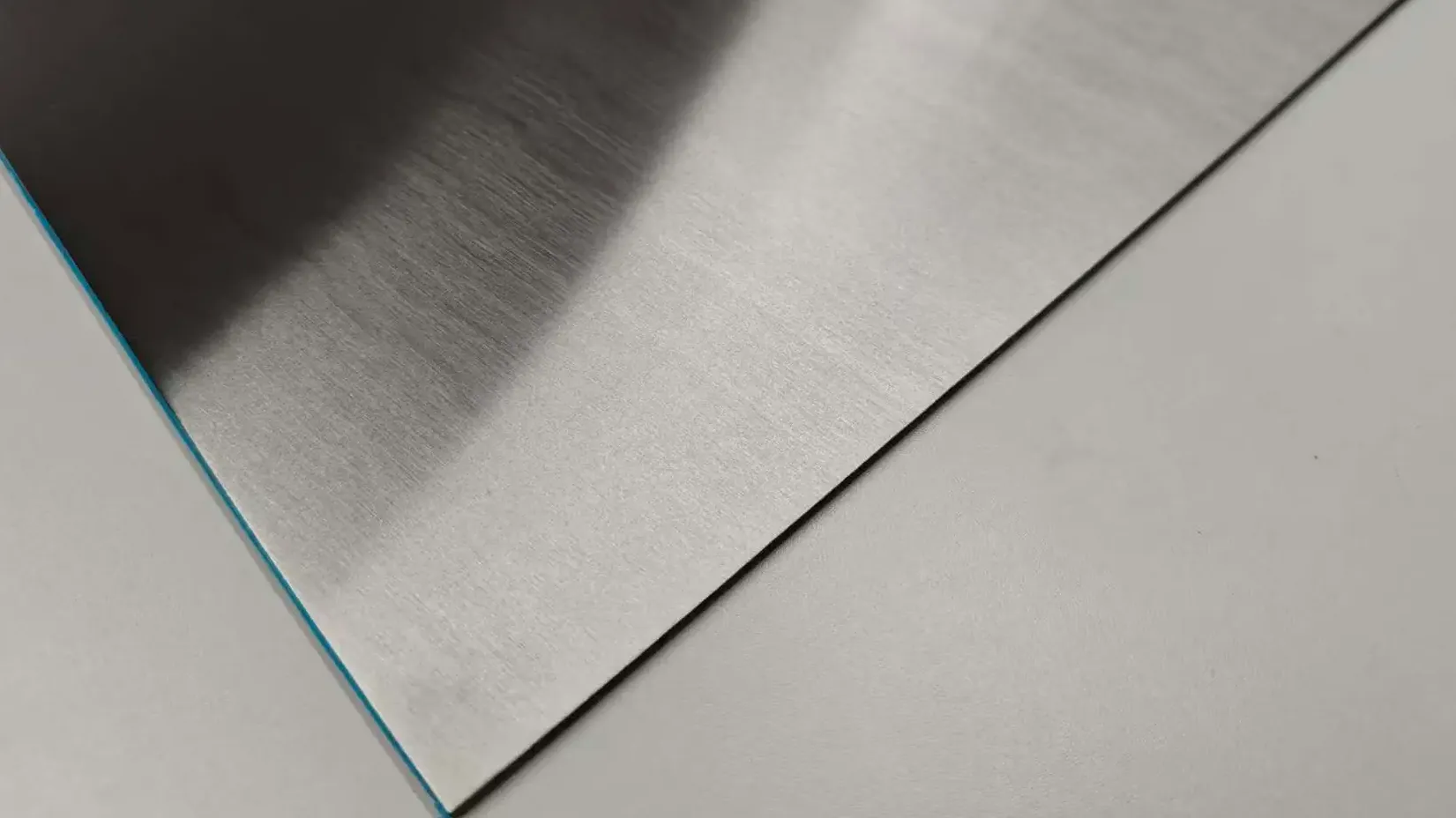
Plates: T0.5–T200.0 mm, milled surface, standard lengths 200 / 250 / 300 mm, widths 200 / 300 / 500 / 1000 mm, tolerance -0.0 / +1.0 mm, supplied in the annealed condition.
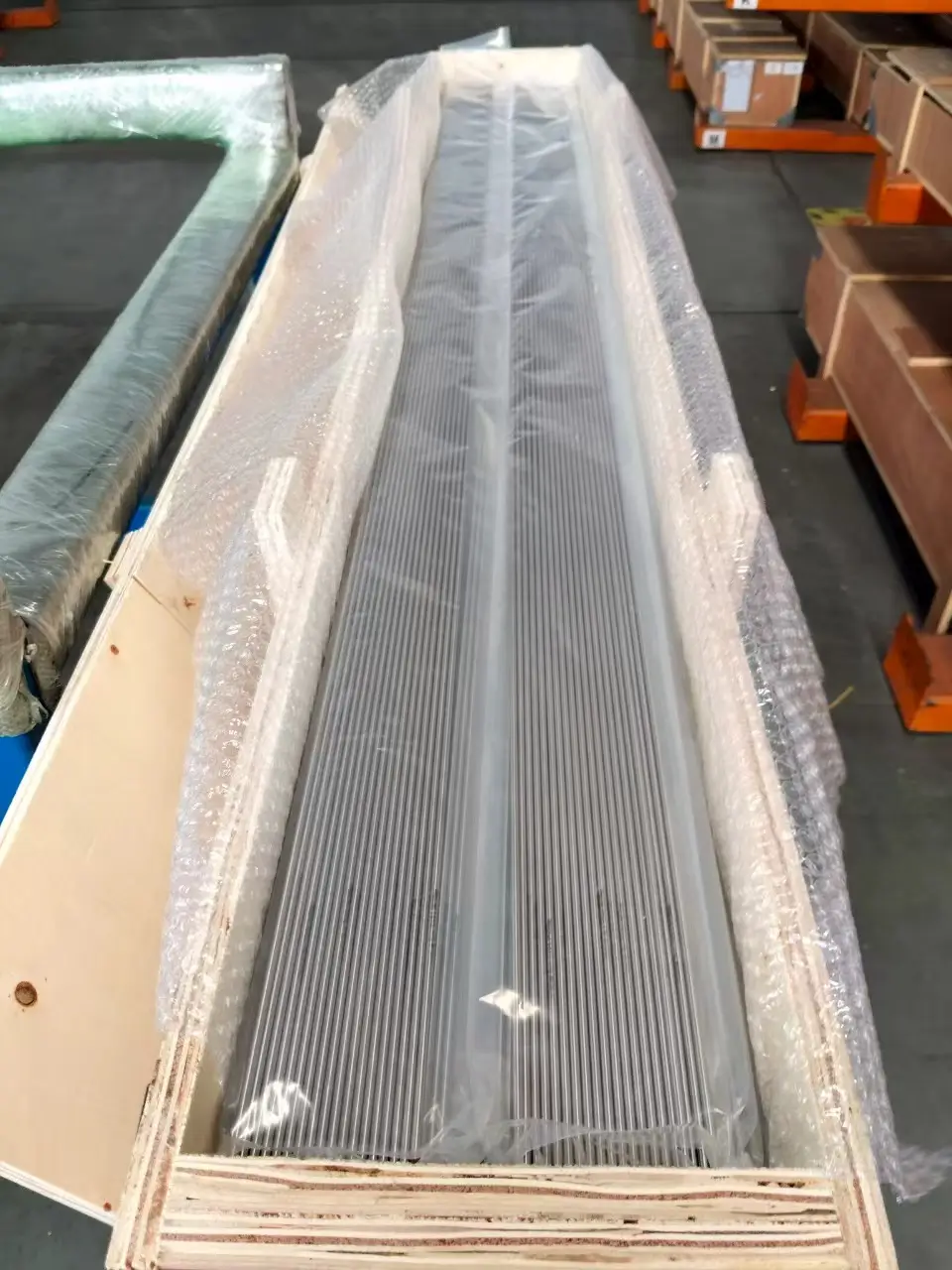
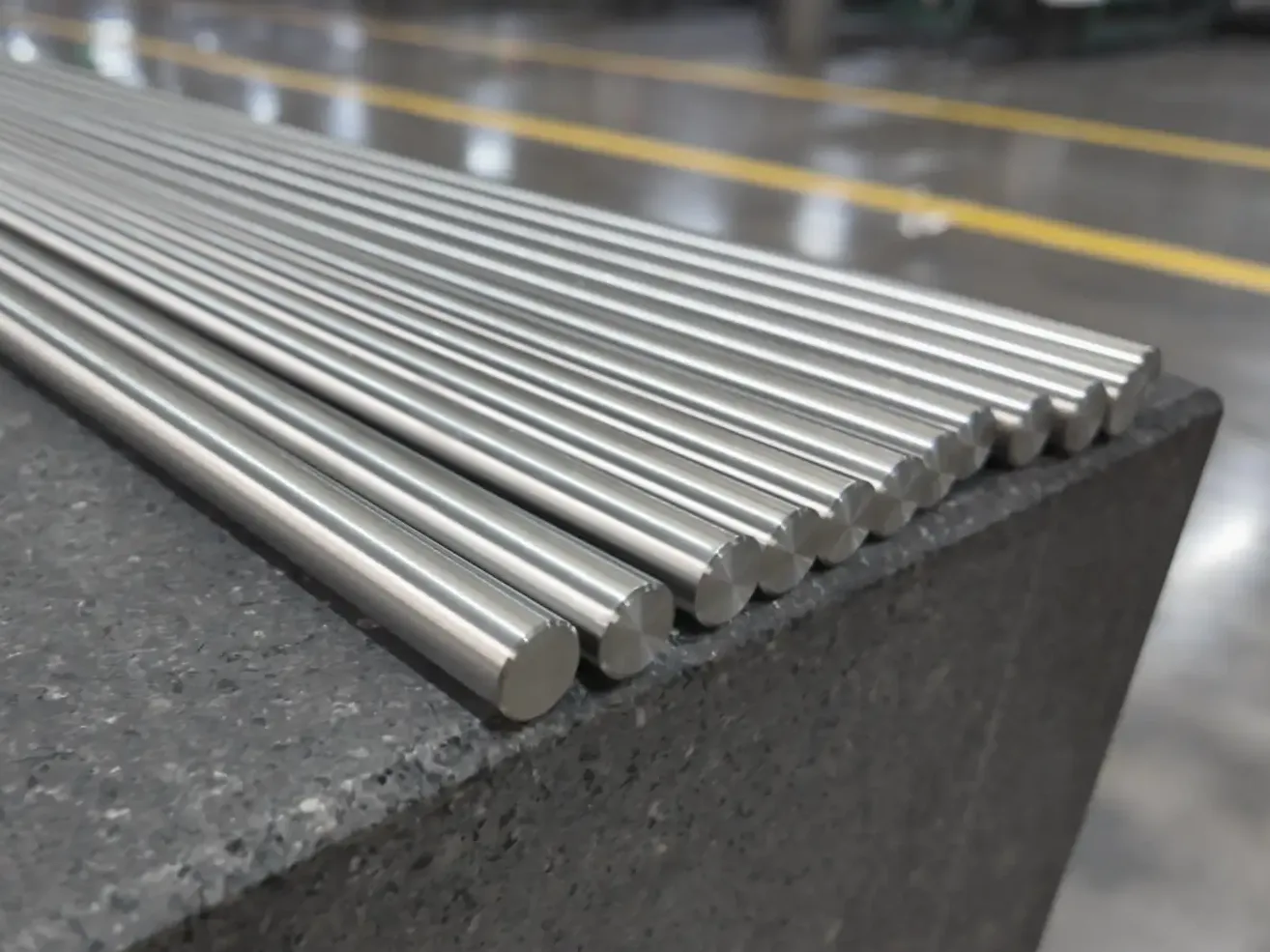
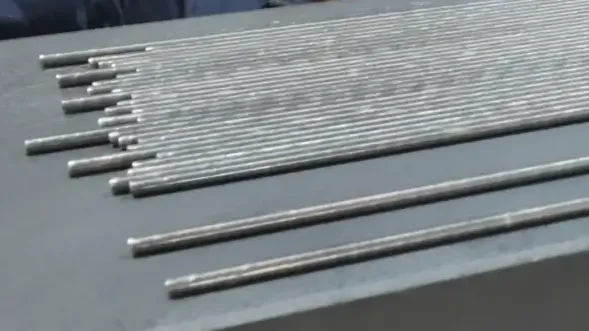
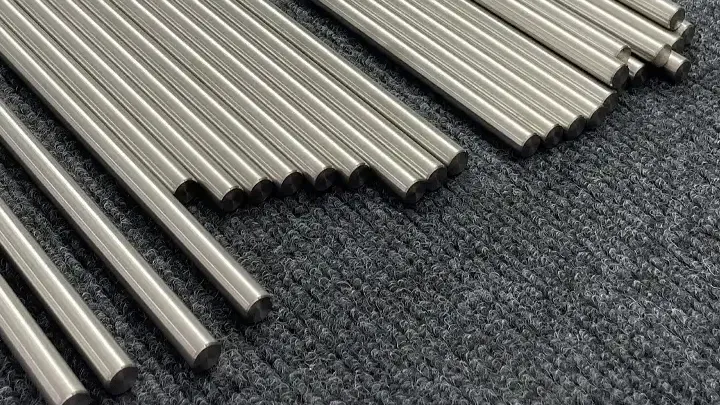
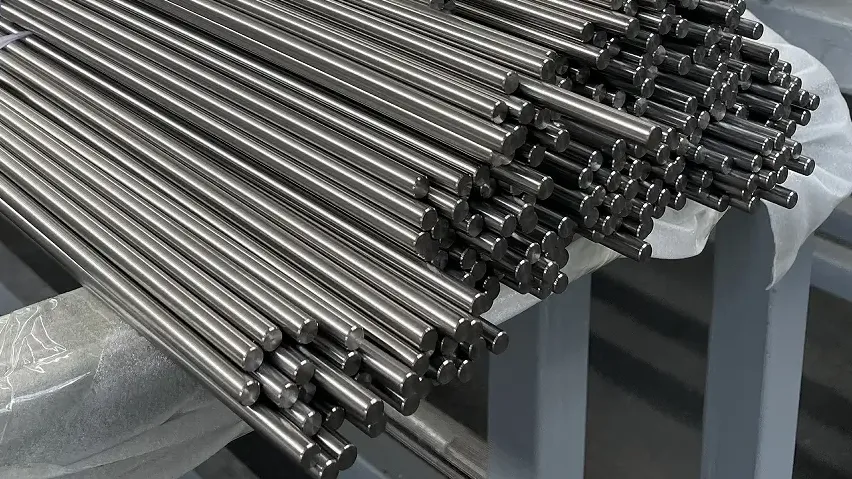
Bars: Φ1.0–Φ200.0 mm, polished or precision polished, standard length 3 m/piece, tolerances can be confirmed as h6–h9, supplied in the annealed condition.
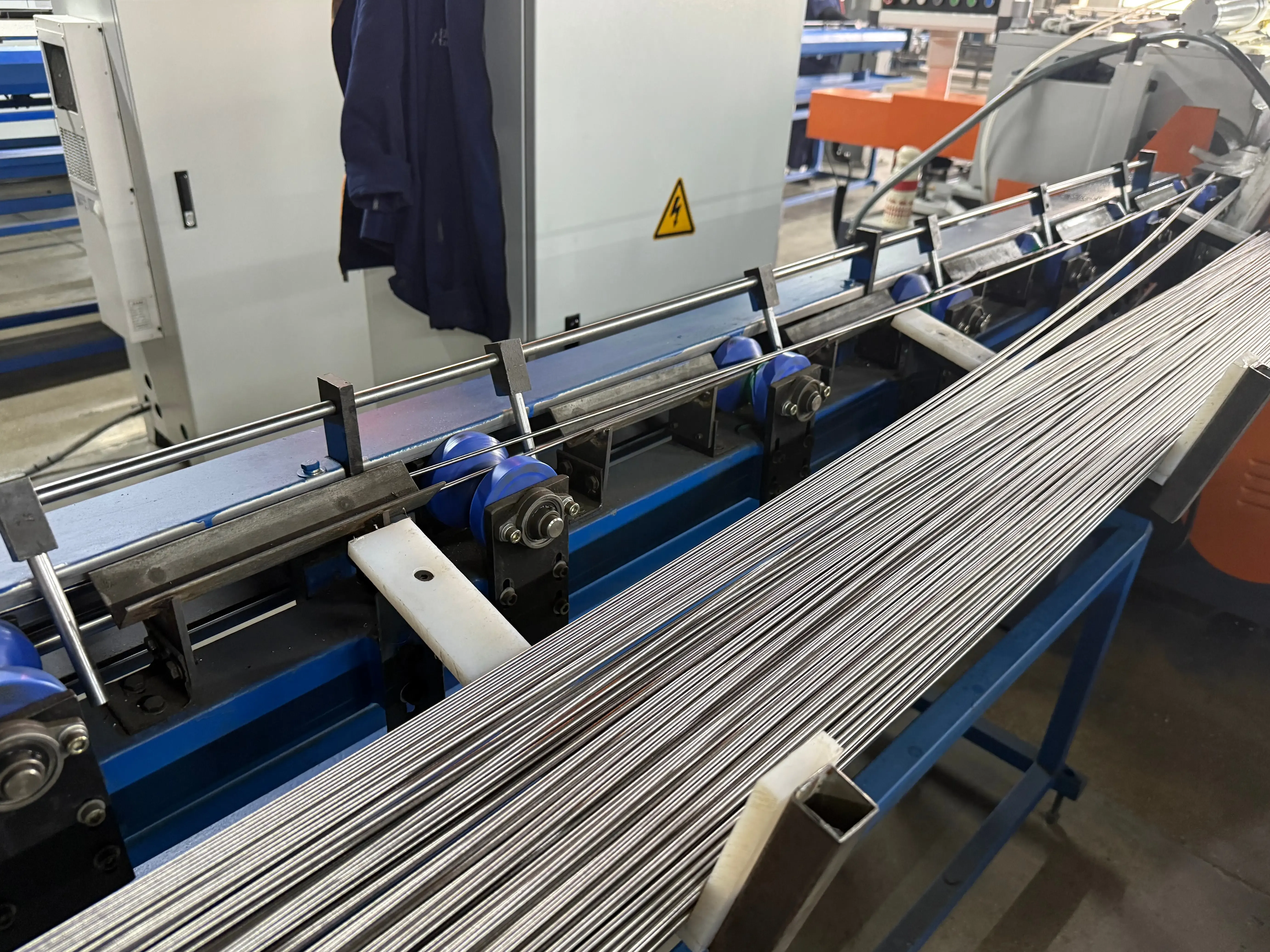
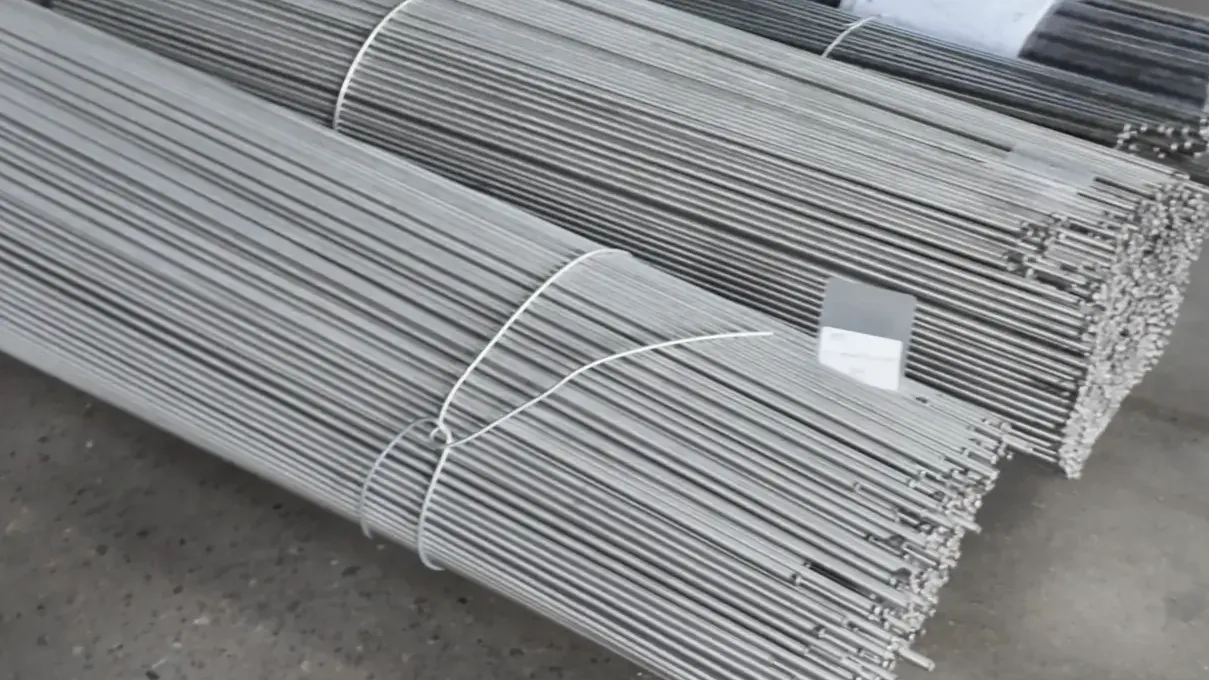
Wire: Φ1.0–Φ3.0 mm, polished or precision polished, standard length 1 m/piece, tolerances can be confirmed as h6–h9, supplied in the annealed condition.
Prior to production of Ti-6Al-7Nb projects, it is recommended to confirm the material form, delivery condition, surface finish, dimensions, tolerances and applicable standards. For medical implants, dental implants, spinal and trauma fixation projects, it is also necessary to confirm the chemical composition, mechanical properties, fatigue requirements, inspection items, quality documentation and traceability requirements.
Sunxin is certified to the ISO 13485 and ISO 9001 quality management systems and can support batch management, traceability control, testing coordination and quality documentation management.