
Introduction: Why This Comparison Matters More Than You Think
When sourcing stainless steel for industrial, medical, or manufacturing applications, one of the most common—and critical—decisions buyers face is choosing between 304 and 316 stainless steel.
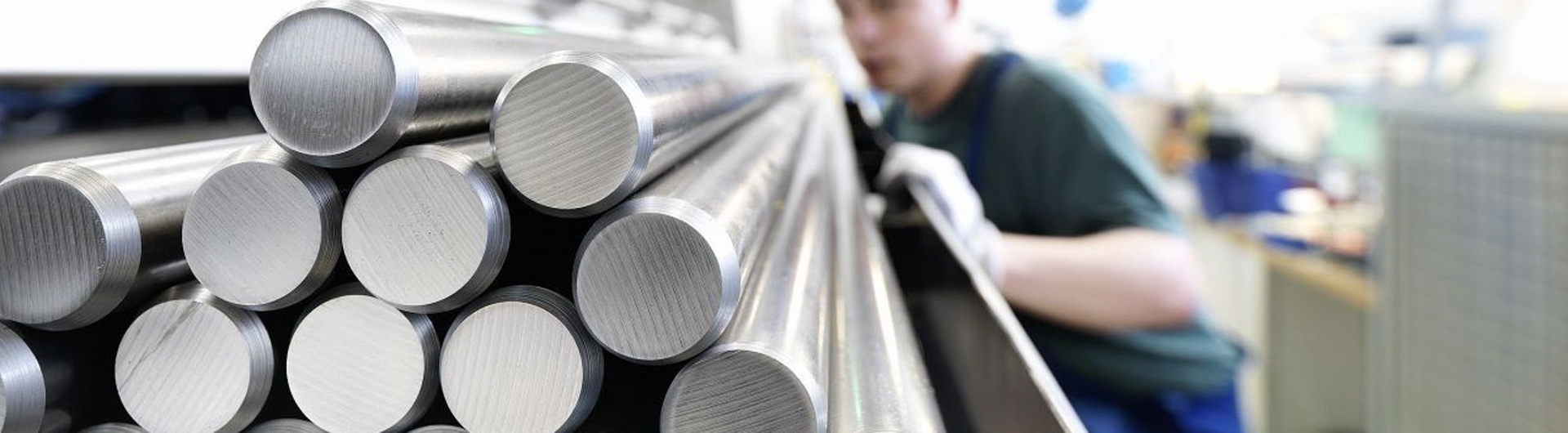
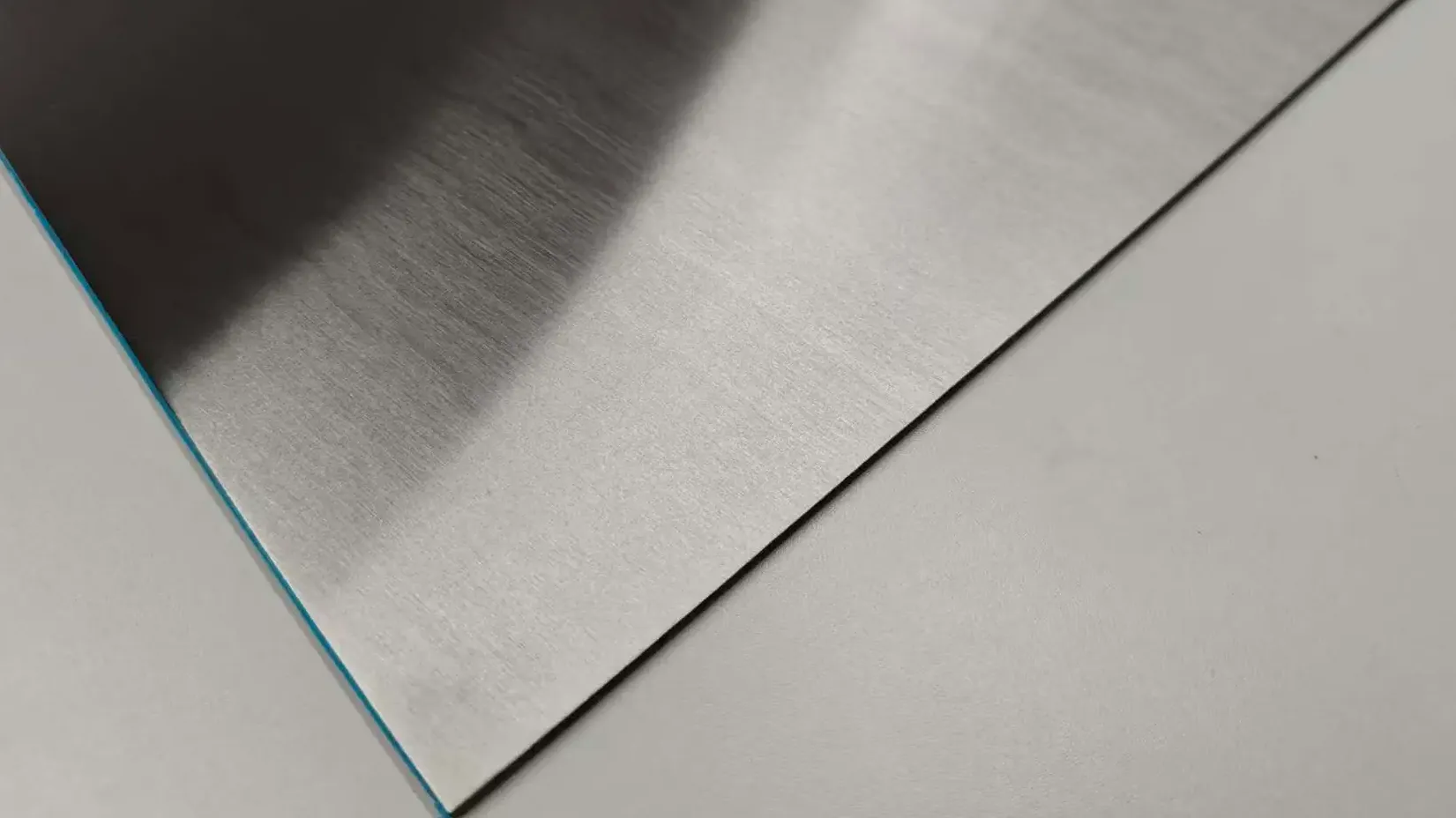
At first glance, they look nearly identical. Both are widely used, corrosion-resistant, and cost-effective. However, beneath the surface lies a difference that can determine product lifespan, compliance, performance stability, and ultimately your total cost of ownership.
For manufacturers, procurement managers, and engineers, choosing the wrong grade isn’t just a technical mistake—it’s a business risk.
In this guide, we go beyond the usual surface-level comparison. You’ll gain:
A deep metallurgical understanding
Real-world application-based decision frameworks
Cost vs performance insights for B2B buyers
Practical sourcing recommendations from a manufacturer’s perspective
Understanding the Basics: What Are 304 and 316 Stainless Steel?
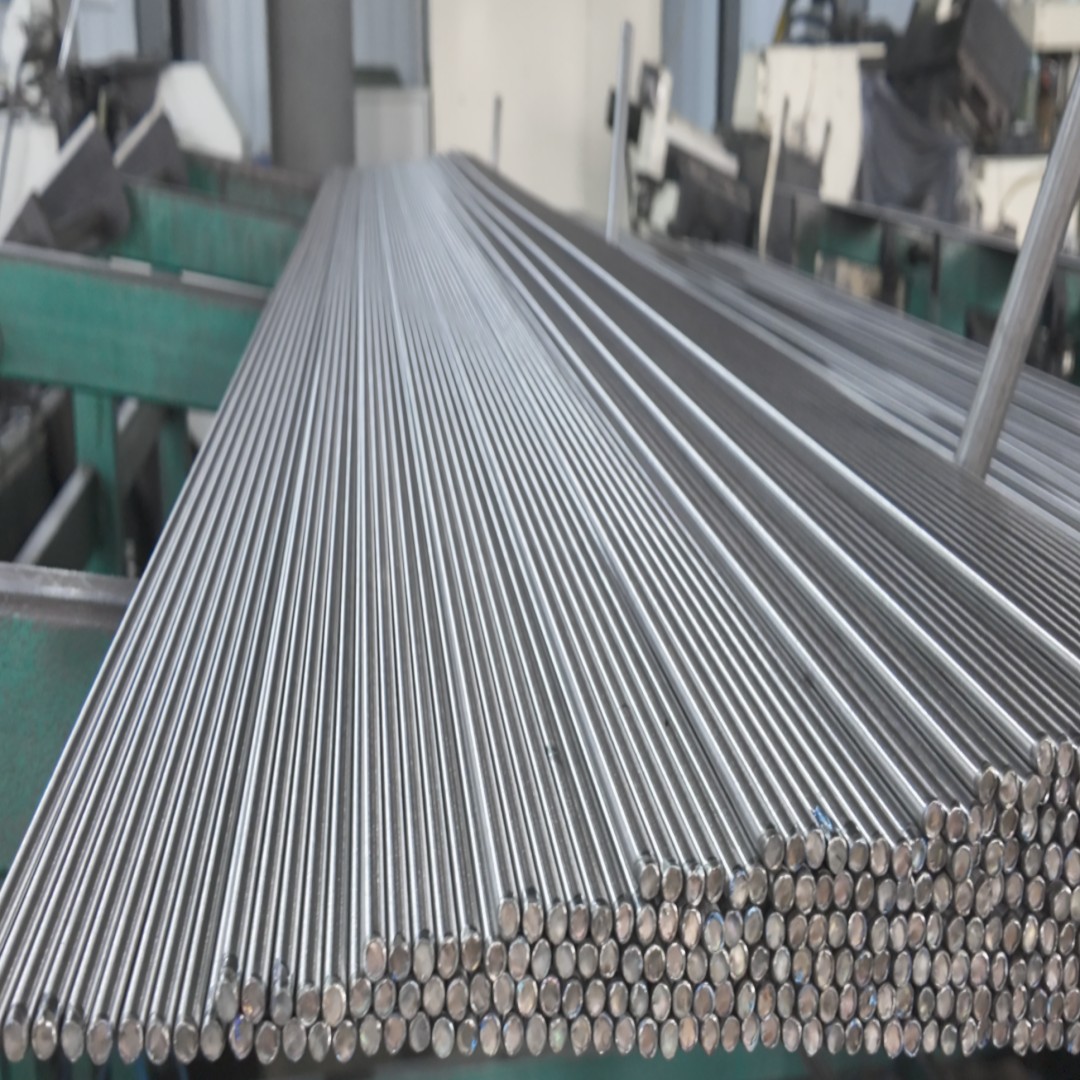
Both 304 and 316 belong to the austenitic stainless steel family, known for:
Excellent corrosion resistance
Non-magnetic structure (in annealed condition)
Good formability and weldability
304 Stainless Steel
304 is the most widely used stainless steel globally. It contains:
18–20% Chromium
8–10.5% Nickel
This composition provides strong corrosion resistance under most atmospheric and mild chemical environments.
It is often referred to as “18-8 stainless steel”.
316 Stainless Steel
316 builds upon 304’s foundation by adding:
2–3% Molybdenum
This small addition makes a significant difference, especially in chloride-rich environments, such as:
Marine applications
Chemical processing
Medical and implant-grade components
Core Difference: The Role of Molybdenum
The defining difference between 304 and 316 is molybdenum (Mo).
Why does molybdenum matter?
Molybdenum enhances resistance to:
Pitting corrosion
Crevice corrosion
Chloride attack
In real-world terms:
304 may begin to corrode in saltwater or chemical exposure
316 maintains structural integrity much longer
This makes 316 the preferred choice for high-risk environments, even if the initial cost is higher.
Detailed Comparison: 304 vs 316 Stainless Steel
1. Corrosion Resistance
304: Performs well in indoor, dry, or mildly corrosive environments
316: Superior resistance, especially against chlorides and acids
Key insight for buyers:
If your product will face humidity, salt, or chemicals, 316 is not an upgrade—it’s a necessity.
2. Mechanical Properties
Interestingly, both grades are very similar in strength:
Property | 304 | 316 |
|---|---|---|
Tensile Strength | ~515 MPa | ~515 MPa |
Yield Strength | ~205 MPa | ~205 MPa |
Elongation | ~40% | ~40% |
Conclusion:
There is no major strength advantage—selection should be based on environment, not load.
3. Temperature Resistance
304: Good oxidation resistance up to ~870°C
316: Slightly better performance in high-temperature corrosive environments
316 is more stable when heat + chemicals are combined.
4. Cost Difference
316 is typically 20–40% more expensive than 304
Price fluctuation depends heavily on nickel and molybdenum markets
Smart procurement insight:
Use 304 wherever possible
Use 316 only where necessary
Over-specifying 316 across all components is a common but costly mistake.
5. Machinability & Fabrication
304 is slightly easier to machine
316 is tougher due to molybdenum content
However, with proper tooling and expertise, both can be processed efficiently.
Application-Based Decision Guide (Most Important Section)
Instead of asking “Which is better?”, smart buyers ask:
“Which one is appropriate for my application?
Choose 304 Stainless Steel if:
Indoor structural components
Food processing equipment (non-saline)
Kitchenware and appliances
Architectural panels
General industrial use
Choose 316 Stainless Steel if:
Marine or coastal environments
Chemical processing equipment
Medical devices or implants
Pharmaceutical production
Exposure to salts or disinfectants
Hidden Cost Insight: Why 316 Can Be Cheaper in the Long Run
Many buyers focus only on material cost per kilogram. This is a mistake.
Consider total lifecycle cost:
Factor | 304 | 316 |
|---|---|---|
Initial Cost | Lower | Higher |
Maintenance | Higher | Lower |
Replacement Risk | Higher | Lower |
Corrosion Failure | Possible | Minimal |
Real-world example:
A manufacturer using 304 in a coastal environment may face:
Rust within 6–12 months
Product returns
Brand damage
Switching to 316 eliminates these risks.
Conclusion:
316 is often the more economical choice over time.
Manufacturing Perspective: What Most Suppliers Won’t Tell You
From a production standpoint, the difference is not just composition—it’s quality control.
Critical factors beyond grade:
Raw material purity
Melting and refining process
Heat treatment consistency
Surface finishing quality
Two suppliers offering “316 stainless steel” may deliver very different performance.
How to Choose the Right Supplier
When sourcing stainless steel materials, especially for critical applications, you should evaluate:
1. Material Traceability
Ensure full documentation from raw material to finished product.
2. Certification Standards
Look for compliance with:
ASTM
ISO
Medical-grade requirements (if applicable)
3. Customization Capability
Can the supplier adapt materials for your application?
4. Consistency in Bulk Supply
Large-scale manufacturing requires stable quality across batches.
Subtle Recommendation: Why More Buyers Are Moving Toward Reliable Manufacturing Partners
In today’s competitive landscape, material selection is no longer just about grades like 304 or 316—it’s about who manufactures them and how consistently they perform.
Many global B2B buyers are shifting toward manufacturers that offer:
Strict quality control systems
Stable international supply chains
Engineering-level support (not just sales)
Companies like SUNXIN are increasingly preferred not because they simply supply stainless steel, but because they provide application-driven material solutions, helping clients reduce risk, optimize cost, and improve product reliability.
Common Mistakes Buyers Make
Choosing based on price alone
Leads to premature failure and higher long-term cost
Over-specifying 316
Unnecessary cost increase without added value
Ignoring environment factors
Humidity, salt, and chemicals are critical variables
Not verifying supplier quality
Material grade alone does not guarantee performance
FAQ Section
Q1: Is 316 stainless steel always better than 304?
No. 316 is only better in corrosive environments, especially with chlorides. For general applications, 304 is more cost-effective and sufficient.
Q2: Can 304 stainless steel rust?
Yes, under certain conditions such as:
High salt exposure
Poor maintenance
Chemical contact
It is “stainless,” not “rust-proof.”
Q3: How can I visually tell the difference between 304 and 316?
You cannot reliably distinguish them visually. Proper identification requires:
Material certification
Chemical analysis
Q4: Is 316 required for medical applications?
In many cases, yes—especially for implants and surgical environments due to its superior corrosion resistance and biocompatibility.
Q5: Why is 316 more expensive?
Because it contains molybdenum and higher nickel content, both of which are costly alloying elements.
Final Thoughts: The Smart Way to Choose
Choosing between 304 and 316 stainless steel is not about selecting the “better” material—it’s about selecting the right material for the right environment.
Key Takeaways:
304 = Cost-effective, versatile, widely applicable
316 = High-performance, corrosion-resistant, specialized
For B2B buyers, the real competitive advantage comes from:
Understanding your application deeply
Avoiding over- or under-specification
Partnering with a manufacturer that ensures consistent, high-quality materials
Related News
-
 Introduction: Why This Comparison Matters More Than You ThinkWhen sourcing stainless steel for industrial, medical, or manufacturing applications, one of the most common—and critical—decisions buyers face is choosing between 304 and 316 stainless steel.At first glance, they look nearly identical. Bo