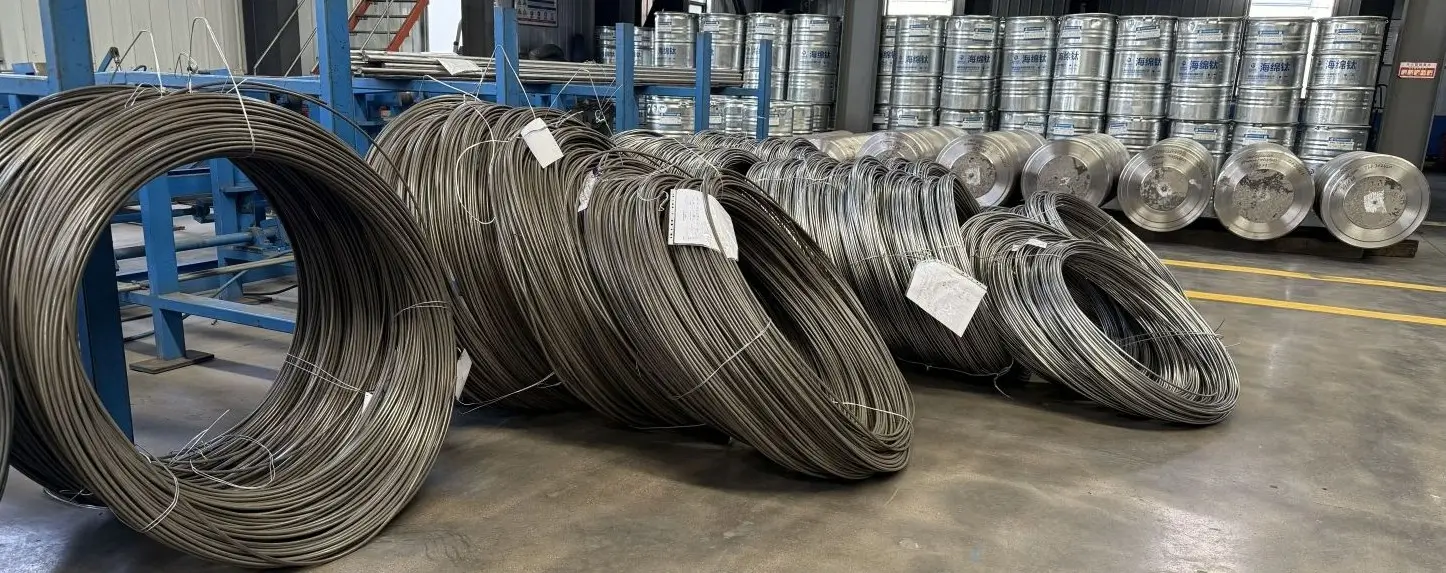


AISI 420B is a martensitic chromium stainless steel. Compared with austenitic or ferritic stainless steels, it can achieve significantly higher yield strength and hardness following heat treatment. This material must be used in a quenched and low-temperature tempered condition, and a bright-polished surface is key to achieving optimum corrosion resistance. If subjected to high-temperature tempering or annealing, its corrosion resistance will decline sharply due to carbide precipitation. This alloy exhibits good resistance in moderately corrosive, non-chloride-containing media. Furthermore, the steel demonstrates good oxidation resistance in oxidising atmospheres at temperatures exceeding 600°C. Through quenching, low-temperature tempering and surface polishing, the optimal combination of strength, hardness and corrosion resistance can be achieved.
-
Stainless steels - Part 1: List of stainless steels
-
Standard Specification for Stainless Steel Bars and Shapes
-
Standard Specification for Wrought Stainless Steels for Surgical Instruments
| Element | C | Mn | P | S | Si | Cr | Ni | Fe |
| Content (%) | 0.26-0.35 | ≤1.00 | ≤0.04 | ≤0.030 | ≤1.00 | 12.00-14.00 | ≤1.00 | Balance |
| Condition | Heating Temperature | Hardness (HRC) |
| Annealed | / | ≤235(HBW) |
| Quenched and tempered | Q 1900℉/1038℃ T 300℉/149℃+ | ≥49(HRC) |
| Available Form | Size Range | Surface Finish | Length (Customizable) | Tolerance (Customizable) | Delivery Condition |
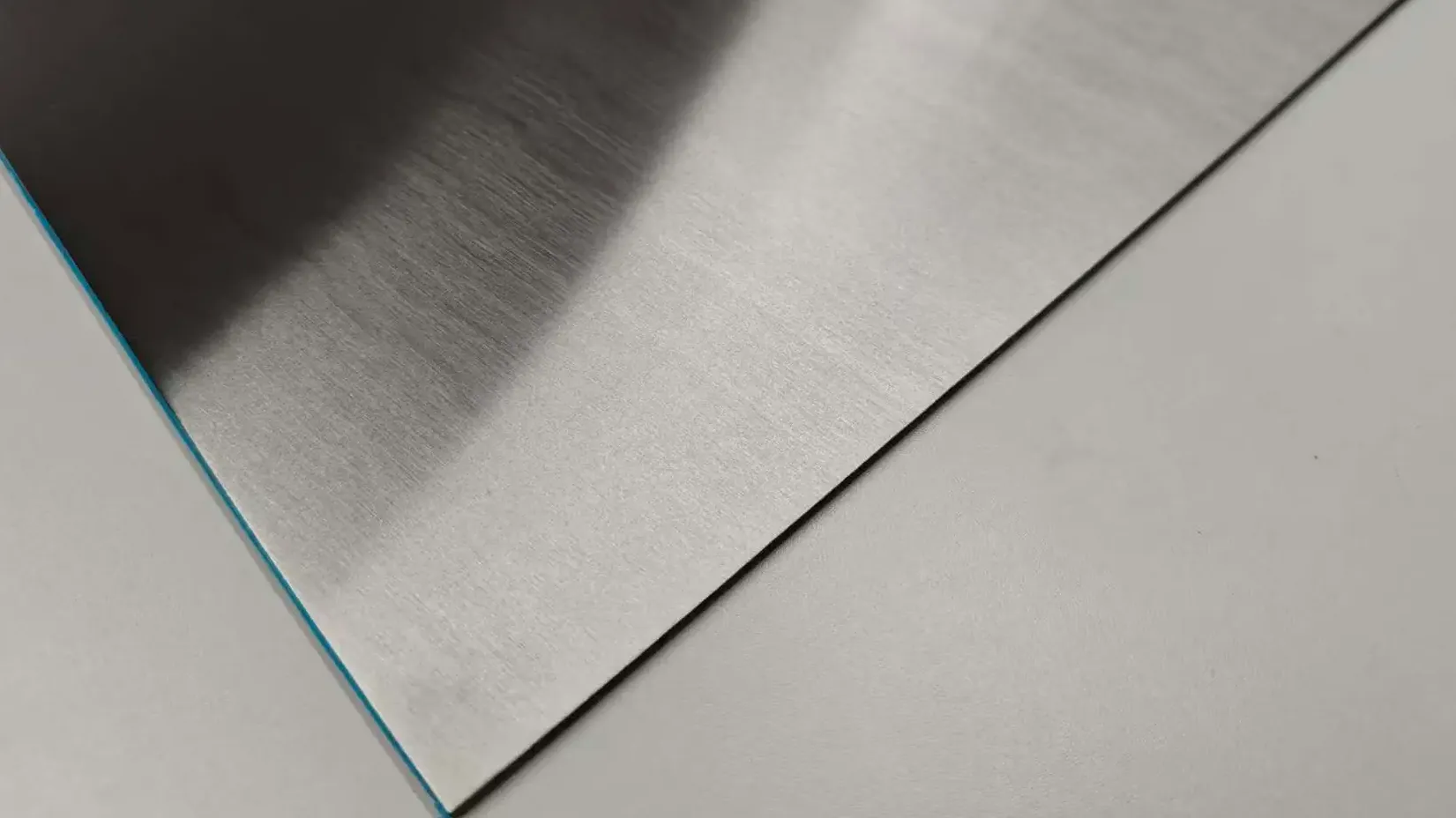
| Plate | T0.5-T200.0mm | Milled / Bright | L:200/250/300W:200/300/500/1000 | -0.0/+1.0mm | Annealed |
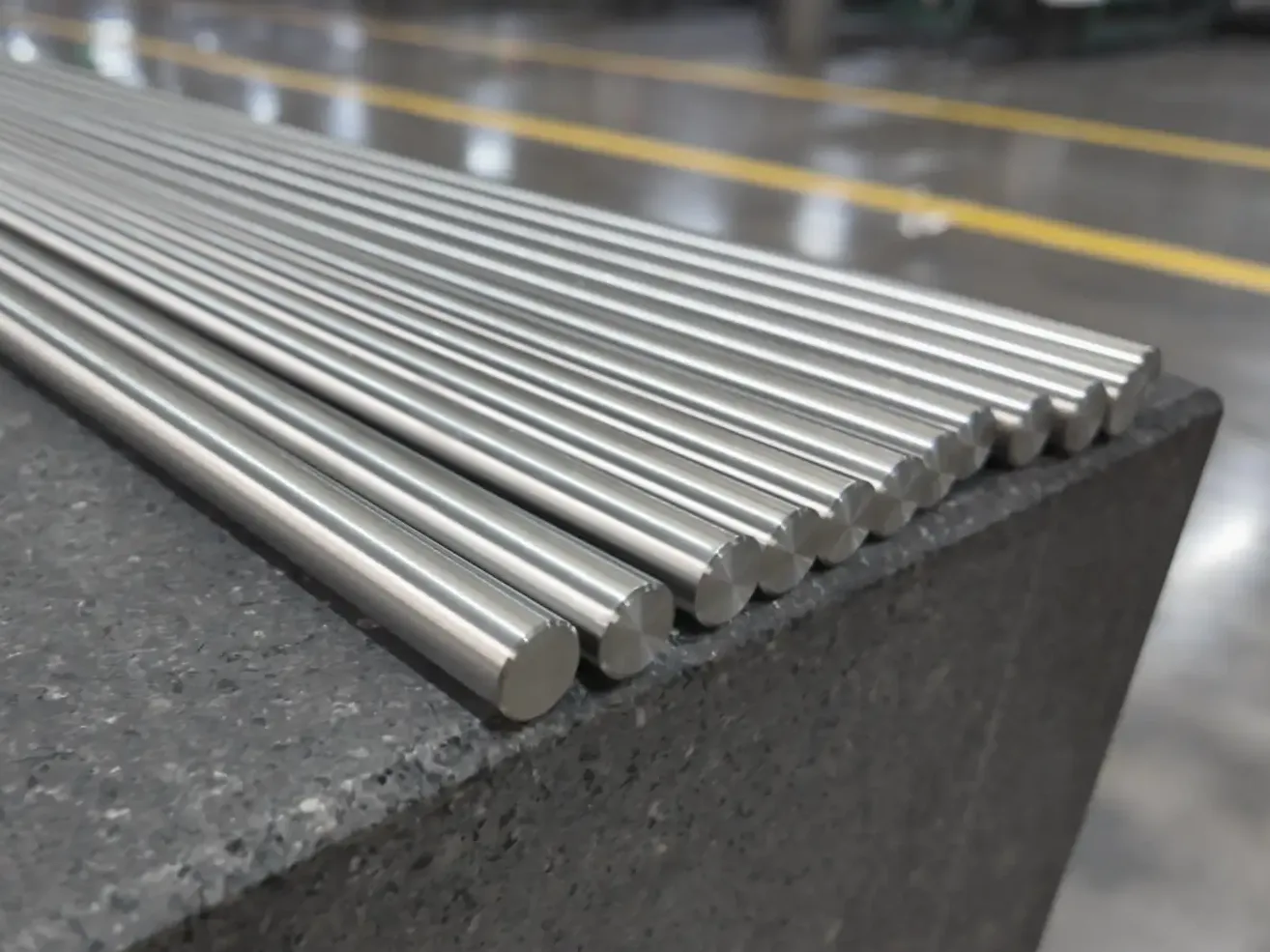
| Bar | φ1.0-φ200.0mm | Ground / Precision Polished | 3M/PCS | h6-h9 | Annealed |
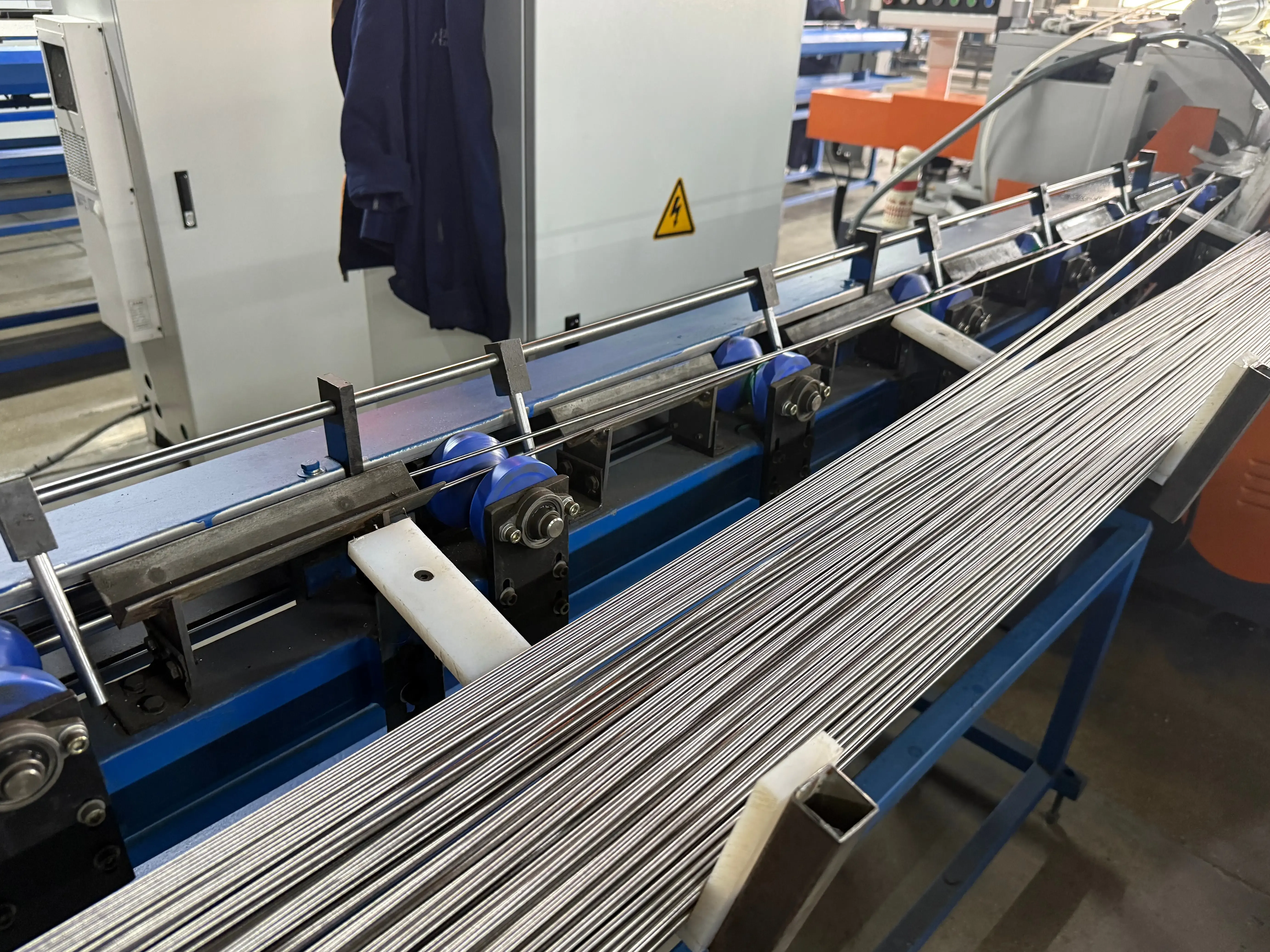
| Wire | φ1.0-φ3.0mm | Ground / Precision Polished | 1M/PCS | h6-h9 | Annealed |
| Tube | OD:1.0-10.0mmID:0.08mm-2.0mm | Ground / Precision Polished | 3M/PCS | h6-h9 | Annealed |
Datasheet
Additional Info
FAQs


Related Blog
-
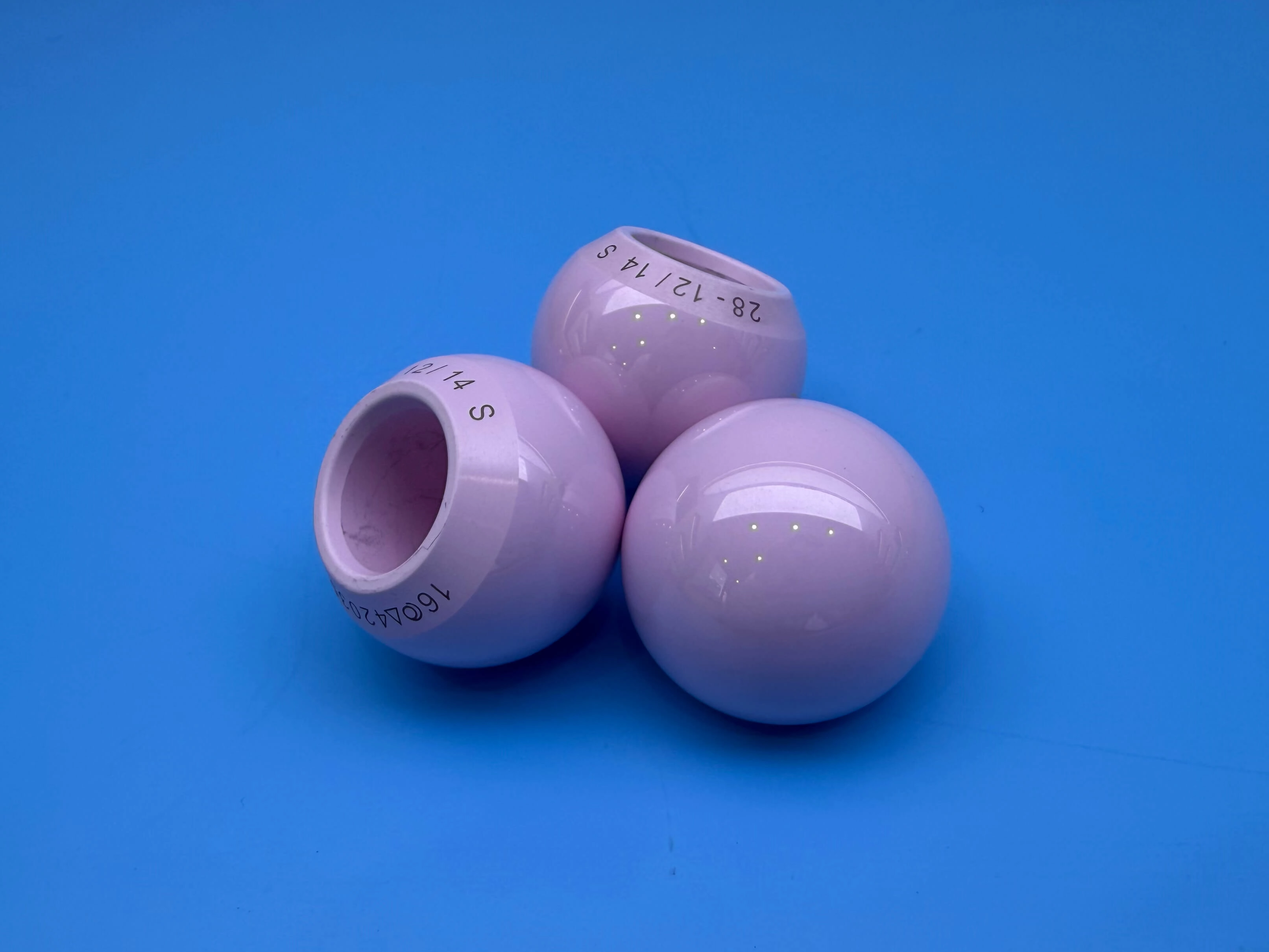
Hip Replacement Materials Best to Worst: 2026 Ranking Guide
-
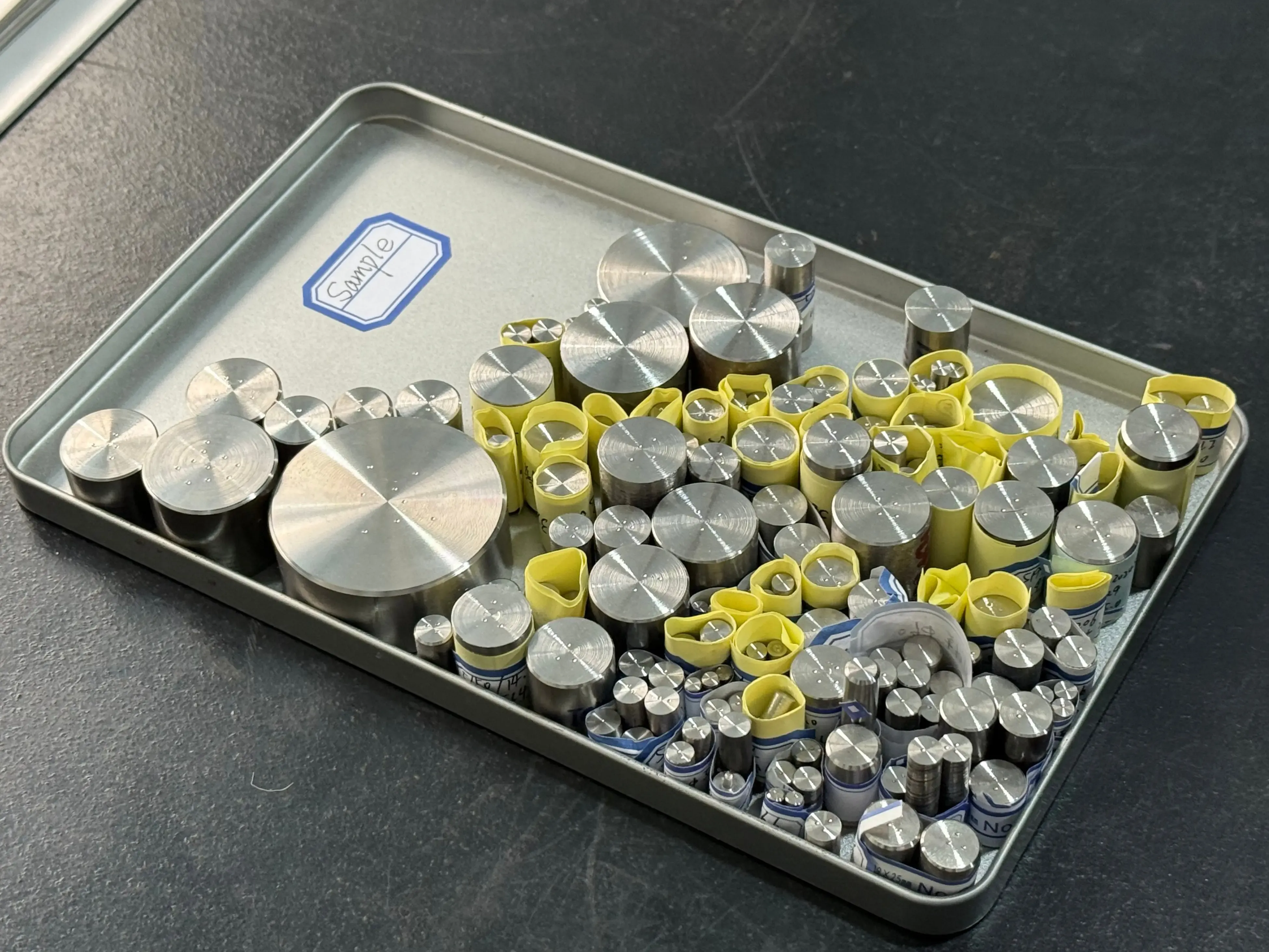
Is Titanium Magnetic? Properties, MRI & Grades Explained
-
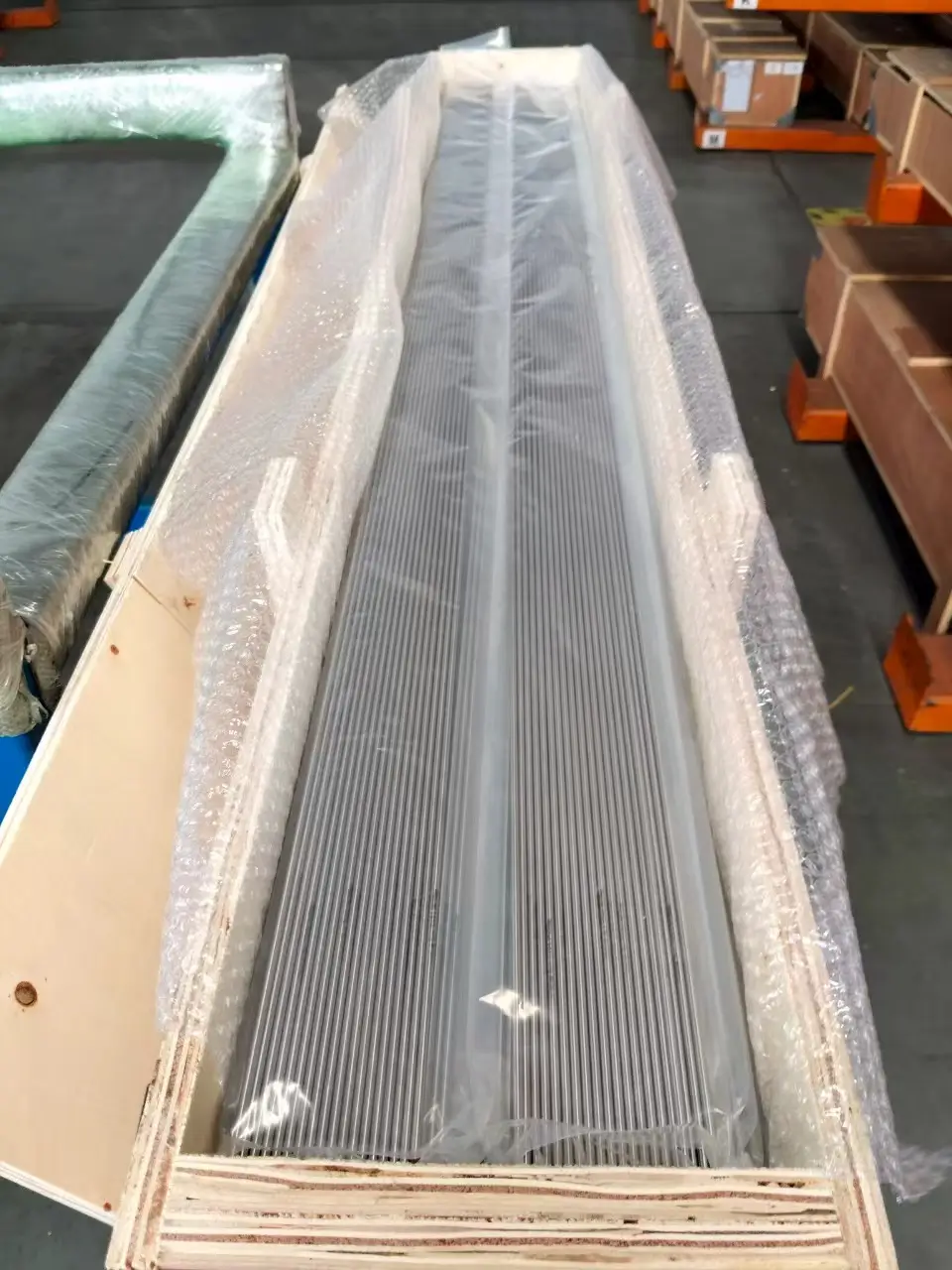
Does Titanium Rust? Titanium Corrosion Resistance Explained (and Its Limits)
-
304 Vs 316 Stainless Steel: Key Differences, Applications & Buying Guide
-
Top 12 Medical Titanium Suppliers in The World | 2026 Buyer's Guide
-
Top 10 Titanium Bar Manufacturers in China |2026
-
Top 10 Global Suppliers of Medical Metal Materials | 2026 Buyer's Guide
-
Understanding Different Grades of Titanium: Properties, Uses & Expert Selection Guide|2026
-
What Is Passivation in Medical Stainless Steel? A Practical Guide for Device Manufacturers
-
Metal Allergy And Implant Materials: A B2B Selection Guide