Additional Info
A Brief History of Custom 465 Stainless Steel
Custom 465 stainless steel, also known as S465, UNS S46500 or X1CrNiMoAlTi12-11-2, is a martensitic precipitation-hardening stainless steel developed by Carpenter Technology.
It was developed following Custom 455 and 13-8. The aim of its development was not simply to create a stronger precipitation-hardening stainless steel, but to address a more practical issue: certain small components require high strength whilst retaining sufficient toughness, and must maintain dimensional stability following heat treatment.
Custom 465 can be understood as a higher-strength material succeeding Custom 455, but it cannot simply be said to be a complete replacement for Custom 455. Under the same 950°F / 510°C aged condition, the tensile strength of Custom 465 can reach over 1655 MPa, whilst that of Custom 455 is approximately 1515 MPa or higher. Custom 465 has a tensile strength approximately 140 MPa higher than Custom 455, a yield strength approximately 100 MPa higher, and a hardness approximately 3 HRC higher.
This difference is significant for pins, shaft components, drive components, fastening-related parts and drive system components. Such parts are typically small in size but must bear loads. If the material strength is insufficient, the parts may bend or deform; if the material is too brittle, the parts may crack.
How was the Custom 465 developed
Custom 465 was developed to meet the requirements of components for which Custom 455, 17-4PH or 13-8 lacked sufficient strength or safety margins.
When aged for 4 hours at 950°F / 510°C, Custom 465 achieves a tensile strength of over 1655 MPa, a yield strength of over 1515 MPa, and a hardness of over 47 HRC. At the same time, it retains an elongation of 10% and a reduction of area of 45%. This indicates that it is not only high-strength but also retains a certain degree of ductility in load-bearing precision components.
If a project requires even higher strength, a cold-worked and aged condition can be employed. In the ‘full hard’ condition followed by ageing at 890°F / 475°C for 1 hour, Custom 465 achieves a tensile strength of over 2205 MPa, a yield strength of over 2005 MPa, and a hardness of over 55 HRC. However, in this condition, elongation drops to 2%, so it is more suitable for components where extremely high strength is prioritised over ductility.
Its corrosion resistance stems from the stainless steel alloy design incorporating chromium, nickel and molybdenum. Whilst it is not suitable for severe corrosive environments, compared to standard high-strength alloy steels, Custom 465 is better suited for aerospace components, medical instruments, shaft components, pins and precision parts that require a certain level of corrosion resistance.
Early applications of Custom 465
Custom 465 was initially used for components where early PH stainless steels lacked sufficient strength.
Early applications included aerospace hardware, fastening-related components, landing gear parts, drive system components, structural fasteners, precision shafts, pins and medical instrument components.
The causes of failure in these components were often practical: bent pins, cracked shafts, insufficient strength at threaded locations, or dimensional changes in small-section components following heat treatment.
Custom 465 was developed specifically for such scenarios. It offers high strength whilst being better suited than purely high-hardness materials for precision components requiring control over cracking, fatigue and dimensional changes.
Current applications of Custom 465
Custom 465 stainless steel is primarily used for small, precision components requiring high strength, usable toughness, corrosion resistance and stability after ageing.
Common applications include:
Aerospace: Fastening-related components, drive system parts, pins, landing gear components, structural fasteners, transmission components and high-load precision parts.
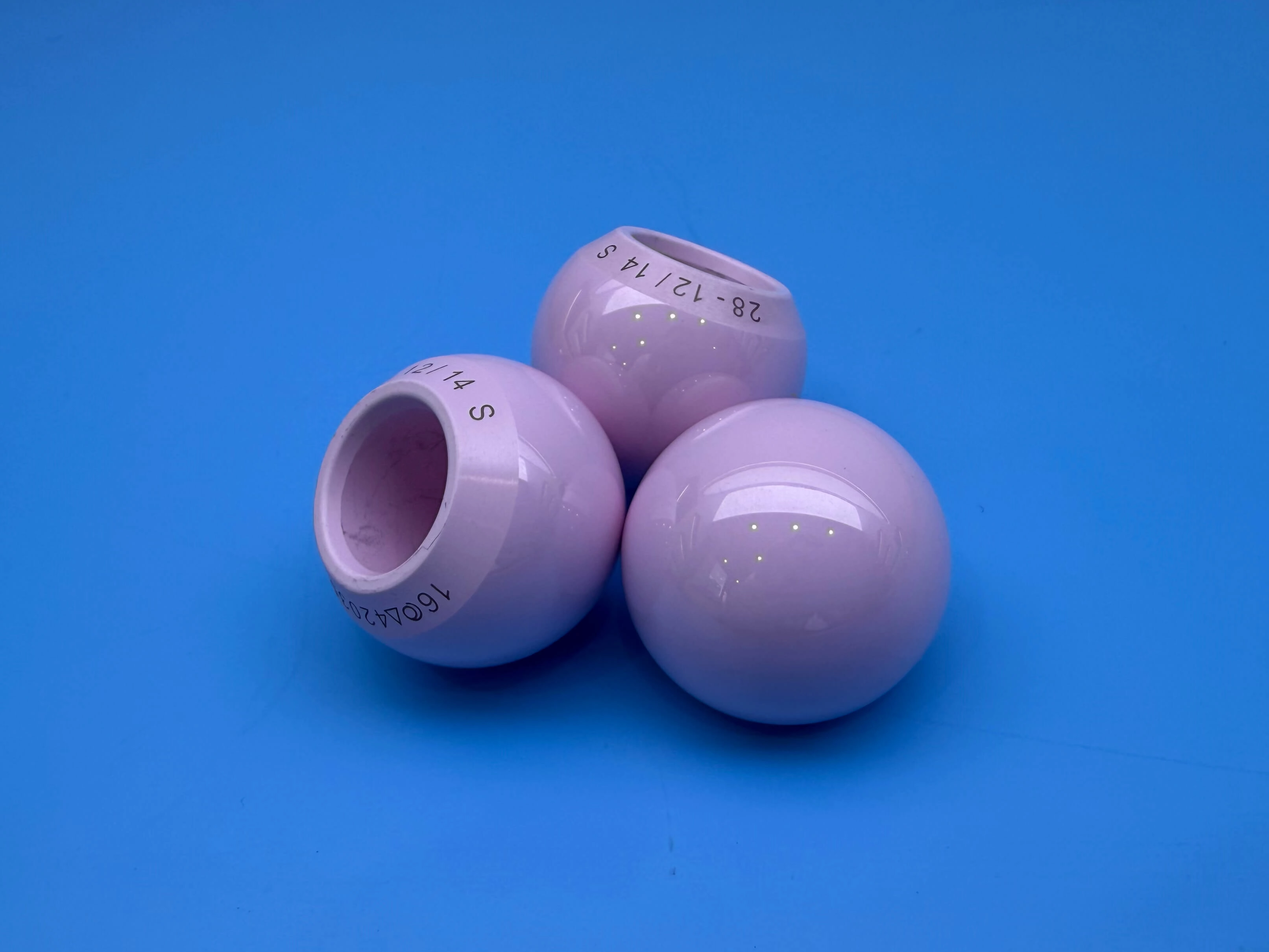
Medical instruments and device components: Surgical instrument components, orthopaedic instrument components, dental instrument parts, drill bits, drive tools, guide pins, micro-shafts and reusable instrument components. Custom 465 is better suited to instrument and device components and is not recommended as the material of choice for implant applications.
Mechanical engineering: Precision shaft components, pins, coupling components, high-strength machined parts, gripper connecting pins, transmission components and small load-bearing parts.
Industrial applications: Pump shafts, valve-related components, high-strength fasteners, precision motion components, wear-resistant parts, spring-related components, and small mechanical parts subjected to loads or repetitive motion.
Custom 465 is not typically the preferred choice for low-cost machined parts, harsh corrosive environments, or projects where 17-4PH, Custom 455 or softer stainless steels already meet the requirements.
Sunxin’s Custom 465 Stainless Steel Supply Support
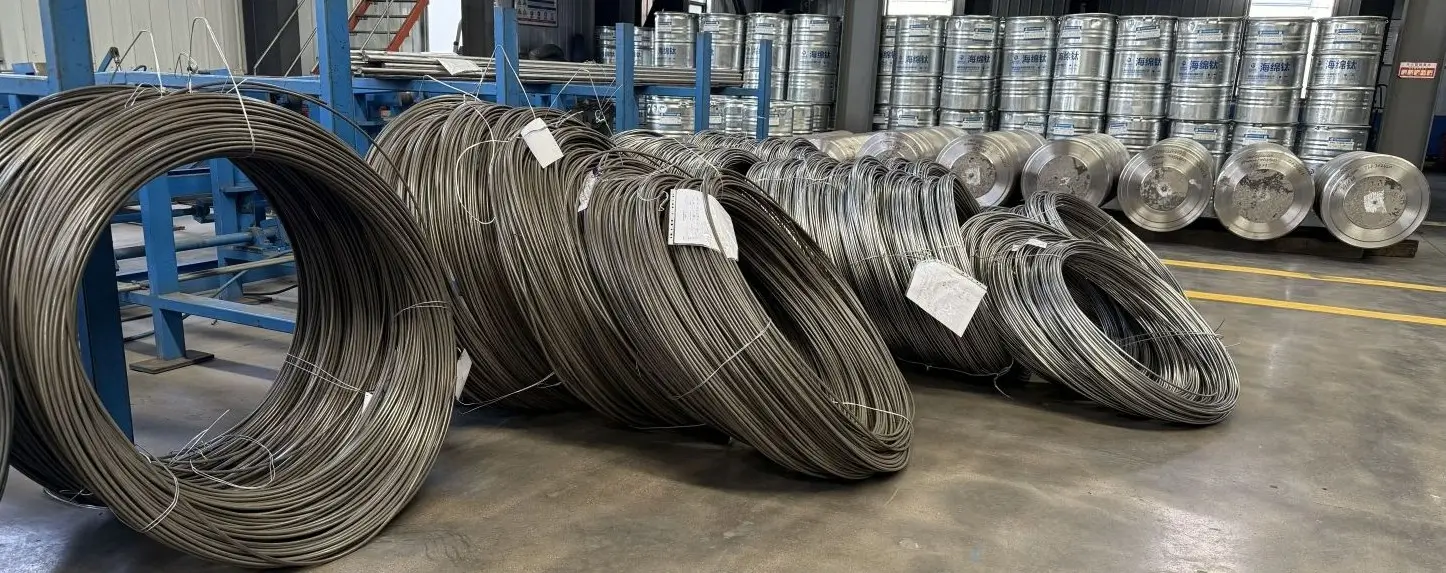
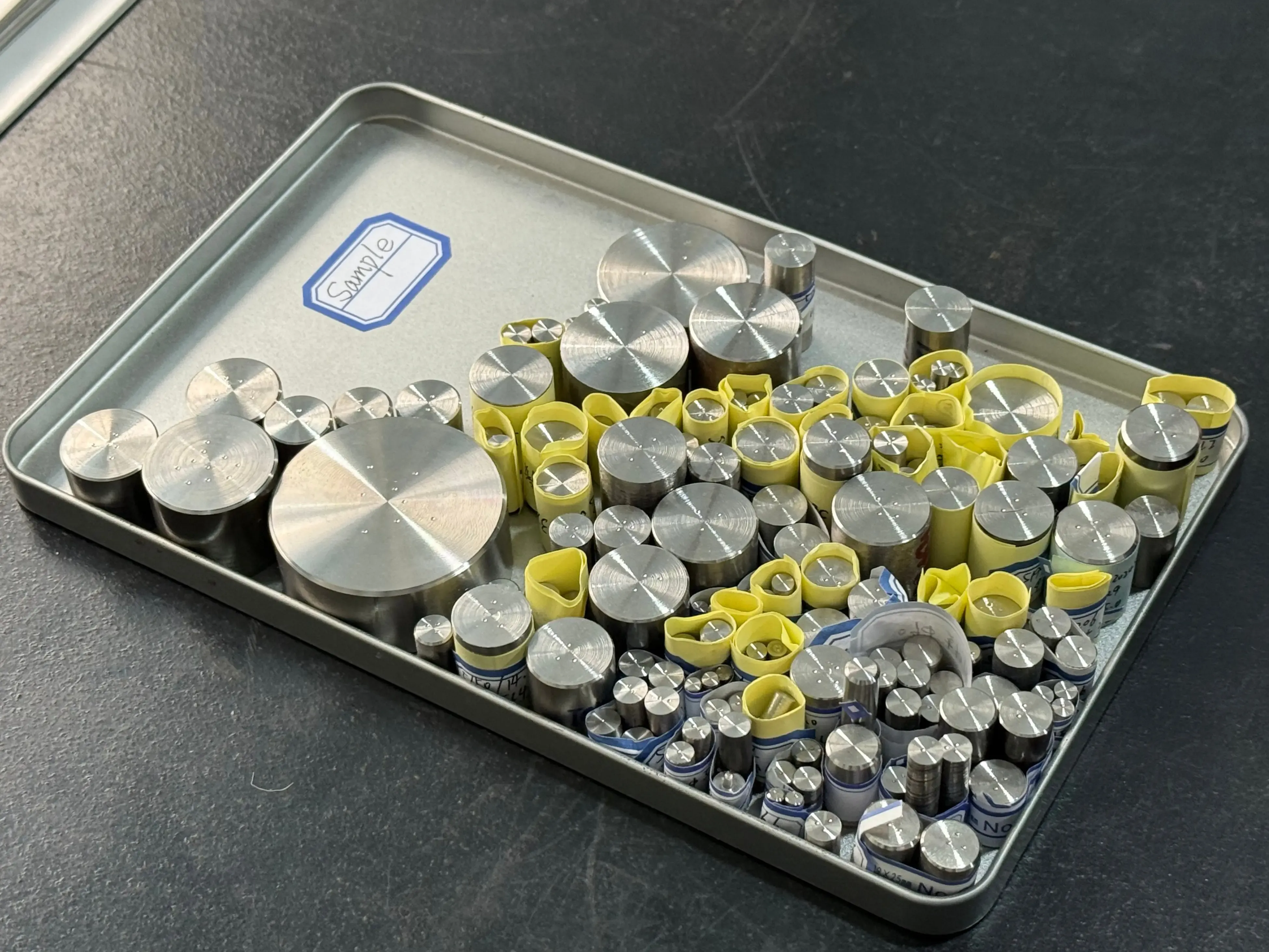
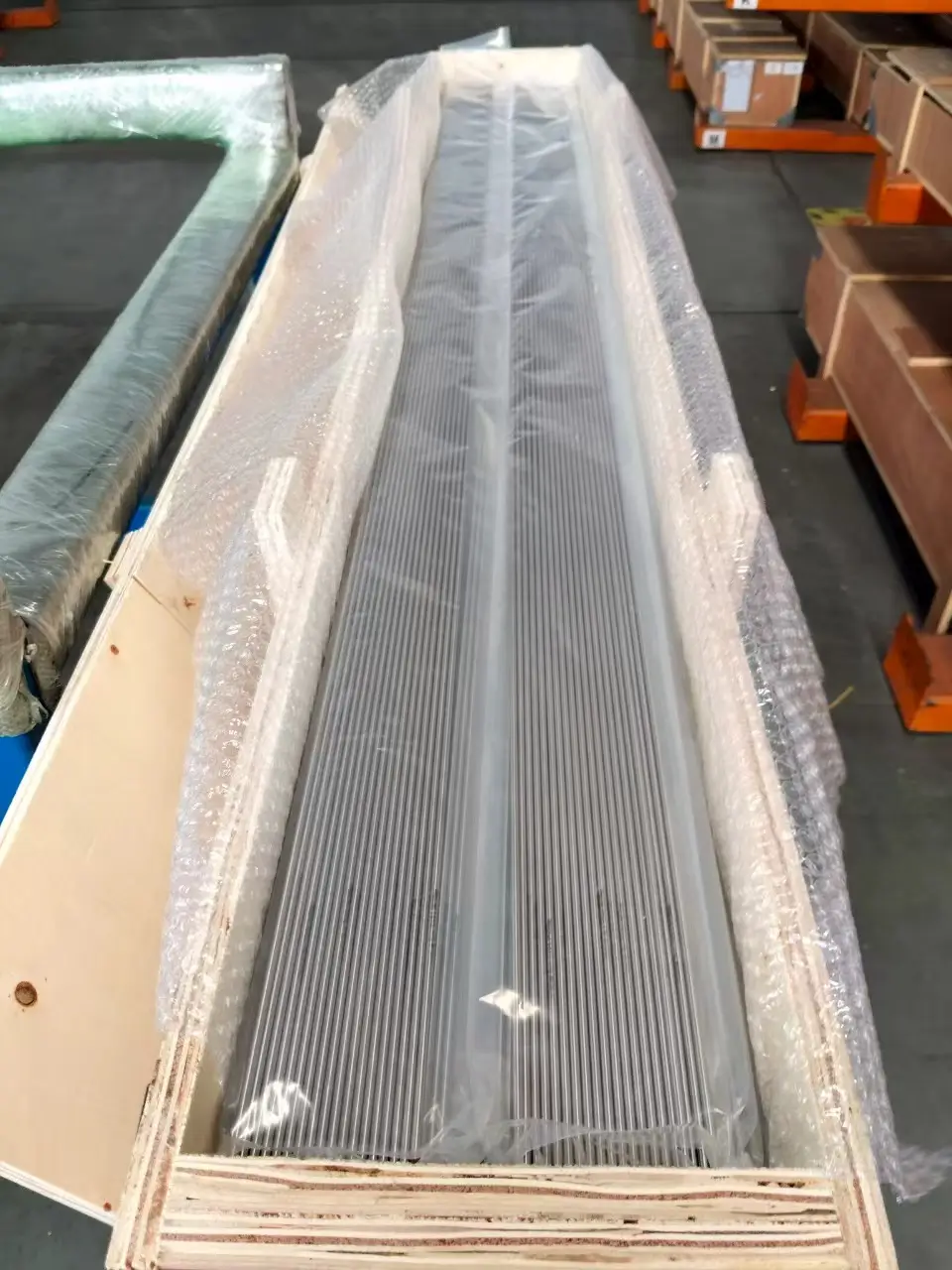
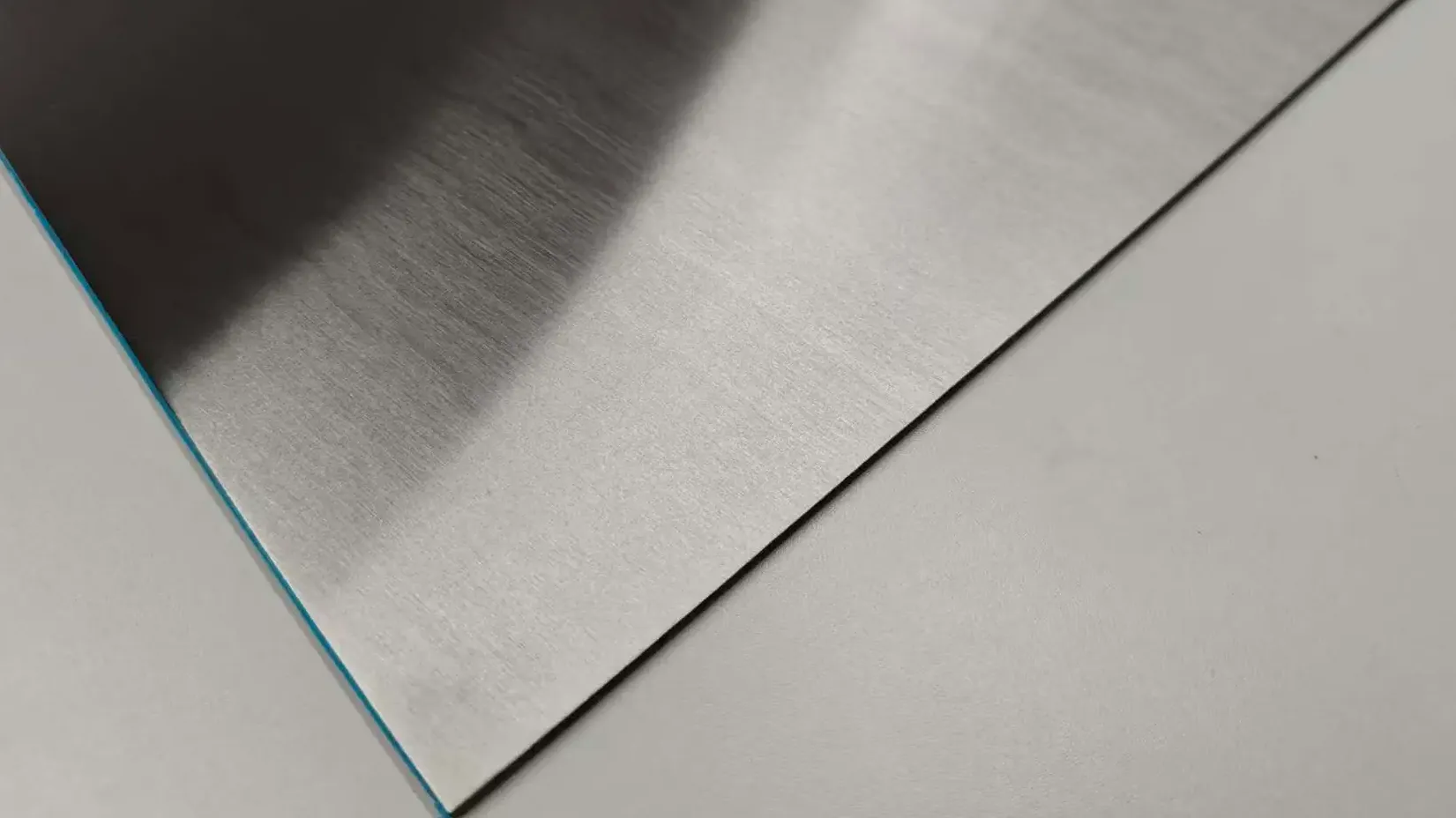
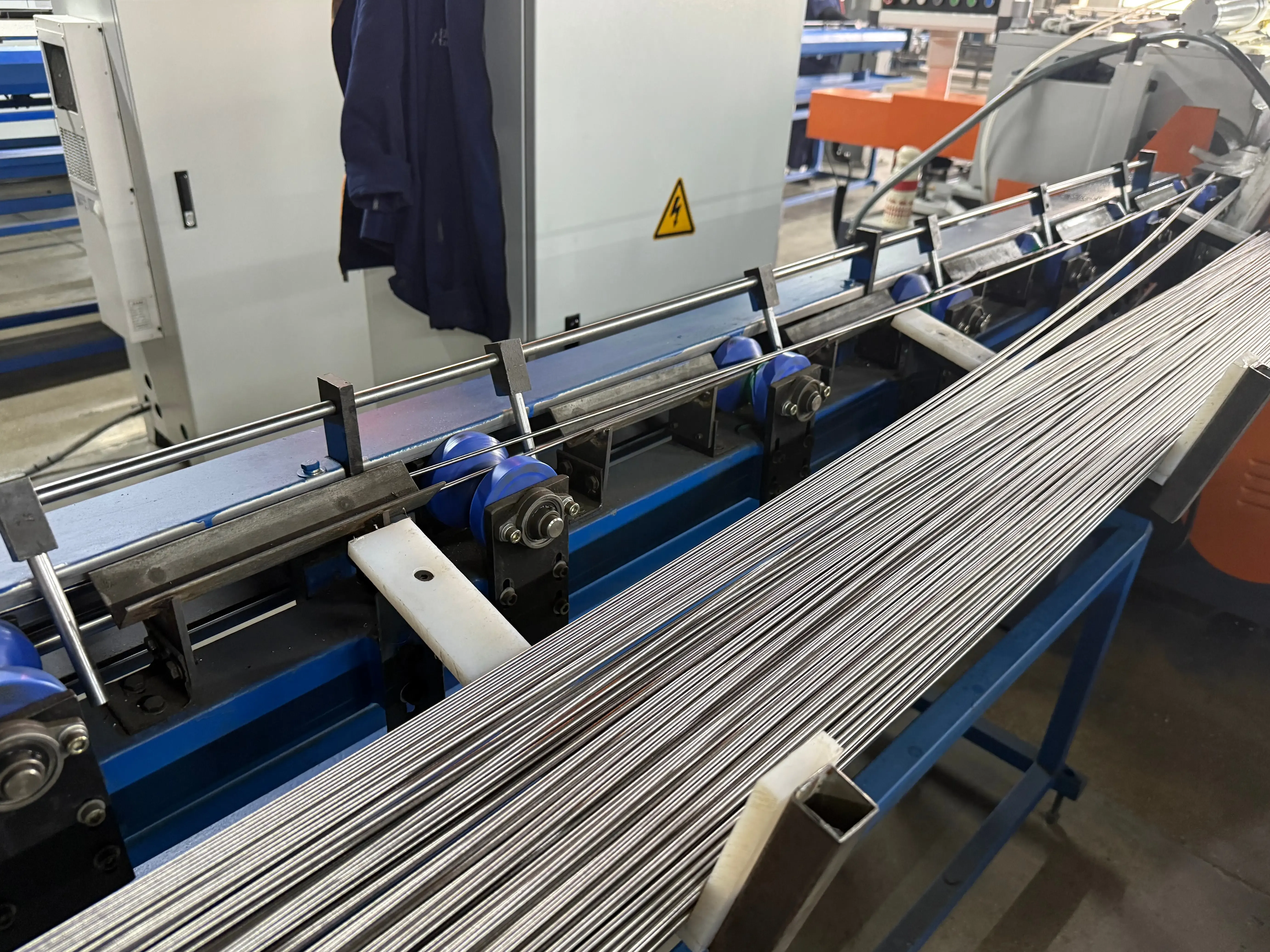
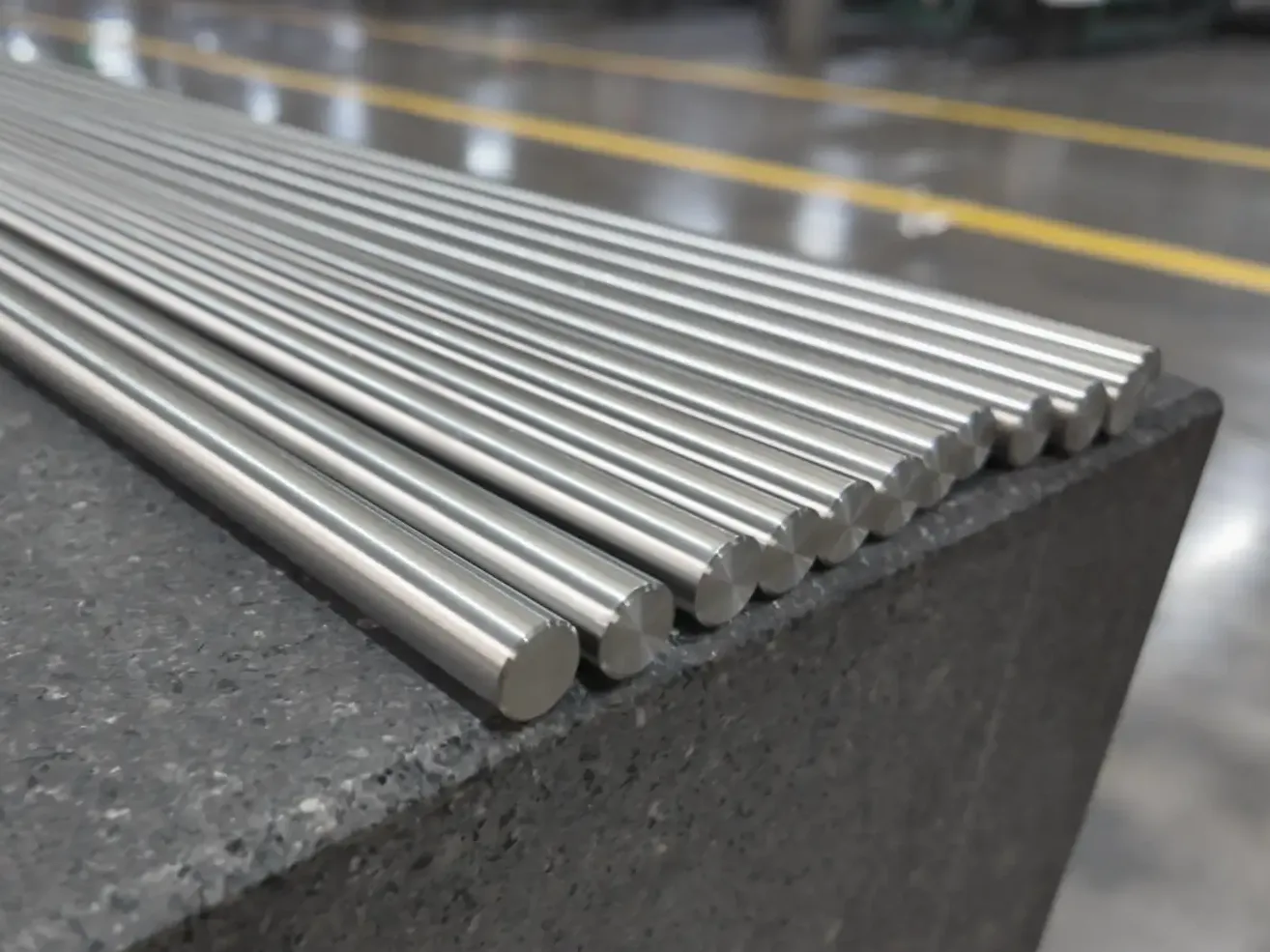
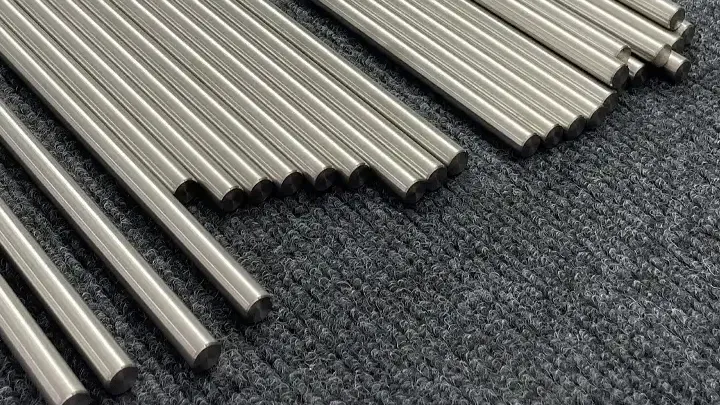
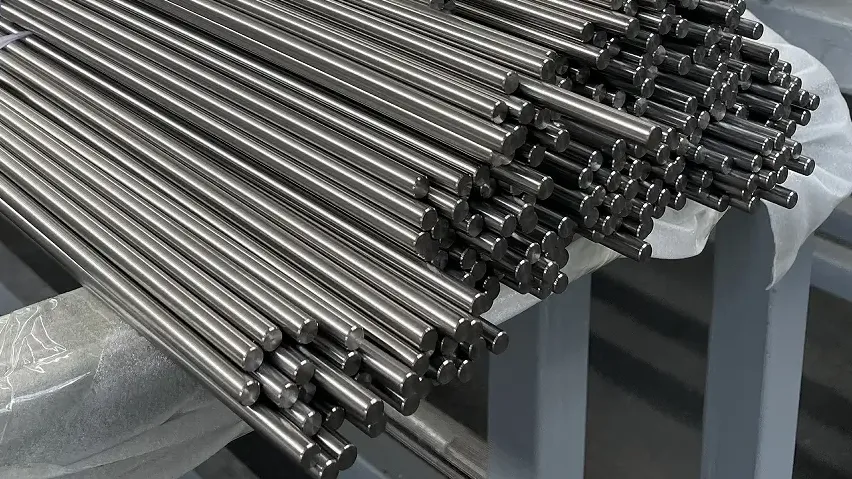
Sunxin supplies Custom 465 stainless steel in sheet, bar, wire and tube forms, as well as custom cut sizes.
Sheet is available in thicknesses from 0.5 mm to 200.0 mm, with a mill-finished surface and supplied in a solution-annealed condition. Bar is available in diameters from 1.0 mm to 200.0 mm, with surface finishes of ground or precision ground, and tolerance options of h6–h9.
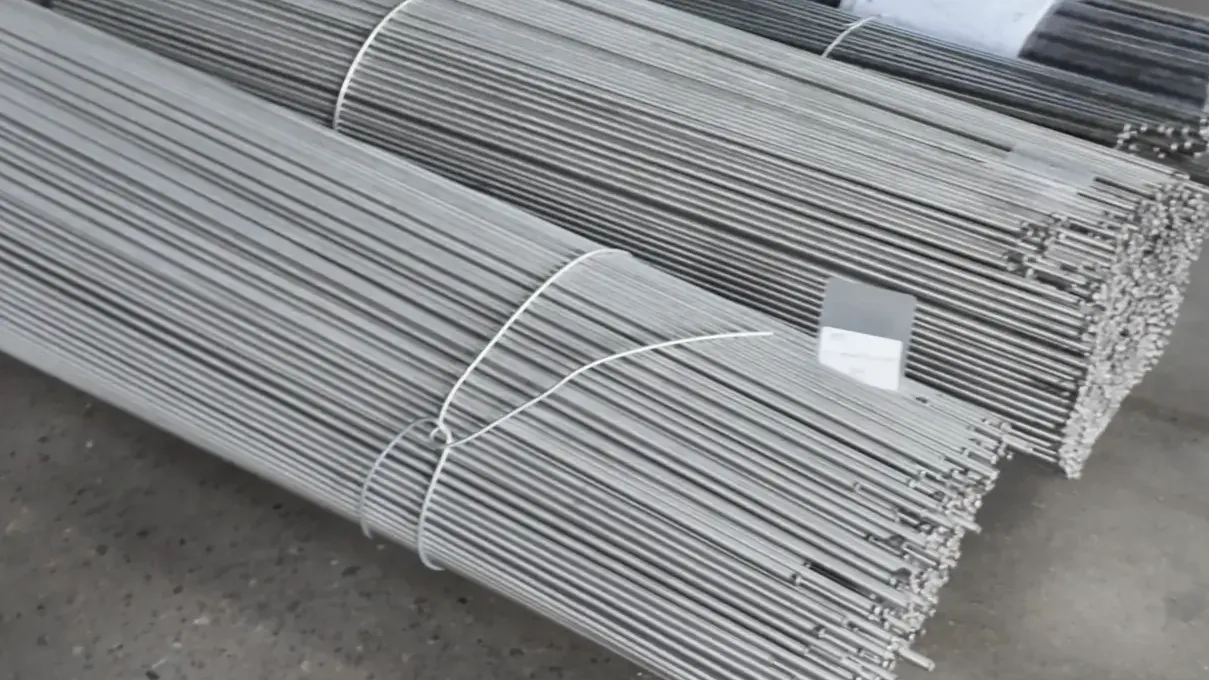
Wire is available from Φ1.0 mm to Φ3.0 mm. Tubing is available with an outer diameter (OD) of 1.0–10.0 mm and an inner diameter (ID) of 0.08–2.0 mm.
Sunxin is certified to the ISO 13485 and ISO 9001 quality management systems and supports batch management, traceability control, inspection coordination and quality documentation management.
Prior to production, it is recommended to confirm the ageing condition, target hardness, dimensions, tolerances, surface finish, inspection items and quality documentation.
Whether your project requires aerospace components, surgical instrument parts, guide pins, micro-shafts, drill bits, power tools, precision shaft components or high-strength industrial parts, Sunxin can assist customers in selecting the appropriate material form and delivery condition.