Additional Info
A Brief History of Nitinol
Nitinol, also known as NiTi Alloy or Nickel-Titanium Alloy, is a nickel-titanium alloy with a near-equiatomic ratio, renowned for its shape memory effect and superelasticity. The core value of Nitinol lies in its ‘deformation recovery’. Under certain temperature conditions, the material can return to its original shape; it can also withstand significant elastic deformation and recover under specific conditions. Since its introduction in the 1960s, it has gradually evolved from a military-grade material into a mainstream alloy in the medical and precision engineering sectors.
How Was The Nitinol Developed
The development of Nitinol can be traced back to the early 1960s. It was first discovered by the US Naval Ordnance Laboratory whilst researching nickel-titanium intermetallic compounds; the name ‘Nitinol’ is derived from Ni, Ti and the Naval Ordnance Laboratory.
At that time, the aerospace, defence and precision engineering sectors required a specialised metallic material. Whilst conventional metals provided strength and spring steel offered elasticity, neither was capable of actively restoring its shape upon heating, nor could they reliably achieve recovery from large deformations within small-scale structures. Nitinol’s shape memory effect and superelasticity precisely filled this gap—it undergoes a phase transition between the austenitic and martensitic phases, thereby restoring its predetermined shape following temperature changes or the application of external forces.
Nitinol’s ability to achieve this functionality is attributable to its nickel-titanium system, which has a near-stoichiometric ratio. With a nickel content of 54.50–57.00 per cent and titanium making up the remainder, this composition underpins the phase transformation behaviour of the nickel-titanium alloy. The material’s final shape memory temperature, superelastic behaviour and fatigue stability are further influenced by composition control, cold working, heat treatment and the final processing condition.
In the annealed state, Nitinol has a tensile strength of ≥551 MPa and an elongation of ≥10–15 per cent. Whilst possessing shape memory or superelastic properties, it retains a certain level of strength and ductility, making it suitable for fabrication into guide wires, stents, elastic components and micro-actuators.
Early Applications of Nitinol
In its early stages, Nitinol was primarily used in temperature-responsive elements, actuators and specialised elastic structural components.
Temperature-controlled springs, shape-memory actuators, fasteners, micro-actuators and self-resetting structures were among the earliest application areas. The focus of these components was not on traditional load-bearing, but rather on utilising the material’s ability to recover its shape in response to changes in temperature or stress.
Nitinol was also adopted at an early stage in the aerospace and precision engineering sectors. Shape-memory actuators, damping elements, deployable structural components and temperature-control elements all require the material to perform stable operations within confined spaces.
Current Applications of Nitinol
Nitinol Alloy is currently used primarily in the medical, aerospace, smart structures, industrial control and precision engineering sectors, and is particularly well-suited to components requiring shape memory, superelasticity, fatigue resistance and micro-actuation capabilities simultaneously.
Common applications include:
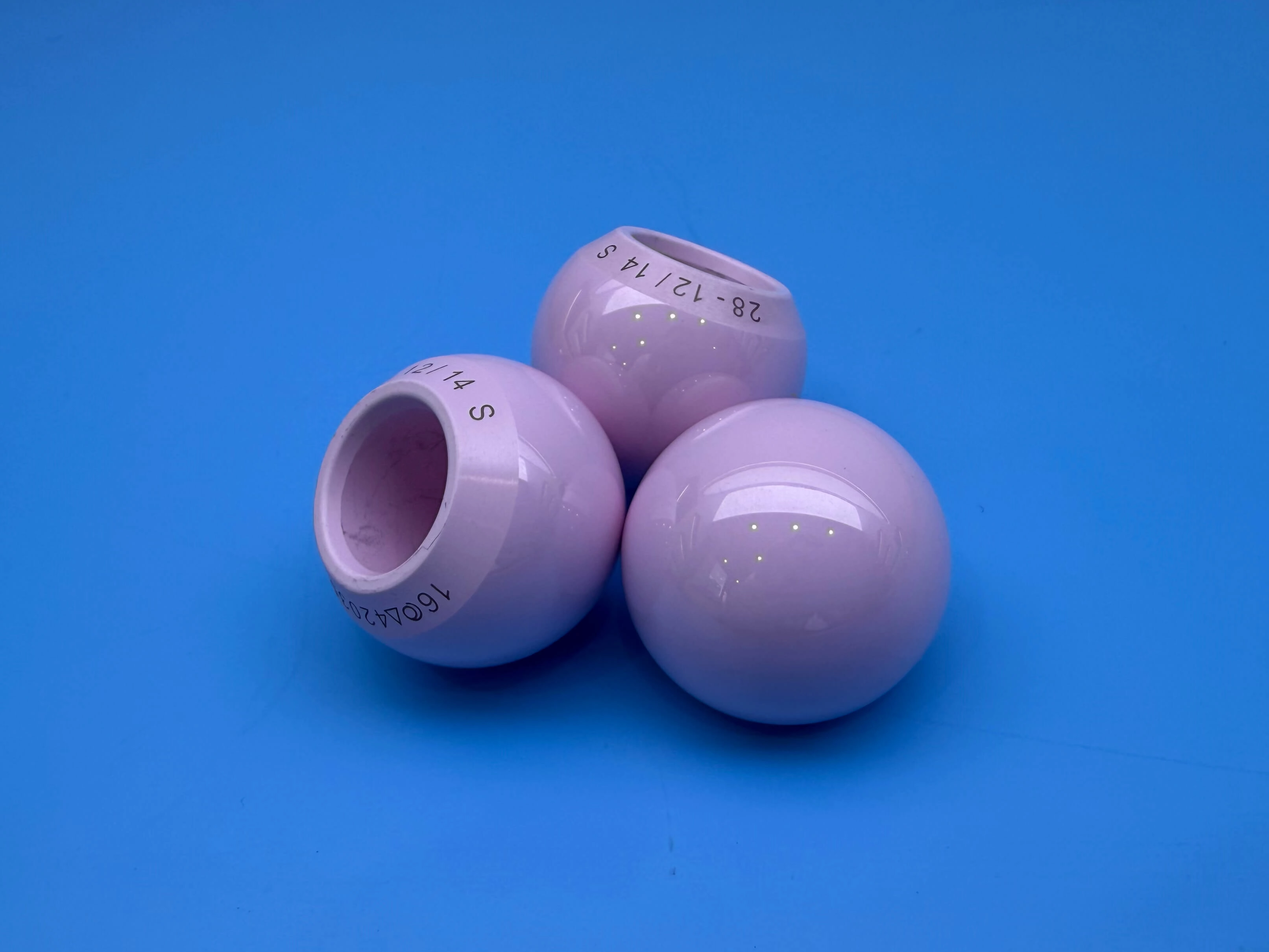
Medical: vascular stents, guide wires, orthodontic archwires, inferior vena cava filters, stone retrieval baskets, catheter reinforcement wires, and orthopaedic shape-memory fixation devices.
Aerospace: shape-memory actuators, temperature-controlled drive components, deployable structural components, damping elements, and small self-resetting mechanisms.
Industrial applications: temperature-controlled springs, thermally actuated valve components, self-resetting clamps, smart fasteners, sensor components.
Mechanical engineering: soft robotics drive wires, micro-actuators, bionic finger drive components, self-resetting grippers, flexible robotic joints.
Sunxin’s Nitinol / NiTi Alloy Supply Support
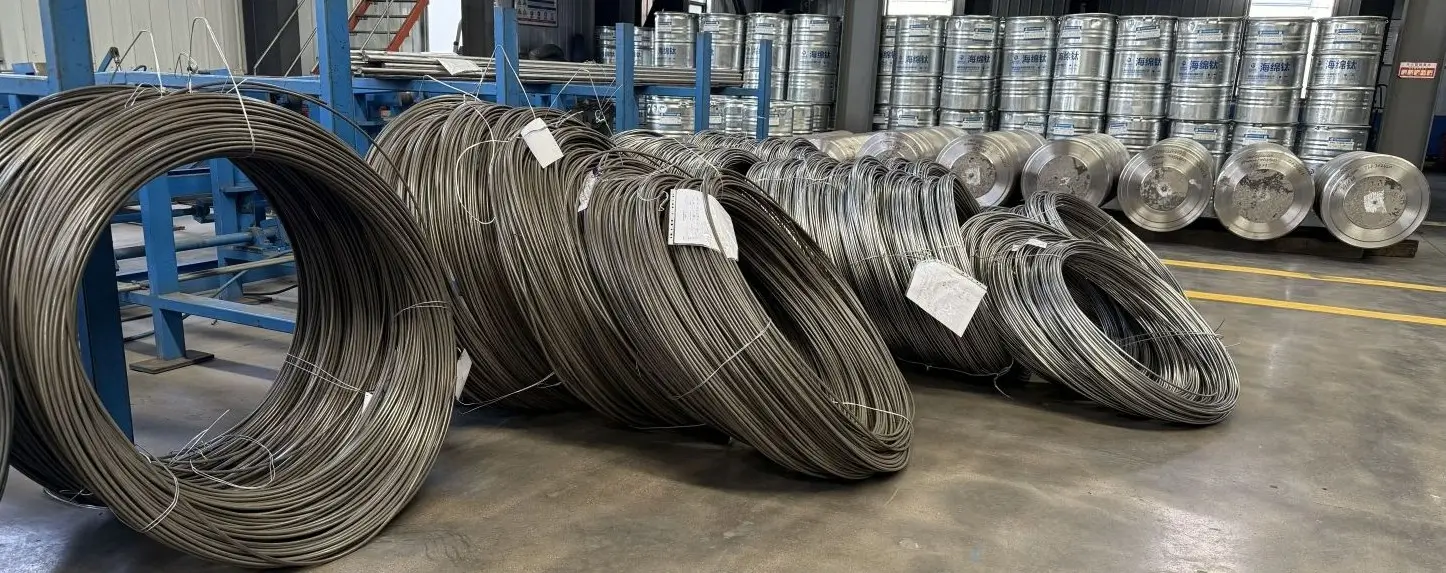
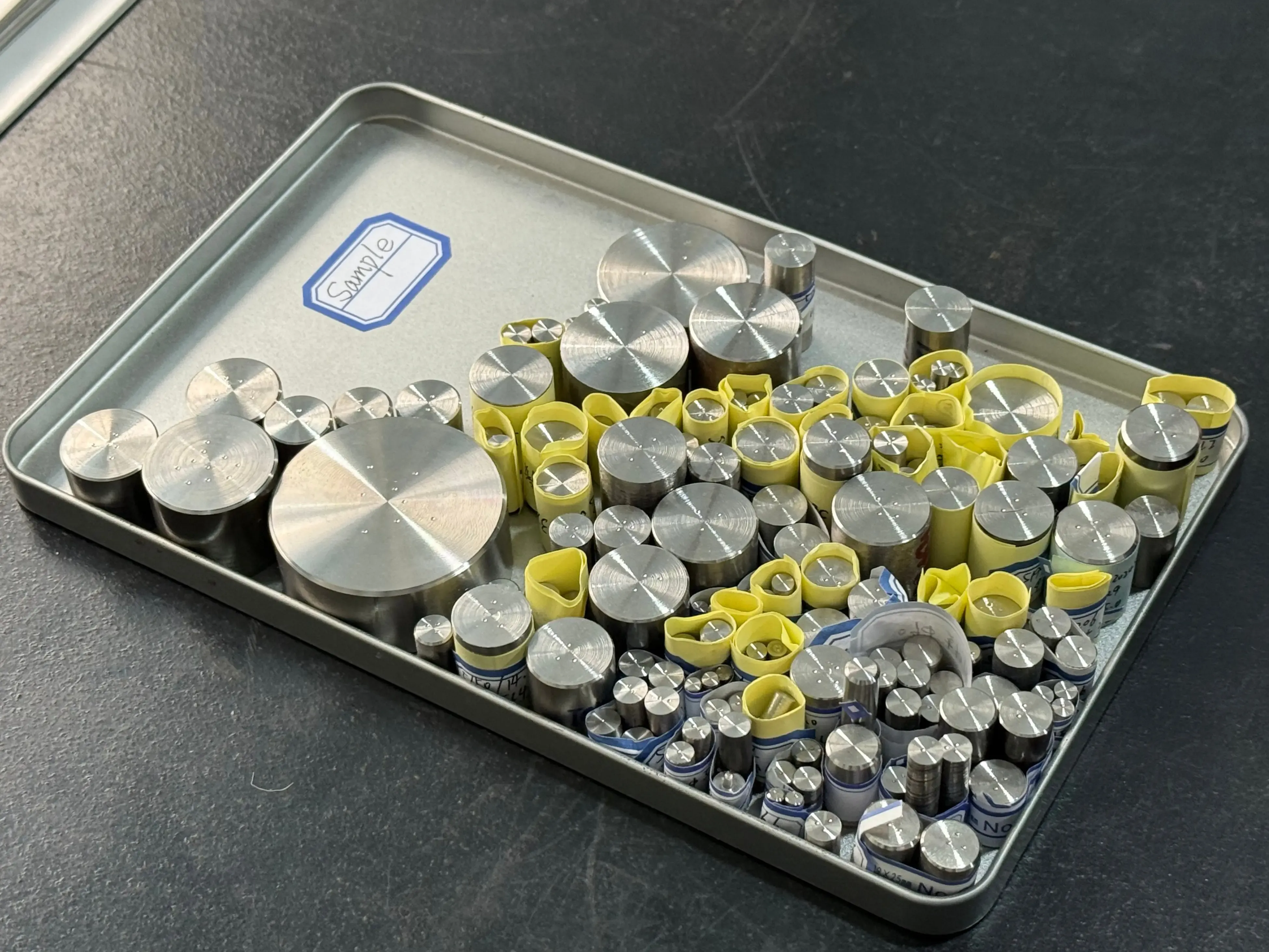
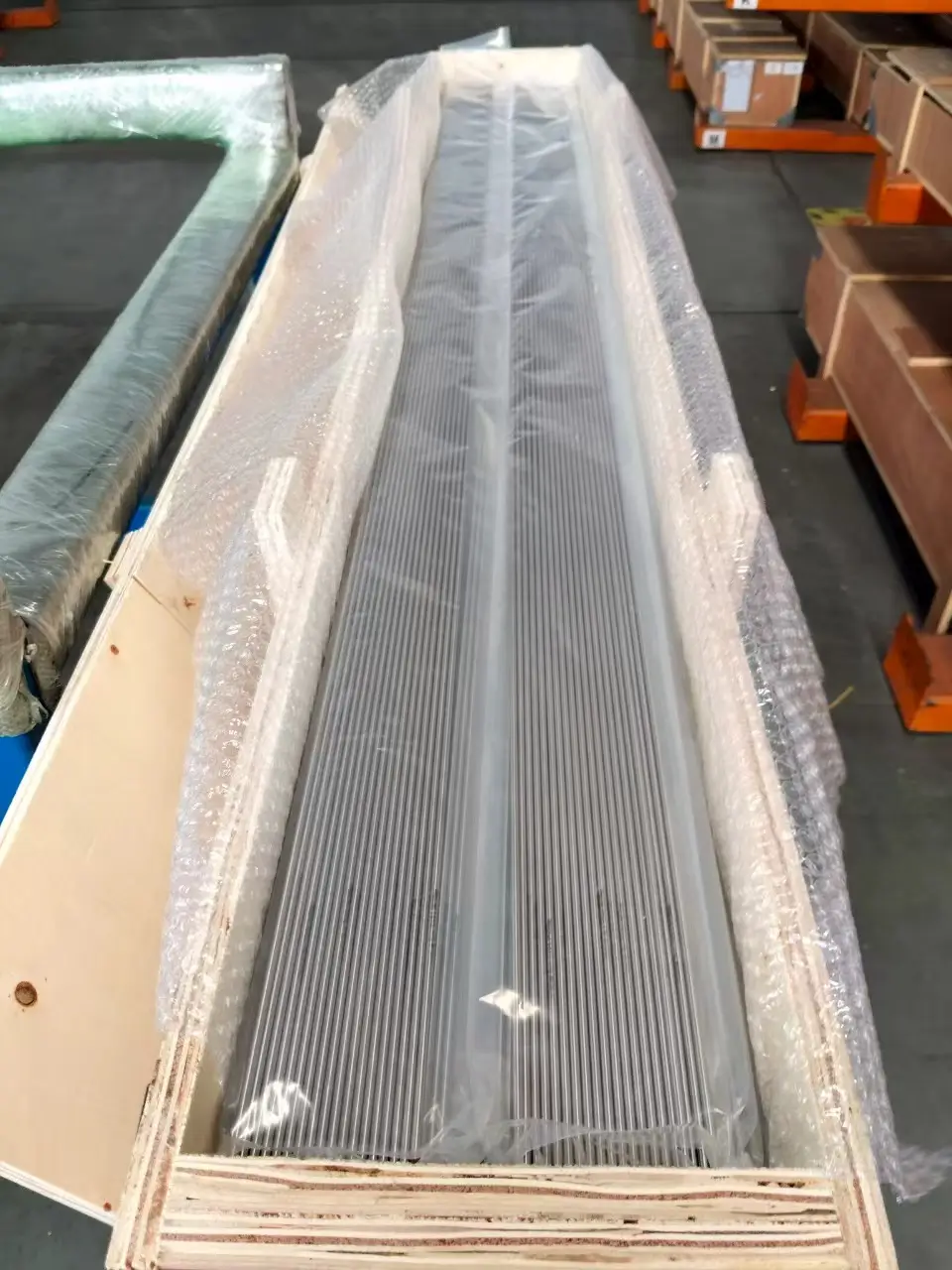
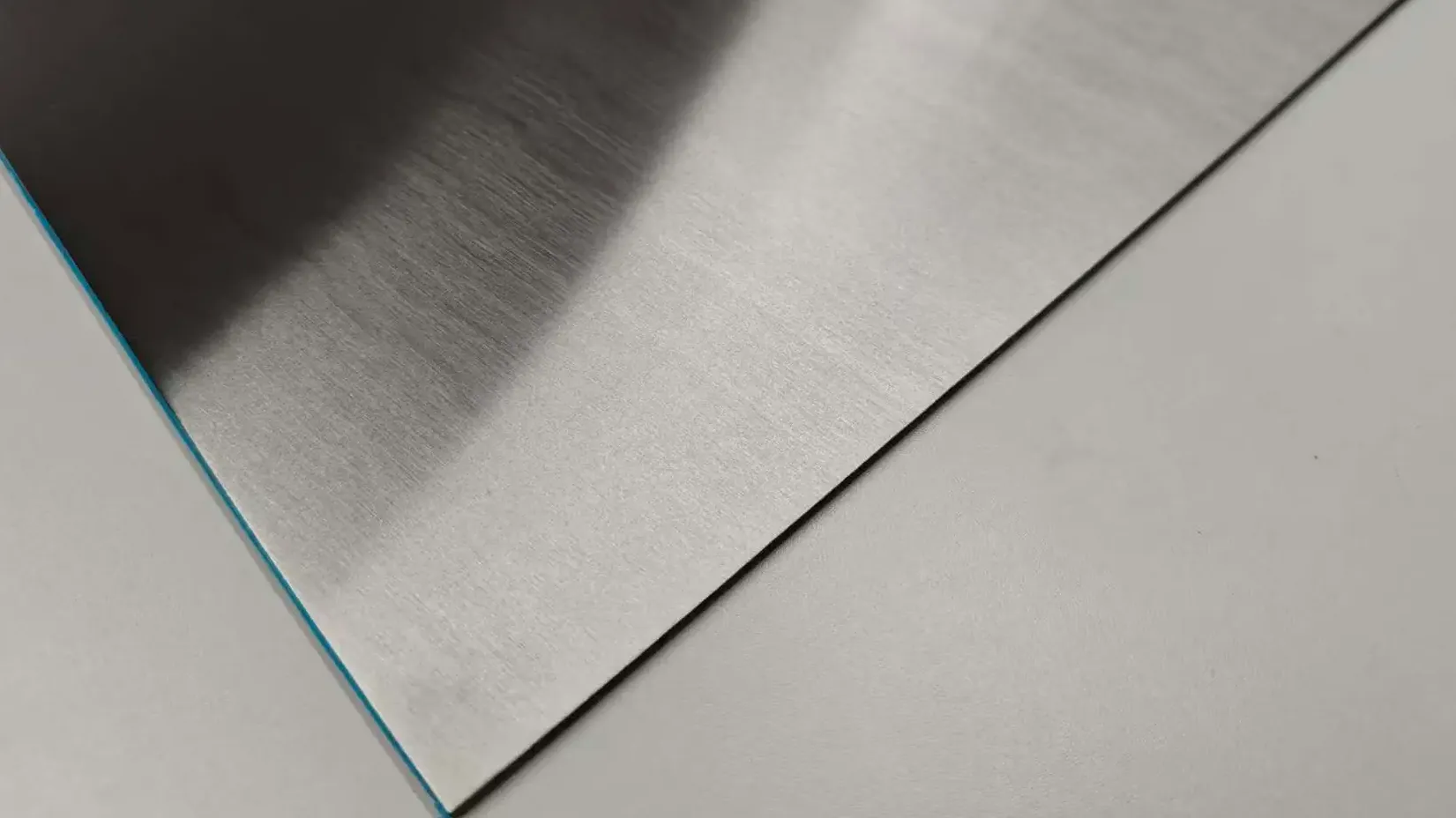
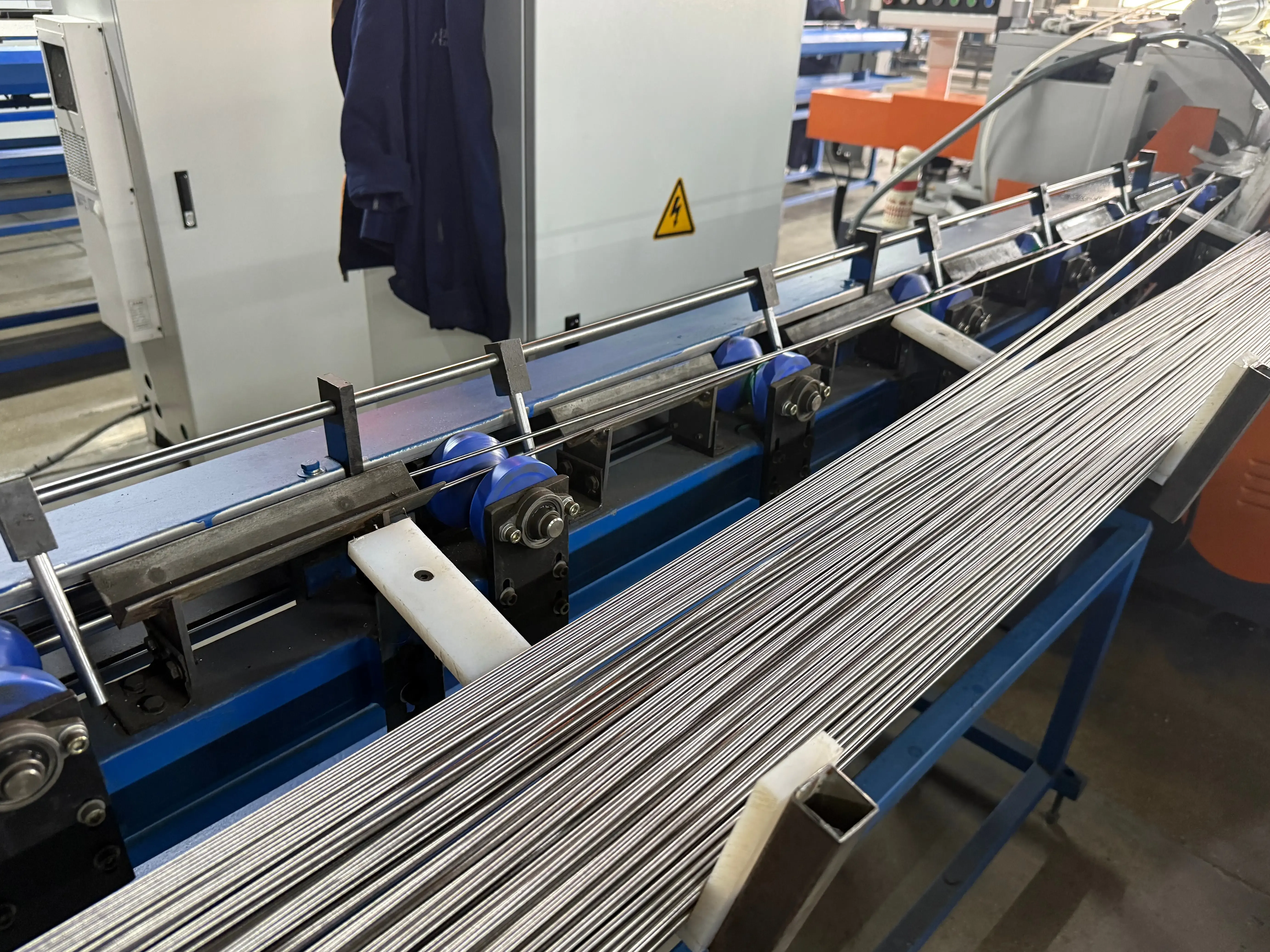
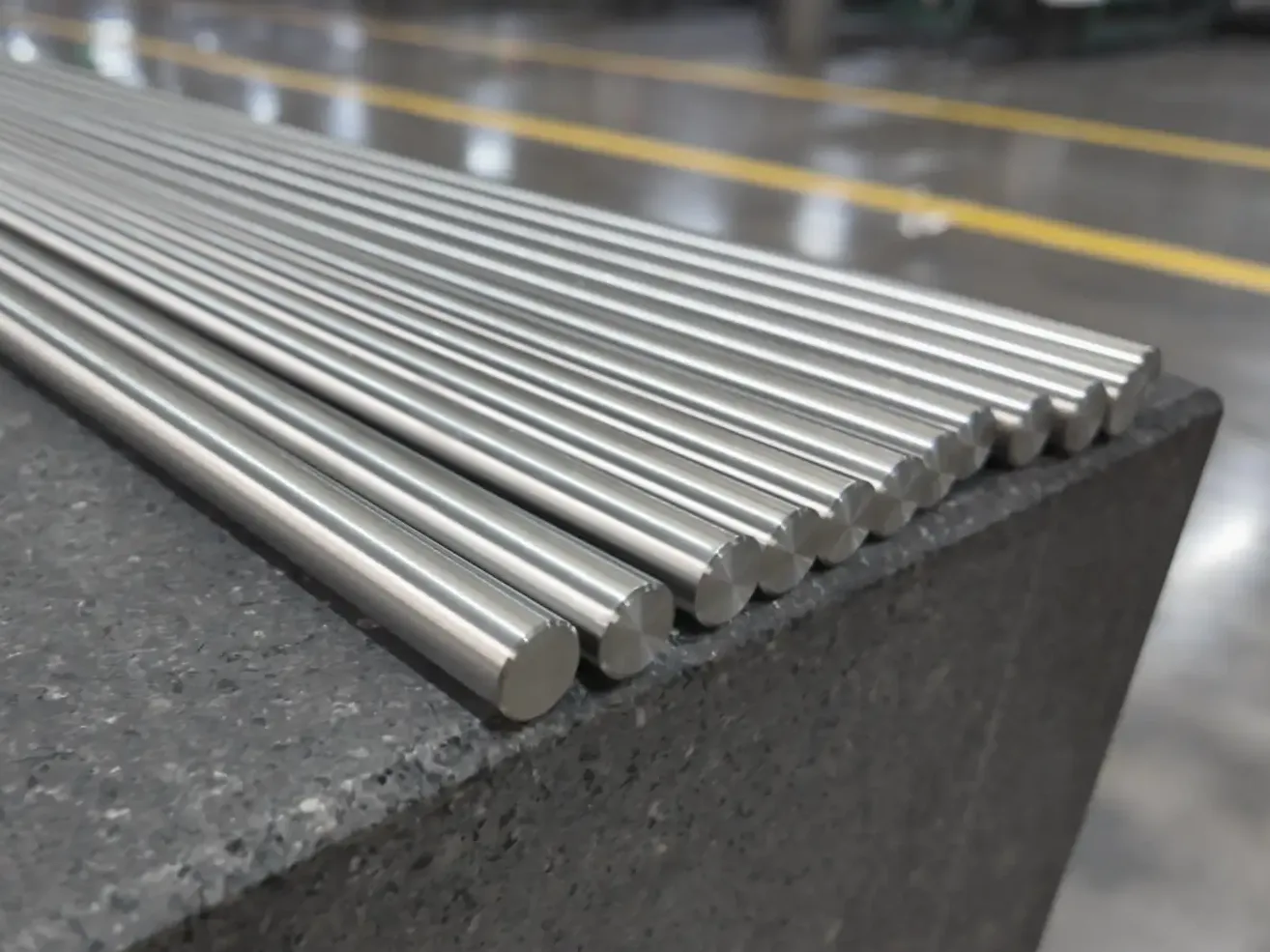
Sunxin supplies Nitinol / NiTi Alloy in sheet, bar, wire and tube forms, as well as custom-cut dimensions.
Relevant requirements such as ASTM F2063, ASTM F2004 and ASTM F2005 can be discussed depending on the product form and end use. Specific applicable standards, phase transition temperature requirements, delivery conditions and test items must be confirmed in accordance with the customer’s drawings, procurement specifications and end use.
Available specifications include:
Sheets: T0.5–T200.0 mm, mill-finished, standard lengths 200 / 250 / 300 mm, widths 200 / 300 / 500 / 1000 mm, tolerance -0.0 / +1.0 mm, supplied in annealed or cold-worked condition.
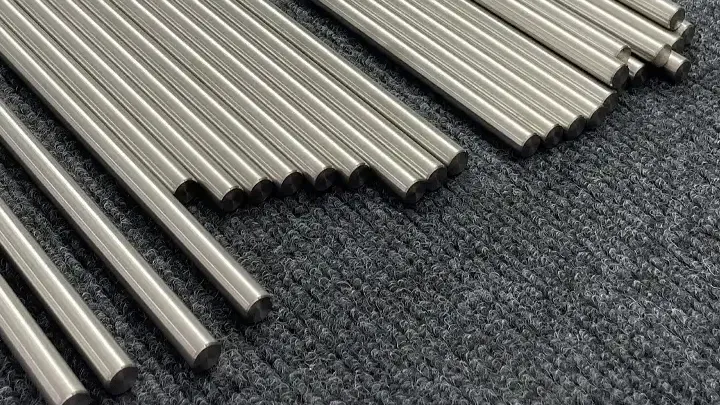
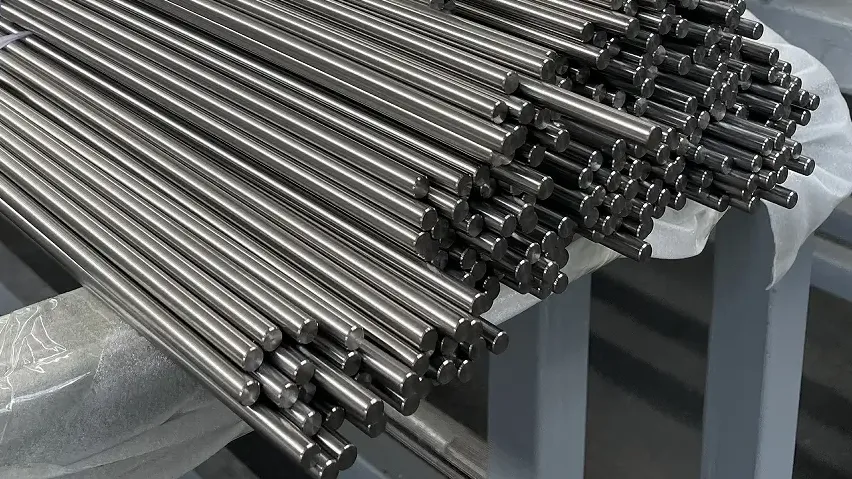
Bars: Φ1.0–Φ100.0 mm, polished or precision-polished, standard length 3 m per piece, tolerances to be confirmed as h6–h9, supplied in annealed or cold-worked condition.
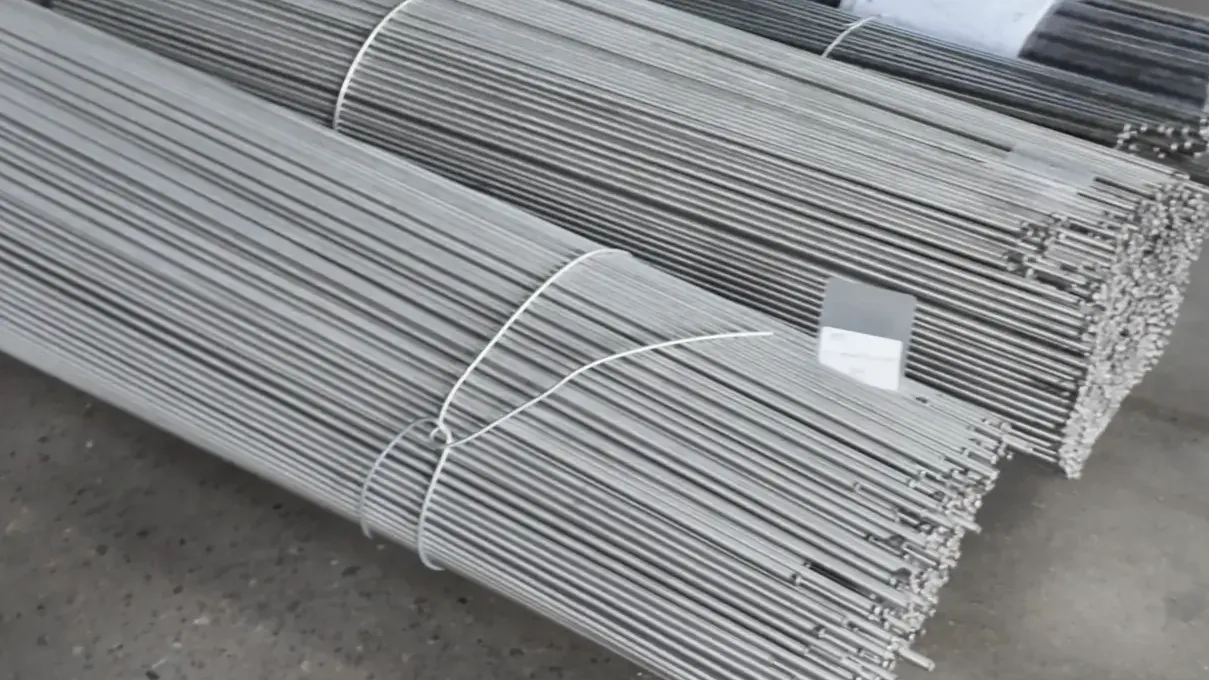
Wire: Φ0.6–Φ3.0 mm, polished or precision-polished, standard length 1 m per piece, tolerances to be confirmed as h6–h9, supplied in annealed or cold-worked condition.
Tubing: Outer diameter 1.0–10.0 mm, inner diameter 0.08–2.0 mm, polished or precision-polished, standard length 3 m per piece, tolerances to be confirmed as h6–h9, supplied in annealed or cold-worked condition.
Prior to the production of Nitinol / NiTi Alloy projects, it is recommended to confirm the material form, delivery condition, dimensions, tolerances, surface finish and phase transition temperature requirements. For medical devices, guide wires, stents, orthodontic wires, drive wires and micro-actuator projects, it is also necessary to confirm the nickel-titanium composition, mechanical properties, superelasticity requirements, fatigue requirements, surface quality, inspection items, quality documentation and traceability requirements.
Sunxin is certified to the ISO 13485 and ISO 9001 quality management systems and can support batch management, traceability control, testing coordination and quality documentation management.