Additional Info
A Brief History of PHYNOX / ELGILOY
PHYNOX, also known as Elgiloy, UNS R30003 or 2.4711, is a high-performance elastic alloy based on a cobalt-chromium-nickel-molybdenum-iron system.
It is not a standard cobalt-based corrosion-resistant alloy. PHYNOX / ELGILOY offers a reliable choice of elastic material in applications where high elasticity, high fatigue strength, corrosion resistance, low magnetic properties and long-term stability are all required.
The core characteristics of this material are high elastic limit, strong fatigue resistance and good corrosion resistance, whilst maintaining stable elastic properties even when cold-worked or in a spring state. Consequently, it has long been used in precision springs, medical elastic components, cardiovascular parts, control cables and high-reliability small elastic parts.
How Was The PHYNOX / ELGILOY Developed
The development of PHYNOX / ELGILOY can be traced back to around the 1950s.
At that time, higher demands were placed on materials for watches, aviation instruments, precision springs and corrosion-resistant elastic components. Carbon steel springs could be made very strong, but were susceptible to surface corrosion in environments involving moisture, sweat, salt spray and corrosion. Stainless steel springs offered better corrosion resistance, but still had limitations in terms of high elastic limit, fatigue life and long-term dimensional stability.
Consequently, there was a need for an alloy capable of producing high-strength springs whilst offering long-term resistance to corrosion and fatigue. PHYNOX / ELGILOY was developed precisely to meet this demand.
Its ability to combine elasticity, strength and corrosion resistance is closely linked to its Co-Cr-Ni-Mo-Fe alloy system. The cobalt matrix provides a foundation for high strength and elasticity; chromium aids in the formation of a stable corrosion-resistant protective film; nickel improves toughness and workability; molybdenum enhances the material’s stability in complex corrosive environments; whilst iron contributes to the overall balance of the alloy’s microstructure and workability.
PHYNOX / ELGILOY can utilise cold working and spring condition control to enhance strength and elastic performance. The tensile strength in the annealed condition is ≥950 MPa; after 30% cold working, it can reach ≥1450 MPa, and in the spring condition, it can reach ≥1650 MPa. Consequently, it is suitable as a high-strength elastic alloy for applications involving high stress, repeated cycling and small-sized elastic components.
Early Applications of PHYNOX / ELGILOY
PHYNOX / ELGILOY was initially used primarily for precision springs and corrosion-resistant elastic components.
Watch springs, aviation instrument springs, control cables, elastic clamps, diaphragms, bellows and high-fatigue elastic elements were among the earliest applications. These components are typically very small in size but must withstand repeated deformation over the long term; consequently, the material must not be prone to relaxation, corrosion or fatigue failure.
The aerospace and instrumentation sectors also began utilising these alloys at an early stage. Precision springs, sensor elastic components, corrosion-resistant fasteners and high-reliability clamps require materials that remain stable under simultaneous exposure to vibration, cyclic loading and environmental corrosion.
It is not only suitable for springs but also maintains its elasticity and fatigue life in corrosive environments.
Current Applications of PHYNOX / ELGILOY
PHYNOX / ELGILOY is currently primarily used in the medical, aerospace, industrial elastic components and precision engineering sectors, and is particularly suitable for small precision components requiring high elasticity, high fatigue strength, corrosion resistance and low magnetic properties simultaneously.
Common applications include:
Medical: cardiovascular stents, orthodontic wires, surgical clips, catheter reinforcement wires, implant-grade springs, medical elastic elements, precision medical clips.
Aerospace: precision springs, diaphragms, bellows, sensor elastic components, fatigue-resistant clips, corrosion-resistant elastic fasteners.
Industrial: Highly corrosion-resistant springs, sealing spring clips, valve elastic components, instrument elastic elements, corrosion-resistant elastic sheets.
Mechanical engineering: Micro-springs, flexible gripper springs, sensor diaphragms, micro-actuator elastic components, precision elastic connectors.
Sunxin’s PHYNOX / ELGILOY supply support
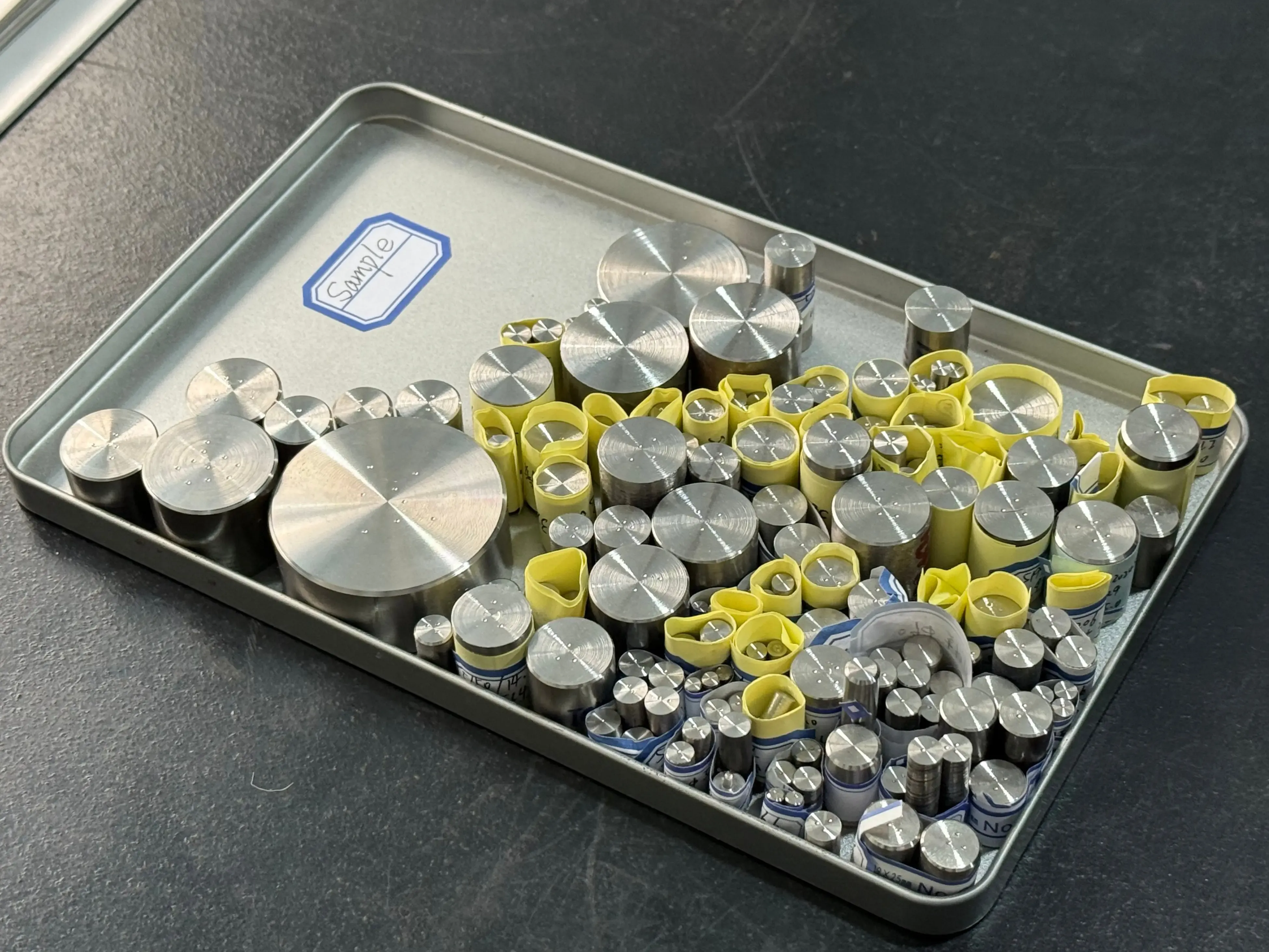
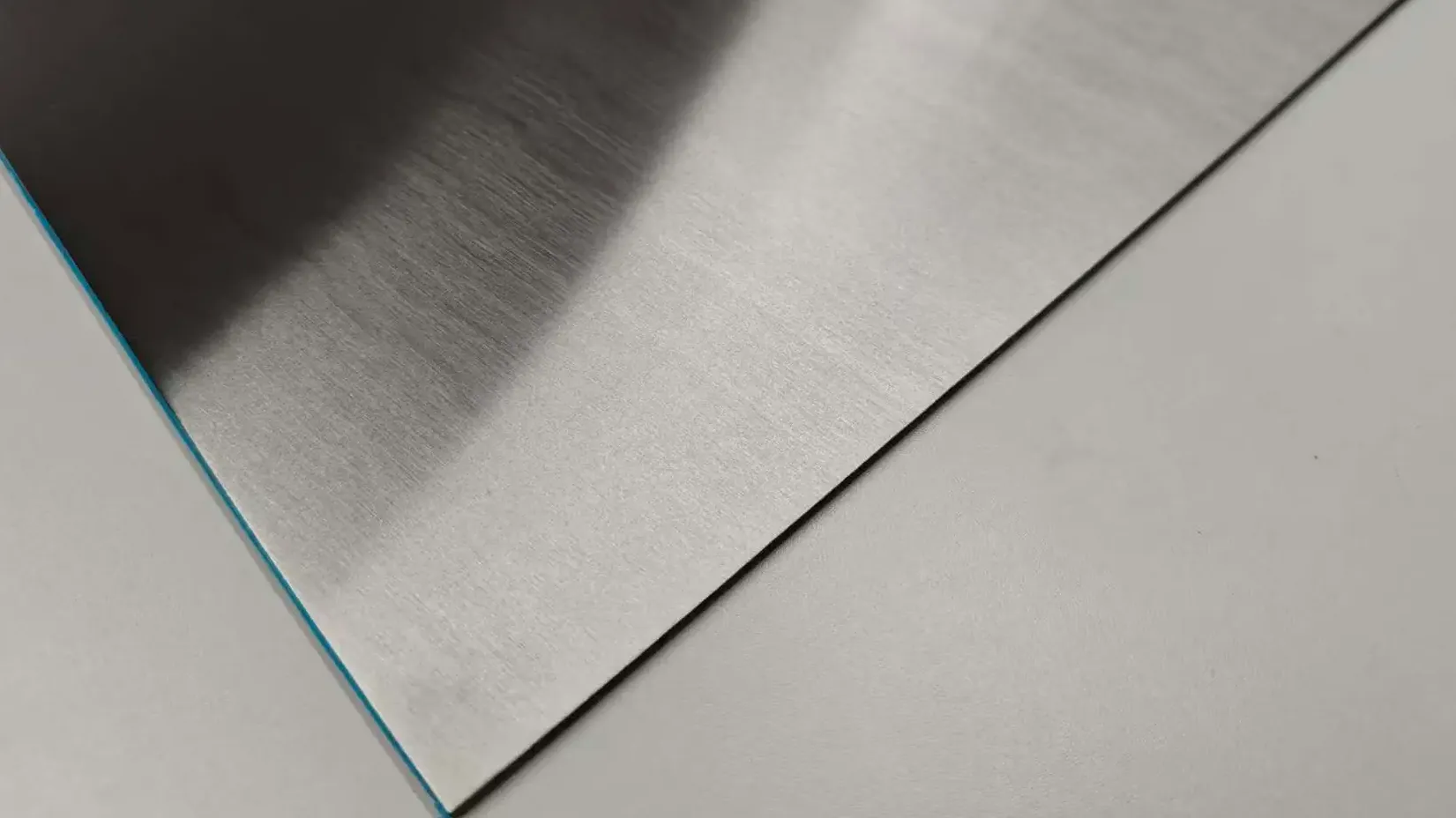
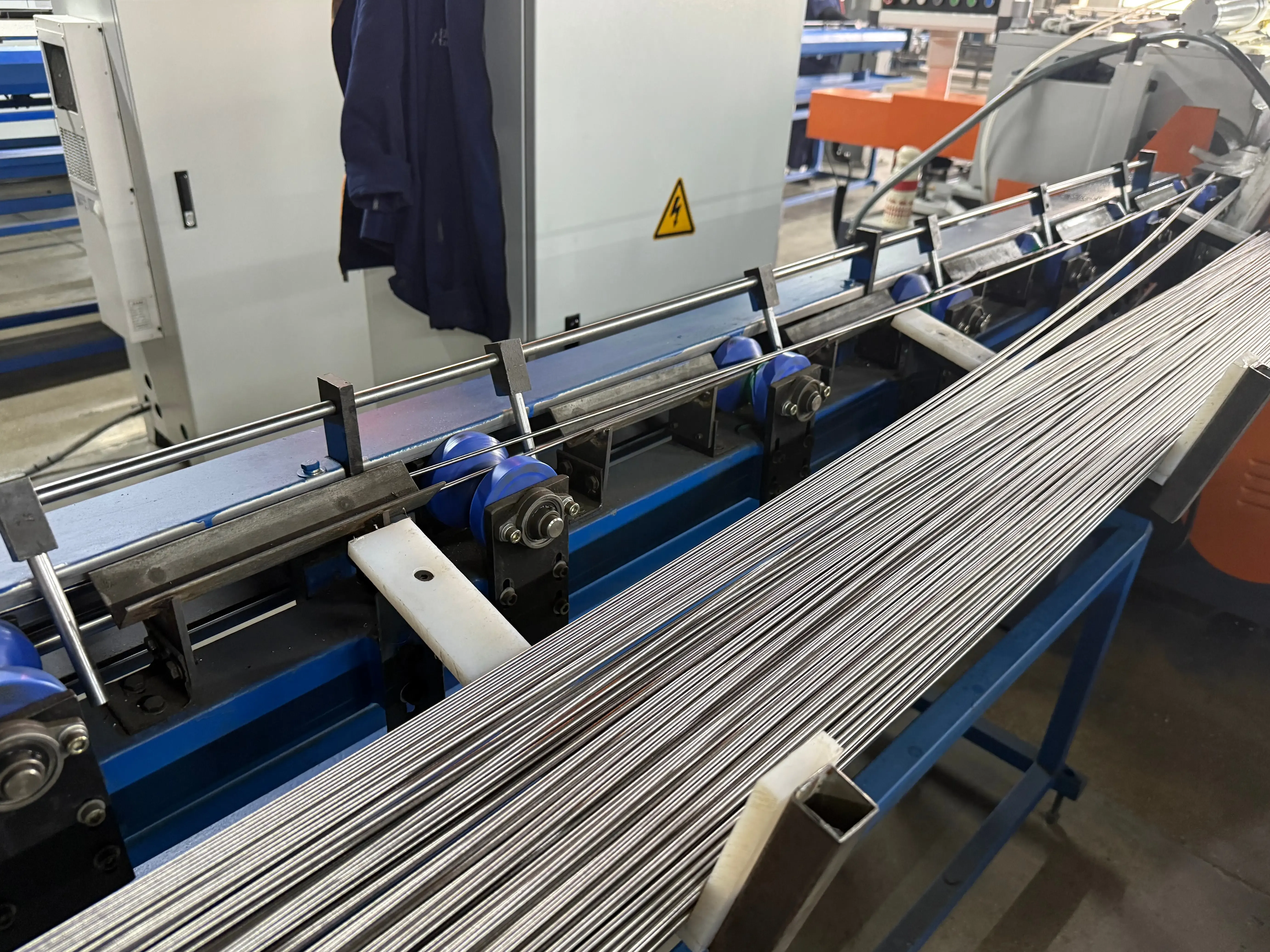
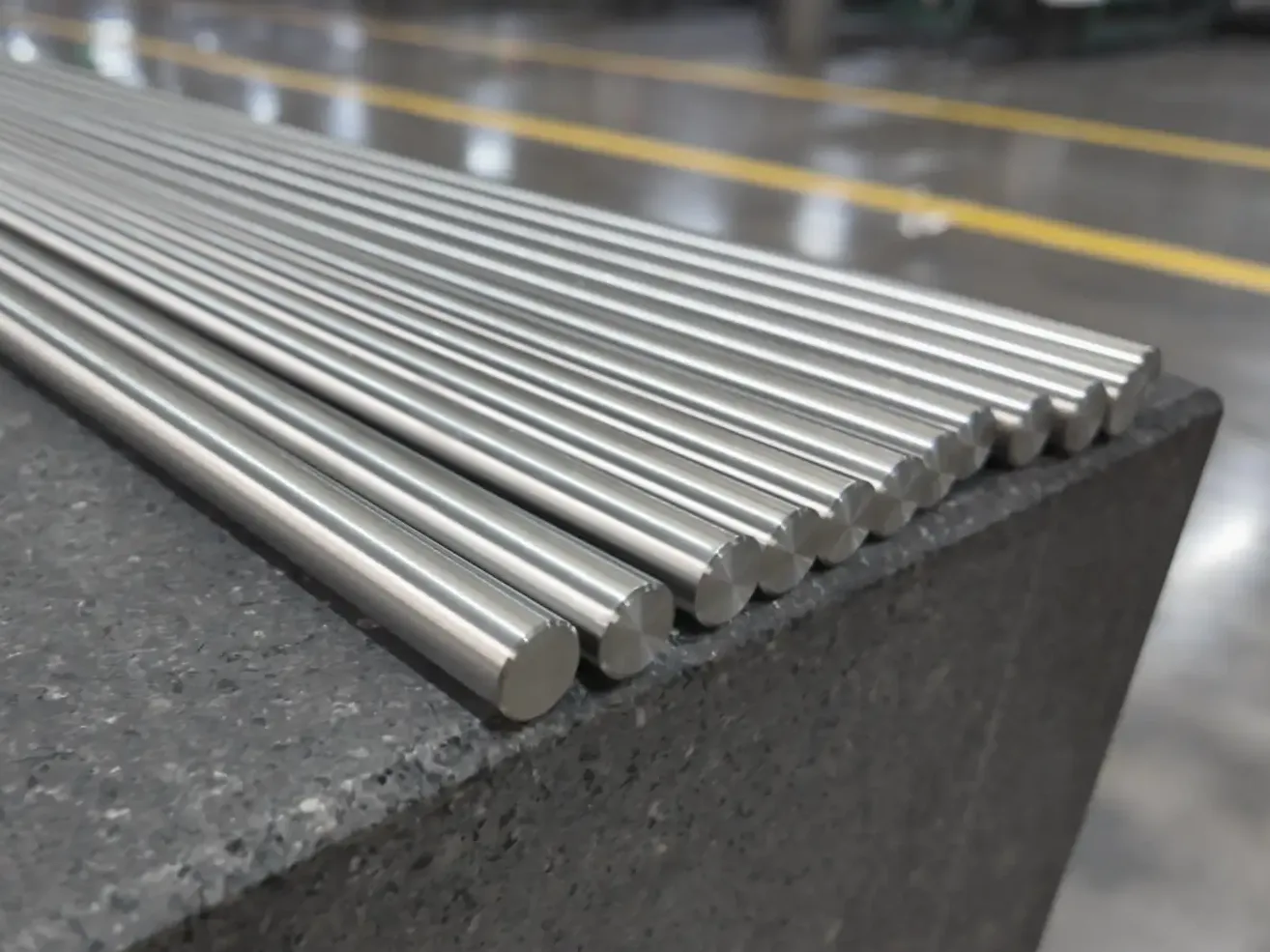
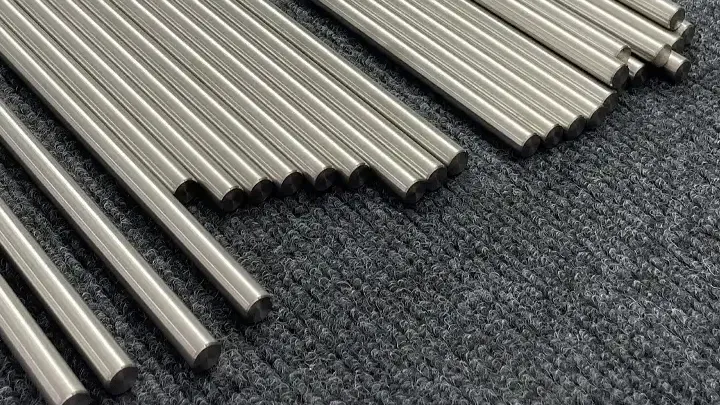
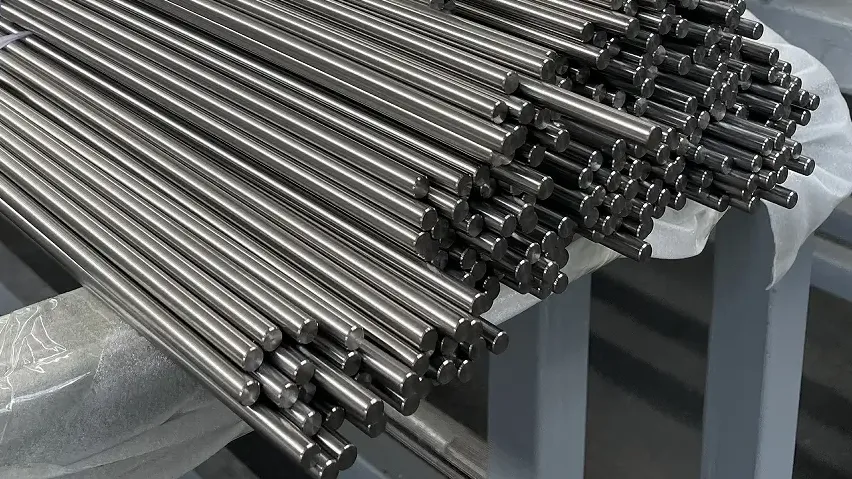
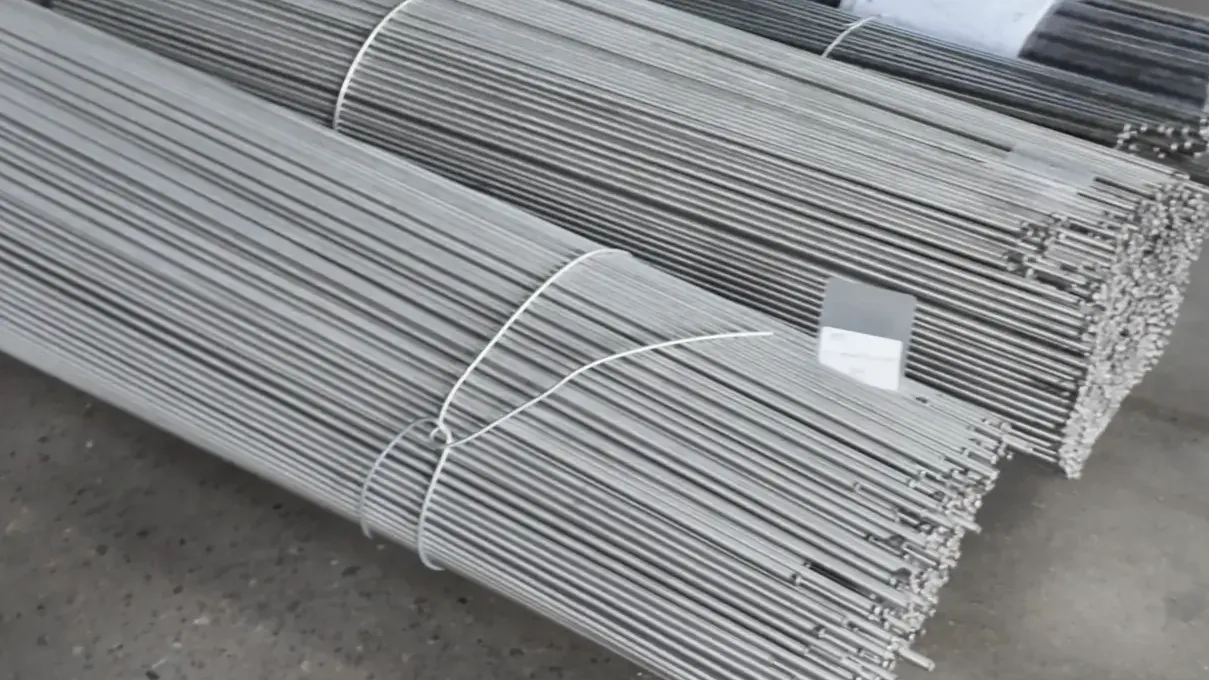
Sunxin supplies PHYNOX / ELGILOY sheets, bars and custom cut dimensions.
Supported standards include ISO 5832-7, ASTM F1058. Specific applicable standards must be confirmed based on product form, end use, customer drawings and procurement specifications.
Available specifications include:
Sheets: T0.5–T200.0 mm, milled surface, standard lengths 200 / 250 / 300 mm, widths 200 / 300 / 500 / 1000 mm, tolerance -0.0 / +1.0 mm, supplied in the solution-annealed condition.
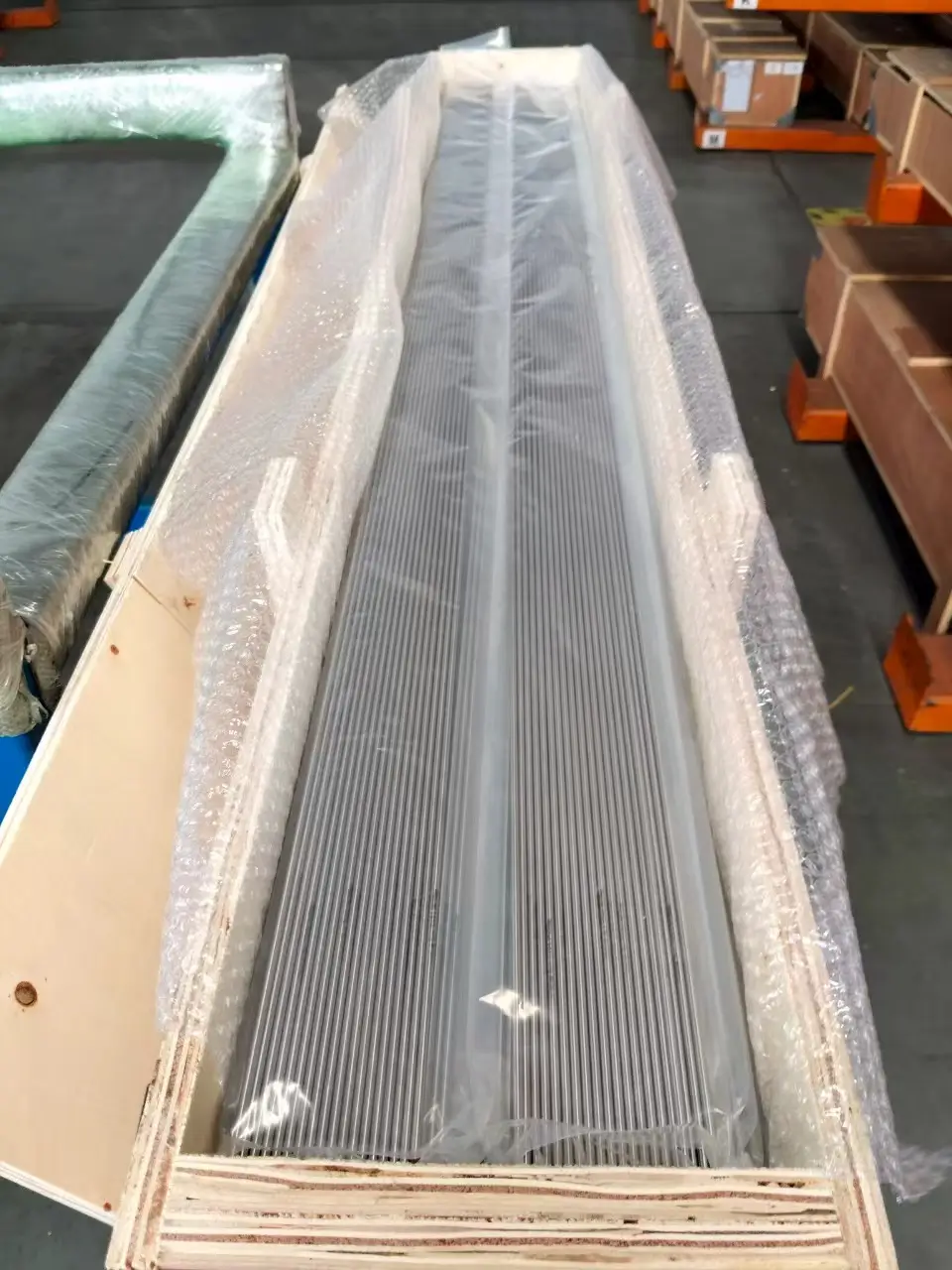
Bars: Φ3.0–Φ200.0 mm, ground or precision ground, standard length 3 m/piece, tolerances to be confirmed as h6–h9, supplied in the solution-treated condition.
Prior to production of PHYNOX / ELGILOY projects, it is recommended to confirm the material form, delivery condition, dimensions, tolerances, surface finish and applicable standards. If the customer requires cold-worked condition, spring condition or specific strength grades, the cold working ratio, heat treatment conditions, tensile strength, yield strength and hardness requirements must be confirmed in advance.
For medical implants, cardiovascular components, aerospace elastic components and precision spring projects, it is also necessary to confirm chemical composition, mechanical properties, fatigue requirements, corrosion resistance requirements, test items, quality documentation and traceability requirements.
Sunxin is certified to the ISO 13485 and ISO 9001 quality management systems and can support batch management, traceability control, test coordination and quality documentation management.