Additional Info
A Brief History of 420A Stainless Steel
420A stainless steel is a heat-treatable martensitic stainless steel within the 420 series. Depending on the standard system and product form, it is commonly referred to as AISI 420A, EN 1.4021, X20Cr13 and JIS SUS420J1.
Compared to higher-carbon grades such as
420B,
420Mod,
440B and
440C, 420A has a lower carbon content. Typical 420A / 1.4021 materials have a carbon content of approximately 0.16–0.25% and a chromium content of approximately 12.0–14.0%.
This places 420A in a relatively practical position amongst martensitic stainless steels. It can achieve a certain degree of hardness through heat treatment, yet is generally easier to machine, polish and finish than high-carbon stainless steels. For components that do not require the highest wear resistance but do require a clean surface, moderate hardness and practical corrosion resistance, 420A is a suitable material choice.
Why 420A Uses a Lower Carbon Content
420A gives medical devices high hardness and corrosion resistance, without sacrificing machinability or surface quality. Higher-carbon grades offer greater wear resistance but are notoriously difficult to machine, grind, and polish, leading to higher tooling costs, longer cycle times, and increased scrap rates.
With an optimized, relatively low carbon content, 420A offers excellent machinability and surface finish. Its annealed hardness of ≤220 HBW ensures efficient precision machining and forming. While this limits its maximum hardness (≥48 HRC) after heat treatment, it perfectly balances production efficiency with the reliable performance needed for reusable instruments.
Early applications of 420A
420A was designed for medical tools that demand a flawless surface, moderate hardness, and reliable corrosion resistance. These applications required materials that could withstand repeated sterilization cycles while maintaining tight tolerances and smooth finishes.
Early uses included reusable surgical instruments, dental tools, and precision mechanical components where surface appearance, dimensional accuracy, and manufacturing consistency were non-negotiable. 420A’s balanced properties allowed manufacturers to achieve high-quality finishes and reliable performance without the processing challenges associated with higher-hardness steels.
Current applications of 420A
Today, 420A steel is the material of choice for medical device manufacturers who prioritize machinability, surface quality, and corrosion resistance over extremely high hardness.
Surgical Instruments: Widely used for reusable tools such as forceps, scissors, retractors, and instrument handles. 420A’s excellent machinability supports precision grinding, polishing, and passivation, ensuring smooth, burr-free surfaces that meet strict infection control standards. Its corrosion resistance withstands repeated autoclaving and chemical sterilization without degradation.
Dental Instruments: Ideal for dental probes, elevators, and orthodontic tools that require moderate hardness, consistent surface quality, and resistance to repeated cleaning. The material’s processability enables the production of complex geometries with tight tolerances, ensuring reliable performance in clinical settings.
Precision Mechanical Components: Used in minimally invasive surgical devices, micro-shafts, pins, and polished structural parts. For these applications, dimensional stability and surface finish are critical. 420A provides adequate strength for moderate mechanical stress while maintaining the surface integrity required for smooth operation and long service life.
Industrial Medical Components: Suitable for light-duty cutting tools, polished wear parts, and general-purpose medical device components.
However, 420A is not the best fit for high wear, heavy chloride exposure, or ultra-high hardness. For these specific needs, 316LVM, 440C, or cobalt-based alloys are better choices.
Sunxin’s 420A Stainless Steel Supply Support
We supply 420A martensitic stainless steel as a reliable material solution for medical instruments, dental tools, precision components, and industrial applications. Because stainless steel designations vary across international standards and product forms, we help you confirm the correct equivalent grades and applicable material standards before production begins. Our team also assists in defining your specific chemical composition requirements, delivery conditions, target hardness ranges, dimensional tolerances, and surface finish specifications to ensure the material aligns perfectly with your manufacturing process.
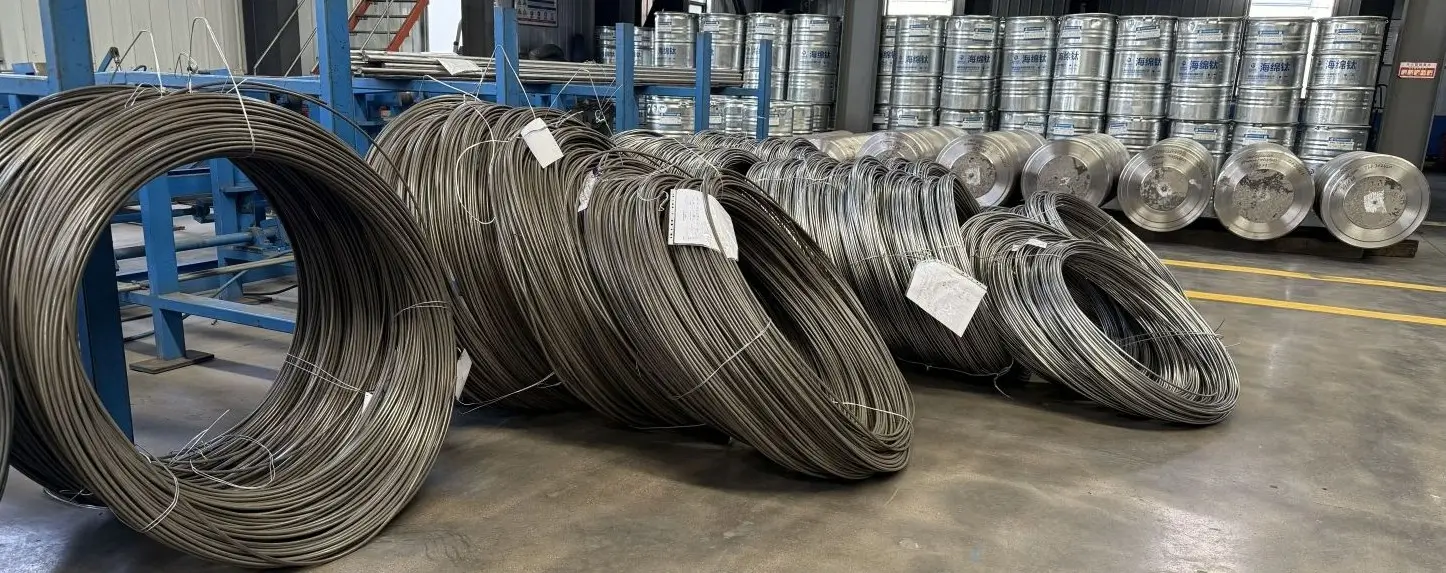
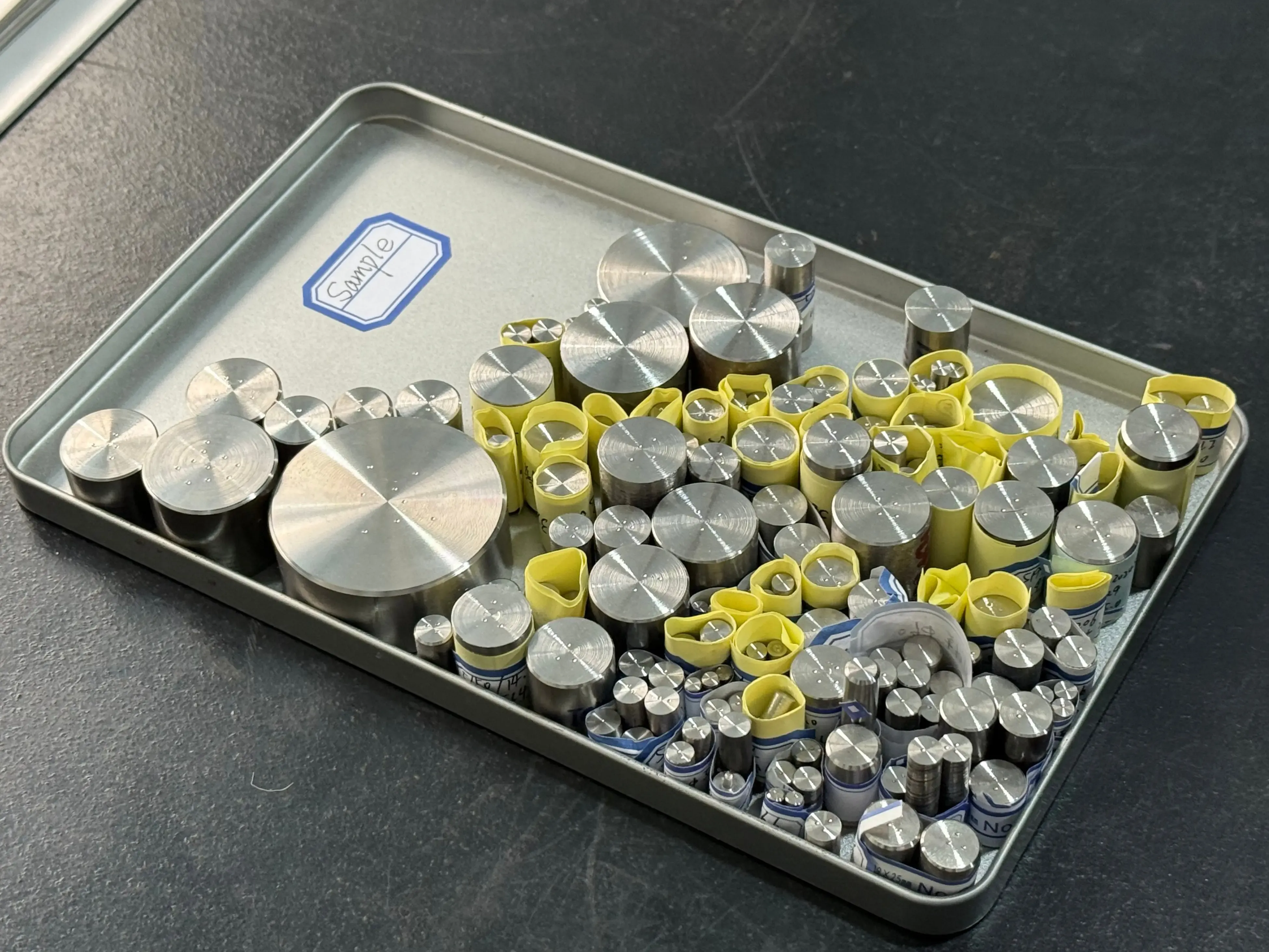
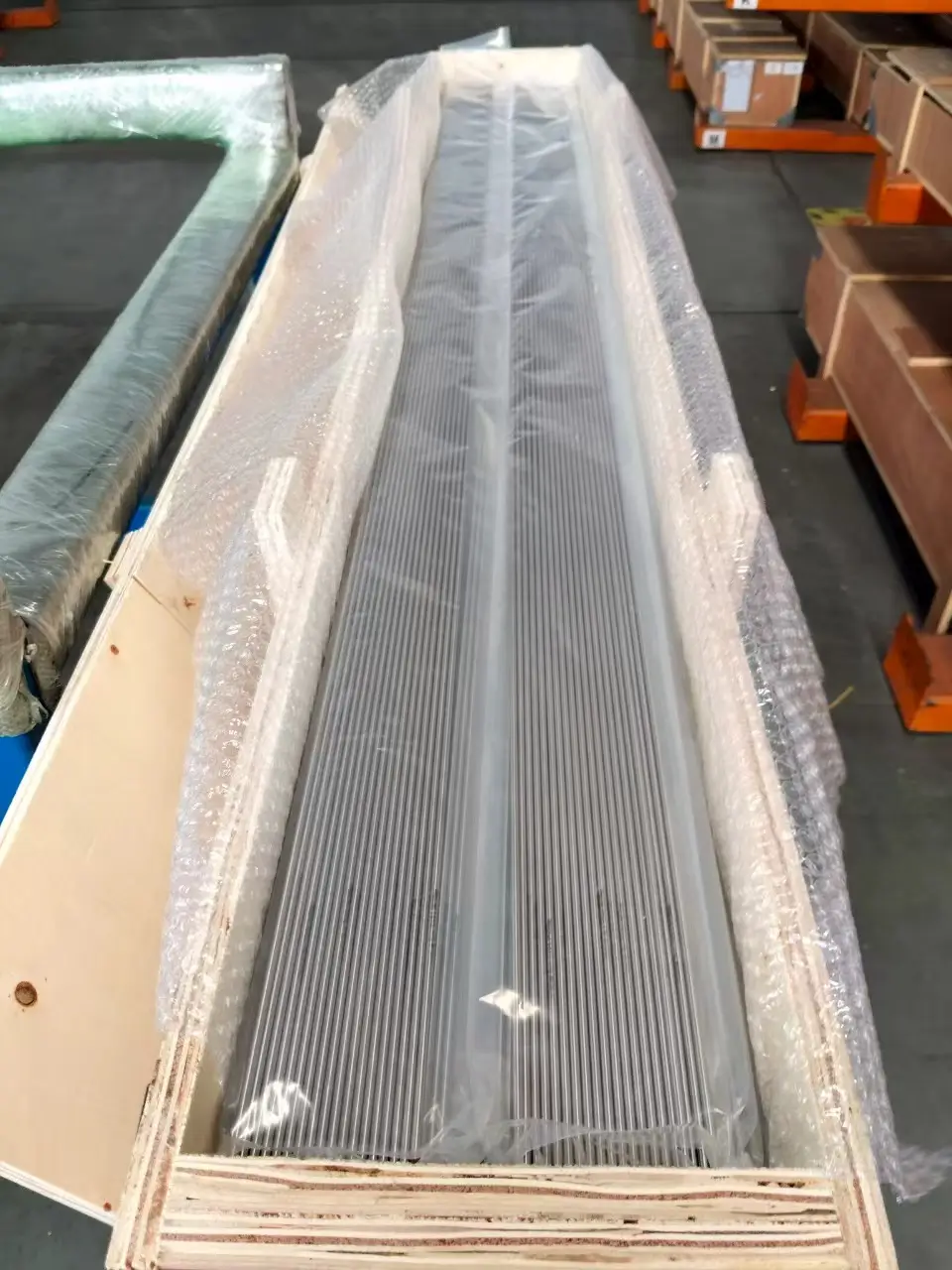
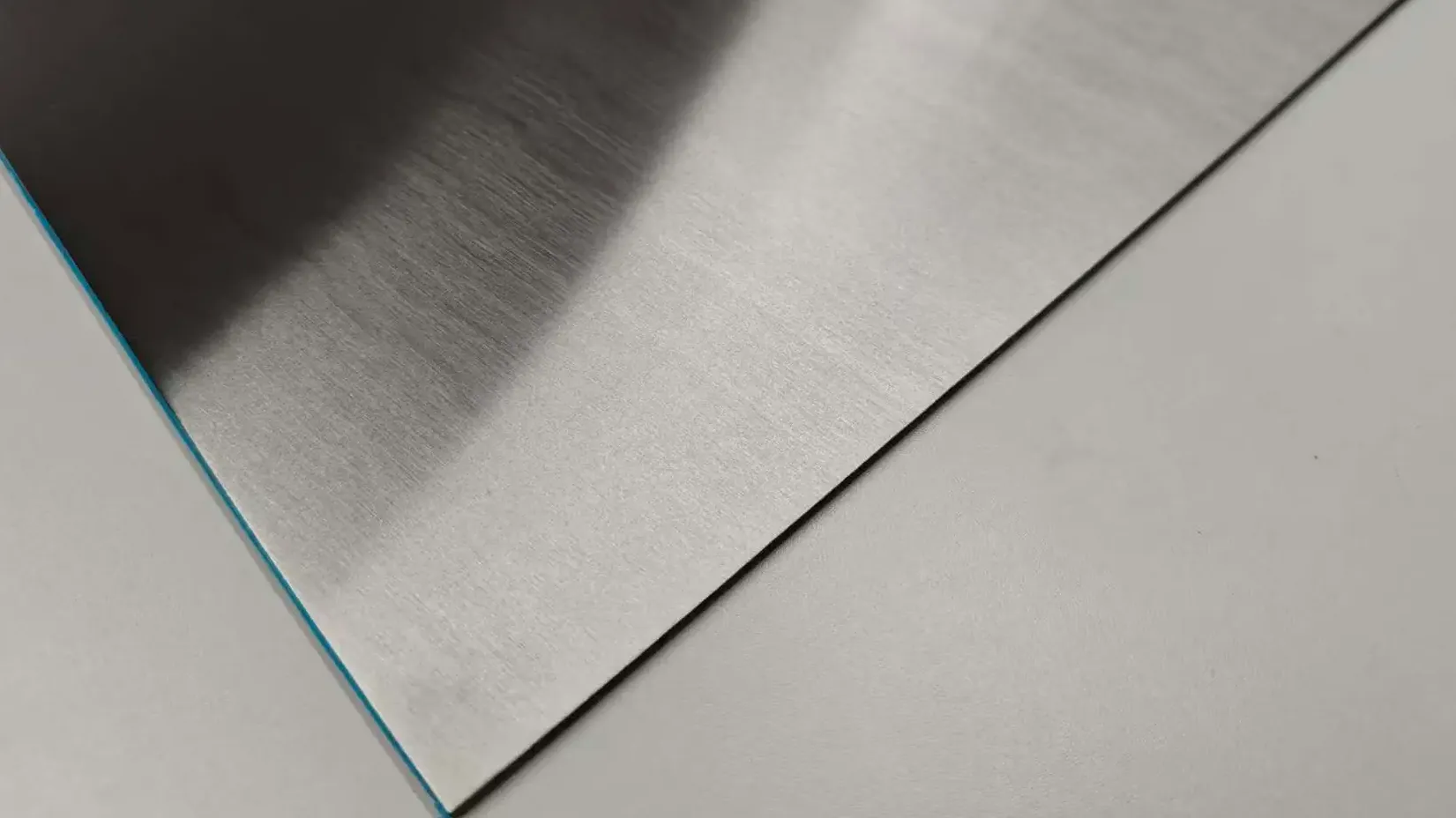
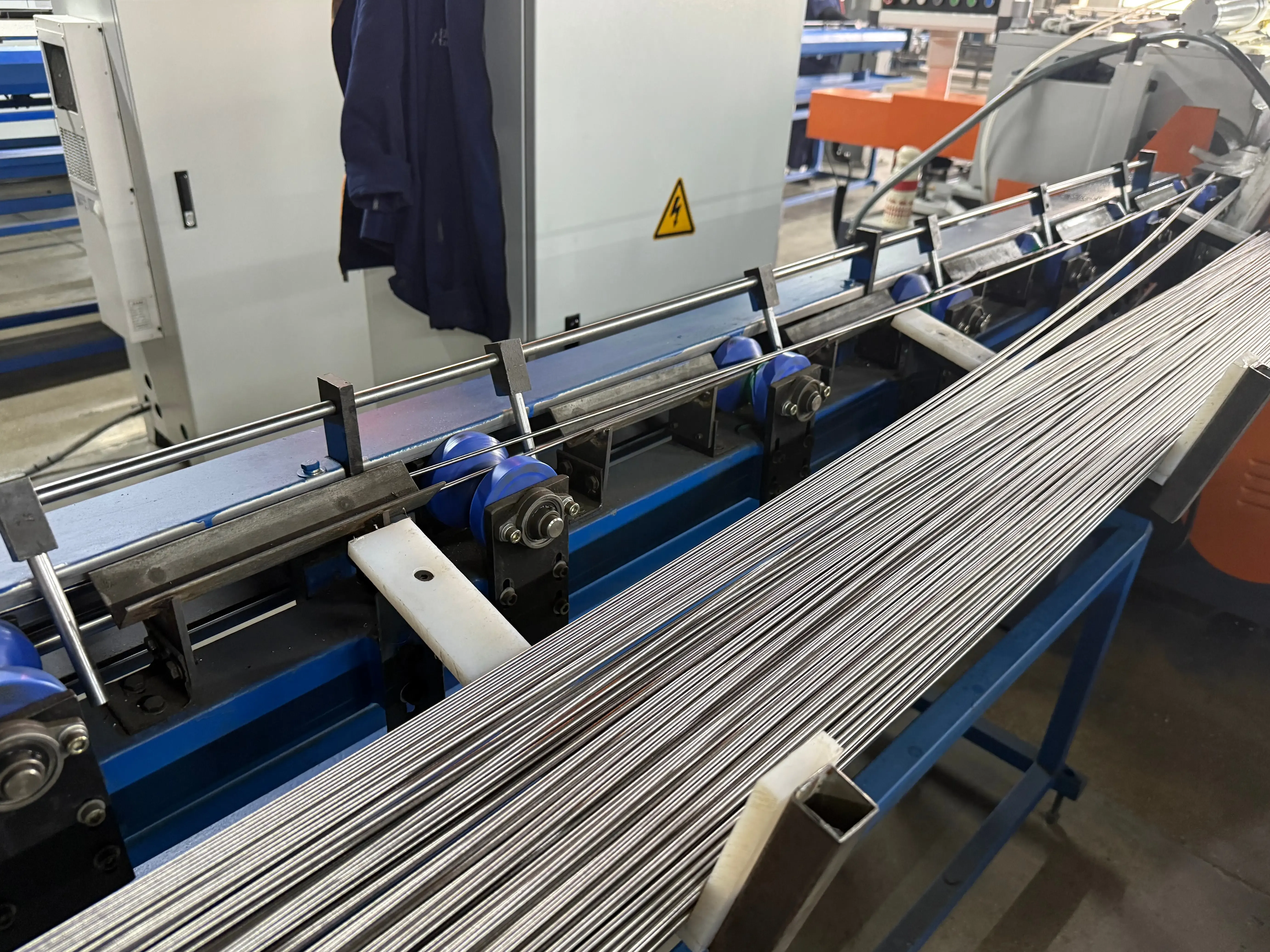
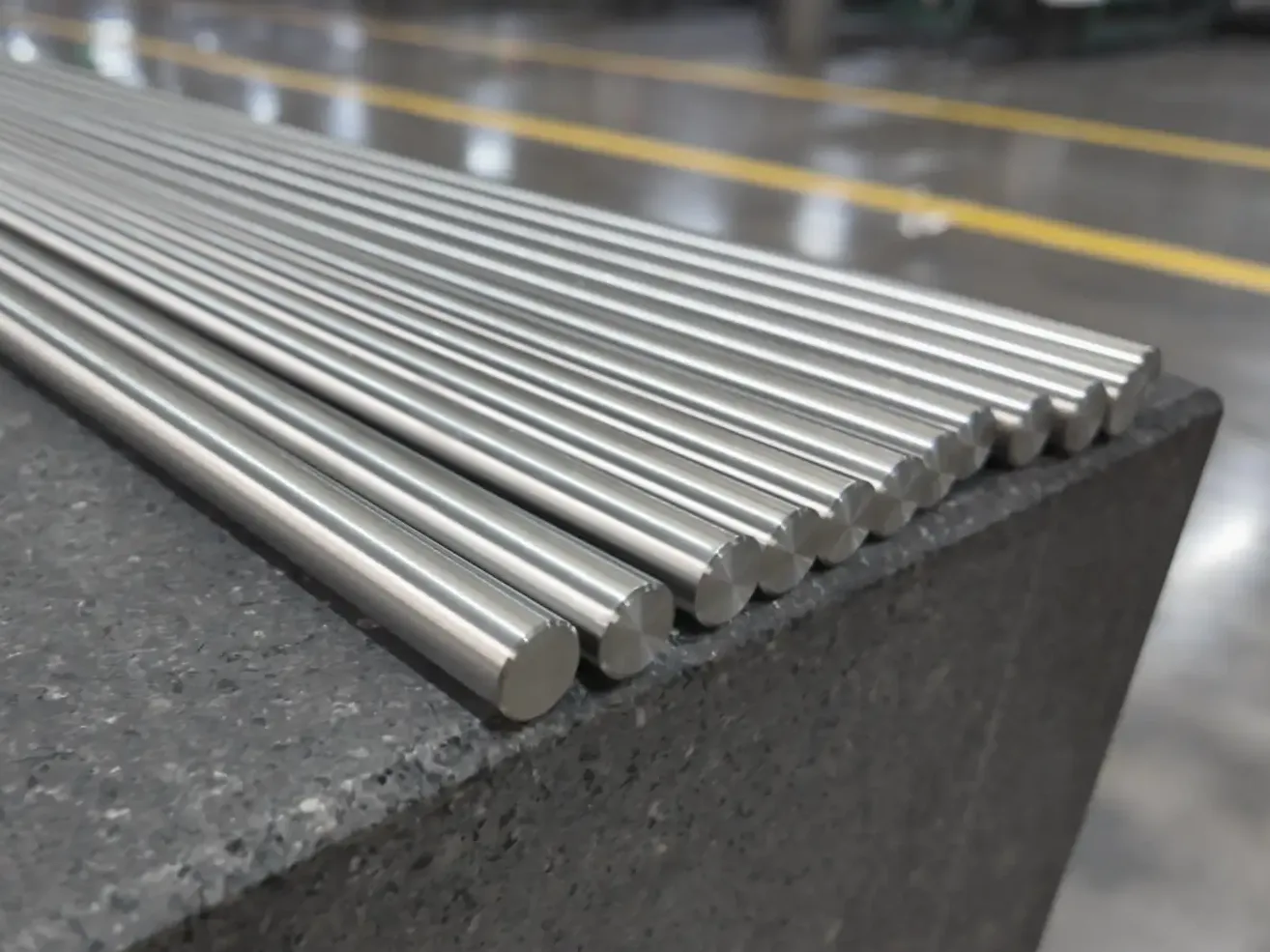
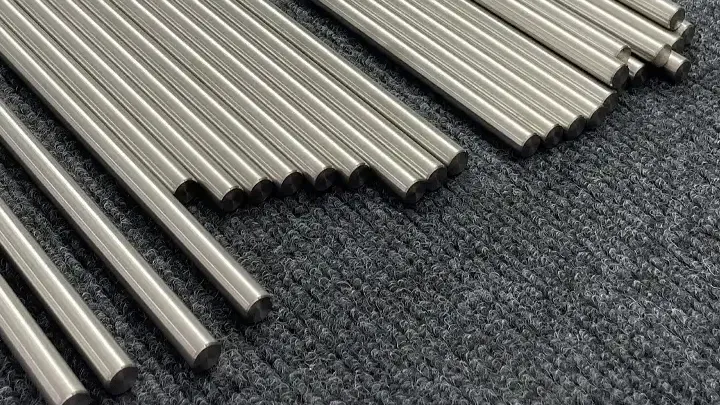
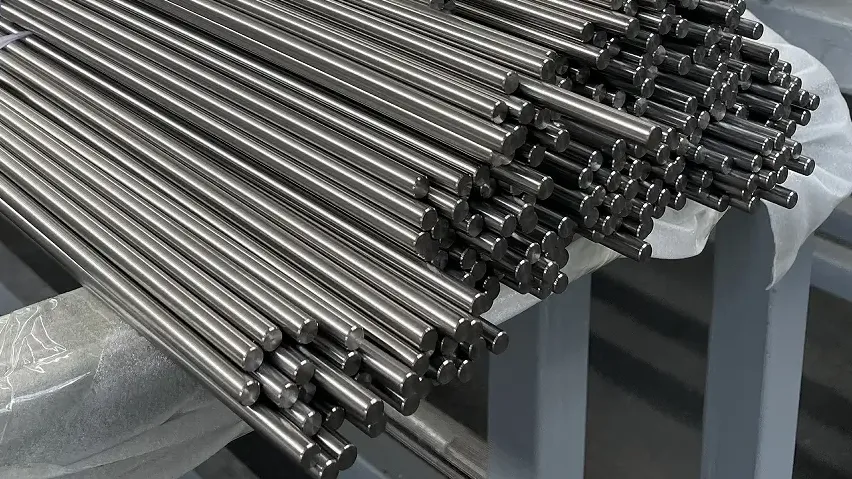
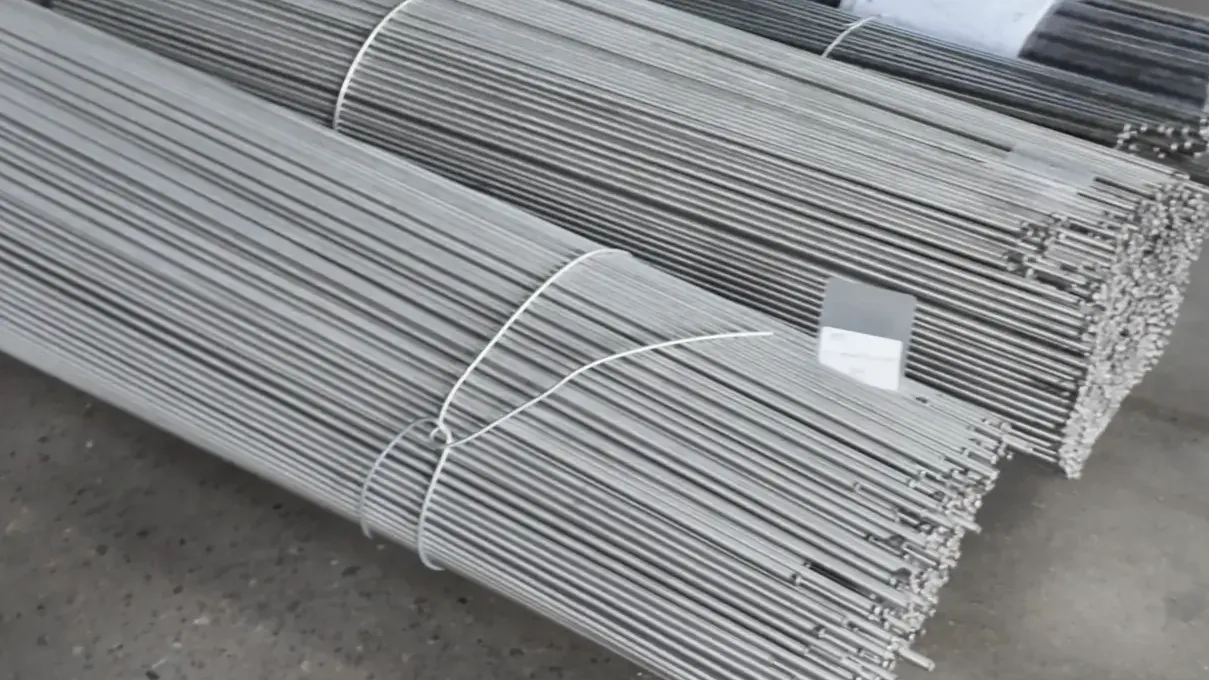
To accommodate diverse project needs, we provide 420A stainless steel in multiple forms, including bars, plates, tubes, wire, and custom cut sizes. We integrate rigorous quality verification into our supply process so you can trust the material’s performance. Our testing protocols include chemical composition analysis, hardness testing, mechanical property evaluation, dimensional and surface quality inspections, and heat treatment condition verification, all conducted in accordance with recognized industry standards such as ASTM A276 and AISI specifications.
By combining technical guidance with strict quality control, we ensure every batch meets your requirements before it reaches your facility. We are here to support you in selecting the right 420A equivalent grade and maintaining material integrity throughout your manufacturing process.