Additional Info
A Brief History of Custom 455 Stainless Steel
Custom 455 stainless steel, also known as XM-16, UNS S45500, 1.4543 or X3CrNiCuTiNb12-9, is a martensitic precipitation-hardening stainless steel originally developed by Carpenter Technology.
It was developed to address the issues of insufficient strength in standard stainless steels, whilst some high-carbon martensitic stainless steels can be excessively hard, brittle or difficult to control dimensionally after heat treatment.
The value of Custom 455 lies not merely in its hardness, but in the balance it strikes between high strength, practical toughness, corrosion resistance and dimensional stability. Following age hardening, Custom 455 can achieve tensile strengths of approximately 1415–1620 MPa and yield strengths of approximately 1275–1515 MPa, depending on the final age-hardened condition.
By comparison, the yield strength of common annealed 304 stainless steel is typically around 205 MPa. This means that the yield strength of age-hardened Custom 455 can be approximately six times that of annealed 304, or even higher. Consequently, it is better suited for small, critical components such as pins, shaft-type parts, drive components, fastening-related parts and precision tooling components.
How was the Custom 455 developed
Custom 455 was developed to address a practical manufacturing challenge: how to achieve high strength in stainless steel components whilst avoiding excessive brittleness or dimensional instability following heat treatment.
Many stainless steels are easy to machine but lack the strength required for high-load precision components. Some high-hardness martensitic stainless steels offer wear resistance, but they are not necessarily suitable when components also require toughness, dimensional control and reliability for repeated use.
Custom 455 employs a different strengthening mechanism. It utilises a chromium-nickel-copper precipitation hardening system, with elements such as titanium, niobium and tantalum assisting the material in achieving strengthening effects during ageing treatment.
A key feature is that the ageing treatment is relatively straightforward. The material can be supplied in a solution-annealed condition, facilitating machining, dimensional preparation or grinding, before being age-hardened to achieve the required strength. This approach enables manufacturers to control hardness, strength and dimensions more consistently than by relying solely on high-carbon hardening.
Put simply, Custom 455 is suitable for components that require both strength and toughness, rather than merely pursuing a high hardness value.
Early applications of Custom 455
Custom 455 was initially used primarily for high-strength precision components where failure was not an option.
Early applications included aerospace hardware, high-strength pins, shaft components, fastening-related parts, precision mechanical components and medical instrument parts.
These components are typically small in size but often bear loads, transmit motion or connect other parts. Their failure may result from cracking, dimensional instability or insufficient strength, rather than merely surface wear.
The value of Custom 455 lies in the fact that it offers manufacturers a stainless steel option with significantly higher strength than standard general-purpose stainless steels, whilst retaining practical toughness and corrosion resistance.
Current applications of Custom 455
Custom 455 stainless steel is primarily used for precision components requiring high strength, toughness, corrosion resistance and stable performance following age hardening.
Common applications include:
Aerospace: Fastening-related components, pins, shaft components, drive system components, structural hardware, transmission components, and high-strength small parts requiring dimensional stability.
Medical tools and instrument components: Surgical tool components, orthopaedic tool components, dental instrument parts, drill bits, drive tools, guide pins, micro-shafts, and reusable tool components requiring strength and toughness. Custom 455 is more suitable for tool and instrument components and is not recommended as the material of choice for implant applications.
Mechanical engineering: Precision shaft components, pins, coupling components, jaw connection pins, corrosion-resistant transmission components, high-strength machined parts and small load-bearing components.
Industrial applications: High-strength fasteners, valve-related components, pump shafts, precision motion components, wear-resistant components, and small mechanical parts subjected to loads, motion or repetitive stress.
Custom 455 is generally unsuitable for standard, low-cost machined parts, highly corrosive environments, or applications where softer stainless steel would suffice. If a project requires long-term contact with the human body or higher corrosion resistance, titanium alloys, cobalt-based alloys or other stainless steel materials should be considered.
Sunxin’s Custom 455 Stainless Steel Supply Support
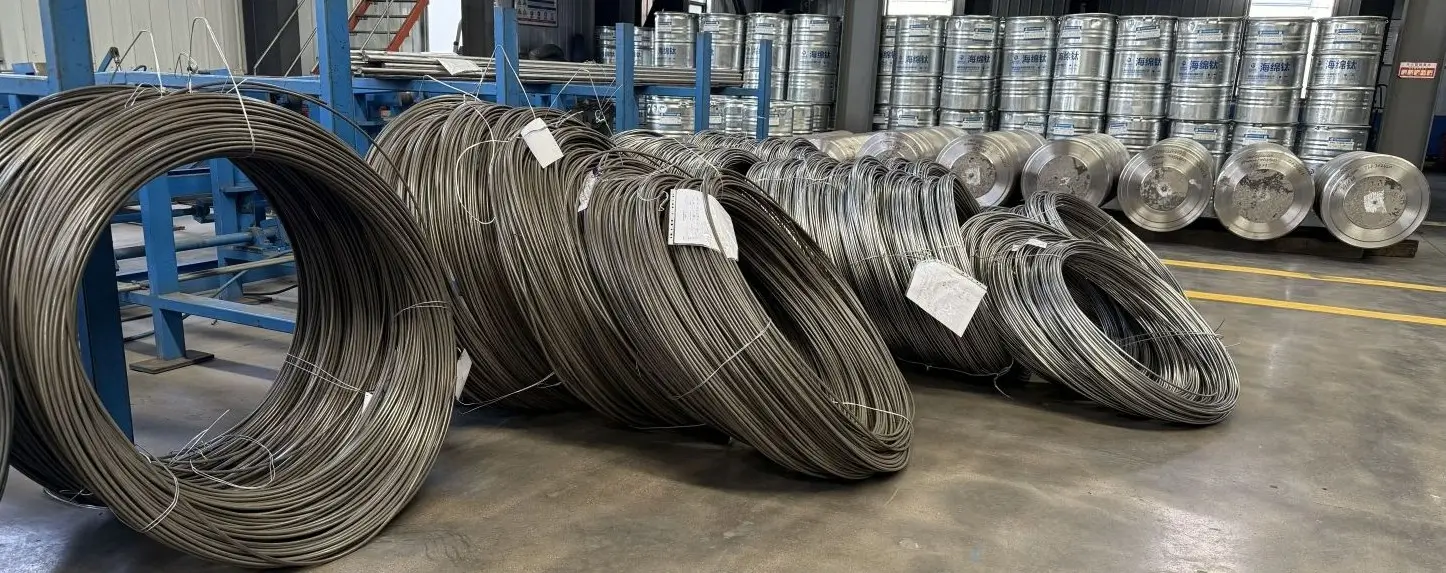
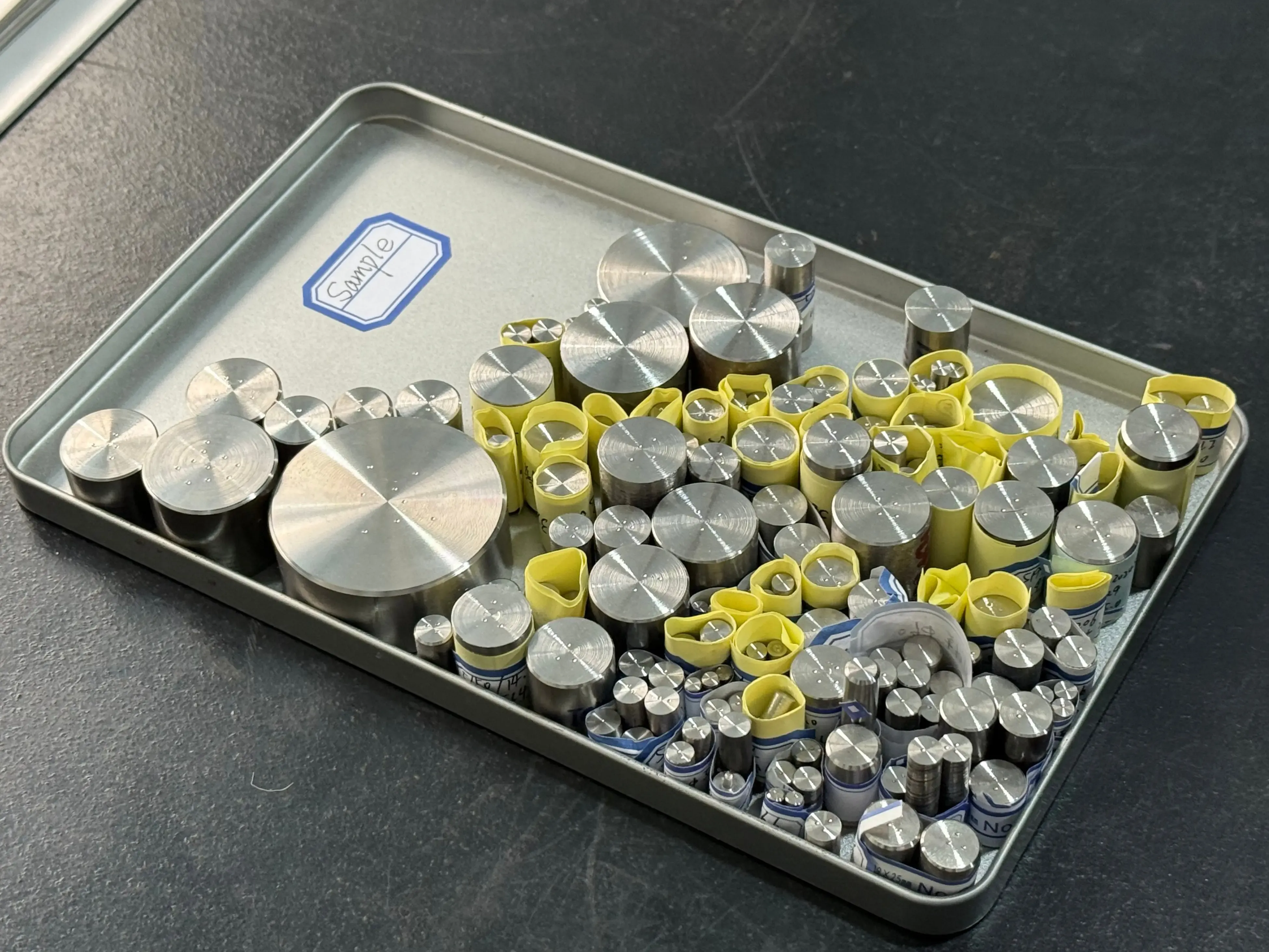
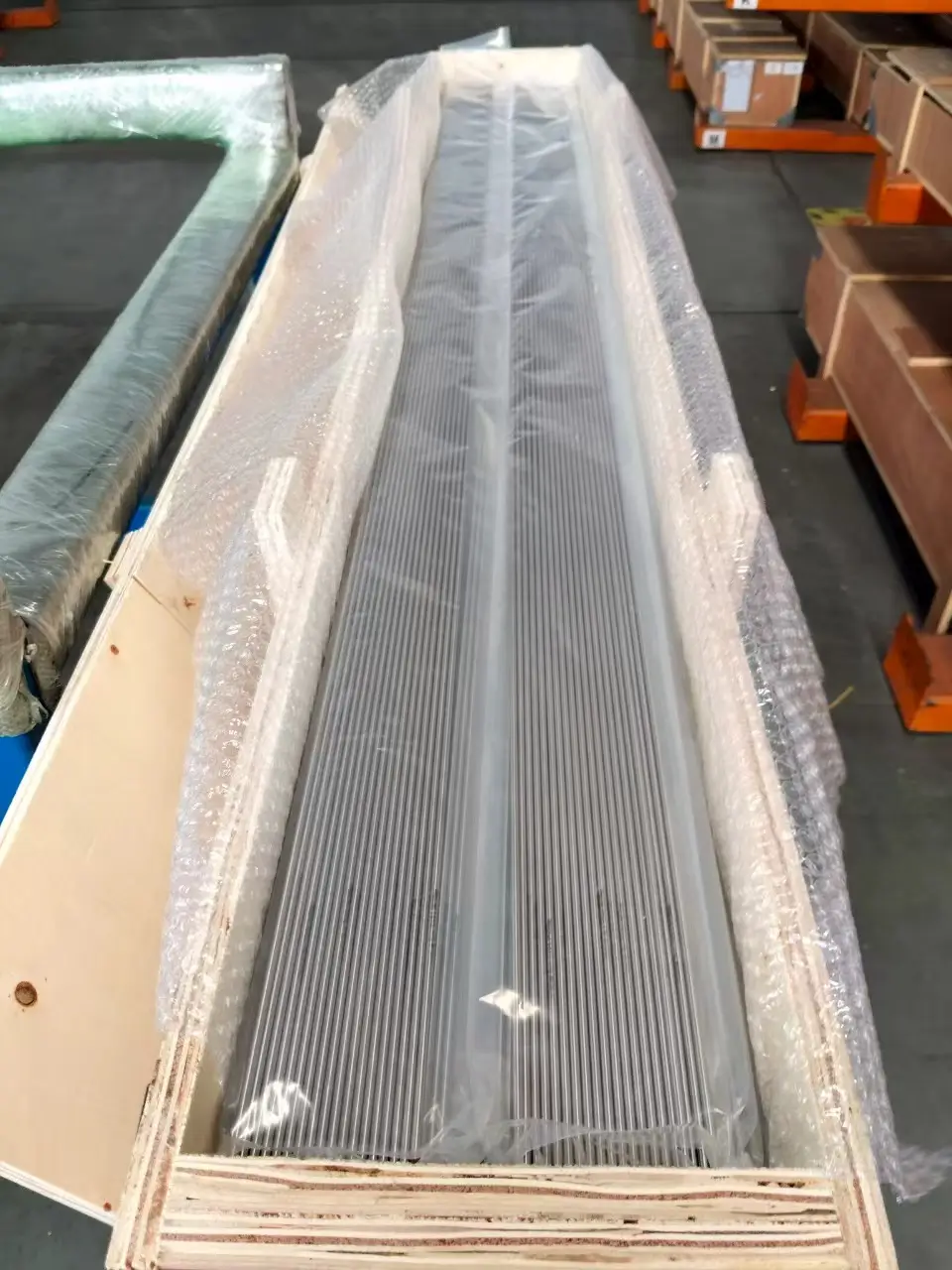
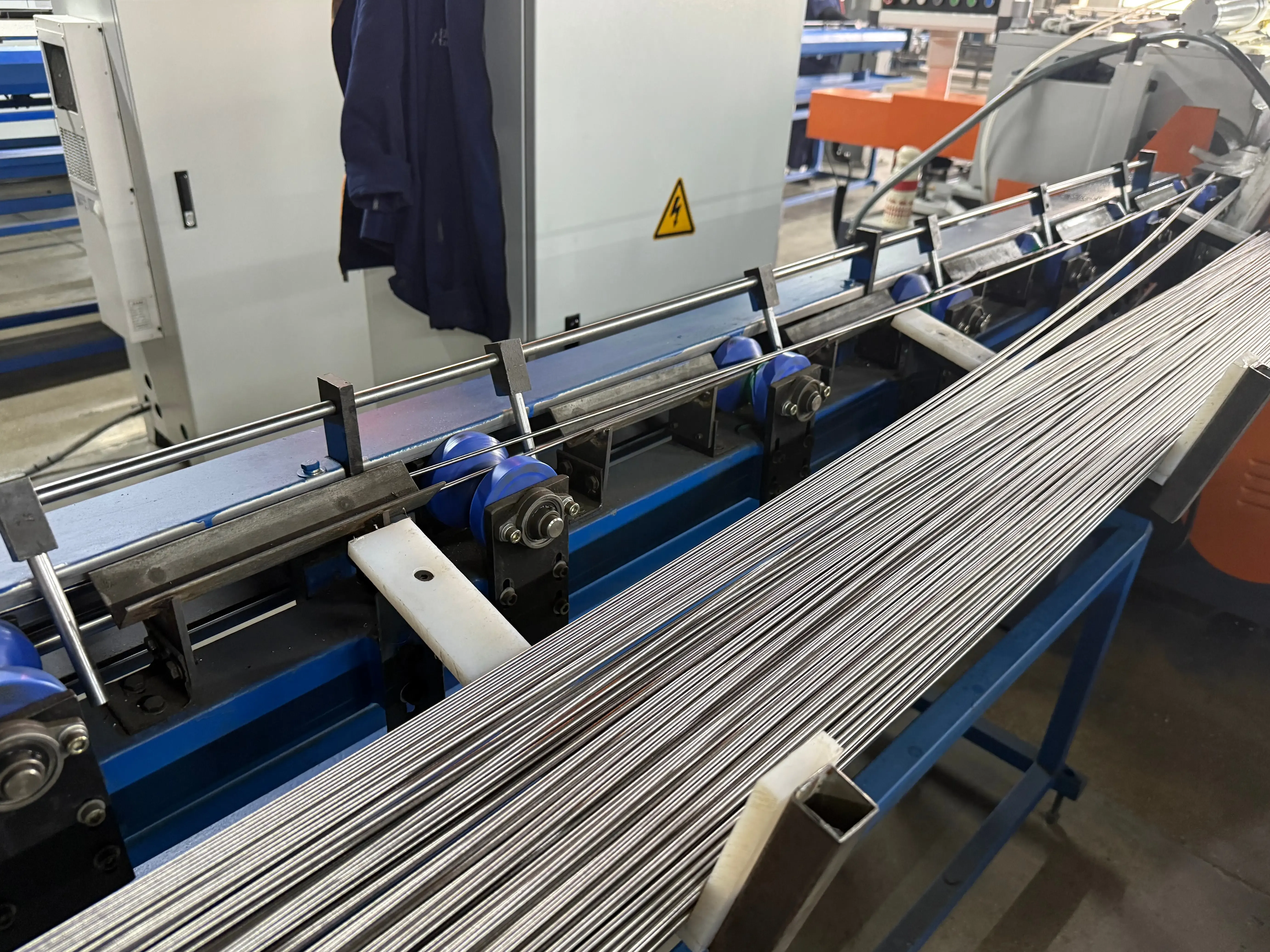
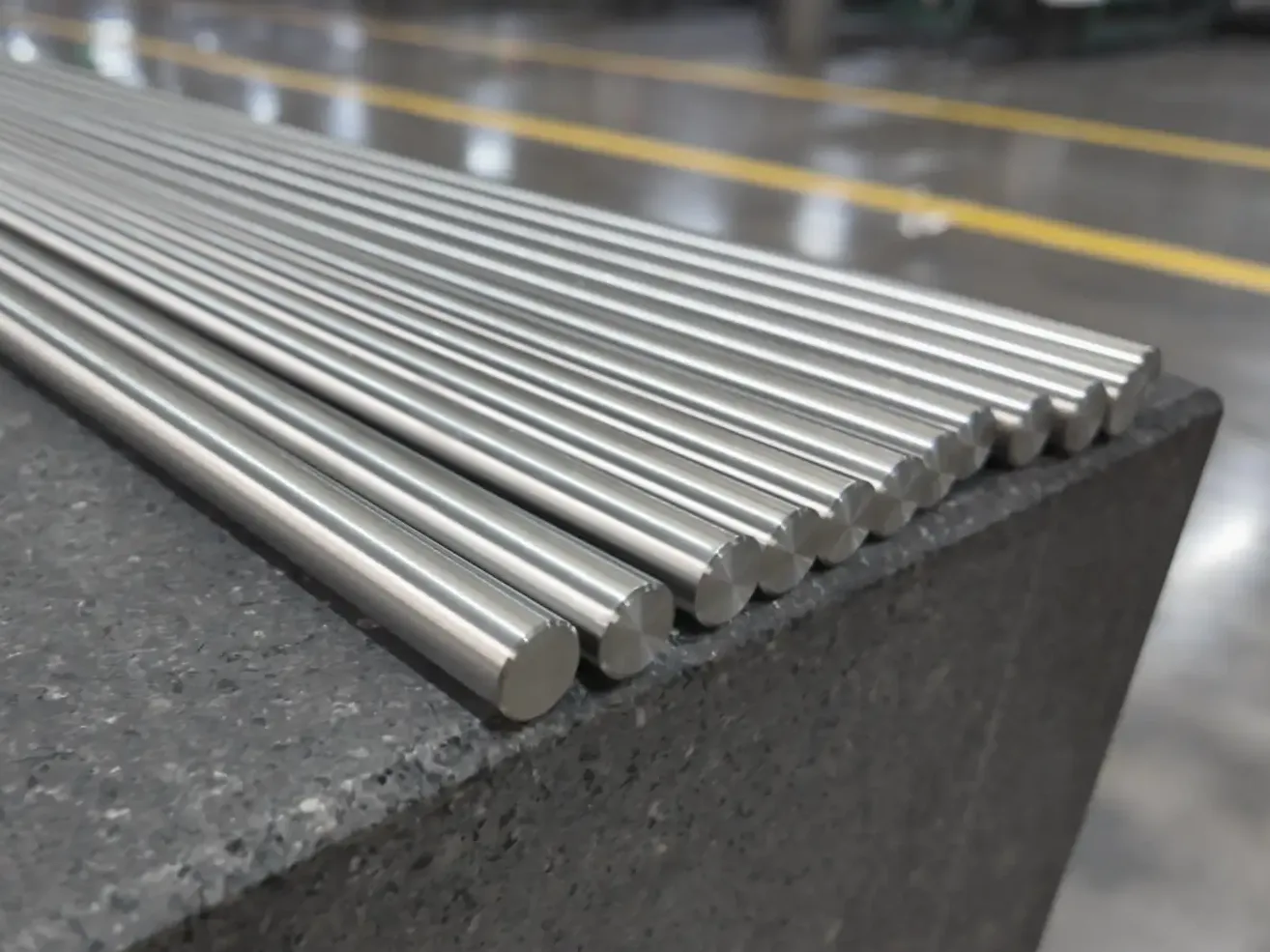
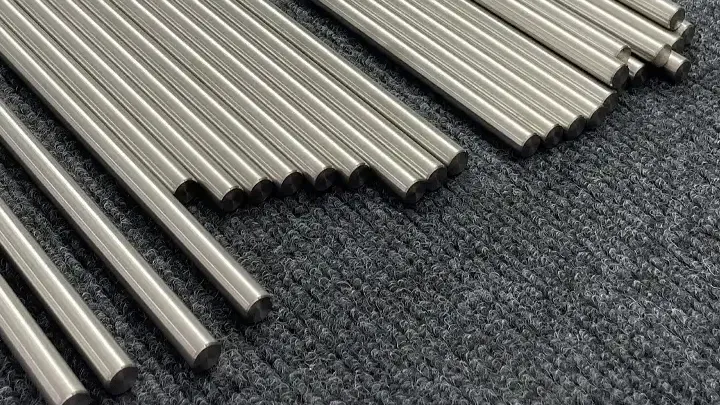
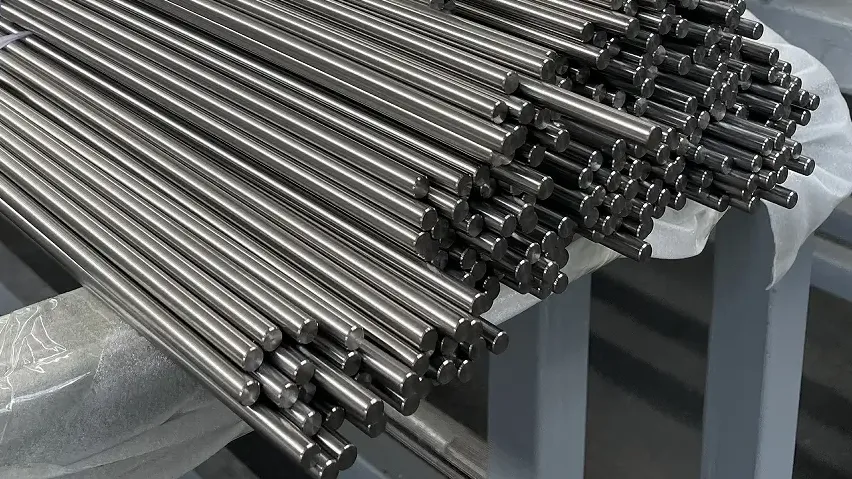
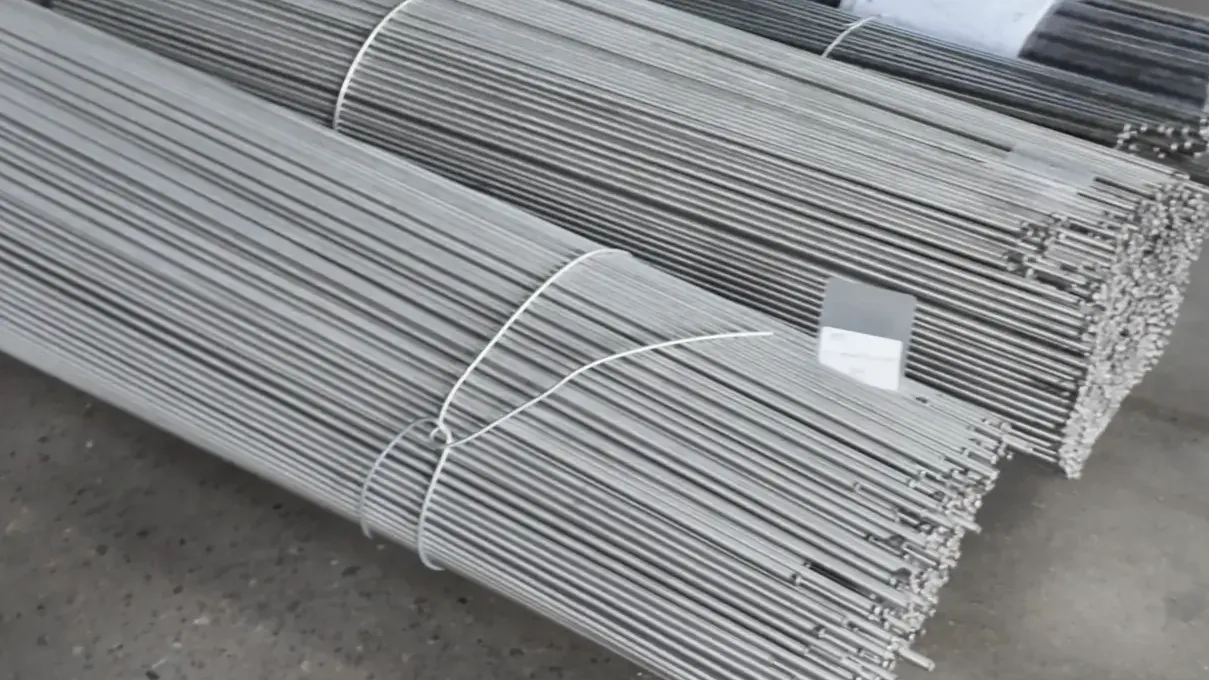
Sunxin can supply Custom 455 stainless steel bars, wire, tubes and custom cut lengths according to project requirements.
Bars are available in diameters ranging from Φ1.0 mm to Φ200.0 mm, with surface finishes of polished or precision polished, and tolerance options of h6–h9. Wire is available in diameters ranging from Φ1.0 mm to Φ3.0 mm. Tubes are available with outer diameters (OD) of 1.0–10.0 mm and inner diameters (ID) of 0.08–2.0 mm.
Materials are typically supplied in a solution-annealed condition to facilitate machining, sizing, grinding or other pre-treatment by the customer, followed by ageing treatment in accordance with final requirements.
Sunxin is certified to the ISO 13485 and ISO 9001 quality management systems and can support material supply, batch management, traceability control, inspection coordination and quality documentation management for medical devices, aerospace components, mechanical engineering parts and industrial applications.
It is recommended to confirm the required ageing condition, target hardness, dimensions, tolerances, surface finish, inspection items and quality documentation prior to production. This helps to mitigate risks associated with unsuitable hardness, dimensional mismatches or performance variations following heat treatment.
Whether a project requires aerospace hardware, surgical instrument components, guide pins, micro-shafts, drive tools, precision shaft components or high-strength industrial parts, Sunxin can assist customers in matching the appropriate material form and delivery condition to the end application.