
Introduction
If you manufacture dental implants, orthopedic implants, trauma systems, surgical instruments, or other medical devices, choosing the right titanium supplier is one of the most important purchasing decisions you will make.
Medical titanium is not just another industrial metal. It directly affects machining performance, implant safety, product consistency, regulatory compliance, and ultimately the reputation of your brand. A material that appears identical on paper can behave very differently during CNC machining, polishing, anodizing, or long-term implantation.
Many purchasing teams focus only on price. Experienced manufacturers know that the real cost of titanium includes much more than the raw material itself. Batch-to-batch consistency, traceability, delivery reliability, and documentation quality often have a greater impact on production efficiency than a small difference in material price.
Today, buyers have hundreds of titanium suppliers around the world. However, only a relatively small number specialize in medical-grade titanium and have the manufacturing systems required for high-end medical applications.
This guide goes beyond a simple company list. Instead of ranking suppliers only by size or revenue, we compare them based on factors that matter most to medical device manufacturers, including:
· Medical certifications and quality management
· Implant-grade titanium product range
· Traceability and documentation
· Manufacturing capabilities
· Global supply reliability
· OEM support
· Technical engineering assistance
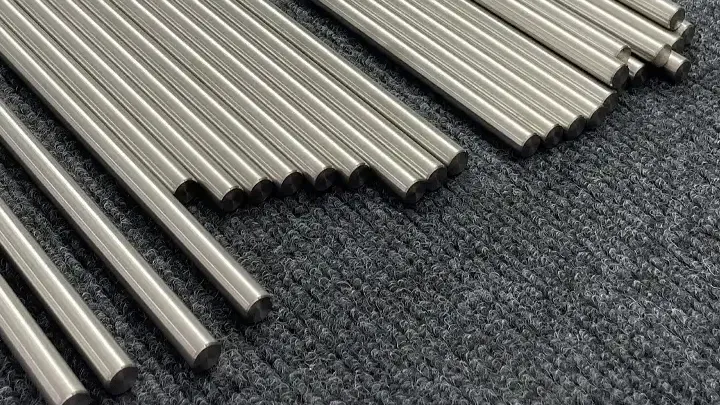
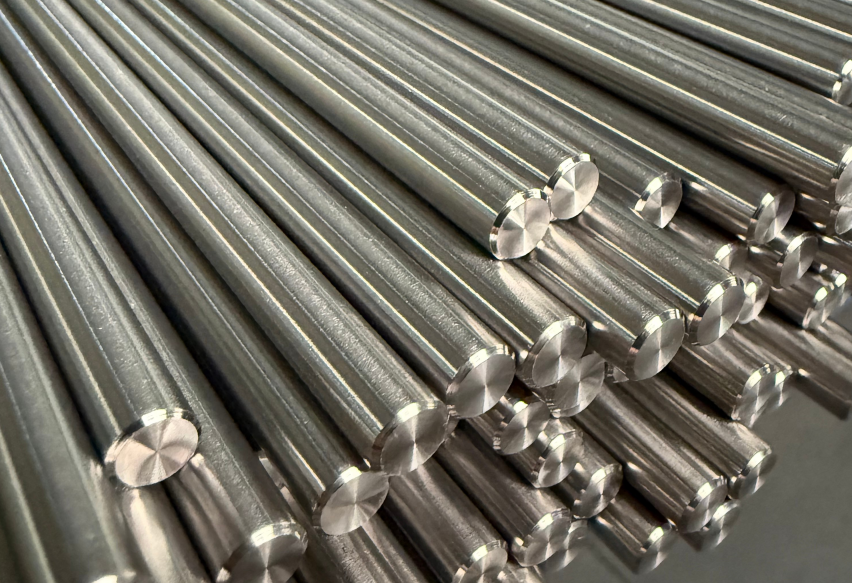
Whether you are sourcing ASTM F67 commercially pure titanium, ASTM F136 Ti-6Al-4V ELI, titanium bars, rods, plates, or custom-machined blanks, this guide will help you identify suppliers that best match your project requirements.
Why Medical Titanium Suppliers Are Different from Industrial Titanium Suppliers
One common misconception among new buyers is that all titanium suppliers offer the same quality. In reality, supplying titanium for aerospace and supplying titanium
for medical implants are two very different businesses.
Industrial titanium is typically selected for corrosion resistance, lightweight performance, or high strength. Medical titanium must satisfy much stricter requirements because the material will eventually come into direct contact with the human body.
Medical titanium suppliers are expected to control much more than the alloy composition. They also manage:
· Oxygen, nitrogen, hydrogen, and iron content
· Inclusion control
· Grain size consistency
· Surface condition
· Internal defects
· Mechanical properties
· Batch traceability
· Documentation for regulatory audits
For example, ASTM F136 requires significantly tighter chemical composition control than many industrial titanium standards. Even small variations in oxygen content may influence fatigue performance and machinability.
In addition, medical manufacturers usually require complete material documentation, including:
· Mill Test Certificate (MTC)
· Chemical composition report
· Mechanical testing report
· Heat number traceability
· Ultrasonic inspection report
· Surface inspection records
· Compliance with ISO 5832 standards where applicable
Without these documents, medical device manufacturers may encounter difficulties during FDA, MDR, or ISO 13485 audits.
This is why many orthopedic and dental implant manufacturers prefer to establish long-term partnerships with specialized medical titanium suppliers rather than purchasing from general metal distributors.

What Makes a Great Medical Titanium Supplier?
Choosing a supplier should involve more than comparing quotations. The most reliable partners consistently deliver materials that help reduce manufacturing risks over the long term.
Below are the key criteria professional procurement teams typically evaluate.
1. Medical-Grade Material Portfolio
A qualified supplier should offer the materials most commonly used in implant manufacturing, including:
Material | Typical Applications |
ASTM F67 Grade 1 | Surgical instruments |
ASTM F67 Grade 2 | Medical devices |
ASTM F67 Grade 3 | Trauma products |
ASTM F67 Grade 4 | Dental implants |
ASTM F136 Grade 23 | Orthopedic and dental implants |
Ti-6Al-4V Grade 5 | Medical instruments and devices |
A wider product range often means easier supplier consolidation and simplified purchasing.
2. Stable Manufacturing Quality
Medical manufacturers value consistency even more than the highest possible mechanical strength.
Consistent titanium helps achieve:
· Better CNC machining performance
· Longer tool life
· Stable anodizing colors
· Improved polishing efficiency
· Reduced rejection rates
· Predictable mechanical properties
Reliable suppliers invest heavily in melting technology, forging, rolling, straightening, precision grinding, and quality inspection to ensure every batch performs similarly.
3. Complete Traceability
Medical regulations increasingly require full material traceability.
Each titanium bar should be traceable from finished product back to:
· Raw sponge titanium
· Melting batch
· Forging process
· Heat treatment
· Inspection records
· Shipping documentation
This level of traceability simplifies customer audits and supports regulatory compliance.
4. Engineering Support
Leading suppliers do more than ship materials. They help customers solve technical challenges.
Typical engineering support may include:
· Material selection recommendations
· Machining advice
· Surface finish suggestions
· Custom dimensions
· Inventory planning
· Packaging optimization for international shipping
For OEM manufacturers developing new implant systems, responsive engineering support can significantly shorten product development timelines.
5. Flexible Production Capacity
Medical manufacturers often need both prototype quantities and high-volume production.
An ideal supplier should be able to provide:
· Small trial orders
· Customized dimensions
· Precision ground bars
· Large production batches
· Fast lead times
· Consistent availability
This flexibility allows customers to move from R&D to mass production without changing suppliers.
How We Selected the Top 12 Medical Titanium Suppliers
Rather than ranking companies solely by annual revenue or production volume, we evaluated each supplier using criteria that are directly relevant to medical device manufacturers.
Our assessment considered the following factors:
· Specialization in medical-grade titanium materials
· Experience supplying the dental and orthopedic industries
· Compliance with internationally recognized standards
· Product range, including bars, rods, plates, sheets, wires, and custom forms
· Manufacturing capability and quality control
· Global export experience
· Technical support and OEM service
· Reputation among medical device manufacturers
It's worth noting that the "best" supplier depends on your specific application. A company specializing in aerospace titanium may not be the best choice for implant-grade materials, while a supplier focused on medical applications can often provide better traceability, documentation, and technical support.
In the following section, we'll introduce the Top 12 Medical Titanium Suppliers in the World, starting with one of China's leading medical titanium manufacturers.
Top 12 Medical Titanium Suppliers in the World
The companies below are recognized for their experience in producing titanium materials for medical and high-performance applications. Instead of ranking them purely by company size, this list considers factors such as medical-grade product availability, quality consistency, traceability, export capability, technical support, and experience serving the medical device industry.
1. Carpenter Technology (USA)

Carpenter Technology has long been recognized as one of the world's leading producers of specialty alloys for demanding industries, including medical, aerospace, defense, and energy.
Its medical titanium products are widely used by orthopedic implant manufacturers and companies producing spinal fixation systems, trauma implants, and surgical instruments.
One of Carpenter's biggest strengths is metallurgy. The company has decades of experience developing high-performance alloys with exceptional consistency and fatigue resistance.
Customers typically value Carpenter for:
· Premium material consistency
· Strong global technical support
· Advanced melting technologies
· Excellent documentation
· Long-term supply stability
Because of its reputation and quality standards, Carpenter materials are frequently specified by multinational medical device companies.
Best suited for:
· Global implant manufacturers
· Premium medical device brands
· High-volume orthopedic production
2. ATI Specialty Materials (USA)

ATI is another globally respected producer of specialty titanium alloys and advanced engineered materials.
Its titanium products are widely used in aerospace, but ATI also supplies materials for demanding medical applications where high strength, corrosion resistance, and fatigue performance are essential.
The company produces several implant-grade titanium alloys and has extensive experience serving regulated industries.
ATI's advantages include:
· Large-scale production capacity
· Advanced vacuum melting technologies
· High-quality metallurgical control
· Reliable global distribution
· Strong research and development capabilities
For customers requiring consistent supply over many years, ATI remains one of the industry's most trusted suppliers.
Best suited for:
· Orthopedic implant manufacturers
· Trauma fixation systems
· Long-term medical supply contracts
3. SUNXIN (China)

A Trusted Medical Titanium Supplier for Dental, Orthopedic, and Precision Medical Manufacturing
While many titanium producers primarily focus on aerospace or industrial markets, SUNXIN has built its reputation by serving manufacturers in the medical industry. Its core business is supplying high-quality titanium and specialty metal materials for dental implants, orthopedic implants, surgical instruments, and other precision medical applications.
This specialized focus gives SUNXIN a clear understanding of what medical manufacturers expect from a material supplier. Instead of simply delivering titanium bars or plates, the company works to provide materials that support stable machining, regulatory compliance, and long-term production consistency.
One of SUNXIN's key strengths is its broad portfolio of implant-grade titanium materials, including:
· ASTM F67 Grade 1 Commercially Pure Titanium
· ASTM F67 Grade 2 Commercially Pure Titanium
· ASTM F67 Grade 3 Commercially Pure Titanium
· ASTM F67 Grade 4 Commercially Pure Titanium
· ASTM F136 Ti-6Al-4V ELI (Grade 23)
· Ti-6Al-4V Grade 5
These materials are available in multiple forms, including:
· Round bars
· Precision ground bars
· Forged bars
· Plates
· Sheets
· Discs
· Tubes
· Custom-cut blanks
For many OEM manufacturers, standard stock sizes are not always the most economical option. SUNXIN supports customized dimensions, helping customers reduce machining waste, improve material utilization, and shorten production cycles.
Quality Designed for Medical Manufacturing
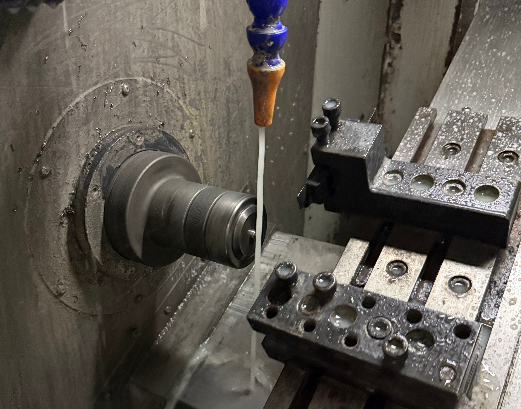
Medical-grade titanium requires much tighter process control than conventional industrial titanium. A small variation in chemical composition or internal structure may influence machining performance, fatigue resistance, or surface treatment results.
SUNXIN follows strict quality management throughout production, from raw material sourcing to final inspection. Every batch is carefully monitored to maintain consistency in:
· Chemical composition
· Mechanical properties
· Straightness
· Diameter tolerance
· Surface finish
· Microstructure
· Batch traceability
This consistency helps manufacturers achieve more predictable machining results and reduces unexpected production issues.
Complete Documentation for Regulated Industries
Medical device manufacturers are often required to provide detailed material records during customer audits or regulatory inspections. To support these requirements, SUNXIN supplies comprehensive documentation with each qualified order, including:
· Mill Test Certificate (MTC)
· Chemical analysis report
· Mechanical testing report
· Heat number identification
· Dimensional inspection records
· Material traceability documentation
This documentation simplifies supplier qualification and helps customers maintain compliance with quality systems such as ISO 13485.
Flexible Manufacturing for OEM Projects
Many medical companies begin with prototype quantities before moving into full-scale production. SUNXIN is experienced in supporting projects through different stages of development.
Whether customers require a small trial order or regular production volumes, the company offers flexible manufacturing and responsive communication to help keep projects on schedule.
Its engineering team also works closely with customers to recommend suitable material grades based on application requirements rather than simply selling the most expensive alloy.
International Export Experience
SUNXIN supplies medical titanium materials to customers across Europe, North America, South America, Southeast Asia, and the Middle East.
Years of export experience have enabled the company to develop efficient processes for:
· International packaging
· Export documentation
· Material certification
· Shipping coordination
· Customer communication
For overseas buyers, this reduces administrative work and helps avoid delays caused by incomplete documentation.
Why Many Buyers Consider SUNXIN
Purchasing managers often compare suppliers based on price alone. However, the overall cost of ownership includes much more than the initial material quotation.
Reliable delivery schedules, stable material quality, responsive technical support, and consistent documentation can significantly reduce manufacturing interruptions and quality risks.
For companies seeking a supplier with experience in the medical sector rather than general industrial titanium, SUNXIN offers a balanced combination of quality, flexibility, and customer support.
Best suited for:
· Dental implant manufacturers
· Orthopedic implant companies
· Medical device OEMs
· Precision machining companies
· Surgical instrument manufacturers
4. Kobe Steel (Japan)

Kobe Steel is one of Japan's best-known producers of advanced metallic materials and has earned a strong reputation for manufacturing precision titanium products.
Although the company serves a wide range of industries, including aerospace and automotive, its titanium materials are also widely used in medical applications where dimensional accuracy and process stability are critical.
Japanese manufacturing standards emphasize precision, repeatability, and continuous improvement. These characteristics are reflected in Kobe Steel's titanium products, which are known for excellent surface quality and consistent mechanical performance.
Key strengths include:
· High dimensional precision
· Stable metallurgical quality
· Excellent machining consistency
· Advanced quality management
· Strong reputation in Asian markets
Kobe Steel is particularly attractive for manufacturers producing high-precision medical components where tight tolerances are essential.
Best suited for:
· Precision medical machining
· Dental component manufacturers
· Surgical instrument producers
5. Baoji Titanium Industry (China)

Located in Baoji—often referred to as the "Titanium Valley of China"—Baoji Titanium Industry is one of the country's largest and most established titanium producers.
The company manufactures a wide range of titanium mill products for aerospace, chemical processing, marine engineering, and medical applications. Its scale and vertically integrated production capabilities enable it to supply large quantities of titanium materials to customers worldwide.
For medical buyers, Baoji Titanium Industry offers several implant-grade titanium products that comply with international standards. The company benefits from decades of experience in titanium melting, forging, rolling, and finishing.
Its main advantages include:
· Large production capacity
· Comprehensive product range
· Strong domestic supply chain
· Competitive pricing
· Extensive export experience
Because of its broad industrial focus, Baoji Titanium Industry is often selected for projects requiring both standard titanium products and high-volume orders.
Best suited for:
· Large medical manufacturing projects
· Industrial and medical mixed procurement
· Customers requiring high-volume supply
6. Toho Titanium (Japan)
Toho Titanium is another highly respected Japanese producer specializing in high-purity titanium and advanced titanium materials.
The company has extensive expertise in titanium sponge production, which serves as the foundation for manufacturing premium titanium products.
Its medical-grade materials are valued for their cleanliness, uniformity, and consistent quality.
Key strengths include:
· High-purity titanium production
· Excellent metallurgical control
· Stable product quality
· Strong research capabilities
· Reliable long-term supply
Manufacturers seeking premium titanium with exceptional consistency often consider Toho Titanium among their preferred suppliers.
Best suited for:
· High-end implant manufacturing
· Premium medical products
· Long-term strategic sourcing
7. Western Superconducting Technologies (China)

Western Superconducting Technologies (often referred to as WST) has become one of China's leading producers of high-performance titanium alloys. Although the company is widely recognized for supplying aerospace-grade materials, it has also expanded its capabilities to serve customers requiring premium titanium for medical and precision engineering applications.
One of WST's biggest advantages is its investment in advanced melting technologies, including vacuum melting processes that help improve material cleanliness and consistency. These manufacturing capabilities make its titanium products suitable for applications where mechanical reliability is essential.
The company offers a broad range of titanium mill products, including:
· Titanium bars
· Forged billets
· Plates
· Sheets
· Wire
· Custom titanium products
Its strong research and development capabilities also allow it to support customers working on specialized titanium alloy projects.
Key strengths
· Advanced melting technology
· Strong R&D capability
· High-performance titanium alloys
· Growing international presence
· Stable manufacturing quality
Best suited for
· High-performance medical devices
· Research institutions
· Manufacturers requiring specialty titanium alloys
8. TIMET (USA)
TIMET (Titanium Metals Corporation) is one of the most recognized names in the global titanium industry. With decades of manufacturing experience, the company has supplied titanium materials to aerospace, defense, industrial, and medical markets around the world.
Its medical-grade titanium products are known for their excellent fatigue strength, corrosion resistance, and manufacturing consistency. Many orthopedic and surgical device manufacturers have relied on TIMET materials for long-term production programs.
Another advantage is the company's vertically integrated production system, which allows greater control over raw materials, melting, forging, rolling, and finishing processes.
TIMET's product portfolio includes:
· Commercially Pure Titanium
· Ti-6Al-4V
· Ti-6Al-4V ELI
· Titanium bars
· Plates
· Billets
· Forgings
Key strengths
· Decades of titanium expertise
· Global reputation
· Stable product quality
· Comprehensive product portfolio
· Strong technical support
Best suited for
· Orthopedic implant companies
· Long-term OEM programs
· Premium medical manufacturers
9. VSMPO-AVISMA (Russia)

VSMPO-AVISMA is one of the world's largest titanium producers and is well known for its vertically integrated manufacturing system.
The company controls much of the production chain, beginning with titanium sponge processing and continuing through melting, forging, rolling, machining, and inspection. This integrated approach allows consistent quality control across different production stages.
Although VSMPO-AVISMA primarily serves the aerospace industry, it also manufactures titanium materials that can be used in medical applications.
Its strengths include:
· Large-scale production capacity
· Comprehensive manufacturing facilities
· Wide alloy selection
· Strong metallurgical expertise
· International experience
For buyers considering this supplier, it is important to evaluate regional trade policies, logistics, and supply chain stability alongside product quality.
Best suited for
· Large-volume procurement
· Customers requiring integrated titanium production
· Industrial and medical titanium sourcing
10. Nippon Steel (Titanium Division, Japan)

Nippon Steel is one of Japan's largest steel producers and has extensive experience manufacturing advanced metallic materials, including titanium products for demanding industries.
Its titanium division emphasizes consistent quality, precise dimensional control, and strict quality assurance throughout production.
Medical manufacturers appreciate Nippon Steel's reliable material performance, particularly when producing precision components that require stable machining behavior.
Key strengths
· Strong quality management
· Excellent dimensional accuracy
· Reliable production consistency
· Advanced manufacturing technologies
· Global industrial reputation
Best suited for
· Precision medical components
· Medical equipment manufacturers
· High-quality machining applications
11. Smiths Metal Centres (United Kingdom)

Unlike primary titanium producers, Smiths Metal Centres specializes in stocking and distributing engineering metals, including medical-grade titanium products.
Its value lies in inventory availability and responsive customer service rather than primary titanium production.
For customers needing smaller quantities, prototype materials, or fast delivery, Smiths Metal Centres can be an efficient sourcing partner.
The company supplies:
· Titanium bars
· Plates
· Sheets
· Tubes
· Aerospace and medical alloys
Its established distribution network helps reduce lead times for many European customers.
Key strengths
· Large inventory
· Fast delivery
· Flexible order quantities
· Technical customer support
· Strong European logistics
Best suited for
· Prototype production
· Small and medium-sized manufacturers
· Customers needing quick delivery
12. Titanium Industries (T.I.) (USA)

Titanium Industries, commonly known as T.I., is one of the world's largest titanium distributors. Rather than manufacturing titanium itself, the company maintains an extensive global inventory sourced from qualified producers.
For medical manufacturers, Titanium Industries offers convenient access to a wide variety of titanium grades and product forms, making it particularly useful for companies that value inventory availability and supply flexibility.
Its worldwide distribution network enables fast deliveries across many regions, reducing procurement lead times.
Key strengths
· Extensive inventory
· Global distribution network
· Wide product selection
· Fast order fulfillment
· Strong logistics capability
Best suited for
· Companies requiring multiple titanium grades
· International procurement
· Customers prioritizing inventory availability
Complete Comparison of the Top 12 Medical Titanium Suppliers
Rank | Supplier | Country | Medical-Grade Titanium | Custom Sizes | Global Export | OEM Support | Best For |
1 | Carpenter Technology | USA | ★★★★★ | Yes | Excellent | Excellent | Premium implant manufacturers |
2 | ATI Specialty Materials | USA | ★★★★★ | Yes | Excellent | Excellent | Orthopedic OEMs |
3 | China | ★★★★★ | Excellent | Excellent | Excellent | Dental & orthopedic manufacturers | |
4 | Kobe Steel | Japan | ★★★★☆ | Yes | Excellent | Good | Precision medical parts |
5 | Baoji Titanium Industry | China | ★★★★☆ | Yes | Excellent | Good | Large-volume supply |
6 | Toho Titanium | Japan | ★★★★☆ | Limited | Excellent | Good | High-purity titanium |
7 | Western Superconducting Technologies | China | ★★★★☆ | Yes | Good | Good | Specialty titanium alloys |
8 | TIMET | USA | ★★★★★ | Yes | Excellent | Excellent | Global medical OEMs |
9 | VSMPO-AVISMA | Russia | ★★★★☆ | Yes | Good | Good | Integrated titanium production |
10 | Nippon Steel | Japan | ★★★★☆ | Limited | Excellent | Good | Precision machining |
11 | Smiths Metal Centres | UK | ★★★☆☆ | Limited | Good | Fair | Small-batch purchasing |
12 | Titanium Industries (T.I.) | USA | ★★★☆☆ | Limited | Excellent | Fair | Inventory-based sourcing |
Choosing the Right Medical Titanium Supplier: Five Questions Every Buyer Should Ask
Selecting a supplier should involve more than comparing quotations or lead times. A lower purchase price may not result in a lower total production cost if material inconsistency leads to machining issues, higher scrap rates, or regulatory delays.
Before placing an order, consider asking these five questions.
1. Does the Supplier Specialize in Medical Titanium?
Many companies sell titanium, but relatively few specialize in medical-grade materials. A supplier with experience serving dental, orthopedic, and surgical device manufacturers is more likely to understand industry standards, documentation requirements, and traceability expectations.
2. Can They Provide Complete Material Traceability?
A qualified supplier should be able to trace every shipment back to its production batch. This is especially important for manufacturers operating under ISO 13485 or supplying regulated markets.
Typical documentation should include:
· Mill Test Certificate (MTC)
· Chemical composition report
· Mechanical property report
· Heat number identification
· Inspection records
3. Do They Support Custom Manufacturing?
Standard stock sizes are not always suitable for medical manufacturing. Suppliers capable of producing custom diameters, lengths, or finished dimensions can help reduce machining waste and improve production efficiency.
4. How Stable Is Their Supply Chain?
A supplier's ability to deliver consistently is just as important as the quality of its materials. Ask about production capacity, inventory planning, and export experience, particularly if your business relies on long-term manufacturing schedules.
5. Can They Grow With Your Business?
Many successful partnerships begin with prototype orders and expand into long-term production programs. Choosing a supplier with flexible manufacturing capacity and responsive technical support can simplify future growth and reduce the need to qualify additional vendors.
Common Mistakes When Sourcing Medical Titanium
Purchasing medical titanium is very different from buying standard industrial metals. Even experienced procurement teams can overlook details that later affect production efficiency, regulatory compliance, or product quality.
Below are some of the most common mistakes—and how to avoid them.
1. Choosing a Supplier Based Only on Price
A lower quotation may seem attractive at first, but material cost is only one part of the total manufacturing expense.
If titanium has inconsistent hardness, poor straightness, or unstable chemical composition, manufacturers may experience:
· Higher machining costs
· Increased tool wear
· Lower production efficiency
· More rejected parts
· Additional quality inspections
· Production delays
For medical device manufacturers, reliable quality often provides greater long-term value than the lowest initial purchase price.
2. Ignoring Material Traceability
Medical regulations continue to become stricter around the world. Without complete traceability, manufacturers may encounter problems during customer audits or regulatory inspections.
Before placing an order, verify that the supplier can provide:
· Mill Test Certificate (MTC)
· Heat number identification
· Chemical analysis report
· Mechanical testing report
· Inspection records
· Batch traceability
A supplier with a well-established documentation system can save considerable time during qualification and regulatory reviews.
3. Assuming All ASTM F136 Titanium Is the Same
Many buyers assume that if two suppliers both offer ASTM F136 titanium, the materials will perform identically. In practice, significant differences can exist.
Factors such as melting technology, forging methods, heat treatment, finishing processes, and quality control all influence the final material.
These differences may affect:
· Machining performance
· Surface finish quality
· Fatigue resistance
· Anodizing consistency
· Dimensional stability
Requesting sample materials before committing to a long-term supply agreement is often a practical way to compare suppliers.
4. Overlooking Technical Support
A supplier should be more than a source of raw material.
Experienced suppliers can often recommend:
· The most suitable titanium grade
· Appropriate dimensions
· Manufacturing methods
· Packaging solutions
· Inventory planning
· Material optimization strategies
This technical guidance can reduce both production costs and project risks.
5. Selecting a Supplier That Cannot Scale
Many medical projects begin with prototype quantities but eventually require stable mass production.
Changing suppliers after product validation may require new material verification, additional documentation, and production adjustments.
Whenever possible, choose a supplier that can support both prototype development and future volume production.
Future Trends in the Medical Titanium Industry
The global medical device market continues to grow, driven by aging populations, advances in implant technology, and increasing demand for minimally invasive treatments. As a result, expectations for titanium suppliers are also changing.
Understanding these trends can help buyers build a more resilient supply chain.
Growing Demand for Implant-Grade Titanium
Dental implants and orthopedic procedures continue to increase worldwide. This is creating stronger demand for high-quality titanium grades such as ASTM F67 Grade 4 and ASTM F136 Grade 23.
Suppliers with dedicated medical production lines and stable quality systems are expected to benefit the most from this trend.
Greater Focus on Supply Chain Diversification
In recent years, many manufacturers have reduced their dependence on a single supplier or a single country. Instead, procurement teams are building multi-source strategies to improve supply chain resilience.
For this reason, companies often qualify suppliers from different regions, balancing global brands with specialized manufacturers that offer greater flexibility and shorter lead times.
Higher Expectations for Documentation
Medical device regulations continue to evolve. Buyers increasingly expect suppliers to provide complete and well-organized documentation with every shipment.
Digital traceability, electronic certificates, and standardized quality records are becoming common requirements rather than optional services.
More Customized Material Solutions
Medical devices are becoming more specialized, and standardized material sizes are not always sufficient.
Manufacturers increasingly request:
· Precision-ground bars
· Custom diameters
· Near-net-size blanks
· Small production batches
· Rapid prototype materials
Suppliers capable of supporting customized production are likely to become preferred long-term partners.
Sustainability Is Becoming a Purchasing Factor
Although quality and reliability remain the primary priorities, many global medical companies now evaluate suppliers based on environmental performance as well.
Manufacturers that invest in energy-efficient production, responsible sourcing, and sustainable quality systems may gain a competitive advantage in future supplier evaluations.
Frequently Asked Questions
1. What is the best titanium grade for medical implants?
The answer depends on the application. ASTM F67 Grade 4 commercially pure titanium is widely used for dental implants because of its excellent biocompatibility and corrosion resistance. ASTM F136 Ti-6Al-4V ELI is commonly selected for orthopedic implants and applications requiring higher mechanical strength.
2. What standards should medical titanium comply with?
Medical titanium is commonly manufactured according to internationally recognized standards such as ASTM F67, ASTM F136, and ISO 5832. These standards define requirements for chemical composition, mechanical properties, and material quality to ensure suitability for medical applications.
3. What documents should a medical titanium supplier provide?
A qualified supplier should normally provide:
· Mill Test Certificate (MTC)
· Chemical composition report
· Mechanical property report
· Heat number traceability
· Dimensional inspection report
· Additional quality documentation when requested
The exact documentation may vary depending on customer specifications and regulatory requirements.
4. What forms of medical titanium are available?
Medical titanium is available in many forms, including bars, rods, plates, sheets, tubes, discs, wire, forgings, billets, and custom-machined blanks. The appropriate form depends on the intended manufacturing process and final application.
5. Is titanium Grade 23 better than Grade 5 for medical applications?
Grade 23 (Ti-6Al-4V ELI) contains lower levels of oxygen and interstitial elements than standard Grade 5. This generally provides improved ductility and fracture toughness, making Grade 23 the preferred choice for many implant applications, while Grade 5 is more commonly used for medical instruments and non-implant components.
6. Why is traceability important for medical titanium?
Complete traceability allows manufacturers to identify the origin and production history of each material batch. This supports quality management, simplifies regulatory audits, and helps maintain product consistency throughout the manufacturing process.
7. Should I buy directly from a manufacturer or a distributor?
Both options have advantages. Manufacturers often provide greater customization, engineering support, and long-term production stability, while distributors may offer faster delivery for standard stock materials. The best choice depends on your purchasing volume, technical requirements, and project timeline.
8. Can medical titanium be customized?
Yes. Many suppliers offer custom diameters, lengths, tolerances, surface finishes, and cutting services. Custom materials can reduce machining time and improve material utilization, especially for high-volume production.
9. How do I evaluate a medical titanium supplier?
Consider factors such as product quality, certifications, traceability, manufacturing capability, export experience, technical support, customization options, and delivery reliability. A supplier that performs well across these areas is more likely to become a dependable long-term partner.
10. Which country produces the highest-quality medical titanium?
There is no single answer. The United States, Japan, China, and several European countries all have manufacturers capable of producing high-quality medical titanium. Rather than focusing only on the country of origin, buyers should evaluate each supplier's quality system, production capabilities, documentation, and experience serving the medical industry.
Conclusion
Choosing a medical titanium supplier is a strategic decision that can influence product quality, manufacturing efficiency, and long-term business success. While price is always an important consideration, experienced manufacturers understand that consistency, traceability, technical support, and reliable delivery often create far greater value over the lifetime of a project.
The suppliers featured in this guide each bring different strengths. Global industry leaders such as Carpenter Technology and ATI Specialty Materials are well known for their advanced metallurgy and decades of experience. Japanese manufacturers continue to set high standards for precision and manufacturing consistency, while several Chinese companies have become increasingly competitive in serving the global medical device market.
Among them, SUNXIN has established itself as one of China's leading suppliers dedicated to medical-grade titanium. By focusing on implant materials, customized manufacturing, complete documentation, and responsive customer support, the company has become a trusted partner for dental implant manufacturers, orthopedic device producers, and precision medical machining companies around the world.
Whether you are sourcing materials for prototype development or long-term production, selecting a supplier that understands the unique requirements of the medical industry can reduce risk, improve manufacturing efficiency, and support future growth.
If your project requires ASTM F67, ASTM F136, Grade 23 titanium, precision-ground bars, or custom titanium materials for medical applications, working with an experienced supplier that combines stable quality with flexible manufacturing can help ensure consistent results from the first order to full-scale production.
Related News
-
 Understanding China's Titanium Bar Industry and How to Evaluate the Right SupplierChina has become one of the world's largest producers and exporters of titanium materials. From aerospace and medical implants to chemical processing equipment and industrial machinery, Chinese titanium bars are now us