Additional Info
A Brief History of Ti Grade 1 Titanium
Ti Grade 1, also known as CP Titanium Grade 1, 3.7025 or UNS R50250, is a commercial pure titanium material.
Within the commercial pure titanium family, Ti Grade 1 is the grade with the lowest strength and the best ductility. It is not an alloyed titanium, nor is it a grade designed for high-strength load-bearing applications.
As titanium materials have gradually found their way into chemical, marine, industrial and medical applications, the market has required not only high-strength titanium alloys, but also a pure titanium material that is easier to form and weld, and offers stable corrosion resistance. The primary aim of Ti Grade 1 is to provide superior ductility and machinability within the commercial pure titanium system.
How was the Ti Grade 1 developed
The development of Ti Grade 1 stemmed from a practical need within the classification of commercial pure titanium grades: titanium materials must not only pursue higher strength but also retain superior ductility and formability.
The properties of commercial pure titanium are primarily influenced by the content of elements such as oxygen, iron, nitrogen, carbon and hydrogen, with oxygen content having a particularly significant impact on both strength and ductility. As oxygen content increases, strength typically rises, but ductility and formability decrease; impurity elements such as iron must also be kept within standard limits.
As capabilities in titanium refining and smelting control have improved, engineers are able to regulate these element contents more consistently. Commercially pure titanium is therefore classified into different grades to meet varying strength and processing requirements.
Grades 2, 3 and 4 offer higher strength and are suitable for components with more stringent strength requirements. However, in thin-sheet forming, deep drawing, bending, stretch forming and welding processes, excessive strength is not necessarily an advantage. If the material is too hard, it may actually increase the risk of cracking, springback and processing difficulties.
Ti Grade 1 is a low-strength, high-ductility grade of pure titanium developed to meet these requirements. Through the controlled use of lower levels of interstitial elements, it retains superior ductility, cold working properties and weldability, making the material more suitable for complex forming and thin-walled applications.
Early Applications of Ti Grade 1
Ti Grade 1 was initially used primarily for industrial components requiring corrosion resistance and good formability.
Common early applications included thin sheets for chemical processing equipment, heat exchanger components, corrosion-resistant liners, parts for electrolysis equipment, anode baskets, marine components and thin-walled welded structures.
These applications typically do not require high strength, but demand that the material remains stable in corrosive environments and can be bent, stamped, deep-drawn or welded.
Current Applications of Ti Grade 1
Ti Grade 1 is currently primarily used for titanium components requiring corrosion resistance, good ductility, cold workability and weldability.
Common applications include:
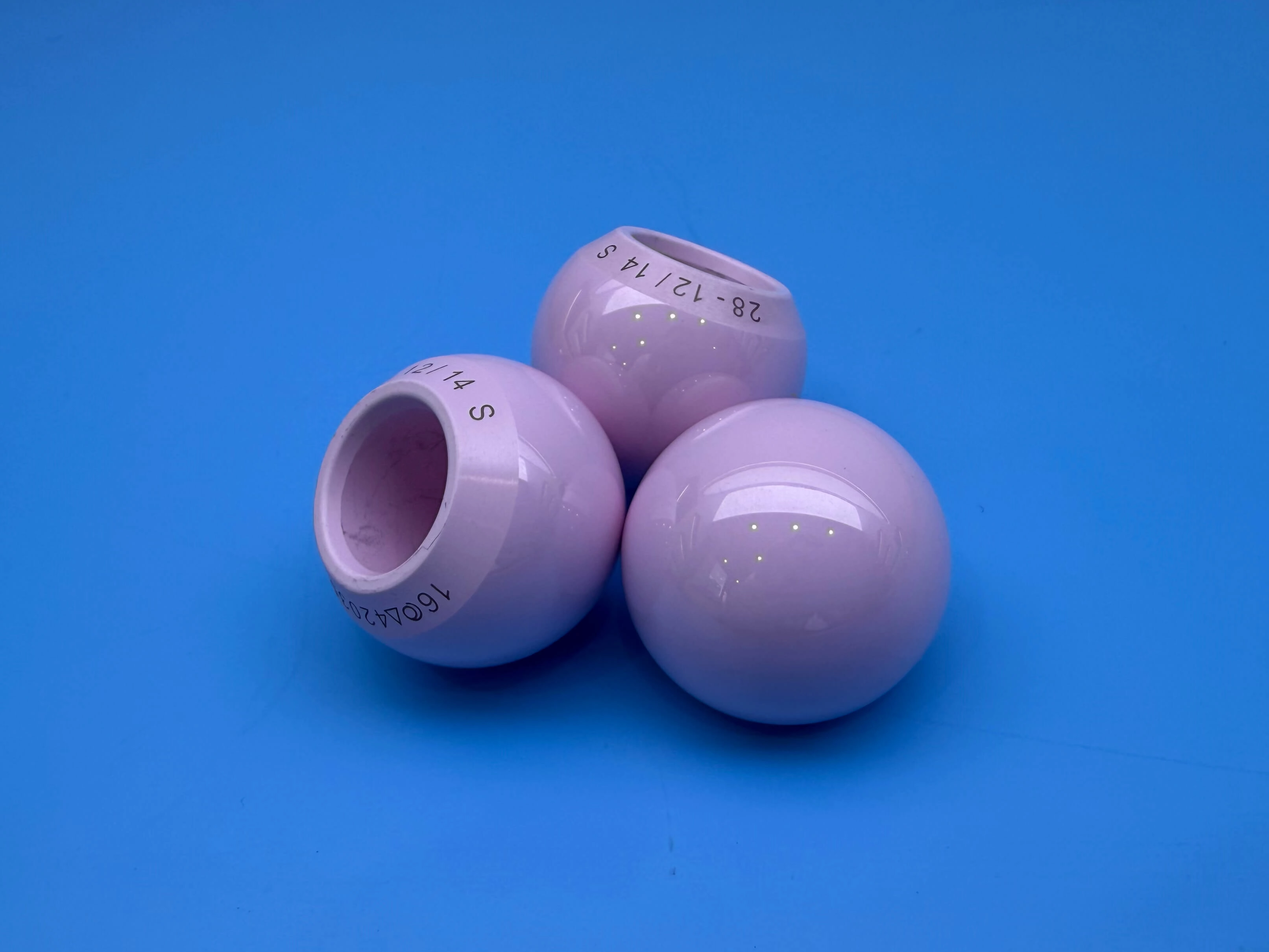
Medical applications: craniofacial repair plates, medical mesh plates, thin-sheet implants, dental membrane support components, medical device housings, and other medical titanium components with high formability requirements. Implant-related projects must be verified in accordance with ASTM F67, ISO 5832-2, drawing specifications, inspection documentation and the intended end use.
Aerospace applications: lightweight sheets, heat exchanger sheets, piping components, low-strength corrosion-resistant structural components and thin-walled titanium parts. Ti Grade 1 is not typically used as a high-strength load-bearing titanium alloy.
Industrial and chemical applications: Chemical heat exchangers, anode baskets, corrosion-resistant liners, electrolysis equipment components, marine environment components, corrosion-resistant vessel components and welded structural parts.
Mechanical engineering applications: Lightweight enclosures, corrosion-resistant protective plates, thin-walled structural components, sensor protective covers, formed parts and precision titanium components requiring good surface stability.
Sunxin’s Ti Grade 1 Titanium Supply Support
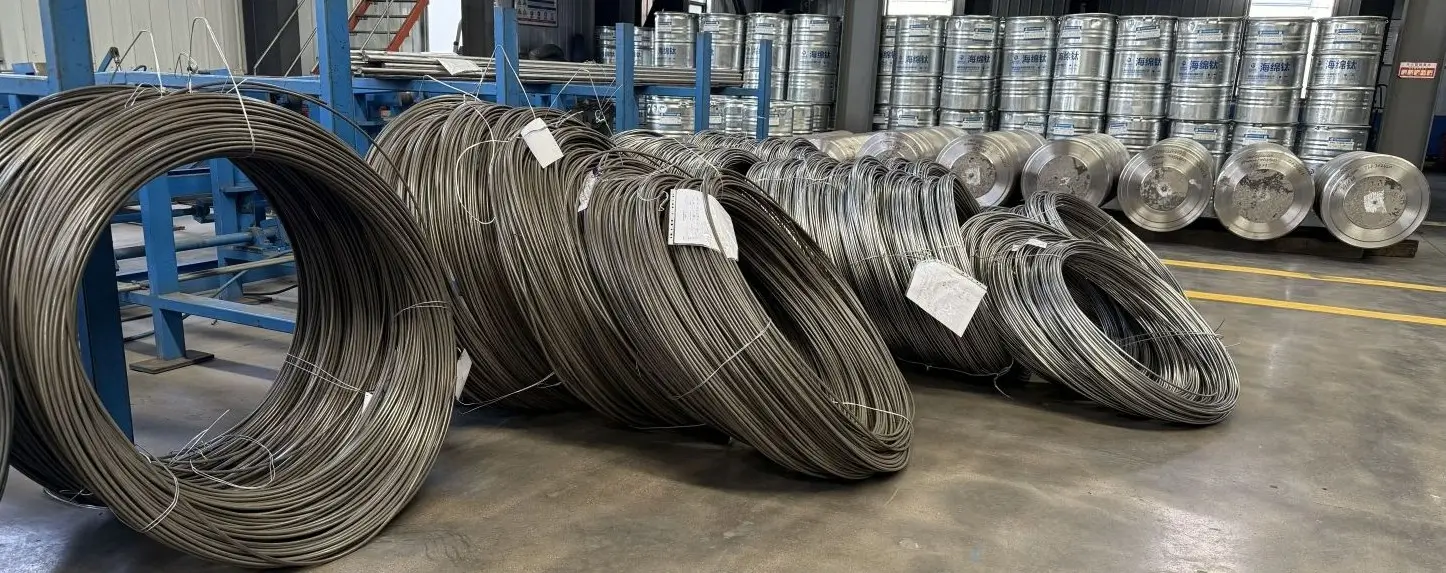
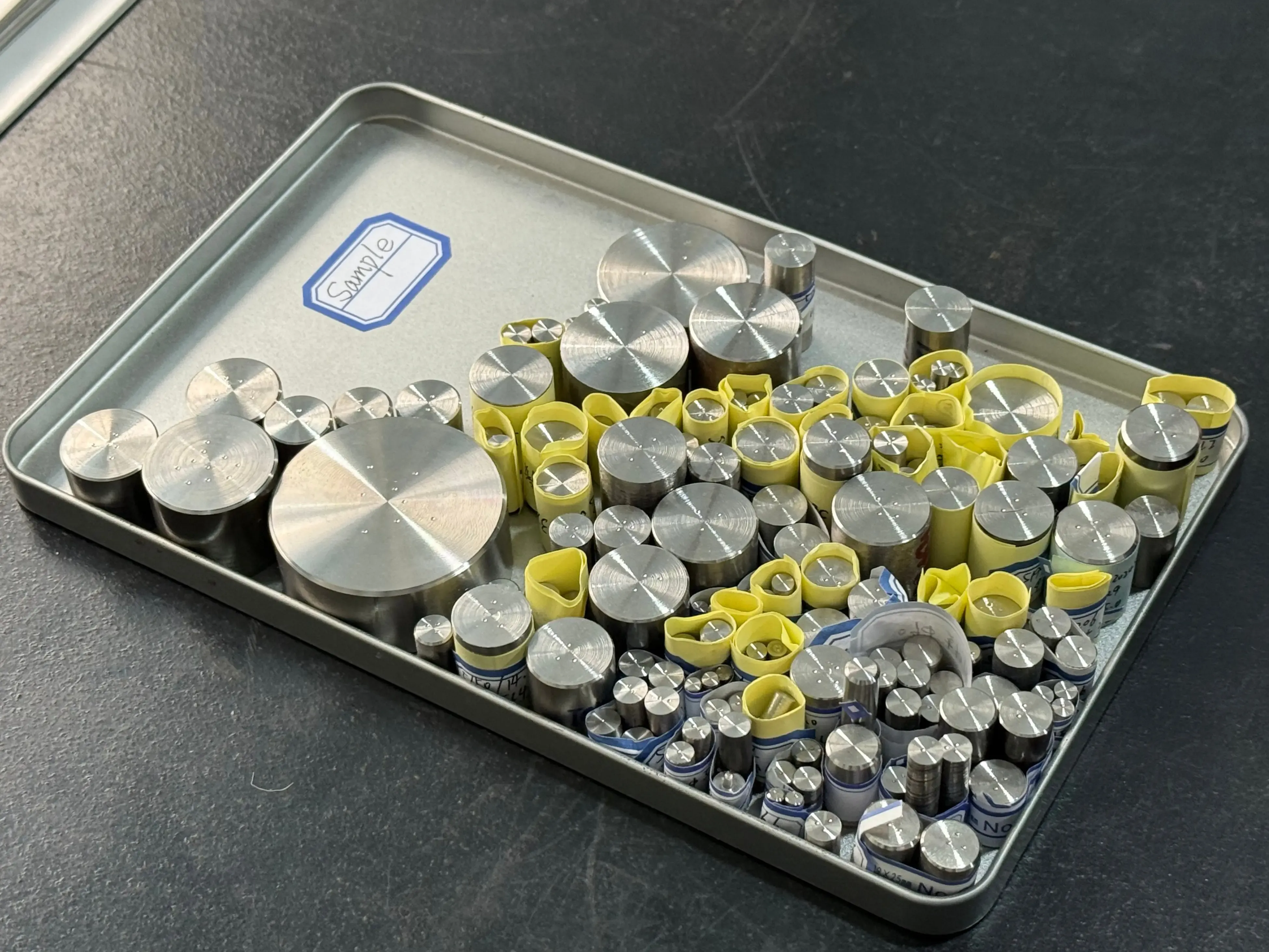
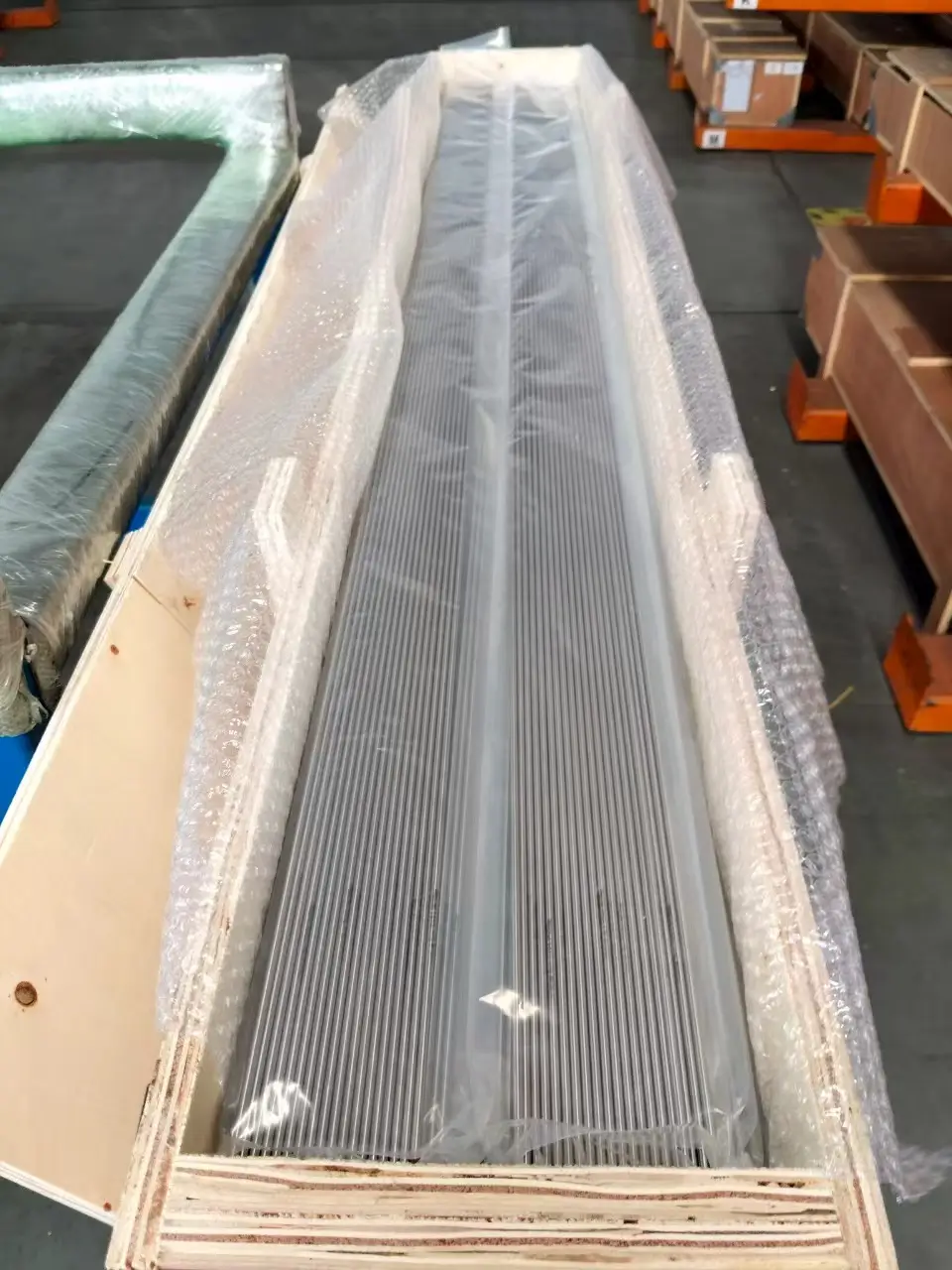
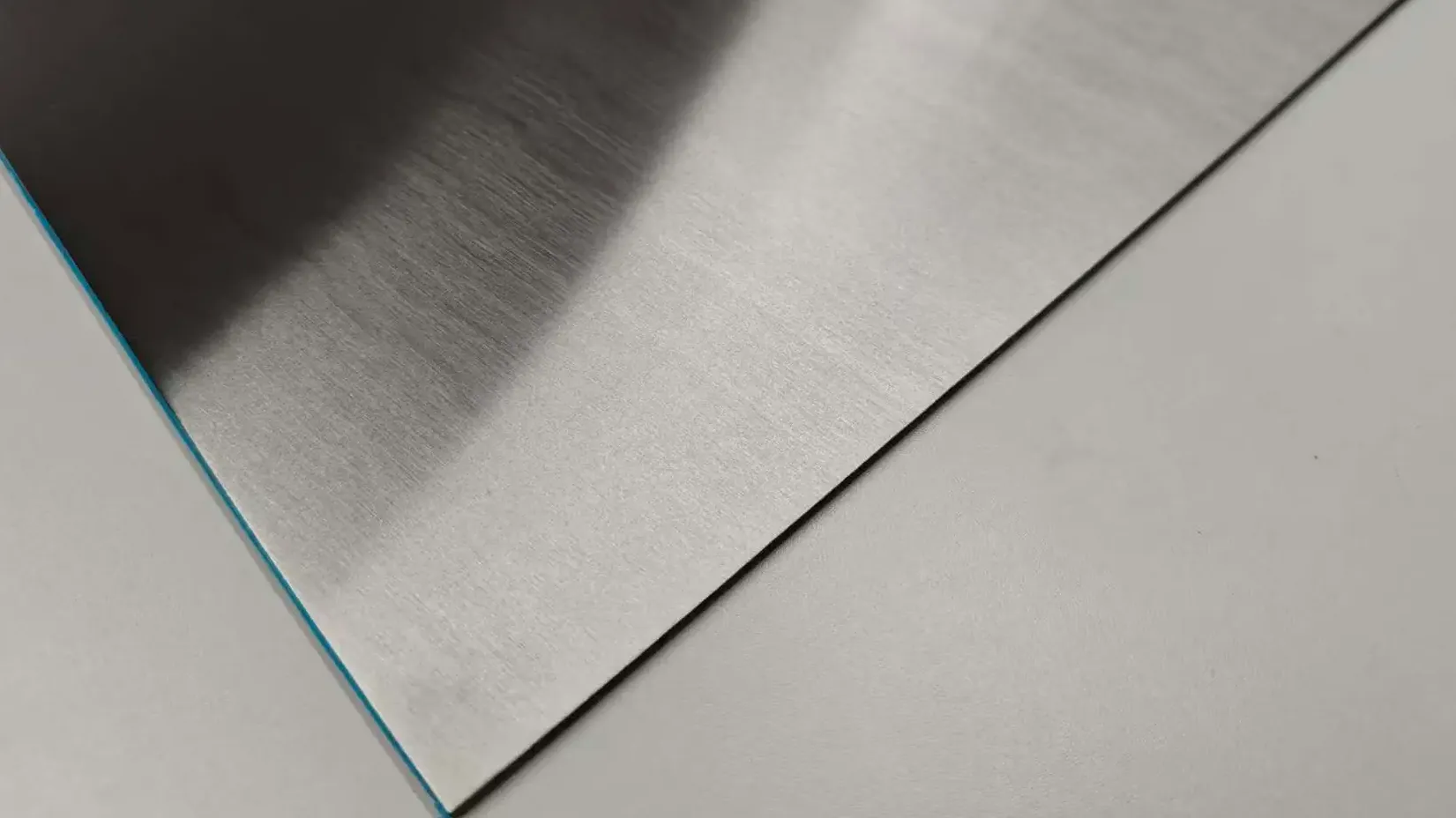
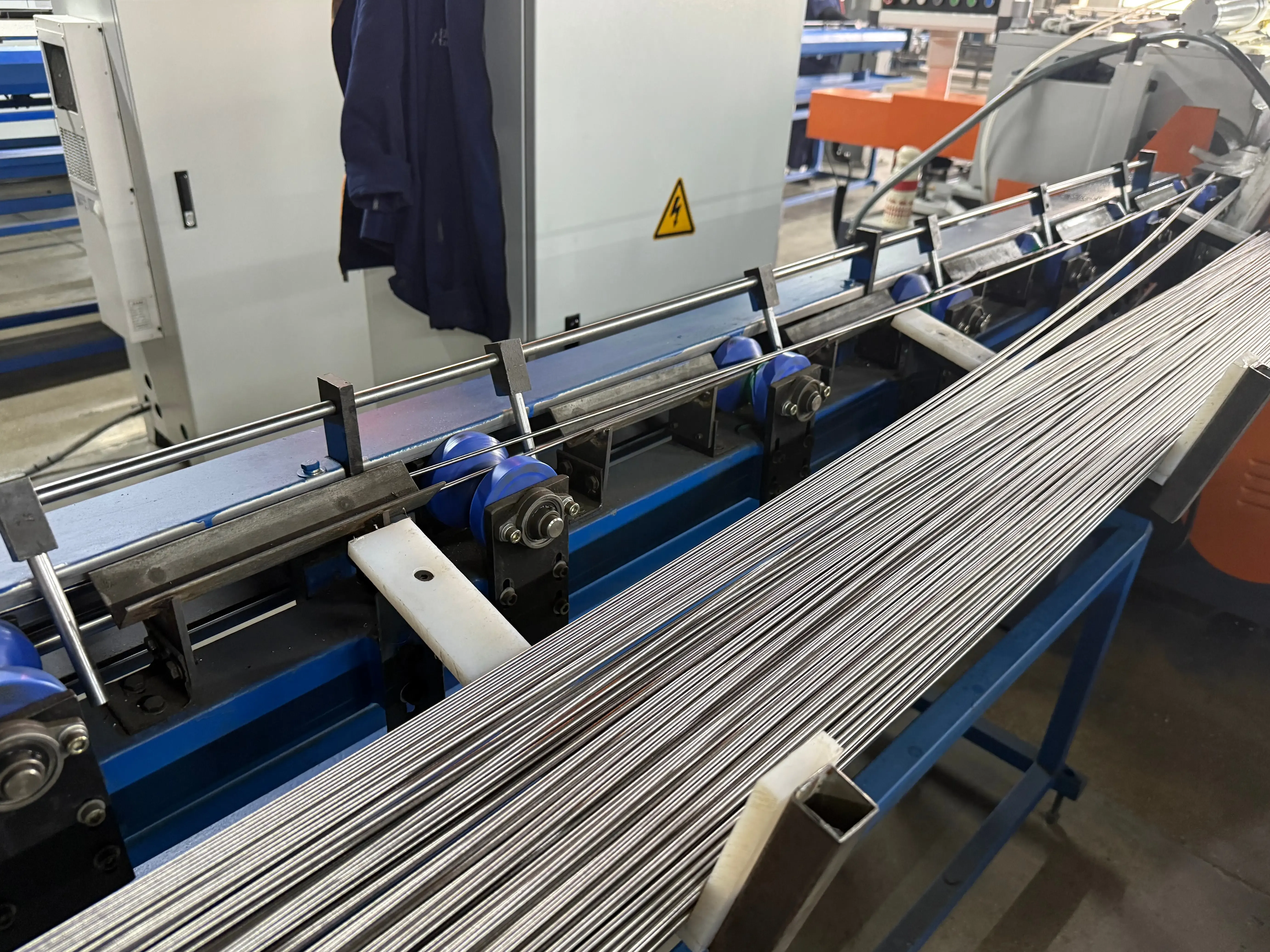
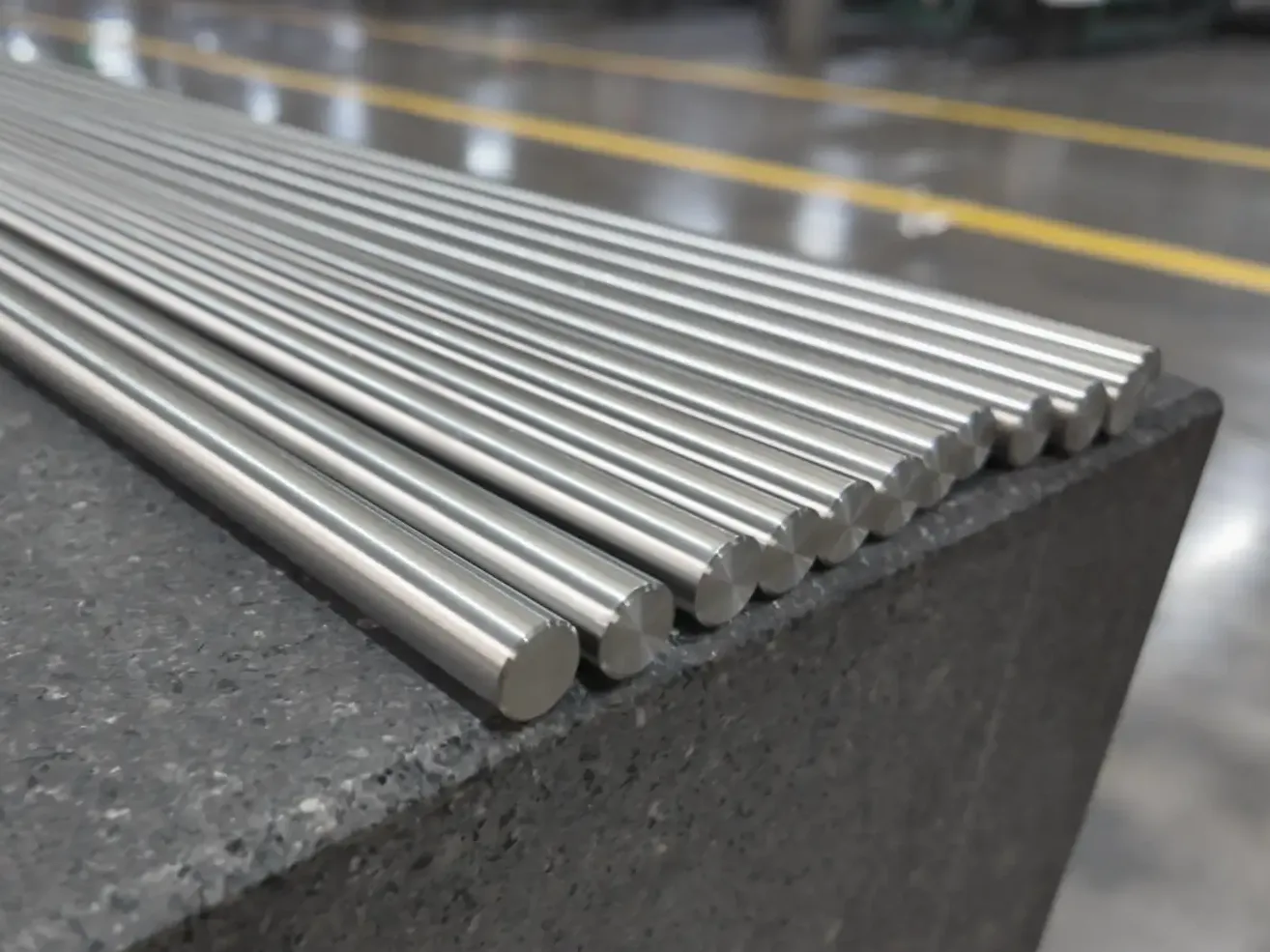
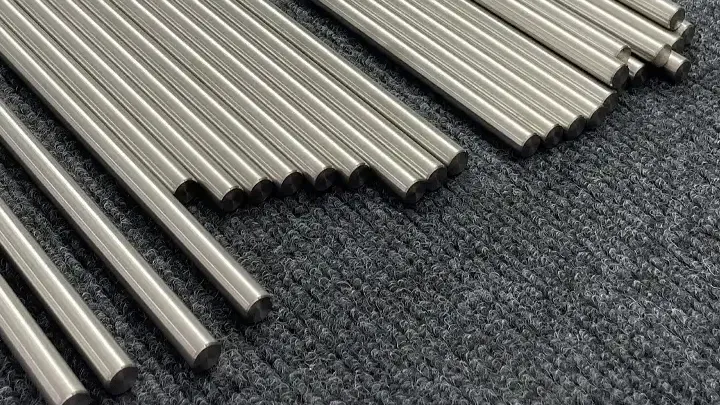
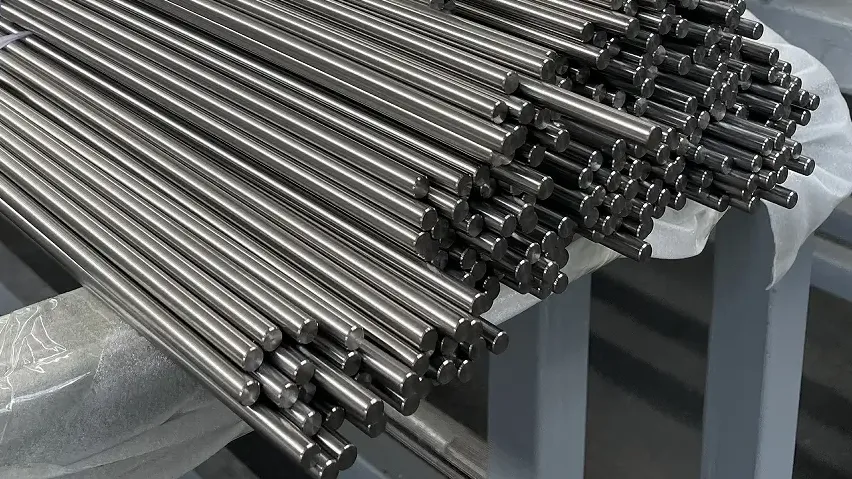
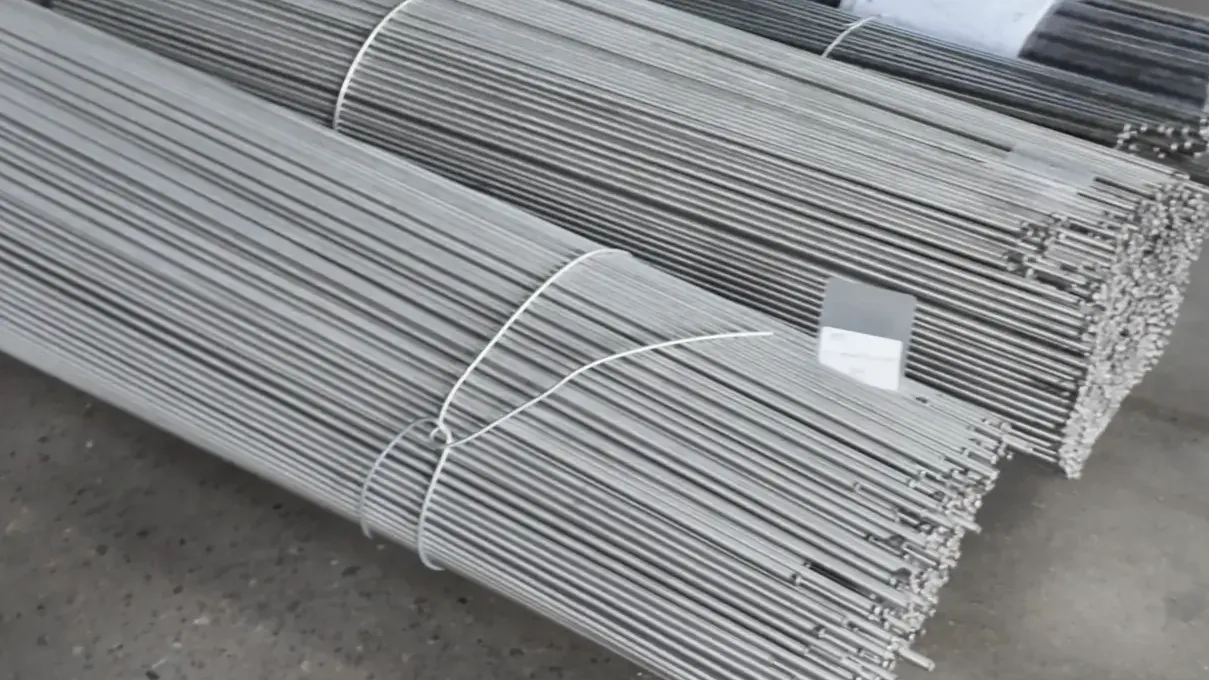
Sunxin supplies Ti Grade 1 titanium in the form of plates, bars, wire, tubes and custom-cut dimensions.
Available specifications include: plates T0.5–T200.0 mm; bars Φ1.0–Φ200.0 mm; wire Φ1.0–Φ3.0 mm; tubes with an outer diameter of 1.0–10.0 mm and an inner diameter of 0.08–2.0 mm.
Surface finishes available include milled, polished or precision-polished; for bars, wire and tubes, h6–h9 tolerance options can be confirmed according to project requirements.
Prior to production of Ti Grade 1 projects, it is recommended to confirm the material form, delivery condition, surface finish, dimensions, tolerances, applicable standards, forming methods, welding requirements, corrosive environment, inspection items and quality documentation.
Sunxin is certified to the
ISO 13485 and
ISO 9001 quality management systems and can support batch management, traceability control, inspection coordination and quality documentation management.