
Precision Alloy Plate & Sheet Supplier
Sunxin supplies alloy plates, sheets, and custom-cut blanks for medical device components, medical implants, aerospace applications, precision component manufacturing, and custom machining projects. Thicknesses range from 0.5 to 200 mm. We provide custom dimensions according to drawings, precision cutting, surface grinding, and thickness tolerance control to meet the requirements for flatness, thickness consistency, and surface quality in machining processes such as CNC milling, machining centers, and wire EDM.

Alloy Plates, Sheets and Custom-Cut Blanks
Sunxin can supply standard plates, sheets, and custom-cut blanks based on material grades, part dimensions, and machining requirements. Plates can be processed into rectangular, square, or other specified shapes and dimensions according to customer drawings.
Alloy Plates
Alloy Sheets
Custom-Cut Blank
Available Alloy Plate and Sheet Materials
Sunxin can supply standard plates, sheets, and custom-cut blanks based on material grades, part dimensions, and machining requirements. Plates can be processed into rectangular, square, or other specified shapes and dimensions according to customer drawings.
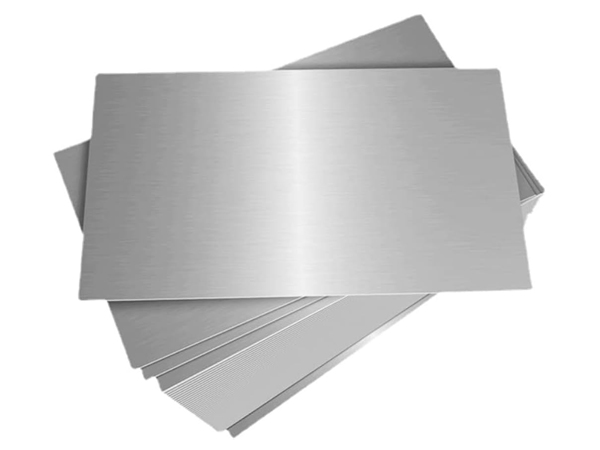
Stainless Steel Plates
420
440C
17-4PH
316LVM
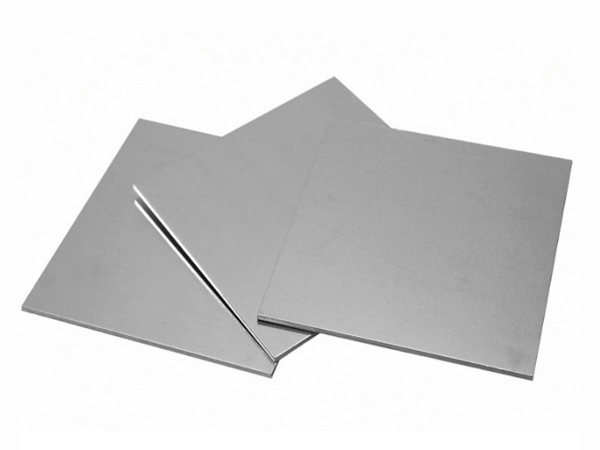
Titanium and Titanium Alloy Plates
Grade 2
Grade 5
Grade 23
Ti-6Al-7Nb
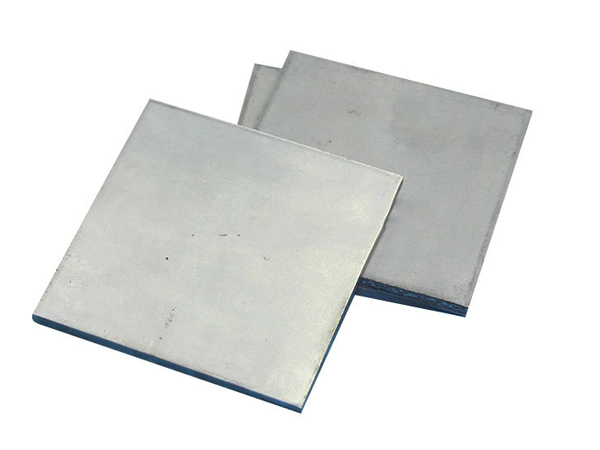
Cobalt-Based Alloy Plates
L605
MP35N
Elgiloy
CoCrMo
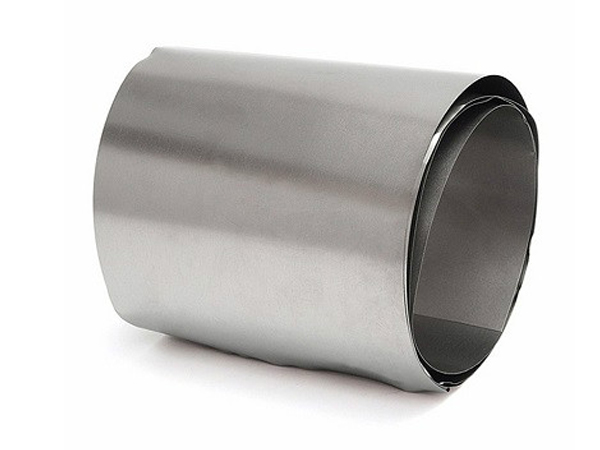
Nickel Titanium Alloy (Nitinol) Plates
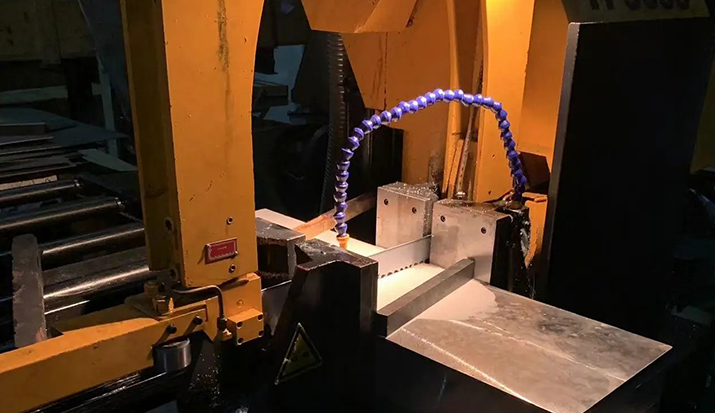
Custom Cutting and Surface Grinding
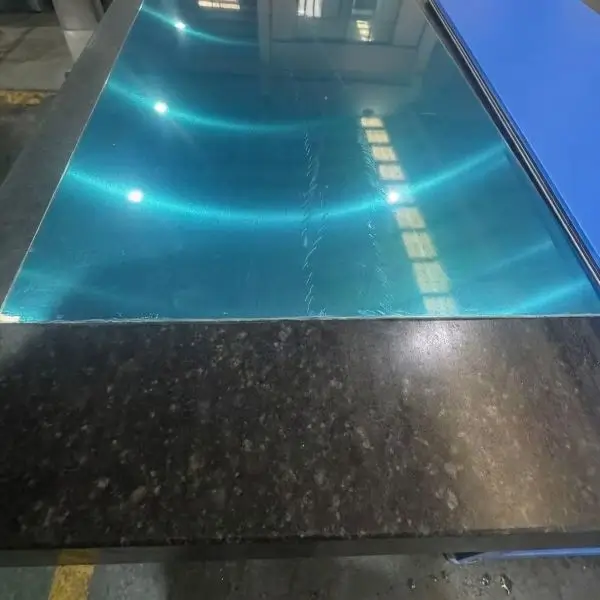
Sunxin can cut alloy plates to custom sizes based on your part dimensions, clamping methods, and machining requirements, supplying square, rectangular, and other specified blanks. Plate surfaces can be precision ground to specification, with surface roughness controlled to Ra ≤0.8 μm.
Machining Allowance
To meet subsequent machining requirements, Sunxin can supply blanks with machining allowance on one side. The standard allowance is typically +0.1 mm to +1.0 mm per side. The specific allowance is determined based on the material grade, nominal thickness, blank dimensions, and machining method.
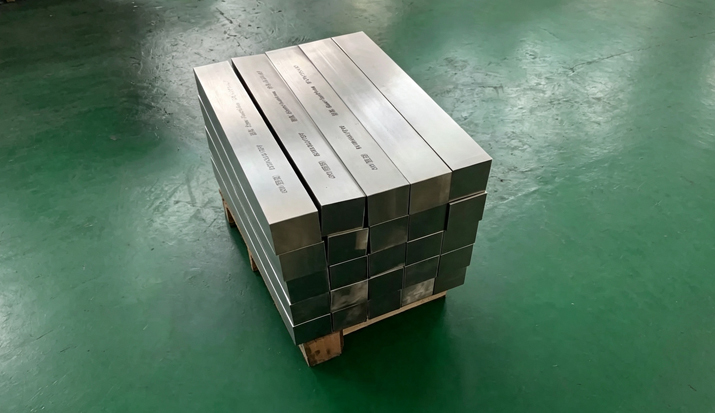
Precision Plate Blanks for CNC Milling and Wire EDM
Sunxin supplies custom alloy blanks for CNC milling, machining centers, and wire EDM by controlling thickness consistency, flatness, surface finish, and machining allowance. With consistent thickness and flatness, these blanks are suitable for workholding, positioning, and precision machining on CNC machining centers such as Mazak and Makino, as well as wire EDM machines such as Sodick.
| Machining requirement | Blank preparation |
| Stable fixturing | Flatness Control and Parallelism |
| Datum establishment | Precision-Ground Reference Surfaces |
| Reduced rough machining | Custom Dimensions with Machining Allowance |
| Wire EDM prep | Custom Blank Dimensions and Material Condition Confirmation |
| Consistency | Thickness and Dimensional Inspection |
| Traceability | Material Grade, Heat Number Identification and Quality Documentation |
Typical Applications of Alloy Plates
Sunxin alloy plates are widely used in medical devices, aerospace applications, industrial components requiring corrosion resistance, and precision manufacturing. Different applications place varying requirements on alloy plates in terms of strength, corrosion resistance, flatness, machining allowances, and quality documentation.
| Applications | Typical components | Key Material Requirements | Relevant Materials |
| Medical | Bone plates, orthopedic instruments, orthopedic implants, ophthalmic instruments, surgical instruments, and precision medical components | Corrosion resistance, hardness, surface quality, traceability | Stainless steel, titanium |
| Aerospace | Structural components, fasteners, brackets | Strength, thickness consistency, quality documentation | Titanium, cobalt alloys, stainless steel |
| Industrial equipment components | Valve components, sealing components, and equipment components | Corrosion resistance, long-term performance stability | Stainless steel, titanium |
| Precision Manufacturing | CNC machining blanks, Wire EDM blanks | Flatness, machining allowance, and surface finish | Stainless steel, titanium |


Plate Dimensions, Surface Finish and Quality Inspection
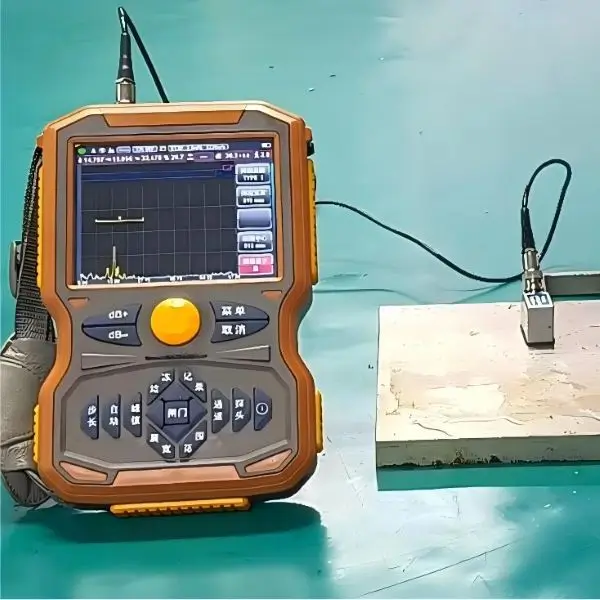
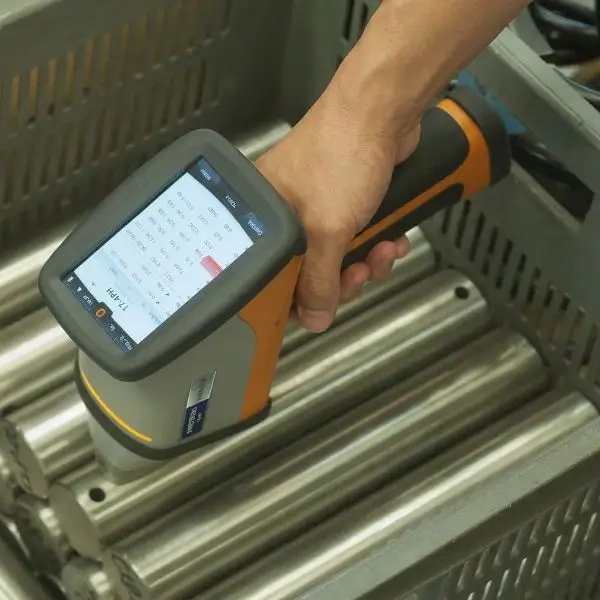
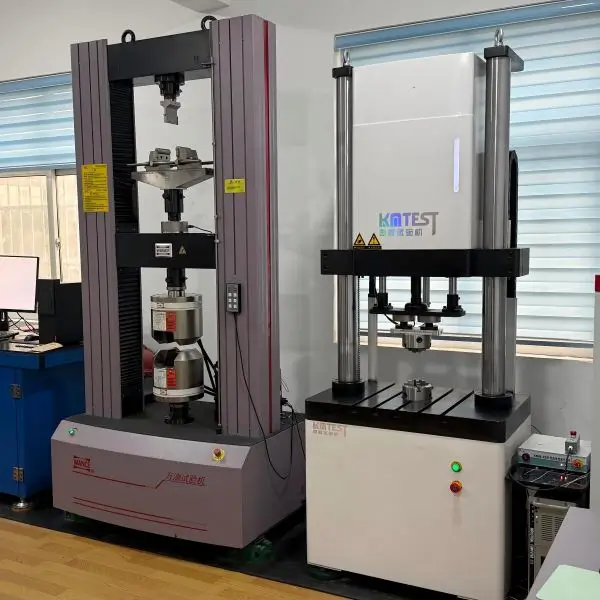
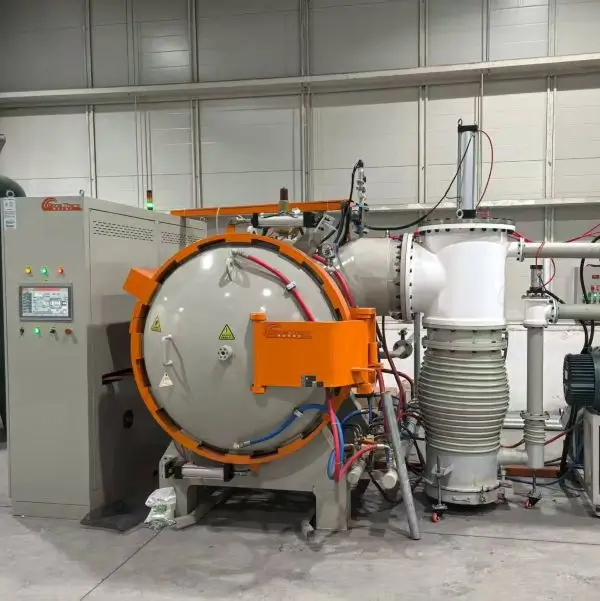
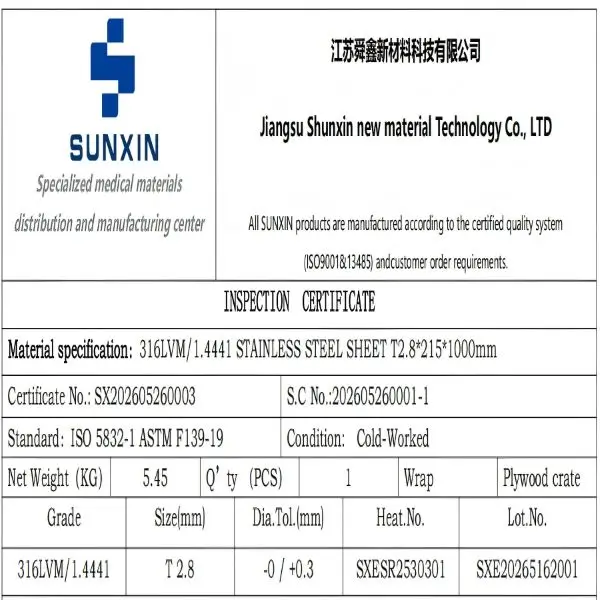
Sunxin inspects plate thickness, length, width, flatness and surface condition in accordance with material standards, drawings and procurement specifications. For medical, aerospace and critical industrial applications, we can verify chemical composition, mechanical properties, heat treatment condition and heat number traceability as agreed, and provide EN 10204 3.1 inspection certificates.

-
What is the difference between ground and polished alloy bar?
Grinding is used to improve outside-diameter tolerance, roundness and surface finish. Polishing may remove a small amount of material, but its primary purpose is to improve surface roughness and surface condition rather than establish a precision diameter. Diameter tolerance and surface roughness should be specified separately for guide-bushing, sliding-fit and other close-tolerance applications.
-
Why can a straight alloy bar still distort after machining?
Straightness describes the bar before machining, but it does not show the residual-stress distribution inside the material. Forging, cold working, heat treatment and quenching can leave residual stresses through the bar section. As machining progressively removes material, the stress balance changes and the component may move. Material condition, stress-relief history, machining sequence and stock allowance are important for distortion-sensitive parts.
-
Can one tolerance standard be used for every alloy bar material?
No. Stainless steel bars may use ASTM A484 general requirements, while titanium bars may be specified to ASTM B348. ASTM B365 covers tantalum and tantalum alloy rod and wire. Medical-device Nitinol may be specified to ASTM F2063, while wrought implant-grade CoCrMo bar, rod and wire may use ASTM F1537. The applicable standard follows the material, product form and application.