Additional Info
A Brief History of AISI 304 Stainless Steel
AISI 304 stainless steel, also known as 1.4301, UNS S30400, X5CrNi18-10, or SUS304, is one of the most common grades in the 300 series of austenitic stainless steels.
The origins of 304 can be traced back to the early 18/8 chromium-nickel austenitic stainless steel system. “18/8” refers to the material’s approximate composition of 18% chromium and 8% nickel. Chromium helps the stainless steel form a surface passivation film, while nickel helps stabilize the austenitic structure, making the material easier to form and weld.
As the stainless steel grade system gradually became standardized, 304 emerged as a quintessential general-purpose austenitic stainless steel within the AISI 300 series. It is widely used primarily due to its well-balanced properties: consistent corrosion resistance, ease of fabrication, good weldability, and ease of surface finishing.
For many standard stainless steel components, 304 is a practical choice. It is suitable for standard stainless steel components in indoor, clean, and mildly corrosive environments.
How was the AISI 304 developed
The material design of AISI 304 is based on the chromium-nickel austenitic stainless steel system. Early stainless steels were difficult to form; adding nickel stabilizes the austenitic structure. Metallurgists achieved a balance of corrosion resistance, formability, and weldability by combining chromium and nickel.
The chromium content of 304 is typically maintained at approximately 18–20%. Chromium helps form a protective passive film on the material’s surface, providing the stainless steel with its fundamental corrosion resistance. The nickel content is usually around 8–10.5%, primarily serving to stabilize the austenitic structure and ensure the material retains good ductility and workability in the annealed condition.
This is also what distinguishes 304 from martensitic and precipitation-hardening stainless steels. 304 does not rely on quenching or aging treatments to achieve high strength. In the annealed condition, its tensile strength can reach over 515 MPa, its yield strength over 205 MPa, and its elongation is approximately 40%.
These figures indicate that the focus of 304 lies in formability, weldability, polishability, and corrosion resistance, rather than achieving high strength through heat treatment.
While 304 can achieve some strength improvement through cold working, its primary advantages remain its processing stability and corrosion resistance. For most 304 projects, the material form, surface condition, delivery condition, and actual service environment are more important than heat-treated strength.
Early Applications of AISI 304
AISI 304 is widely used because it is highly manufacturer-friendly.
It can be cut, formed, welded, and polished, and is available in various forms such as sheets, bars, wire, and tubes. Many components do not require exceptionally high strength but demand corrosion resistance, stable surface conditions, and controllable processing—needs that 304 perfectly meets.
Early applications were primarily focused on equipment components, vessels, piping systems, fittings, brackets, covers, housings, and general stainless steel structural parts. These applications gradually established 304 as one of the most frequently used grades among general-purpose stainless steels.
Current Applications of AISI 304
AISI 304 stainless steel is primarily used for parts that require corrosion resistance, ease of forming and welding, and easy surface finishing.
Common applications include:
Medical equipment and non-implantable device components: medical equipment housings, instrument trays, sterilization baskets, brackets, covers, non-implantable structural components, and reusable device parts. AISI 304 is suitable for non-implantable medical components and is not typically used for implantable applications.
Aerospace: Brackets, fixtures, instrument housings, interior fittings, covers, and lightweight formed stainless steel parts for controlled environments or mildly corrosive environments.
Mechanical engineering: Enclosures, brackets, covers, flanges, fittings, fastener-related components, light-duty machined parts, and general parts requiring corrosion resistance and machining stability.
Industrial applications: Containers, piping systems, flanges, bolts, protective covers, equipment enclosures, and general stainless steel parts for mildly corrosive environments.
AISI 304 is generally not the preferred material for high-strength load-bearing components, severe chloride environments, long-term implantable medical applications, or parts requiring hardening through heat treatment.
Sunxin’s AISI 304 Stainless Steel Supply Support
Sunxin supplies AISI 304 stainless steel sheets, bars, wire, tubes, and custom-cut dimensions.
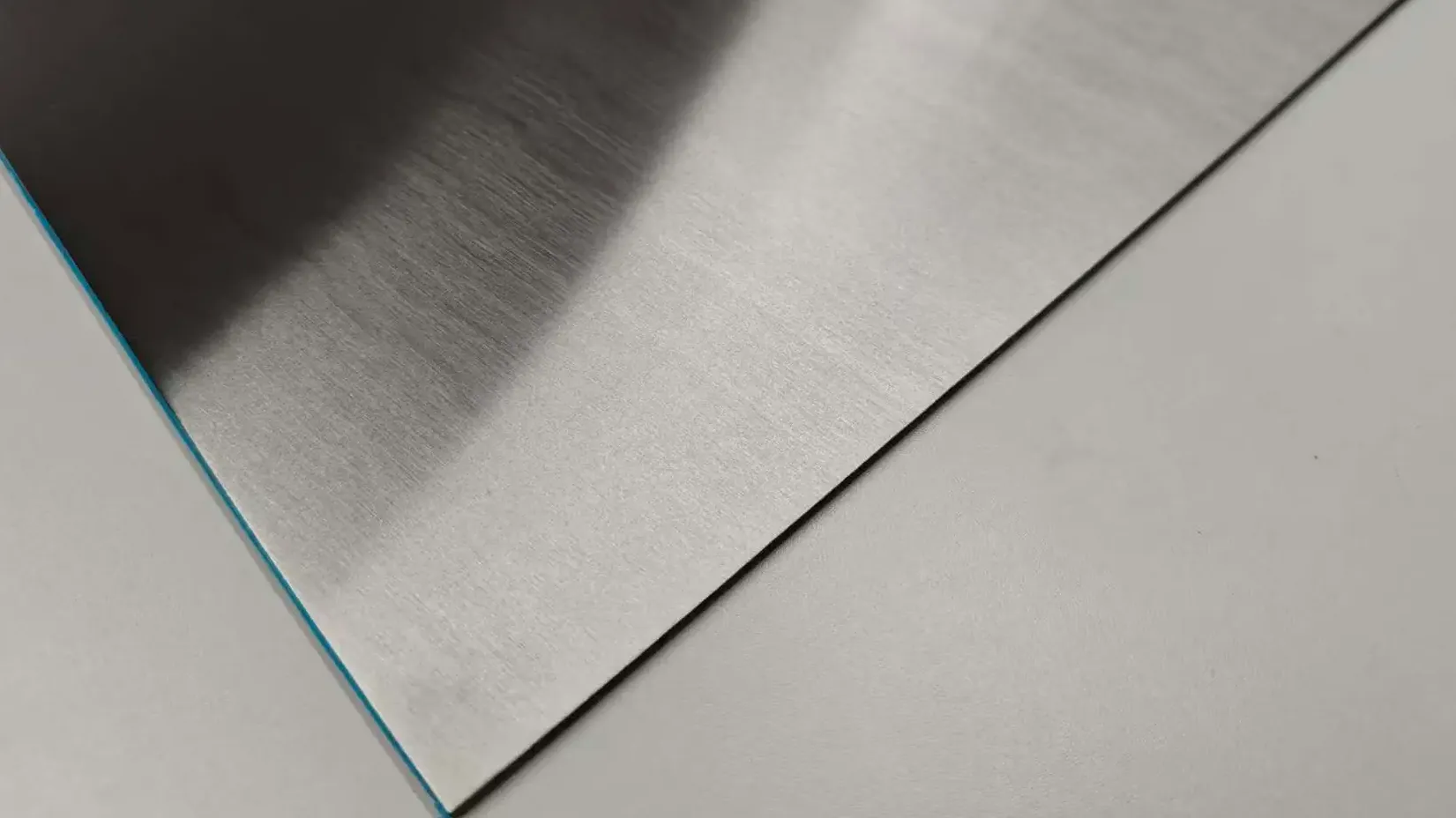
Sheets are available in thicknesses ranging from 0.5 mm to 200.0 mm, with a milled surface and a solution-annealed delivery condition.
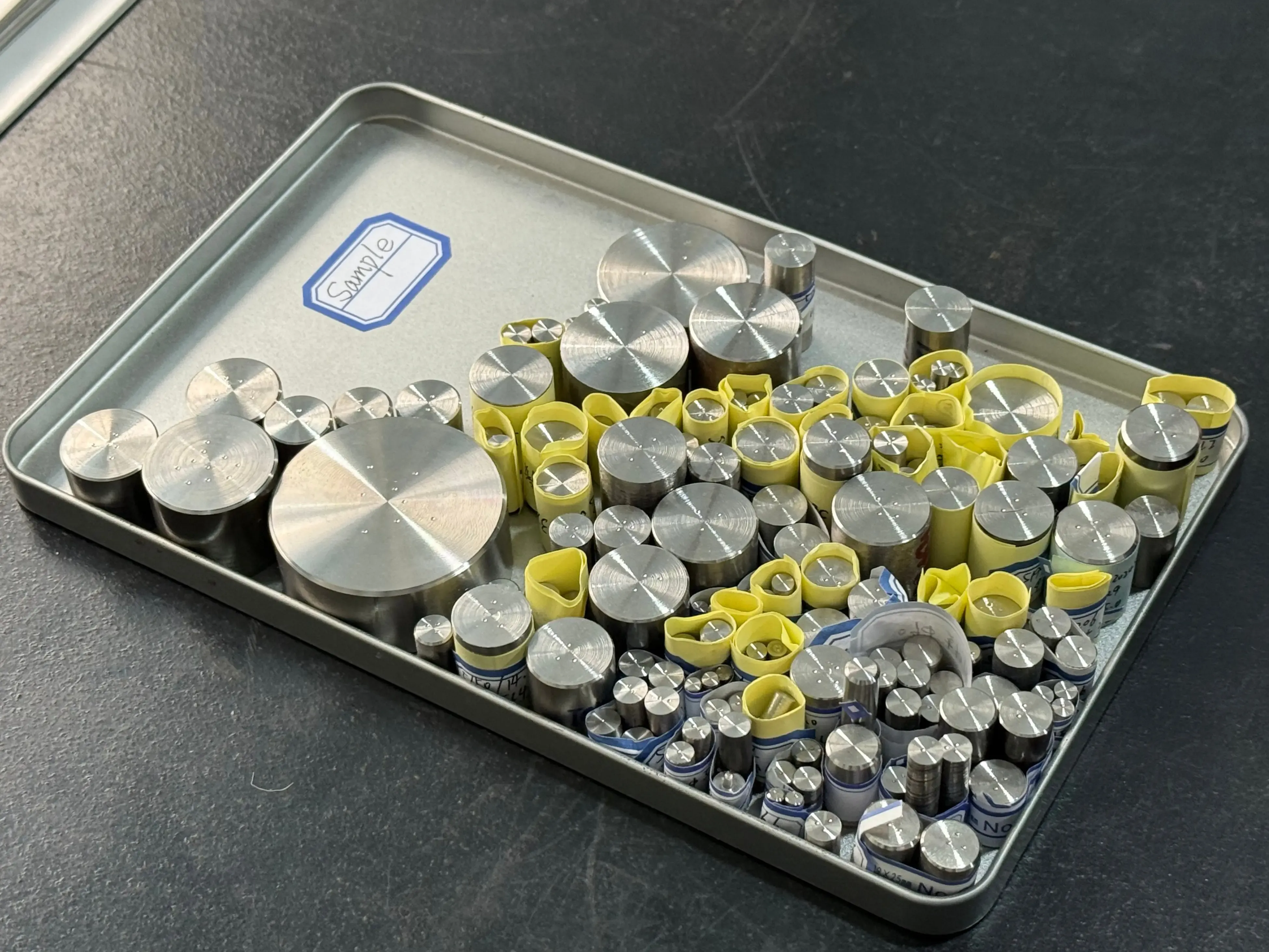
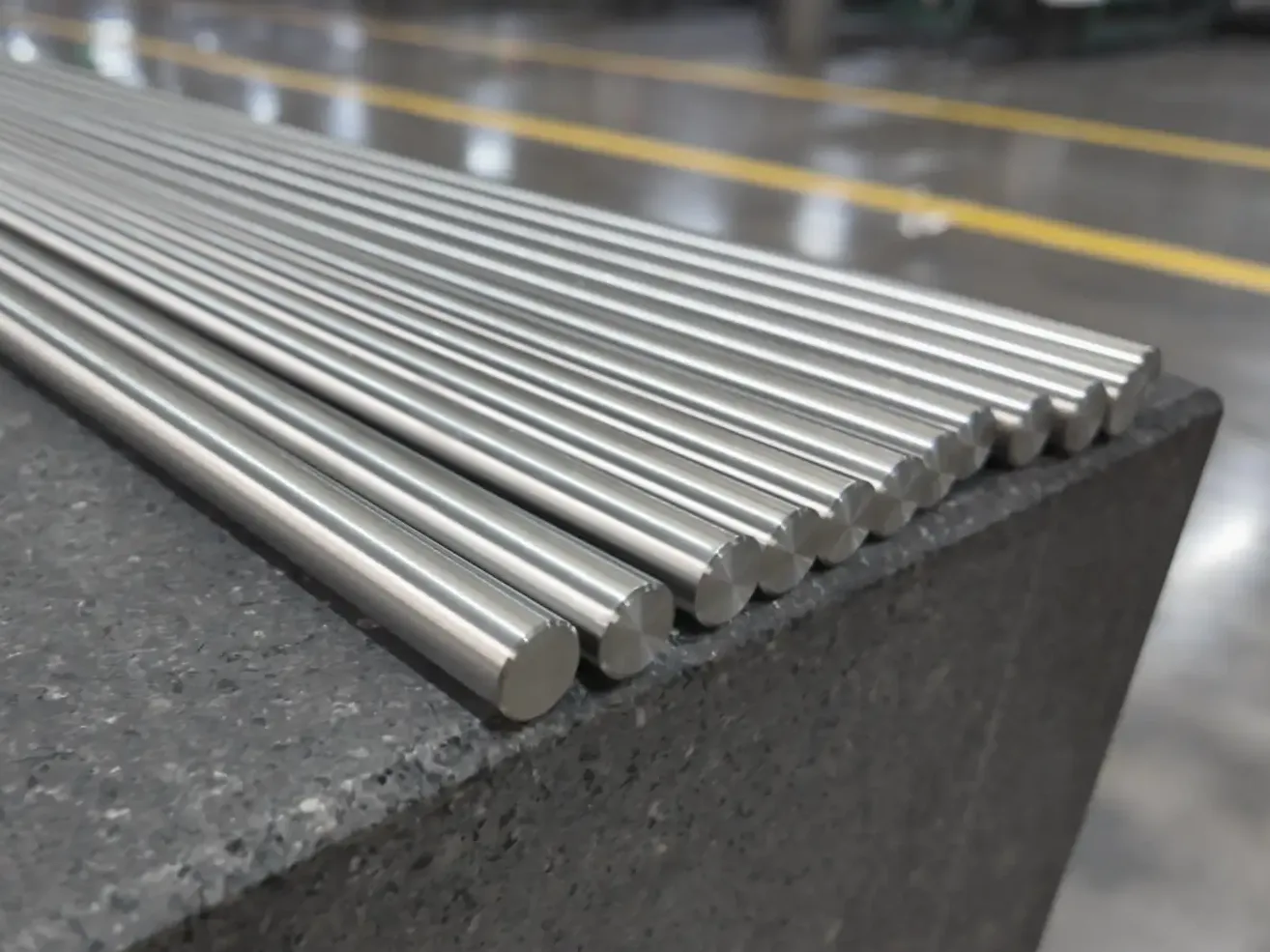
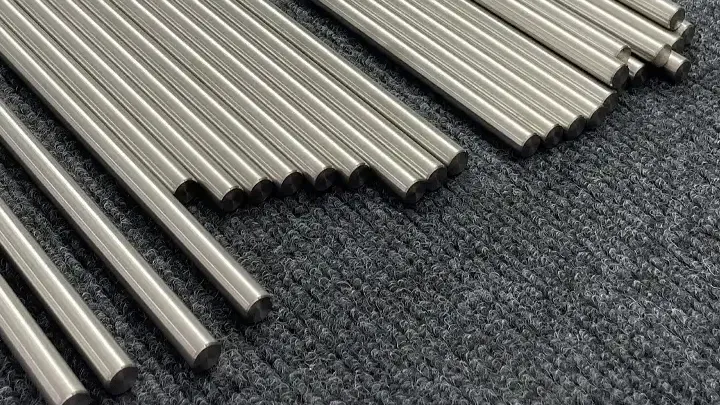
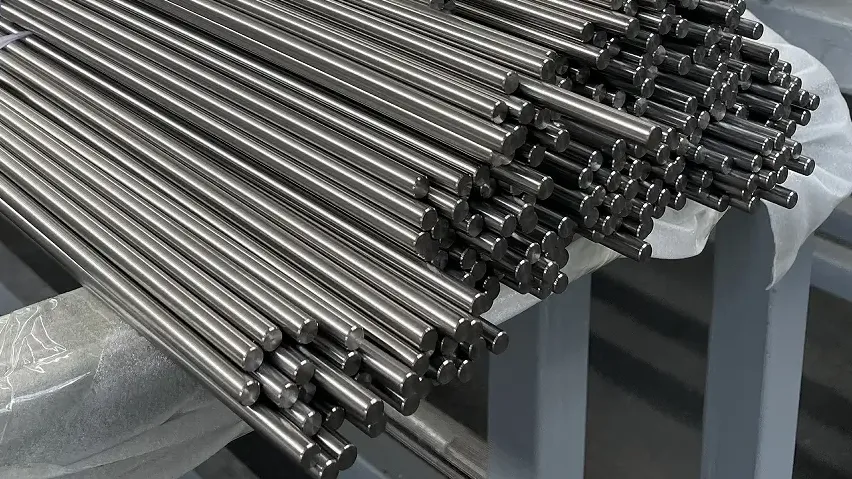
Bars are available in diameters ranging from 1.0 mm to 200.0 mm, with a polished or precision-polished surface, and h6–h9 tolerance options are available.
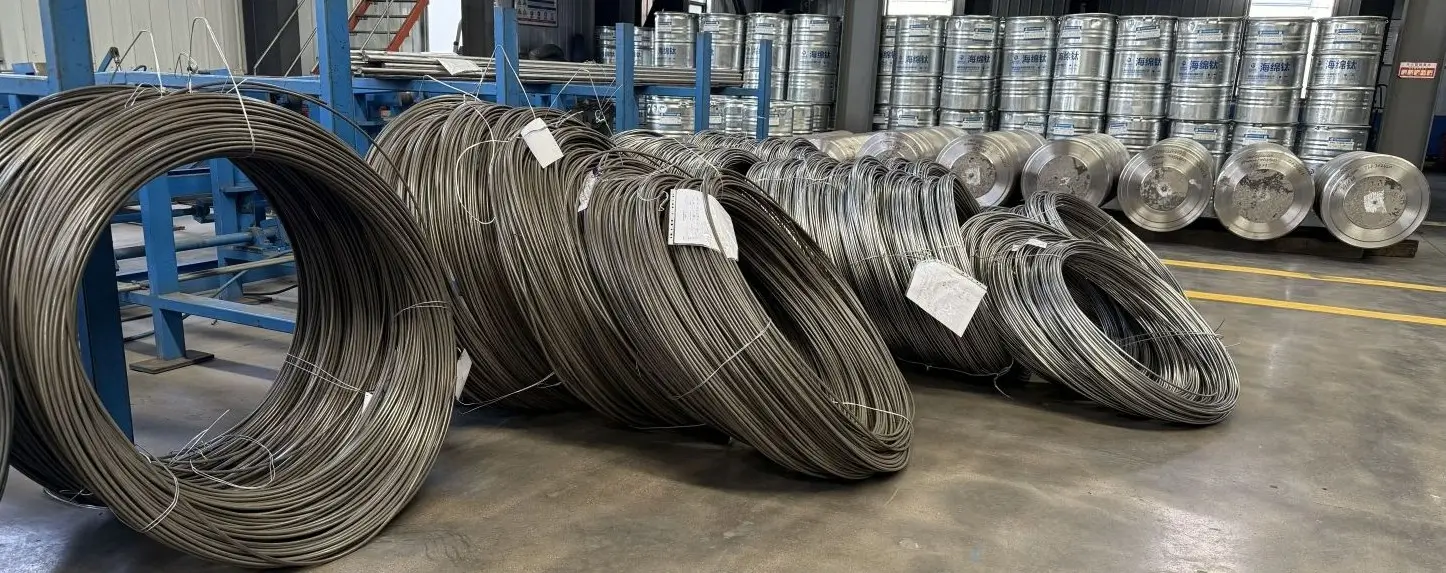
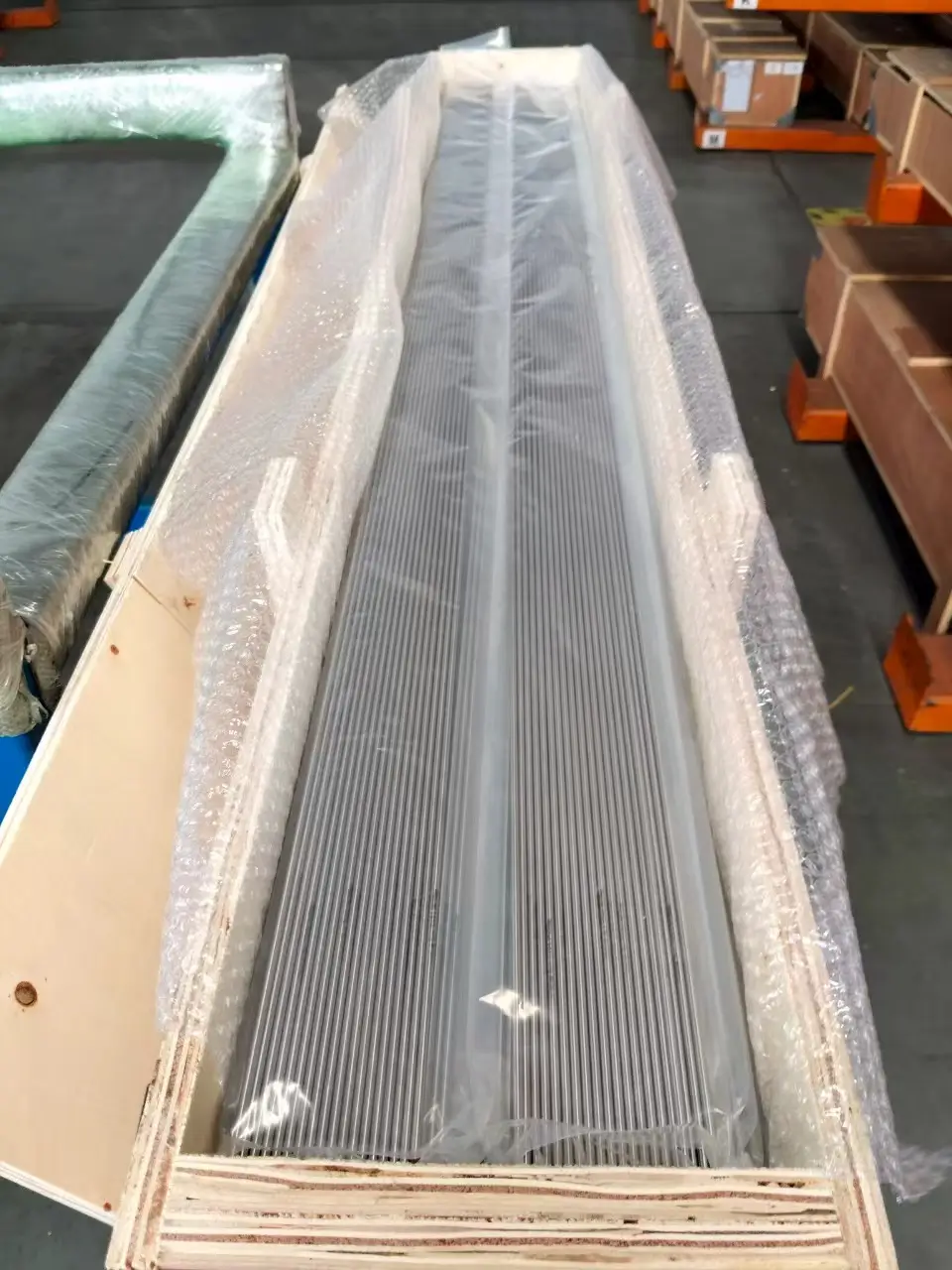
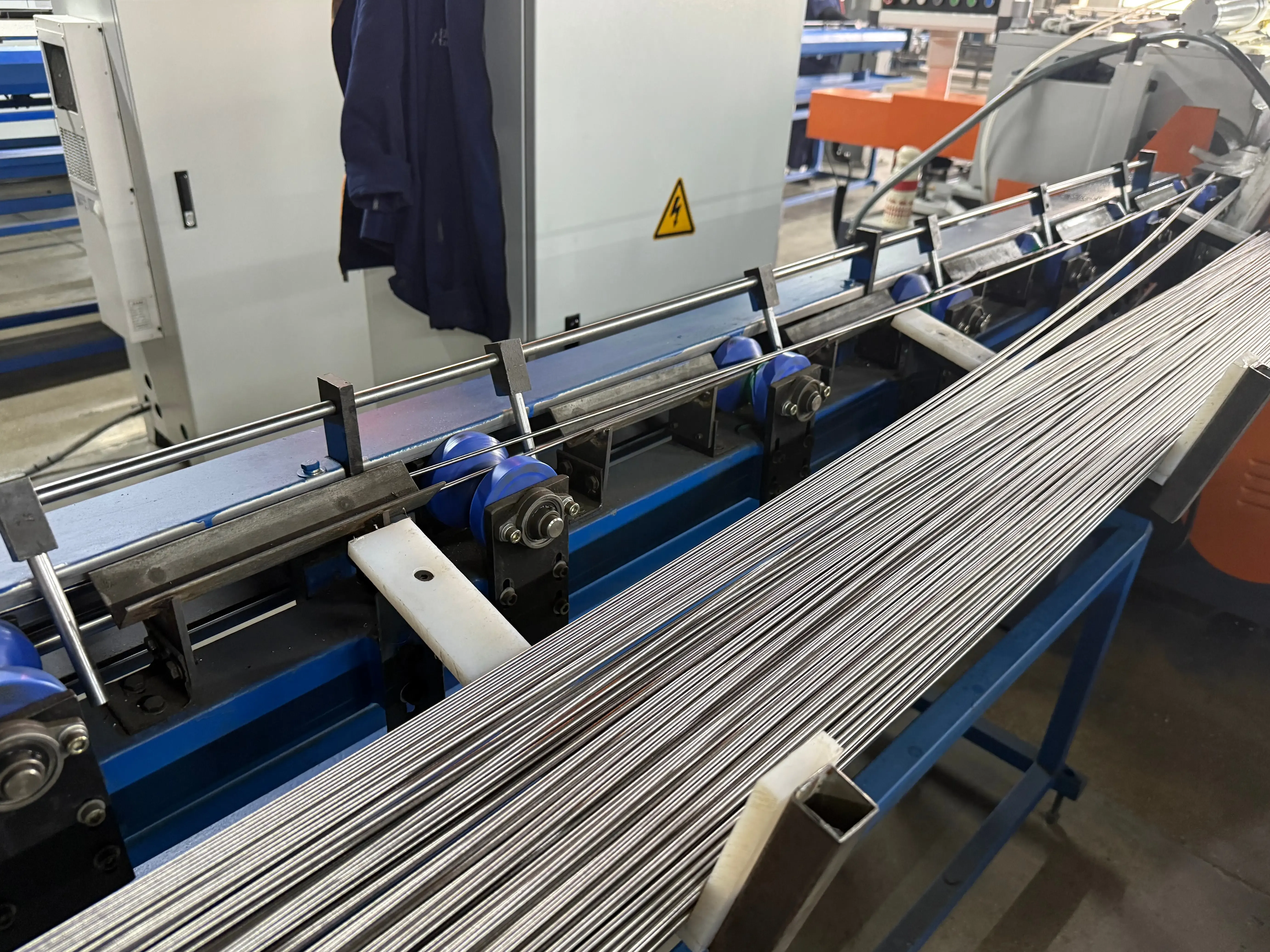
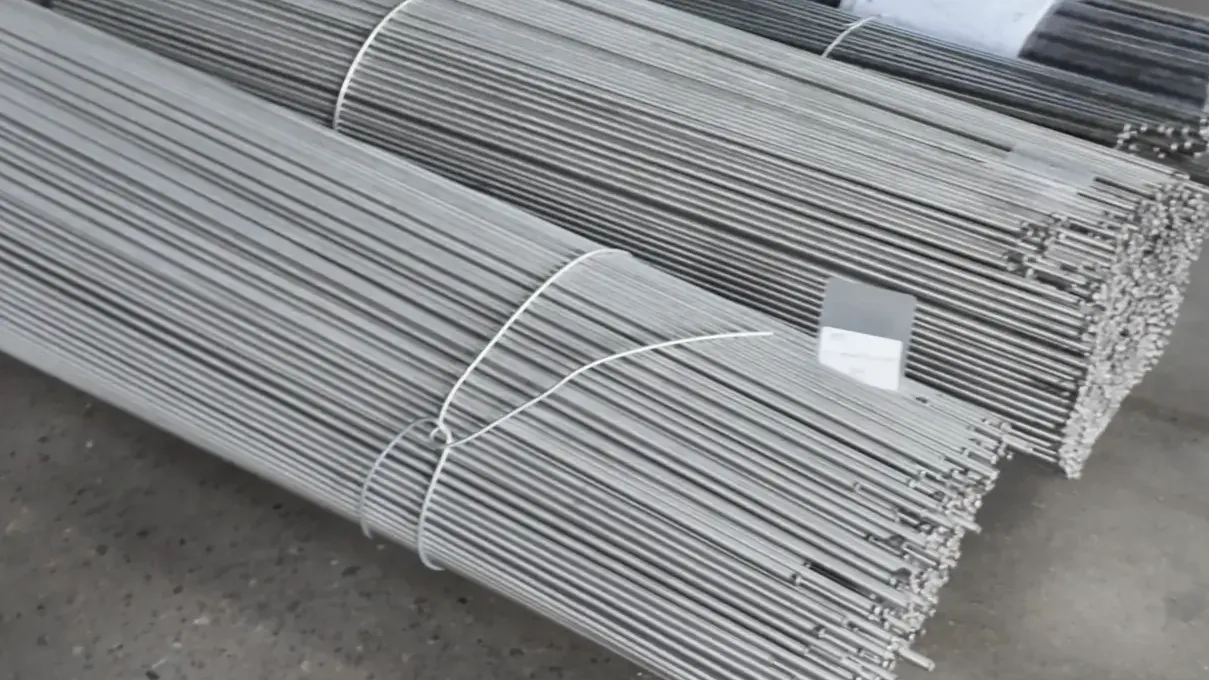
Wire is available in diameters from Φ1.0 mm to Φ3.0 mm. Tubing is available with OD 1.0–10.0 mm and ID 0.08–2.0 mm.
For AISI 304 projects, it is recommended to confirm the material form, delivery condition, surface finish, dimensions, tolerances, inspection items, and quality documentation prior to production.
Sunxin is certified under the ISO 13485 and ISO 9001 quality management systems and supports batch management, traceability control, inspection coordination, and quality documentation management.
For medical device housings, instrument trays, brackets, covers, tubing, fittings, machined parts, and general stainless steel components, Sunxin can assist in confirming the appropriate material form and delivery condition based on application requirements.