
For medical device manufacturers, implant distributors, and precision machining companies, ASTM F138 and ASTM F139 are easy to confuse. Both are associated with wrought 18Cr-14Ni-2.5Mo stainless steel, both are commonly connected with UNS S31673, and both are used in the surgical implant supply chain.
But they are not the same standard.
The core difference is simple:
ASTM F138 covers bar and wire for surgical implants, while ASTM F139 covers sheet and strip for surgical implants. ASTM describes F138 as covering wrought 18Cr-14Ni-2.5Mo stainless steel bar and wire, and F139 as covering the same alloy family in sheet and strip form for surgical implants.
That sounds small, but in real procurement it matters a lot. Choosing the wrong standard can affect quotation accuracy, certificate review, machining performance, documentation, and even regulatory file consistency.
What Is ASTM F138?
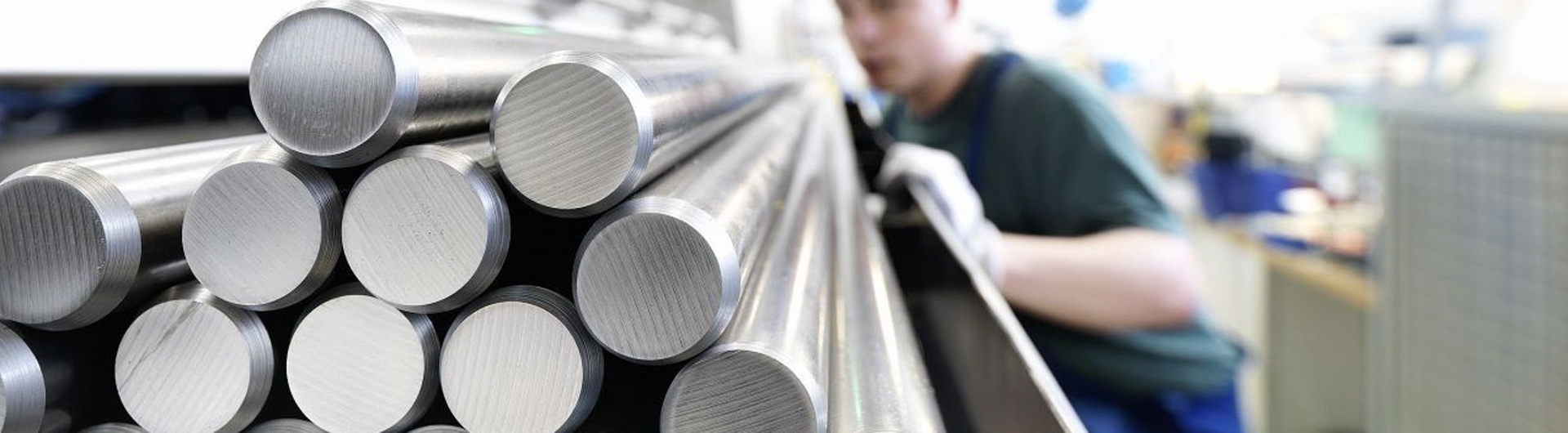
ASTM F138 is a standard specification for wrought 18Cr-14Ni-2.5Mo stainless steel bar and wire used for surgical implant manufacturing. It is commonly associated with UNS S31673, a high-cleanliness implant-grade stainless steel related to 316LVM.
Typical product forms include:
ASTM F138 Product Form | Common Use |
|---|---|
Round bar | Bone screws, pins, orthopedic components |
Wire | Kirschner wires, cerclage wire, small fixation parts |
Precision ground bar | CNC-machined implant components |
Small diameter rod | Dental, trauma, and precision medical parts |
ASTM F138 is usually the standard buyers look for when they need machined implant components made from stainless steel bar or wire.
What Is ASTM F139?
ASTM F139 is a standard specification for wrought 18Cr-14Ni-2.5Mo stainless steel sheet and strip used for surgical implants. ASTM and ANSI listings describe F139 as covering sheet and strip forms for surgical implant applications.
Typical product forms include:
ASTM F139 Product Form | Common Use |
|---|---|
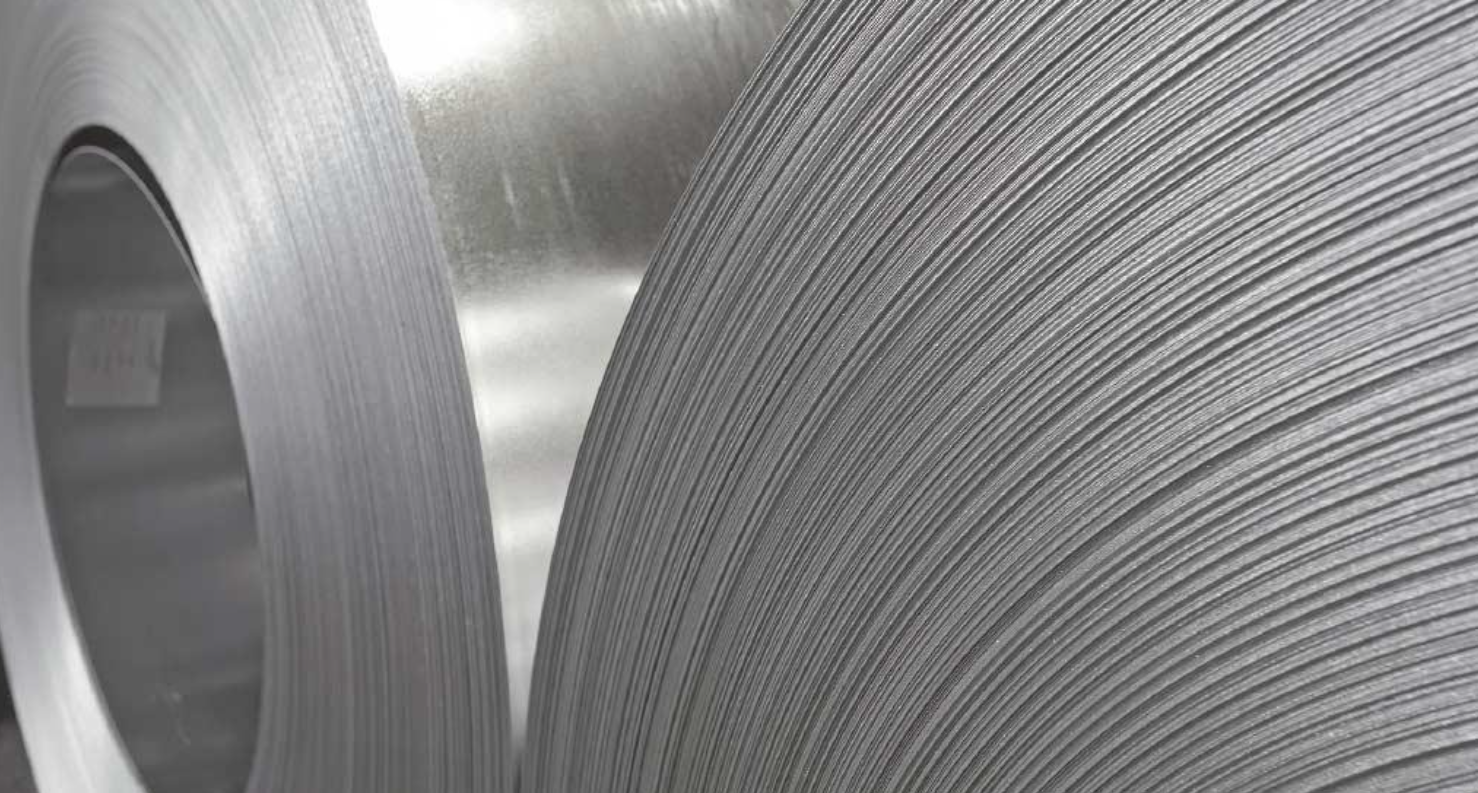
Sheet | Plates, stamped medical parts |
Strip | Formed components, precision stamped parts |
Thin gauge material | Implantable clips, plates, flexible components |
Cold-worked strip | High-strength thin medical components |
ASTM F139 is more relevant when the final product is cut, stamped, formed, or fabricated from flat material rather than machined from bar.
ASTM F138 vs ASTM F139: Main Difference
The biggest difference is not the alloy name. It is the product form and manufacturing route.
Item | ASTM F138 | ASTM F139 |
|---|---|---|
Material family | 18Cr-14Ni-2.5Mo implant stainless steel | 18Cr-14Ni-2.5Mo implant stainless steel |
UNS designation | Commonly UNS S31673 | Commonly UNS S31673 |
Main product form | Bar and wire | Sheet and strip |
Typical processing | Turning, grinding, CNC machining, wire forming | Cutting, stamping, forming, rolling |
Common applications | Screws, pins, rods, wires, machined implant parts | Plates, strips, stamped or formed implant parts |
Buyer focus | Diameter, straightness, surface, machinability, mechanical properties | Thickness, flatness, surface finish, coil/sheet tolerance |
Procurement risk | Confusing bar with regular 316L bar | Confusing sheet/strip with general 316L sheet |
So, when a buyer asks for “ASTM F138 sheet,” that is usually a red flag. They may actually mean ASTM F139 sheet or simply “implant-grade 316LVM stainless steel.”
Are ASTM F138 and ASTM F139 the Same Material?
In many cases, they refer to the same implant-grade stainless steel family: UNS S31673.
A useful way to understand it:
Same alloy family, different product form standard.
However, buyers should not treat them as interchangeable on documents. A certificate for ASTM F138 bar does not automatically describe ASTM F139 sheet, because the required product form, tolerances, mechanical testing, surface expectations, and delivery condition may be different.
This is where many sourcing mistakes happen. A purchasing manager may search for “316LVM ASTM F138/F139” and think both standards can be used freely. In reality, the correct standard should match the supplied form
Why the Difference Matters in Real Procurement
For B2B buyers, the difference between ASTM F138 and ASTM F139 is not just academic. It affects five practical areas.
1. Quotation Accuracy
A bar supplier and a sheet supplier may both say they provide “implant-grade stainless steel,” but their production routes are different.
For ASTM F138 bar or wire, buyers usually need to specify:
Diameter
Length
Surface condition
Tolerance
Annealed or cold-worked condition
Straightness
Ultrasonic or other inspection requirements if needed
For ASTM F139 sheet or strip, buyers usually need to specify:
Thickness
Width
Coil or cut sheet
Surface finish
Edge condition
Flatness
Cold-rolled or polished finish
If the inquiry only says “ASTM F138/F139 stainless steel,” the supplier may quote the wrong product form.
2. Certificate Review
A reliable mill certificate should match the actual material supplied.
For example:
ASTM F138 should appear on certificates for implant stainless steel bar or wire.
ASTM F139 should appear on certificates for implant stainless steel sheet or strip.
The certificate should also show chemical composition, heat number, mechanical properties, delivery condition, and relevant inspection results.
3. Regulatory Documentation
Medical device manufacturers often need consistent material documentation for technical files, supplier qualification, and customer audits. If the drawing calls for ASTM F139 sheet but the supplier provides a certificate marked ASTM F138, the mismatch can create unnecessary review questions.
That does not always mean the material is bad. But it does mean the documentation is not clean.
4. Processing Performance
Bar, wire, sheet, and strip behave differently during manufacturing.
ASTM F138 bar is often evaluated for:
Machinability
Centerline quality
Surface defects
Dimensional tolerance
Straightness
Suitability for turning, milling, grinding, and thread rolling
ASTM F139 strip is more likely evaluated for:
Formability
Flatness
Thickness uniformity
Surface finish
Edge quality
Stamping and bending behavior
A manufacturer making bone screws should care about different details than a manufacturer stamping thin implant plates.
5. Supplier Qualification
A supplier may be strong in bar production but weak in thin strip, or vice versa. For implant-grade stainless steel, choosing the right supplier is not only about finding the standard name. It is about whether the supplier understands the downstream medical application.
For example, at SUNXIN, implant-grade stainless steel inquiries are usually reviewed by product form first: bar, wire, sheet, strip, tube, or custom processed material. This helps avoid the common mistake of quoting a “correct alloy” in the wrong form.
ASTM F138, ASTM F139, 316LVM, and UNS S31673: How They Relate
Many buyers use these names together:
ASTM F138
ASTM F139
316LVM
UNS S31673
ISO 5832-1
Implant-grade 316L stainless steel
They are related, but they are not identical labels.
316LVM is commonly used as a commercial or industry name. It usually refers to vacuum-melted, low-carbon 316L stainless steel for medical or implant use.
UNS S31673 is a formal alloy designation often associated with implant stainless steel.
ASTM F138 and ASTM F139 are product-form-based standards.
ISO 5832-1 is an international standard commonly referenced for wrought stainless steel for surgical implants.
A professional buyer should not only write “316LVM” on the purchase order. It is better to specify the standard, product form, size, condition, and certificate requirements.
Example:
ASTM F138 / UNS S31673 stainless steel round bar, annealed condition, diameter 12 mm, length 3000 mm, with mill test certificate.
Or:
ASTM F139 / UNS S31673 stainless steel strip, thickness 0.5 mm, cold-rolled condition, with chemical and mechanical test report.
Common Applications of ASTM F138
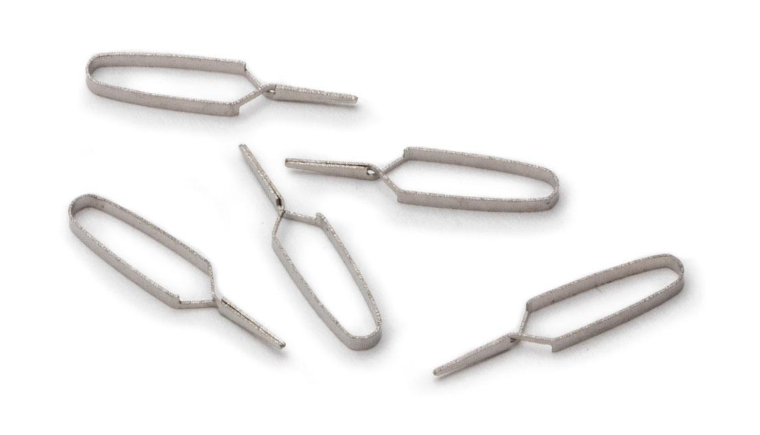
ASTM F138 bar and wire are commonly used for implantable or medical components that require machining or wire forming.
Typical applications include:
Orthopedic screws
Bone pins
Kirschner wires
Cerclage wire
Dental implant-related components
Trauma fixation components
Small precision machined implant parts
Surgical fixation rods or pins
Because these parts often require tight dimensions and stable machining performance, buyers should look beyond chemical composition. Surface quality, inclusion control, and dimensional consistency are also important.
Common Applications of ASTM F139
ASTM F139 sheet and strip are more common for flat or formed implant-related parts.
Typical applications include:
Bone plates
Implantable strips
Stamped medical components
Thin fixation components
Surgical clips
Formed orthopedic parts
Precision medical sheet parts
For these applications, surface finish, thickness tolerance, flatness, and forming performance may be more important than machinability.
ASTM F138 vs ASTM F139: Which One Should You Choose?
Choose ASTM F138 if your part is made from:
Bar
Rod
Wire
Precision ground bar
CNC-machined round stock
Wire-formed implant material
Choose ASTM F139 if your part is made from:
Sheet
Strip
Coil
Thin flat material
Stamped material
Formed plate material
A simple rule:
If it is turned, machined, or drawn as wire, check ASTM F138. If it is cut, stamped, or formed from flat stock, check ASTM F139.
Buyer’s Checklist Before Ordering ASTM F138 or ASTM F139 Material
Before placing an order, medical device manufacturers should confirm these details:
Correct standard
Is the product bar/wire or sheet/strip?UNS designation
Does the certificate identify UNS S31673 if required?Product form
Round bar, wire, sheet, strip, coil, or cut-to-length?Delivery condition
Annealed, cold-worked, polished, ground, or other?Dimensions and tolerances
Diameter, thickness, width, length, straightness, flatness.Surface requirement
Bright, polished, ground, pickled, cold-rolled, or custom finish.Certificate requirements
Chemical composition, mechanical properties, heat number, inspection report.Application risk
Is the material for permanent implant, temporary implant, instrument, or non-implant medical device?
This checklist helps avoid one of the most expensive procurement mistakes: buying the right alloy in the wrong form.
Common Mistakes Buyers Make
Mistake 1: Treating ASTM F138 and ASTM F139 as fully interchangeable
They are closely related, but they are not documentarily interchangeable. The standard must match the supplied product form.
Mistake 2: Using “316L” when implant-grade material is required
General 316L is not automatically the same as implant-grade 316LVM or UNS S31673. For implant applications, buyers should confirm the applicable medical standard.
Mistake 3: Ignoring surface condition
For medical applications, surface defects can affect processing, polishing, passivation, and final part inspection.
Mistake 4: Asking only for price
Low price means little if the certificate, traceability, or delivery condition does not match the application.
Mistake 5: Not explaining the final use
A supplier can give better technical support when they know whether the material will be machined into screws, drawn into wire, stamped into plates, or polished for implantable parts.
How Sunxin Supports Implant-Grade Stainless Steel Buyers
For manufacturers sourcing medical stainless steel, the most important thing is not simply finding a supplier who can quote “ASTM F138/F139.” The supplier should understand how standards, product form, and downstream processing connect.
SUNXIN supplies implant-grade and medical-grade stainless steel materials for customers working with orthopedic, dental, surgical, and precision medical components. For ASTM F138 and ASTM F139-related inquiries, Sunxin can help buyers clarify whether they need bar, wire, sheet, strip, or customized processed stock before quotation.
This is especially useful for international buyers who receive drawings with mixed terms such as “316LVM,” “UNS S31673,” “ASTM F138,” “ASTM F139,” or “ISO 5832-1.” A small clarification at the inquiry stage can prevent costly mistakes later.
FAQ: ASTM F138 vs ASTM F139
1. What is the main difference between ASTM F138 and ASTM F139?
ASTM F138 is mainly for implant-grade stainless steel bar and wire, while ASTM F139 is mainly for sheet and strip used for surgical implants.
2. Are ASTM F138 and ASTM F139 both 316LVM?
They are commonly associated with implant-grade 316LVM-type stainless steel and UNS S31673, but buyers should confirm the exact standard and certificate instead of relying only on the name “316LVM.”
3. Can I use ASTM F138 instead of ASTM F139?
Not if the product form does not match. If you are buying sheet or strip, ASTM F139 is usually the correct reference. If you are buying bar or wire, ASTM F138 is usually the correct reference.
4. Is ASTM F138 better than ASTM F139?
Neither is simply “better.” They are designed for different product forms. ASTM F138 is better suited for bar and wire applications, while ASTM F139 is better suited for sheet and strip applications.
5. What is UNS S31673?
UNS S31673 is a formal alloy designation commonly used for implant-grade 18Cr-14Ni-2.5Mo stainless steel.
6. Is ASTM F138 the same as regular 316L stainless steel?
No. Regular 316L stainless steel is not automatically ASTM F138. ASTM F138 is a surgical implant material specification with specific requirements for bar and wire.
7. What should I write on a purchase order?
A good purchase order should include the standard, UNS designation, product form, size, delivery condition, surface condition, tolerance, and certificate requirements.
Example:
ASTM F138 / UNS S31673 stainless steel round bar, annealed, 10 mm diameter, with mill test certificate.
8. Which standard should I use for bone screws?
If the screws are machined from stainless steel bar, ASTM F138 is usually more relevant.
9. Which standard should I use for bone plates?
If the plates are made from sheet or strip, ASTM F139 is usually more relevant.
10. Can Sunxin supply ASTM F138 or ASTM F139 material?
Sunxin can support medical stainless steel buyers with implant-grade stainless steel bar, wire, sheet, strip, and related material selection. Buyers should provide drawings, size, standard, delivery condition, and certificate requirements for accurate evaluation.
Conclusion
The difference between ASTM F138 and ASTM F139 is mainly about product form.
ASTM F138 = bar and wire.
ASTM F139 = sheet and strip.
Both are important in the surgical implant material supply chain, and both are commonly connected with UNS S31673 implant-grade stainless steel. But for professional procurement, the correct standard must match the actual material form and final manufacturing process.
For buyers, the best approach is not to ask only for “316LVM.” Instead, specify the standard, product form, size, condition, surface requirement, and certification needs. That is how medical manufacturers reduce sourcing risk and build a cleaner, more reliable supply chain.
Related News
-
 Introduction: Why This Comparison Matters More Than You ThinkWhen sourcing stainless steel for industrial, medical, or manufacturing applications, one of the most common—and critical—decisions buyers face is choosing between 304 and 316 stainless steel.At first glance, they look nearly identical. Bo