Additional Info
A Brief History of Ti-6Al-4V ELI Grade 23 Titanium
Ti-6Al-4V ELI, also known as Grade 23 Titanium, UNS R56401, or 3.7165, is an α+β-type titanium alloy with ultra-low interstitial element content.
ELI stands for “Extra Low Interstitial,” meaning “ultra-low interstitial elements.” It shares the same basic composition as standard Ti-6Al-4V—a titanium-aluminum-vanadium system—but the ELI version imposes stricter controls on elements such as oxygen, nitrogen, carbon, and hydrogen.
This control is not merely for marketing purposes but to enhance the material’s toughness and fracture safety margin. Medical implants, spinal components, orthopedic fixation devices, and dental implant-related parts require not only strength but also reliability under long-term loads and within the human body.
Therefore, Ti-6Al-4V ELI is better suited for high-demand medical implants and precision medical components.
How was the Ti-6Al-4V ELI Grade 23 Titanium developed
The emergence of Ti-6Al-4V ELI stems from the demand for medical implant materials.
Standard Ti-6Al-4V offers high strength and is already used in many aerospace and engineering components, but medical implants require more than just strength. Orthopedic implants, spinal components, dental implant parts, and trauma fixation devices remain in the human body for extended periods; the material must withstand repeated loading, corrosive environments, and very small structural designs.
In this context, interstitial elements are key. While elevated levels of oxygen, nitrogen, carbon, and hydrogen can increase strength, high concentrations make the material “harder” and “more brittle,” reducing toughness and fracture safety margins. For implants, this is no minor issue.
Ti-6Al-4V ELI retains the aluminum-vanadium alloy system of Ti-6Al-4V while reducing the content of interstitial elements. This approach maintains sufficient strength while delivering improved toughness, fracture toughness, and fatigue performance.
Ti-6Al-4V is more commonly used for aerospace and general high-strength titanium alloy components; Ti-6Al-4V ELI is better suited for medical implants and components that require a higher fracture safety margin.
Early Applications of Ti-6Al-4V ELI Grade 23 Titanium
Ti-6Al-4V ELI was initially applied primarily in the medical implant sector.
Orthopedic fixation devices, spinal structural components, trauma fixation plates, bone screws, and dental implant-related parts were typical early applications. These parts are not necessarily large in size, but they are subjected to complex stresses, and material quality cannot be judged solely based on experience.
Medical clients choose Ti-6Al-4V ELI because it builds on the strength foundation of Ti-6Al-4V while placing greater emphasis on toughness and controlled low-interstitial elements compared to standard Grade 5.
Subsequently, the ELI grade has also been specified for precision parts requiring even higher reliability.
Current Applications of Ti-6Al-4V ELI Grade 23 Titanium
Ti-6Al-4V ELI is currently primarily used in medical implants, dental implants, and high-reliability precision components.
Common applications include:
Medical applications: Orthopedic implant components, trauma fixation plates, bone screws, spinal structural components, artificial joint components, craniofacial fixation devices, medical connectors, and precision medical parts. For implant projects, compliance must be verified against ASTM F136, ISO 5832-3, drawing specifications, inspection documentation, and the end-use application.
Dental Applications: Dental implants, dental abutments, healing caps, cover screws, dental prosthetic components, dental discs, titanium square plates, and custom titanium dental parts. These components typically require dimensional and surface quality consistency and must be capable of supporting subsequent precision machining.
High-Reliability Engineering Applications: Precision aerospace components, high-strength lightweight parts, precision fasteners, small load-bearing components, and machined parts requiring higher toughness. Ti-6Al-4V ELI is recommended as the preferred choice only when the ELI grade is explicitly specified in customer drawings or project standards.
Sunxin’s Ti-6Al-4V ELI Grade 23 Titanium Supply Support
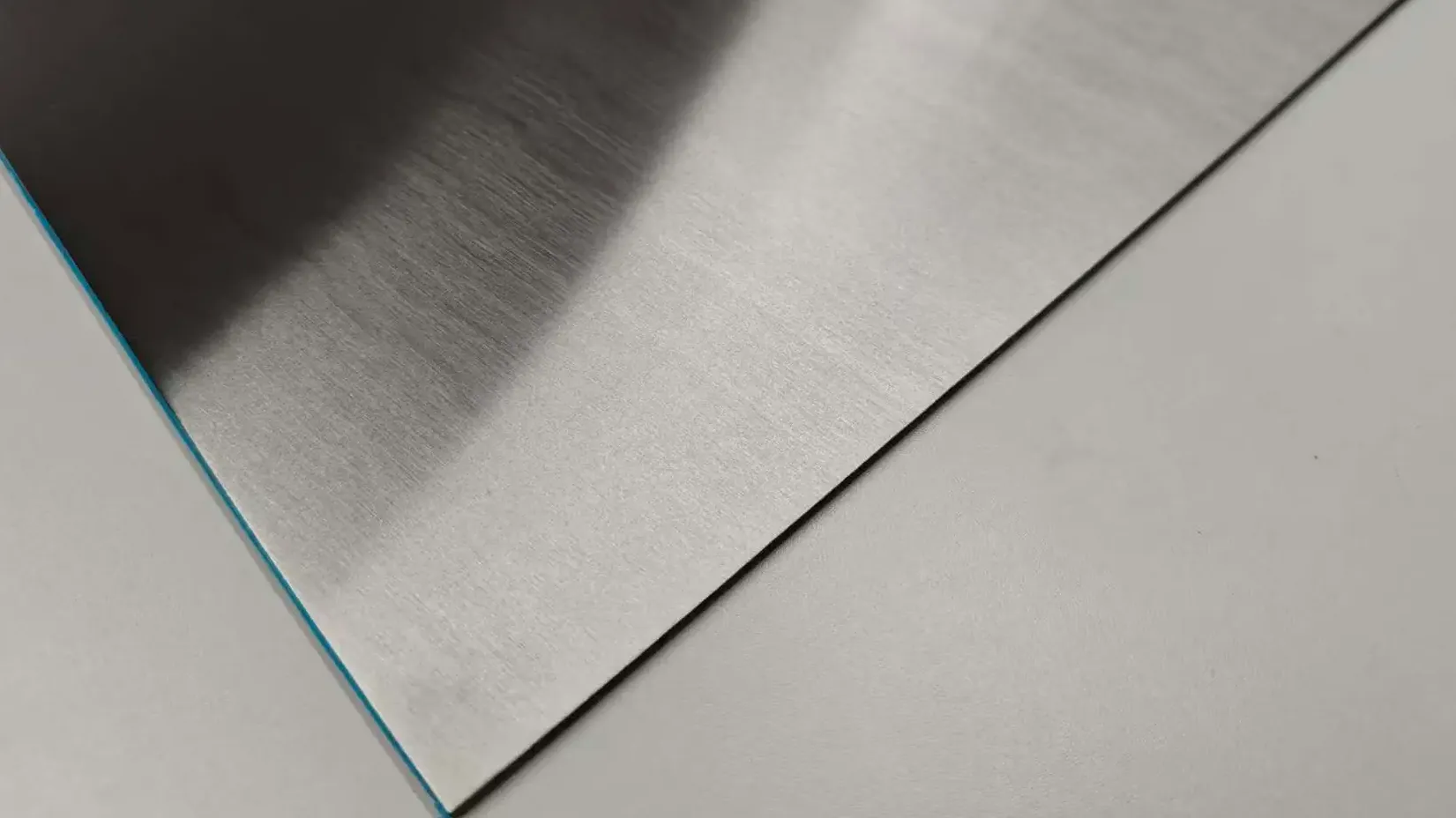
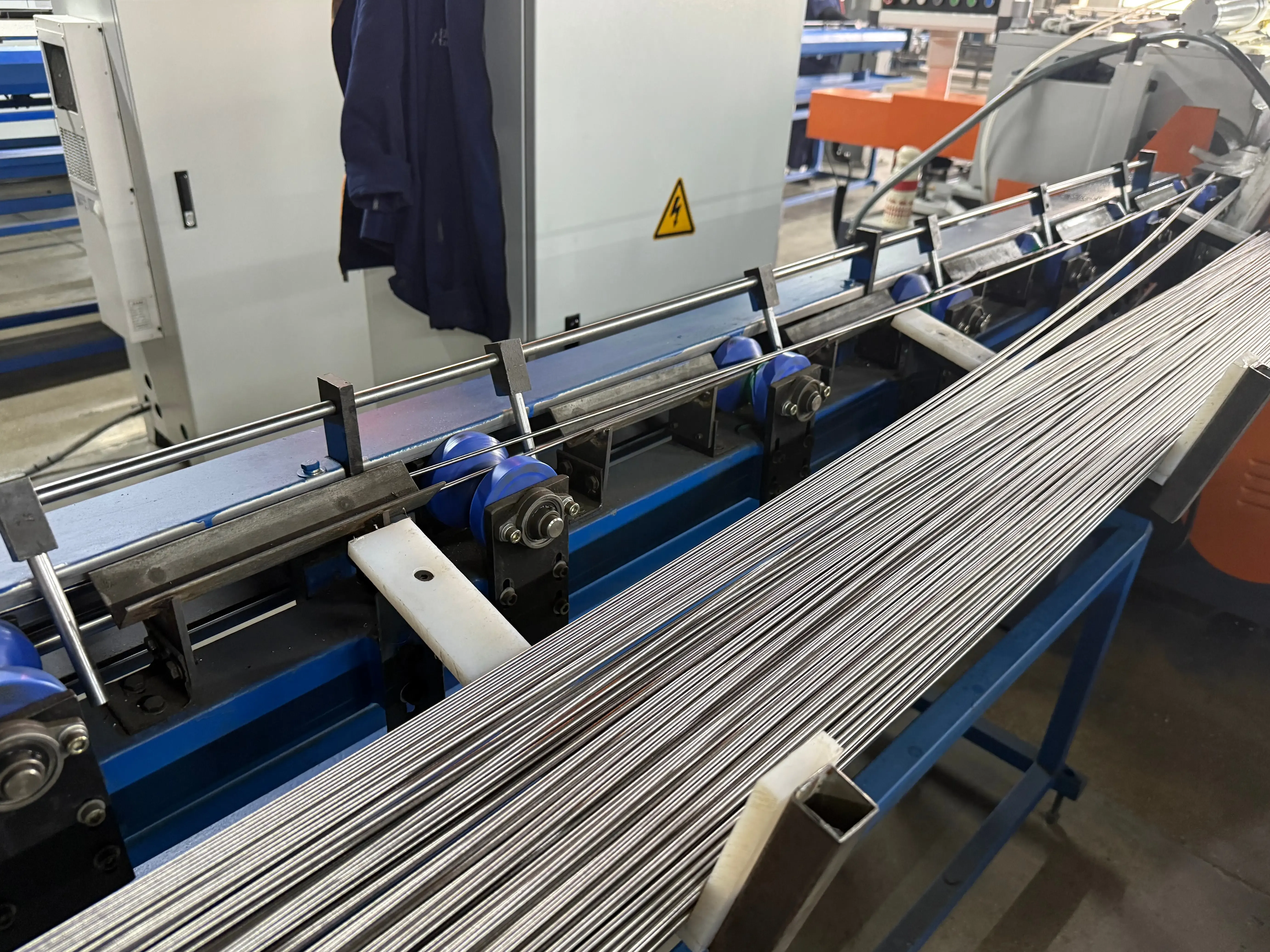
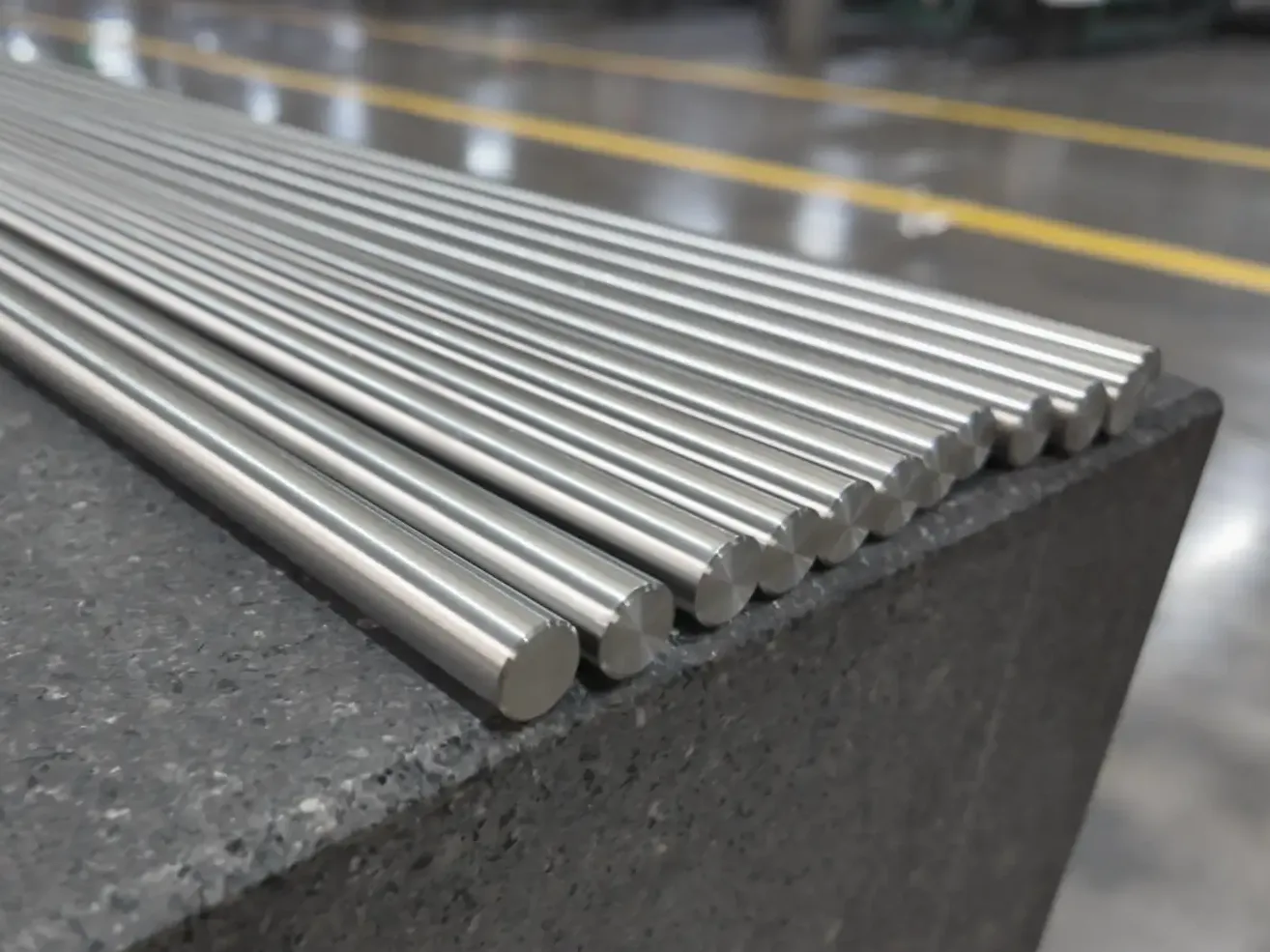
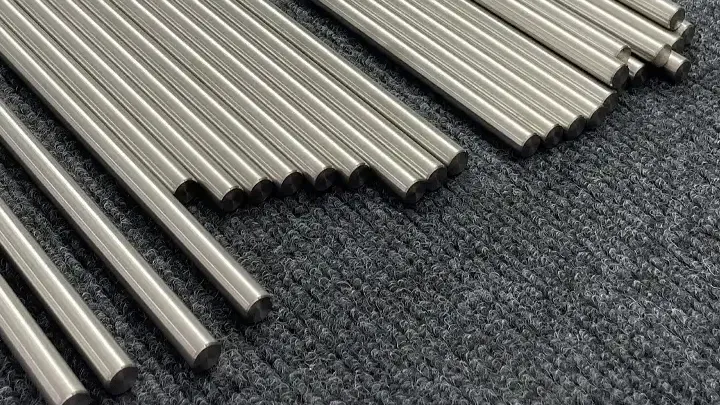
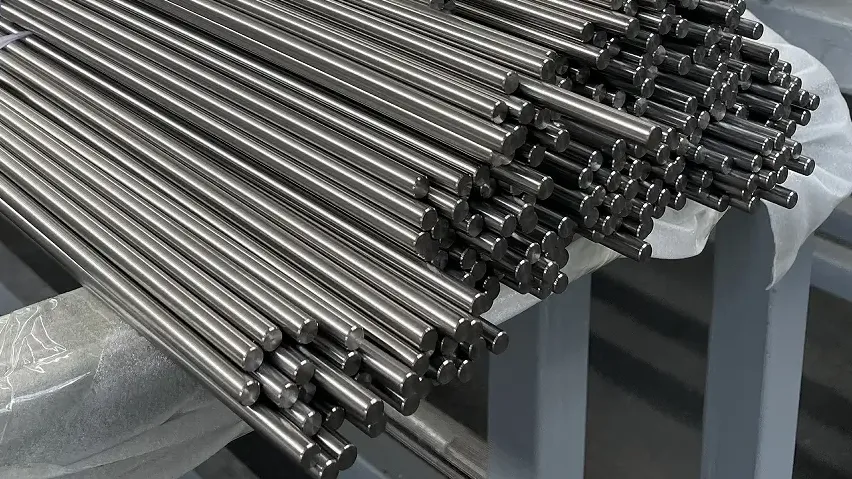
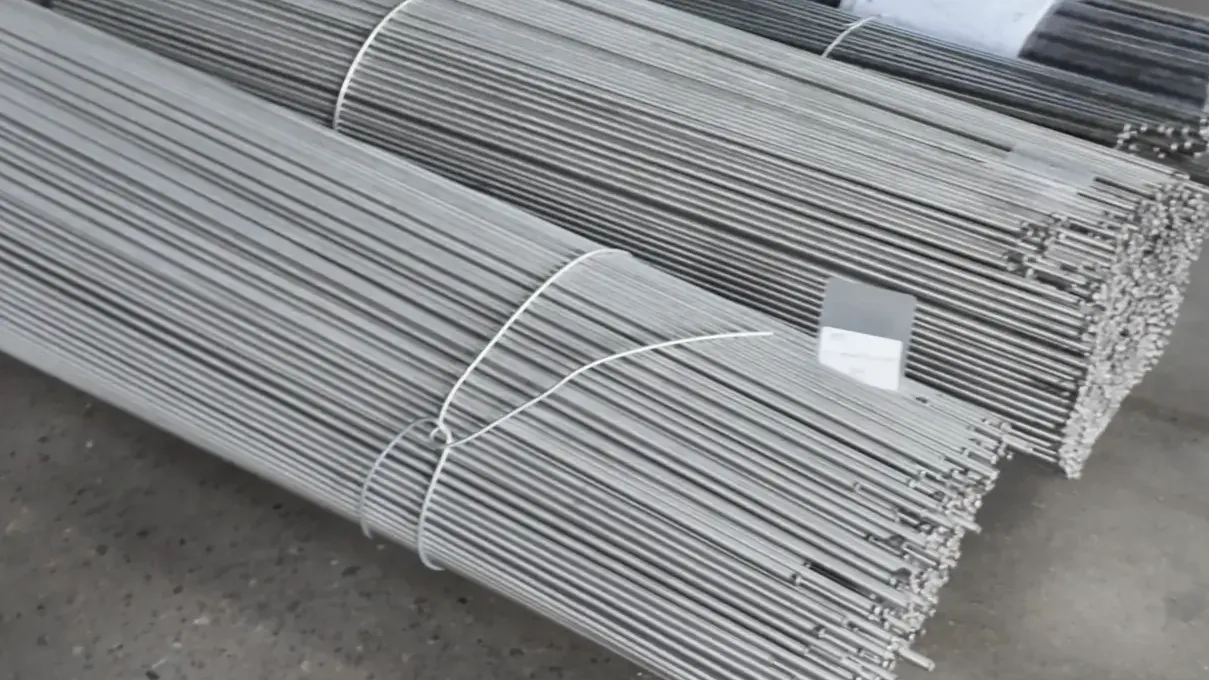
Sunxin supplies Ti-6Al-4V ELI in sheet, bar, wire, round discs, square plates, and custom cut sizes.
Supported standards include ASTM F136 and ISO 5832-3. Specific applicable standards must be confirmed based on product form, end use, and customer drawing requirements.
Available specifications include:
Sheets: T0.5–T200.0 mm, milled surface, standard lengths 200 / 250 / 300 mm, widths 200 / 300 / 500 / 1000 mm, tolerance -0.0 / +1.0 mm, delivered in the annealed condition.
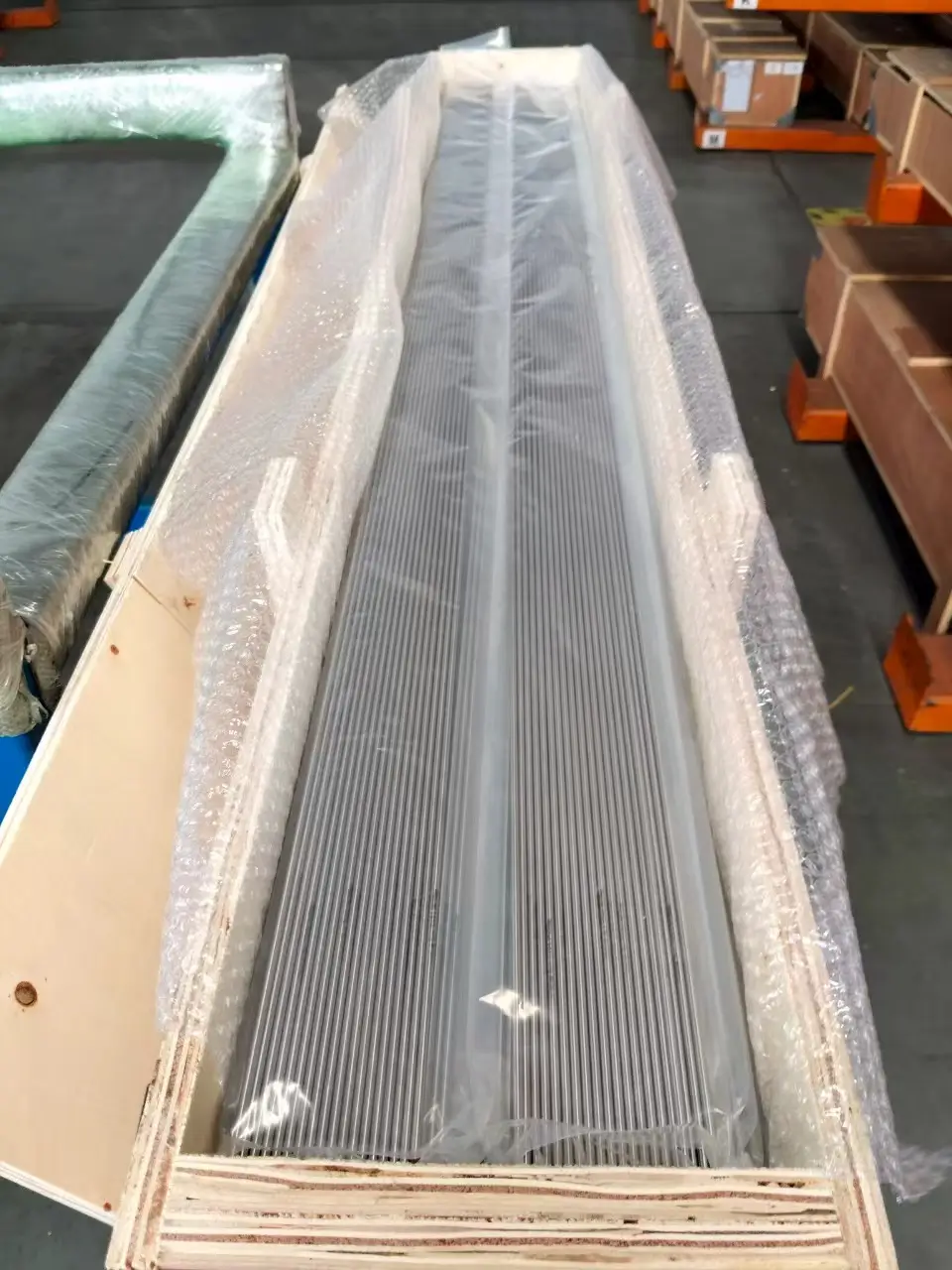
Bar stock: Φ1.0–Φ200.0 mm, polished or precision-polished, standard length 3 m/piece, tolerances available from h6 to h9, delivered annealed.
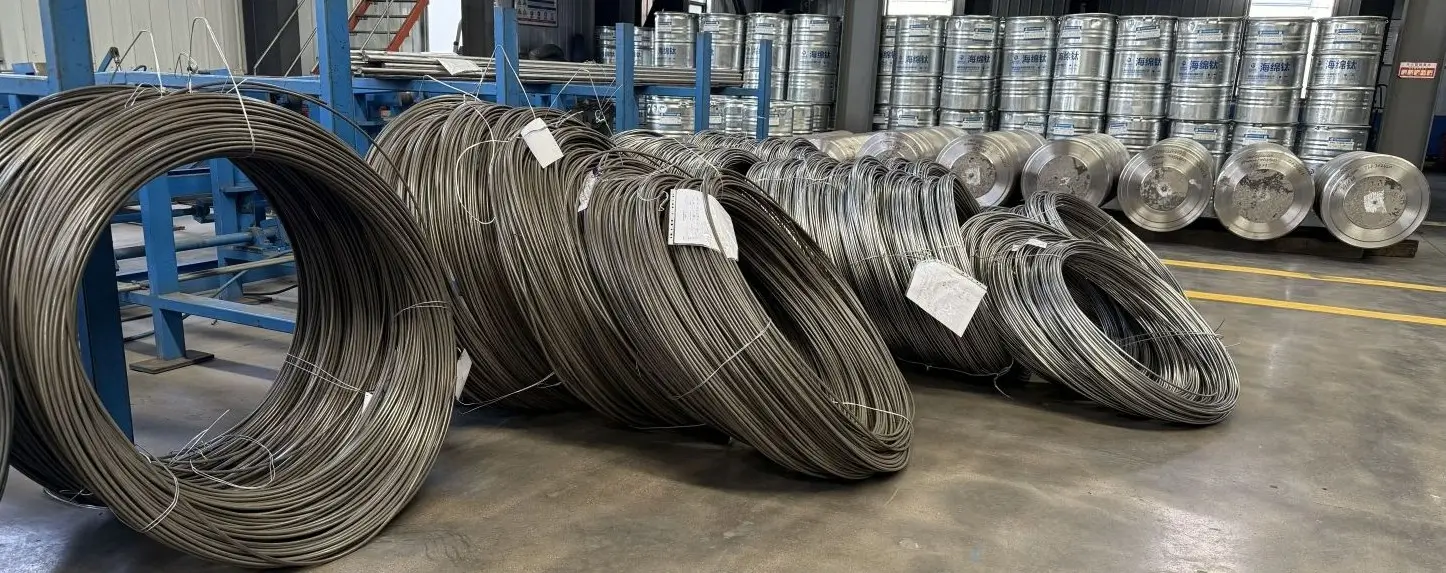
Wire: Φ1.0–Φ3.0 mm, polished or precision-polished, standard length 1 m/piece, tolerances available from h6 to h9, delivered annealed.
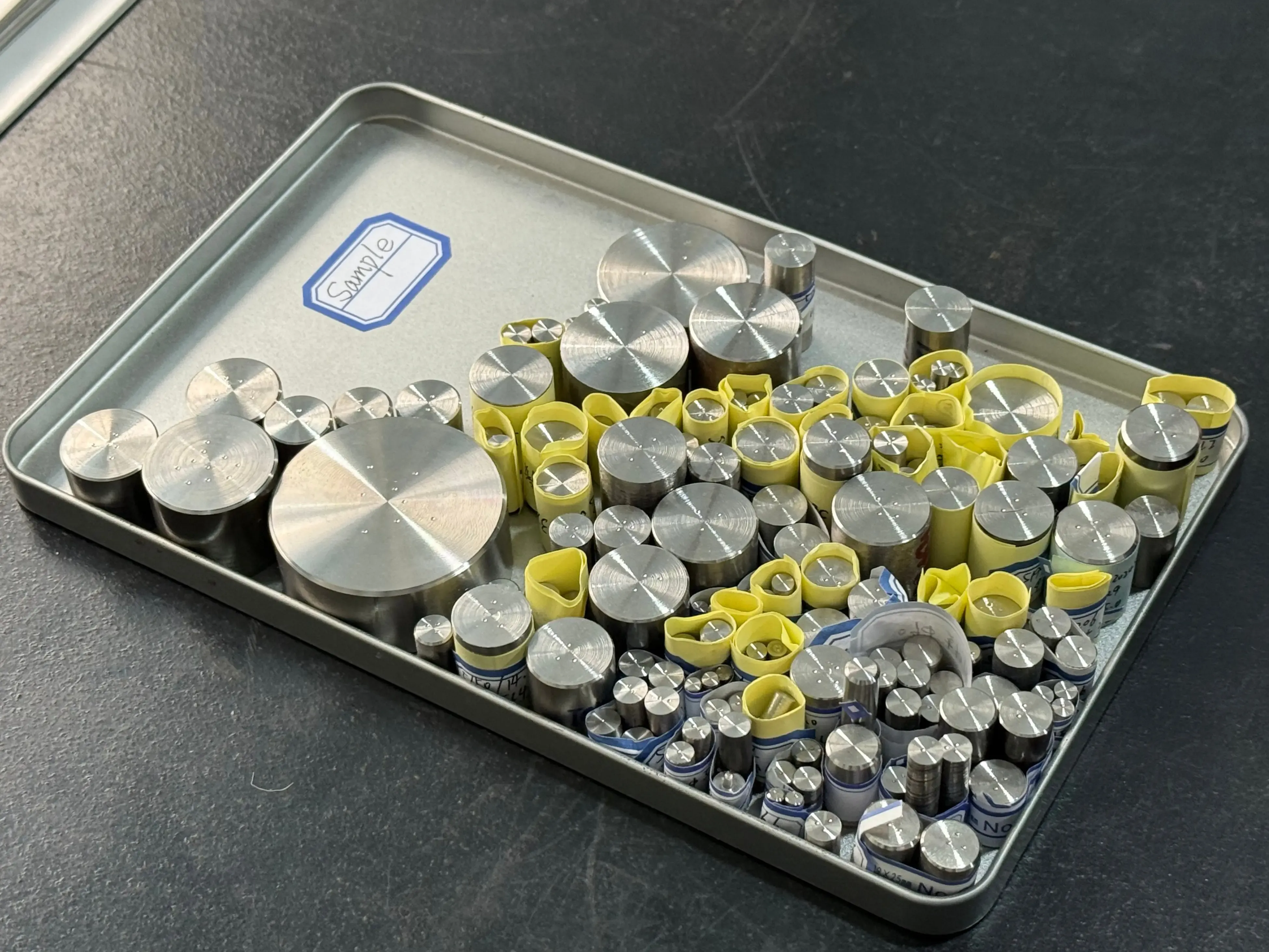
Titanium Discs: Diameter Φ98.0 mm, thickness 10.0 / 12.0 / 14.0 / 16.0 / 18.0 / 20.0 / 22.0 / 25.0 mm, milled surface, available in vacuum packaging.
Titanium Square Plates: 150 × 140 × T, 205 × 145 × T, 250 × 155 × T; thicknesses 10.0 / 12.0 / 14.0 / 16.0 / 18.0 / 20.0 / 22.0 / 25.0 mm; milled surface; vacuum packaging available.
For Ti-6Al-4V ELI projects, it is recommended to confirm the material form, delivery condition, surface condition, dimensions, tolerances, and applicable standards prior to production. For medical implants, dental implants, and spinal projects, it is also necessary to confirm chemical composition, mechanical properties, fatigue requirements, inspection items, quality documentation, and traceability requirements.
Sunxin is certified under the ISO 13485 and ISO 9001 quality management systems and can support batch management, traceability control, testing coordination, and quality documentation management.