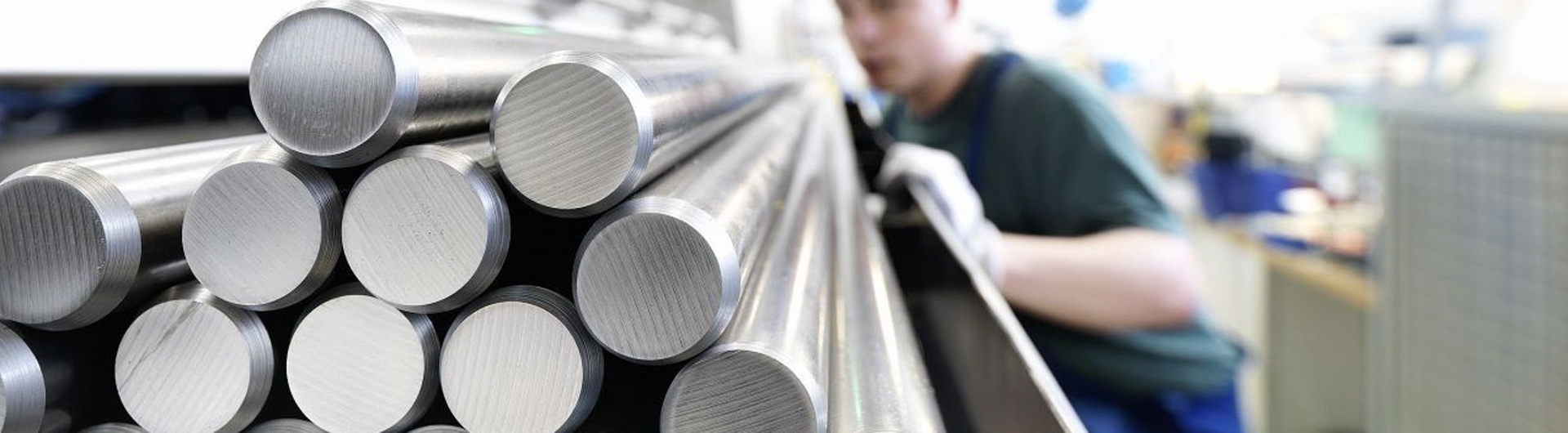

Cobalt-chromium-molybdenum alloy, commonly written as CoCrMo, has been used in medical implants for decades. It is known for high strength, excellent wear resistance, good fatigue performance and corrosion resistance under demanding mechanical conditions. For orthopedic implants, dental prosthetic components, joint replacement systems and precision medical devices, CoCrMo remains one of the most important metallic biomaterials.
But the question “Is CoCrMo safe for implants?” cannot be answered with a simple yes or no.
A better answer is this:
CoCrMo can be safe and clinically suitable for implant applications when the correct medical-grade alloy, validated design, controlled manufacturing process, surface condition, biological evaluation and regulatory requirements are all properly managed. However, CoCrMo is not automatically safe simply because the alloy name appears on a certificate.
That distinction matters. For device manufacturers, OEM buyers and materials engineers, the safety of CoCrMo is not only a material issue. It is a complete system issue involving alloy chemistry, metallurgical quality, device design, wear behavior, corrosion resistance, cleaning, passivation, traceability and clinical use environment.
This article explains how CoCrMo performs as an implant material, where it is commonly used, what risks buyers should understand, how it compares with titanium and stainless steel, and what B2B purchasers should verify before sourcing CoCrMo materials.
What Is CoCrMo?
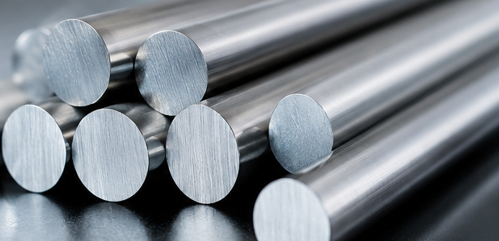
CoCrMo is a cobalt-based alloy system containing cobalt as the base element, with chromium and molybdenum as major alloying elements. In implant applications, the most familiar composition family is often described as cobalt-28 chromium-6 molybdenum. ASTM F75 covers cobalt-28 chromium-6 molybdenum alloy castings and casting alloy for surgical implants, while ASTM F1537 covers wrought cobalt-28 chromium-6 molybdenum alloys for surgical implants. ASTM F799 also covers cobalt-28 chromium-6 molybdenum alloy forgings for surgical implants.
Internationally, ISO 5832-4 specifies requirements for cobalt-chromium-molybdenum casting alloy used in surgical implants, while ISO 5832-12 covers wrought cobalt-chromium-molybdenum alloy for surgical implant use.
In practical terms, CoCrMo is valued because it combines:
high mechanical strength,
high hardness,
good fatigue resistance,
excellent wear resistance,
good corrosion resistance,
strong dimensional stability,
and long clinical history in selected implant applications.
Because of these properties, CoCrMo is commonly associated with load-bearing and wear-resistant implant components. PubMed-indexed literature describes cobalt-chrome alloys as commonly used in dental and orthopedic implants because of their strength, temperature endurance and wear resistance.
Why Is CoCrMo Used in Implants?
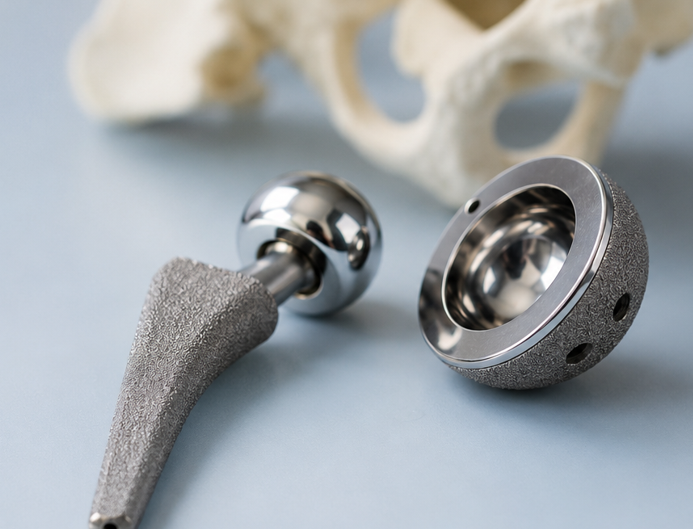
Implants often work in extremely demanding environments. They may be exposed to body fluids, cyclic loading, friction, micro-motion, sterilization processes and long-term mechanical stress. A material that performs well in a laboratory but fails under real mechanical use is not suitable for serious implant applications.
CoCrMo is used because it solves several engineering problems at once.
First, it has high strength. Compared with many stainless steels and commercially pure titanium grades, CoCrMo can offer higher hardness and better load-bearing capability. This is useful for components exposed to repeated mechanical stress.
Second, it has excellent wear resistance. In orthopedic implants, especially joint-related components, wear behavior is critical. Small particles generated by wear can trigger biological reactions, so material selection, surface finishing and mating material design become essential. CoCrMo has historically been used where wear resistance is a major concern.
Third, it has good corrosion resistance. Chromium contributes to the formation of a passive oxide film on the surface. This passive layer helps protect the alloy from rapid corrosion in physiological environments. Research on CoCrMo has linked its corrosion resistance to the spontaneous formation of a chromium-rich passive oxide film.
Fourth, CoCrMo has a long regulatory and clinical history. For device companies, materials with established standards and long-term use records can be easier to justify than newer experimental materials, provided the intended application and risk profile are appropriate.
Is CoCrMo Biocompatible?
CoCrMo is generally considered a recognized implant material when produced and processed according to relevant medical standards. However, “biocompatible” does not mean “risk-free.” It also does not mean that a raw bar, casting or forging is automatically suitable for implantation.
Biocompatibility depends on the finished device, not only the base material. The FDA explains that biocompatibility assessment should consider material components, manufacturing processes, clinical use, anatomical location and duration of exposure.
This is important for B2B buyers. A material supplier can provide medical-grade CoCrMo material with chemistry, mechanical properties and traceability. But the final medical device manufacturer is still responsible for device-level design validation, biological evaluation, cleaning validation, sterilization validation and regulatory submission.
For long-term implants, biological evaluation usually follows an ISO 10993 risk-management approach. ISO 10993-1 defines principles and requirements for assessing biological safety within a broader risk-management framework.
So the practical answer is:
CoCrMo can be biocompatible in approved implant applications, but only when material quality, surface condition, device design, processing and biological evaluation are properly controlled.
The Main Safety Concerns with CoCrMo Implants
CoCrMo is not a “dangerous” material by default, but it does have known risk factors. Buyers and engineers should understand these clearly.
1. Metal Ion Release
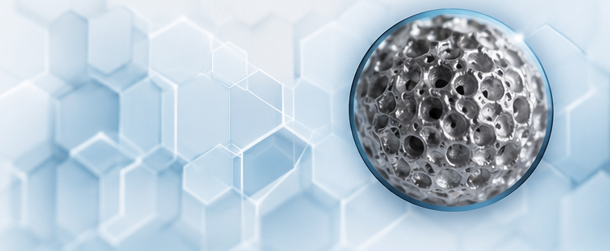
The most discussed concern is the release of cobalt and chromium ions or metal particles, especially in applications involving high wear, fretting or metal-on-metal contact.
The FDA notes that in metal-on-metal hip implants, sliding metal surfaces can release tiny metal particles, and cobalt and chromium ions may enter the bloodstream. The FDA also states that different people may react differently to these ions and particles, and that adverse local tissue reactions may occur in some cases.
This does not mean every CoCrMo implant is unsafe. It means that design and application matter enormously.
A CoCrMo femoral component articulating against polyethylene is different from a metal-on-metal bearing system. A CoCrMo dental framework is different from a high-wear orthopedic joint surface. A polished component is different from a poorly finished surface with machining damage or inclusions.
For manufacturers, the question should not be “Does CoCrMo release ions?” but rather:
How much ion release may occur under the intended use condition?
Is the surface finish appropriate?
Is there fretting at modular connections?
Is the component paired with a compatible material?
Has wear and corrosion behavior been evaluated?
Is the patient-contact duration long-term?
Are the relevant biological endpoints addressed?
2. Wear Particles
Implants that move against another surface can generate wear particles. The biological response to wear debris depends on particle size, chemistry, quantity and location. CoCrMo has strong wear resistance, but no metallic implant material is completely immune to wear under unfavorable conditions.
This is why surface finishing, dimensional accuracy and contact mechanics are critical. For buyers, roughness control and inspection should not be treated as cosmetic requirements. They are part of the safety and performance profile.
3. Fretting and Crevice Corrosion
Even when a material has good corrosion resistance, localized corrosion can occur under certain mechanical or electrochemical conditions. Fretting corrosion may appear at modular junctions or areas with micro-motion. CoCrMo’s passive film can protect the alloy, but repeated mechanical disruption of the passive layer may increase metal release.
This is why implant companies pay close attention to connection design, taper design, machining quality and surface cleanliness.
4. Metal Sensitivity
Some patients may have sensitivity to metals such as cobalt, chromium or nickel. The FDA’s recommendations for metal-on-metal hip resurfacing include avoiding use in patients with known metal sensitivity, among other risk factors.
For manufacturers, this does not eliminate CoCrMo from implant design. It means that labeling, risk analysis and patient selection may matter depending on the device type.
5. High Elastic Modulus
CoCrMo is stiffer than titanium. In some implant designs, a high elastic modulus can contribute to stress shielding, where the implant carries too much load and surrounding bone receives less mechanical stimulation. This is one reason titanium is often preferred for certain bone-contacting implants, while CoCrMo may be selected for wear-resistant or high-strength components.
CoCrMo vs Titanium: Which Is Safer?
Many buyers compare CoCrMo with titanium because both are widely used in medical implants. The better question is not which material is “safer” in general, but which material is safer and more suitable for the specific device application.
Factor | CoCrMo | Titanium / Ti-6Al-4V |
|---|---|---|
Strength | Very high | High, especially titanium alloys |
Wear resistance | Excellent | Lower than CoCrMo in many sliding/wear applications |
Elastic modulus | Higher, stiffer | Lower, closer to bone |
Corrosion resistance | Good due to passive chromium oxide film | Excellent due to titanium oxide film |
Osseointegration | Used in selected applications, but titanium is often favored for bone integration | Strong clinical history for osseointegration |
Machinability | More difficult to machine | Generally easier than CoCrMo |
Common use | Joint components, dental frameworks, high-wear components | Dental implants, orthopedic screws, plates, spinal implants, stems |
Main concern | Ion release under wear/fretting conditions | Wear resistance can be weaker in some articulating uses |
Titanium is often selected when bone integration, lower stiffness and lightweight performance are priorities. CoCrMo is often selected when wear resistance, hardness and high mechanical strength are essential.
For example, a dental implant fixture is commonly titanium or titanium alloy, while CoCrMo may be used more often in dental prosthetic frameworks, orthopedic joint components or high-load medical parts. In orthopedics, a device may combine multiple materials: titanium for stems or porous structures, CoCrMo for bearing or high-wear components, ceramics for low-wear articulating surfaces, and polyethylene for liners.
A smart material decision is based on function, not fashion.
CoCrMo vs Stainless Steel: Why CoCrMo Is Often Preferred for Long-Term High-Load Implants
Medical stainless steel, especially 316LVM, has a long history in surgical devices. It is still used in instruments, temporary implants, trauma devices and selected implant applications. However, CoCrMo often offers higher hardness, better wear resistance and stronger performance in demanding long-term load-bearing applications.
Stainless steel may be more cost-effective and easier to machine. CoCrMo is more difficult to process but offers better wear resistance and higher strength for critical applications.
For B2B buyers, the choice should consider:
implant duration,
load level,
wear environment,
corrosion risk,
regulatory history,
cost target,
machining difficulty,
and required mechanical properties.
A lower material price is not always a lower device cost. If the material generates higher wear, lower fatigue life or more quality-control problems, the total risk becomes much higher.
When Is CoCrMo a Good Implant Material Choice?
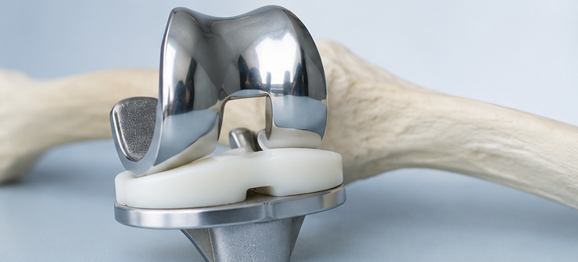
CoCrMo is generally a strong candidate when the device requires:
high wear resistance,
high hardness,
high fatigue strength,
excellent polishability,
good dimensional stability,
long-term mechanical durability,
or resistance to repeated loading.
Common applications may include orthopedic joint components, femoral heads, knee components, dental prosthetic frameworks, partial denture frameworks, spinal components and other high-strength surgical device parts.
However, CoCrMo may not be the best choice when the design requires very low stiffness, maximum osseointegration, low density or minimal metal-ion concern in a high-wear metal-on-metal environment.
This is why many modern devices use material combinations rather than relying on one metal for every function.
Why “Medical Grade CoCrMo” Is Not Enough
One common mistake in B2B sourcing is assuming that the phrase “medical grade” is enough. It is not.
A serious implant manufacturer should verify the exact standard, product form and test data. CoCrMo may be supplied as casting alloy, wrought bar, forged material, rod, disc or custom semi-finished product. Each form may follow different standards and manufacturing routes.
For example:
ASTM F75 is associated with cast CoCrMo alloy for surgical implants.
ASTM F1537 is associated with wrought CoCrMo alloy for surgical implants.
ASTM F799 is associated with CoCrMo alloy forgings for surgical implants.
ISO 5832-4 applies to CoCrMo casting alloy.
ISO 5832-12 applies to wrought CoCrMo alloy.
The buyer should check not only the standard name but also:
chemical composition,
mechanical properties,
microstructure,
inclusion control,
heat treatment condition,
grain size if applicable,
surface condition,
ultrasonic testing if required,
traceability,
lot consistency,
and certificate accuracy.
For medical device companies, a reliable material supplier should be able to support documentation and technical communication, not simply quote a price. This is where manufacturers such as SUNXIN can be positioned naturally: for buyers sourcing CoCrMo bars, rods, discs or custom medical alloy materials, consistent documentation, material traceability and communication around ASTM/ISO requirements can be just as important as the alloy itself.
Key Quality Factors That Affect CoCrMo Implant Safety
1. Chemical Composition Control
Small changes in carbon, nickel, iron or impurity levels may influence performance. Buyers should verify whether they need low-carbon, high-carbon or specific wrought/cast grades. The requested grade should match the device design and regulatory file.
2. Microstructure
Microstructure affects strength, fatigue performance, corrosion behavior and machinability. Cast and wrought CoCrMo do not behave the same way. A good purchasing specification should define the product form and standard clearly.
3. Surface Finish
A poor surface can increase wear, corrosion risk and biological response. For articulating or load-bearing components, polishing, roughness and surface integrity are not optional details. They are performance-critical.
4. Cleanliness and Residue Control
Manufacturing residues, polishing compounds, machining oils and cleaning chemicals can affect biological safety. FDA biocompatibility guidance emphasizes evaluating not only materials, but also processing, manufacturing methods, sterilization and manufacturing residuals.
5. Traceability
Implant materials must be traceable from raw material to finished product. Heat number, batch number, mill test certificate, inspection report and internal quality records should be aligned. Any mismatch can create regulatory and customer-audit problems.
6. Supplier Stability
For OEM manufacturers, changing material suppliers can trigger revalidation, documentation updates or regulatory review. A stable supplier helps reduce variation between lots and supports long-term manufacturing consistency.
How Should Buyers Evaluate a CoCrMo Supplier?
For B2B buyers, especially implant manufacturers and medical device machining companies, supplier evaluation should go beyond price.
A practical supplier checklist includes:
Can the supplier provide the correct ASTM or ISO standard?
Can they clarify whether the material is cast, wrought or forged?
Can they provide full chemical composition and mechanical test reports?
Can they support heat number traceability?
Can they supply consistent dimensions and tolerances?
Can they discuss surface condition and downstream machining needs?
Can they provide documentation in a format suitable for customer audits?
Can they support repeat orders with stable quality?
Can they explain differences between ASTM F75, ASTM F1537 and ASTM F799 instead of treating all CoCrMo as the same?
For medical alloy procurement, technical response speed matters. If a supplier cannot explain the standard, they may not be the right partner for implant-grade sourcing.
Sunxin’s role can be introduced in this context without turning the article into an advertisement. For example, buyers comparing CoCrMo materials for implant components often need support with grade matching, documentation review and stable supply of medical metal forms. SUNXIN Medical focuses on medical-grade titanium, stainless steel and CoCrMo-related material solutions for manufacturers that require traceable, specification-driven supply rather than generic metal trading.
That kind of mention is natural because it is connected to the buyer’s actual sourcing decision.
Is CoCrMo Safe for Dental Implants?
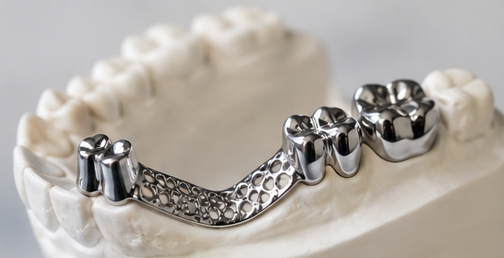
For dental applications, the answer depends on what part of the dental system is being discussed.
Titanium and titanium alloys are more commonly used for dental implant fixtures because of their osseointegration history. CoCrMo is more commonly associated with dental prosthetic frameworks, partial denture frameworks, superstructures and certain restorative components.
In dental prosthetics, CoCrMo is valued for strength, corrosion resistance and cost-performance compared with precious alloys. However, as with orthopedic devices, biological safety depends on alloy quality, surface finishing, manufacturing method and patient-specific factors.
A dental manufacturer should not simply ask, “Can CoCrMo be used in dentistry?” The better questions are:
Is this component implanted or removable?
Is it in direct tissue contact?
How long is the contact duration?
Is it load-bearing?
Will it contact another metal?
Is the surface polished or rough?
Does the patient have known metal sensitivity?
What standard and regulatory route apply?
This makes the article more useful for professional readers and helps avoid shallow content.
Is CoCrMo Safe for Orthopedic Implants?
CoCrMo has a stronger and more visible history in orthopedic implants, especially joint replacement components. Its high wear resistance makes it valuable in knees, hips and other articulating or load-bearing systems.
However, orthopedic use also illustrates the key risk: wear and metal ion release under certain designs, especially metal-on-metal systems. FDA information on metal-on-metal hip implants highlights concerns related to metal particles, cobalt/chromium ions, adverse local tissue reactions and the need for careful patient and device evaluation.
This does not mean CoCrMo should be avoided in all orthopedic applications. It means modern orthopedic design must control the full tribological system: material pairing, surface finish, geometry, loading, surgical positioning and long-term wear behavior.
In many cases, CoCrMo continues to be used successfully in combination with polyethylene, ceramics or titanium components. The safety question is not the alloy alone. It is the alloy plus design plus clinical use.
Practical Answer: When Is CoCrMo Safe?
CoCrMo is more likely to be safe and suitable when:
the correct implant-grade standard is selected,
the product form matches the intended component,
chemistry and microstructure are controlled,
surface finish is appropriate,
wear and corrosion risks are evaluated,
the material is paired with compatible components,
cleaning and sterilization processes are validated,
biological evaluation follows ISO 10993 principles,
and the finished device meets applicable regulatory requirements.
CoCrMo becomes higher risk when:
the material standard is unclear,
the supplier cannot provide traceability,
the surface finish is poorly controlled,
the component experiences high fretting,
the design creates excessive metal-on-metal wear,
the patient population includes known metal sensitivity,
or the manufacturer treats raw material certification as a substitute for device-level validation.
In other words, CoCrMo is not safe because of its name. It is safe when it is correctly specified, correctly manufactured and correctly used.
FAQ: CoCrMo Implant Safety
1. Is CoCrMo safe inside the human body?
CoCrMo can be suitable for long-term implant applications when it meets medical material standards and is used in a validated device design. However, biological safety must be evaluated at the finished-device level, considering processing, surface condition, contact duration and intended anatomical use.
2. Does CoCrMo release metal ions?
Yes, CoCrMo can release cobalt and chromium ions or particles, especially under wear, corrosion or fretting conditions. The risk depends heavily on implant design, surface finish, material pairing and use environment. This issue is especially important in high-wear metal-on-metal applications.
3. Is CoCrMo better than titanium?
Not always. CoCrMo usually offers better wear resistance and higher hardness, while titanium offers lower stiffness, lighter weight and strong osseointegration history. Titanium is often preferred for dental implant fixtures and bone-contacting implants, while CoCrMo is often selected for high-strength or wear-resistant components.
4. What standards apply to CoCrMo implant materials?
Common standards include ASTM F75 for cast CoCrMo alloy, ASTM F1537 for wrought CoCrMo alloy, ASTM F799 for CoCrMo forgings, ISO 5832-4 for CoCrMo casting alloy and ISO 5832-12 for wrought CoCrMo alloy.
5. Is CoCrMo used in dental implants?
CoCrMo is used in dentistry, especially for dental prosthetic frameworks and restorative structures. However, titanium is more common for dental implant fixtures. The suitability of CoCrMo depends on the exact component, tissue contact, design and regulatory requirements.
6. Why do some people worry about cobalt-chrome implants?
The main concerns are metal ion release, wear particles, adverse local tissue reactions and possible sensitivity in some patients. These concerns are most associated with certain high-wear or metal-on-metal implant designs, not every CoCrMo component.
7. Can CoCrMo be used for custom medical components?
Yes, but the buyer should clearly define the standard, product form, dimensions, mechanical properties, surface condition, inspection requirements and documentation. For implant-related applications, supplier traceability and consistency are critical.
8. What should buyers ask before purchasing CoCrMo for implants?
Buyers should ask for the applicable ASTM/ISO standard, material certificate, chemical composition, mechanical properties, heat number traceability, product form, inspection reports and confirmation that the supplied material matches the intended manufacturing route.
Conclusion
So, is CoCrMo safe for implants?
Yes, CoCrMo can be safe and highly effective in implant applications — but only when it is selected and controlled as a medical engineering material, not treated as a generic cobalt alloy.
Its strengths are clear: high wear resistance, high mechanical strength, good corrosion resistance and long history in orthopedic and dental-related applications. Its risks are also clear: metal ion release, wear debris, fretting corrosion, high stiffness and patient-specific sensitivity.
For device manufacturers, the safest approach is not to ask whether CoCrMo is good or bad. The better approach is to ask whether the alloy grade, standard, product form, surface condition, design environment and supplier documentation match the intended implant application.
For B2B buyers, this is where supplier quality becomes part of product safety. A reliable medical metal supplier should support material traceability, standard matching, stable quality and technical communication. For companies sourcing CoCrMo, titanium, stainless steel or other implant-grade materials, SUNXIN can be considered as a specification-driven material partner for manufacturers that need consistency, documentation and long-term supply support rather than one-time commodity purchasing.
In implant manufacturing, safety is never created by material selection alone. It is created by the full chain: design, material, processing, inspection, validation and clinical responsibility. CoCrMo remains a valuable implant material when that chain is properly controlled.