
Introduction
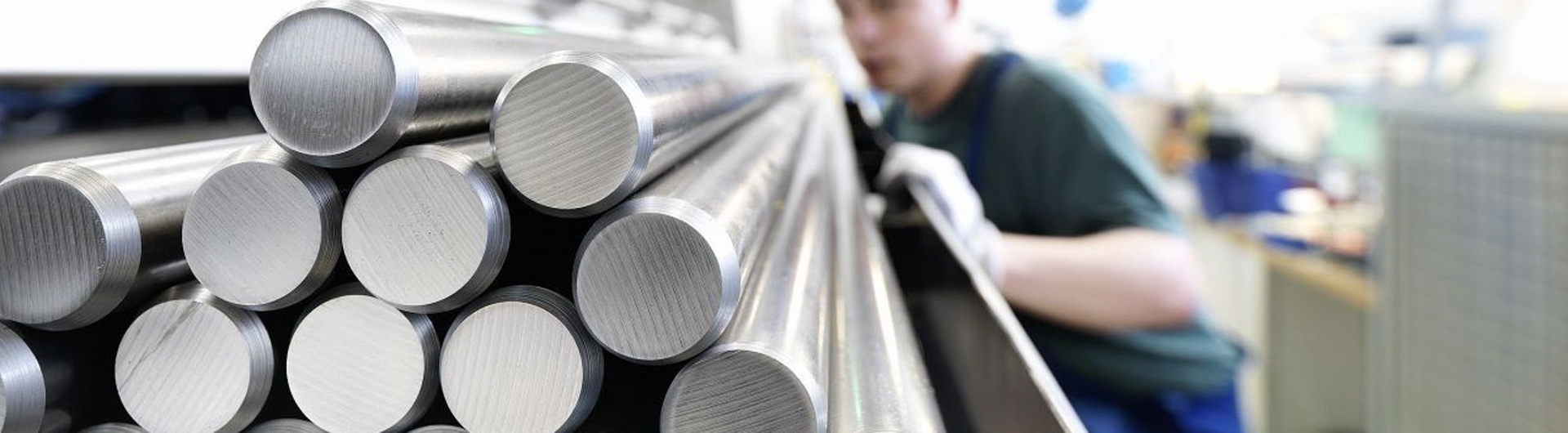
In industries where failure is not an option—such as medical implants, aerospace systems, and high-performance energy equipment—the choice of material is more than a specification; it is a strategic decision.
Among the elite class of ultra-high-performance alloys, MP35N stands out. Known for its exceptional strength, corrosion resistance, and biocompatibility, MP35N has become a preferred material in demanding environments where conventional stainless steels and titanium alloys fall short.
But what exactly makes MP35N unique? How does it compare with other materials? And when should manufacturers or procurement teams seriously consider it?
This guide answers those questions in depth—going beyond surface-level explanations to help you make informed sourcing and engineering decisions.
What Is MP35N Alloy?
MP35N is a nickel-cobalt-based superalloy composed primarily of:
Nickel (Ni)
Cobalt (Co)
Chromium (Cr)
Molybdenum (Mo)
The name “MP35N” originates from:
MP = Multi-Phase
35 = Approximate nickel-cobalt content
N = Nickel-based system
Typical Chemical Composition
Element | Percentage (%) |
|---|---|
Nickel (Ni) | ~35 |
Cobalt (Co) | ~35 |
Chromium (Cr) | ~20 |
Molybdenum (Mo) | ~10 |
This unique composition enables MP35N to achieve a rare combination of:
Ultra-high tensile strength (up to ~300 ksi / 2068 MPa)
Excellent corrosion resistance
Non-magnetic properties (in certain conditions)
Outstanding fatigue resistance
Key Properties of MP35N Alloy
1. Exceptional Strength
MP35N is one of the strongest commercially available alloys.
Cold-worked and aged conditions significantly increase strength
Maintains mechanical integrity even under cyclic loading
This makes it ideal for critical load-bearing components, especially in medical implants like stents and orthopedic devices.
2. Superior Corrosion Resistance
MP35N performs exceptionally well in:
Seawater
Chloride-rich environments
Bodily fluids (important for implants)
Compared to stainless steels like 316L, MP35N offers significantly better resistance to pitting and crevice corrosion.
3. Excellent Fatigue Resistance
In applications where materials undergo repeated stress cycles (e.g., cardiovascular implants), fatigue resistance is crucial.
MP35N provides:
Long service life
Reduced risk of microfractures
4. Biocompatibility
MP35N is widely used in medical-grade applications, thanks to its:
Stability in biological environments
Low ion release
Proven clinical history
5. Non-Magnetic Behavior
After appropriate processing, MP35N can exhibit low magnetic permeability, making it suitable for:
MRI-compatible devices
Sensitive electronic environments
MP35N vs Other Materials
Understanding how MP35N compares to alternatives helps clarify when it’s the right choice.
MP35N vs 316L Stainless Steel
Property | MP35N | 316L |
|---|---|---|
Strength | Much higher | Moderate |
Corrosion Resistance | Superior | Good |
Fatigue Resistance | Excellent | Moderate |
Cost | Higher | Lower |
Conclusion: MP35N is preferred for high-stress, long-life applications.
MP35N vs Titanium Alloys (Ti-6Al-4V)
Property | MP35N | Ti-6Al-4V |
|---|---|---|
Strength | Higher | High |
Density | Higher | Lower (lighter) |
Corrosion Resistance | Excellent | Excellent |
Elastic Modulus | Higher | Lower (closer to bone) |
Conclusion: Titanium is better for weight-sensitive and bone-matching applications, while MP35N excels in high-strength, compact designs.
MP35N vs Elgiloy (Co-Cr Alloy)
Both are cobalt-based alloys, but:
MP35N generally offers higher strength
Elgiloy provides better formability in some cases
Conclusion: MP35N is preferred for maximum performance; Elgiloy for forming flexibility.
Applications of MP35N Alloy
1. Medical Devices
MP35N is widely used in:
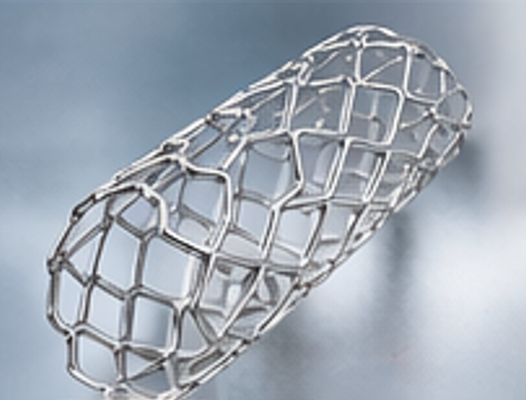
Cardiovascular stents
Orthopedic implants
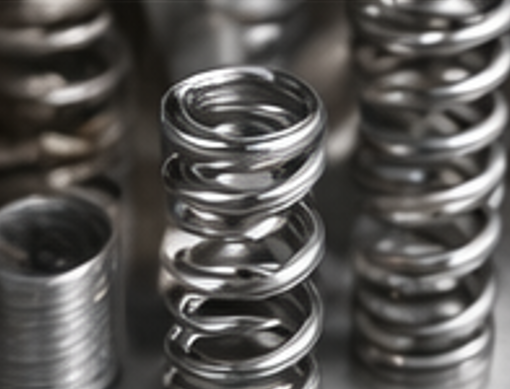
Surgical wires and springs
Its combination of strength + biocompatibility + fatigue resistance makes it indispensable.
2. Aerospace Components
Used in:
Fasteners
Springs
Structural components
Where weight, reliability, and corrosion resistance are critical.

3. Oil & Gas Industry
MP35N performs well in:
Sour gas environments
Deep-sea equipment
Due to its resistance to:
Hydrogen embrittlement
Stress corrosion cracking

4. High-End Industrial Springs
Because of its:
Elastic recovery
Long fatigue life
MP35N is ideal for precision spring manufacturing.
Manufacturing Challenges and Considerations
Despite its advantages, MP35N is not easy to work with.
1. Difficult Machining
High strength leads to tool wear
Requires specialized cutting parameters
2. Strict Process Control
Heat treatment and cold working must be carefully controlled to achieve desired properties.
3. Cost Factors
MP35N is significantly more expensive than stainless steel due to:
Alloying elements (Co, Ni)
Processing complexity
How to Source Reliable MP35N Material
For B2B buyers, sourcing MP35N is not just about price—it’s about consistency and traceability.
Key factors to evaluate:
1. Certification and Standards
ASTM F562 (medical grade)
AMS standards (aerospace)
2. Batch Consistency
Variability can affect:
Mechanical properties
Fatigue life
3. Surface Quality
Critical for:
Implants
Precision components
A Practical Insight from Manufacturing
In real-world supply chains, many issues do not come from the material itself, but from:
Inconsistent processing
Poor traceability
Lack of quality control
This is where experienced manufacturers make a difference.
Some specialized producers (for example, companies like SUNXIN that focus on high-performance alloys and medical-grade materials) invest heavily in:
Tight process control
Stable batch production
Full traceability systems
For buyers, this often translates into fewer downstream problems—even if the upfront cost is slightly higher.

When Should You Choose MP35N?
MP35N is the right choice when:
✔ Failure is not acceptable
✔ Long-term fatigue resistance is required
✔ Corrosion environment is extreme
✔ Component size must be minimized but strength maintained
It may not be ideal when:
✘ Cost is the primary constraint
✘ Lightweight design is critical (consider titanium instead)
FAQ (Frequently Asked Questions)
1. Is MP35N better than stainless steel?
Yes, in terms of strength, corrosion resistance, and fatigue life—but it comes at a higher cost.
2. Is MP35N safe for medical implants?
Yes. It has a long clinical history and meets standards such as ASTM F562.
3. Can MP35N be machined easily?
No. It is difficult to machine and requires specialized tooling and expertise.
4. Does MP35N rust?
It has excellent corrosion resistance, far superior to standard stainless steels, and is highly resistant to rusting.
5. Why is MP35N so expensive?
Because of:
High cobalt and nickel content
Complex processing
Strict quality requirements
Final Thoughts
MP35N is not just another alloy—it is a performance-driven material designed for extreme conditions.
For engineers and procurement professionals, choosing MP35N is often about reducing long-term risk rather than minimizing short-term cost.
In applications where durability, reliability, and safety are paramount, MP35N consistently proves its value.
Related News
-
 Introduction: Why This Comparison Matters More Than You ThinkWhen sourcing stainless steel for industrial, medical, or manufacturing applications, one of the most common—and critical—decisions buyers face is choosing between 304 and 316 stainless steel.At first glance, they look nearly identical. Bo