
Introduction
Titanium alloys and stainless steel are both known for their high strength and excellent corrosion resistance, making them widely used advanced metal materials in industrial manufacturing. However, both materials come with relatively high raw material and processing costs. In addition, each category includes a wide range of alloy grades tailored to different application scenarios. Therefore, selecting the most suitable material for a specific project is critical to ensuring optimal product performance and cost efficiency.
This article provides a comprehensive comparison of titanium alloys and stainless steel from the perspectives of core differences, machining characteristics, and scientific material selection, helping you quickly identify the most suitable material for your project and offering professional guidance for precision component manufacturing.
Core Differences Between Titanium Alloys and Stainless Steel
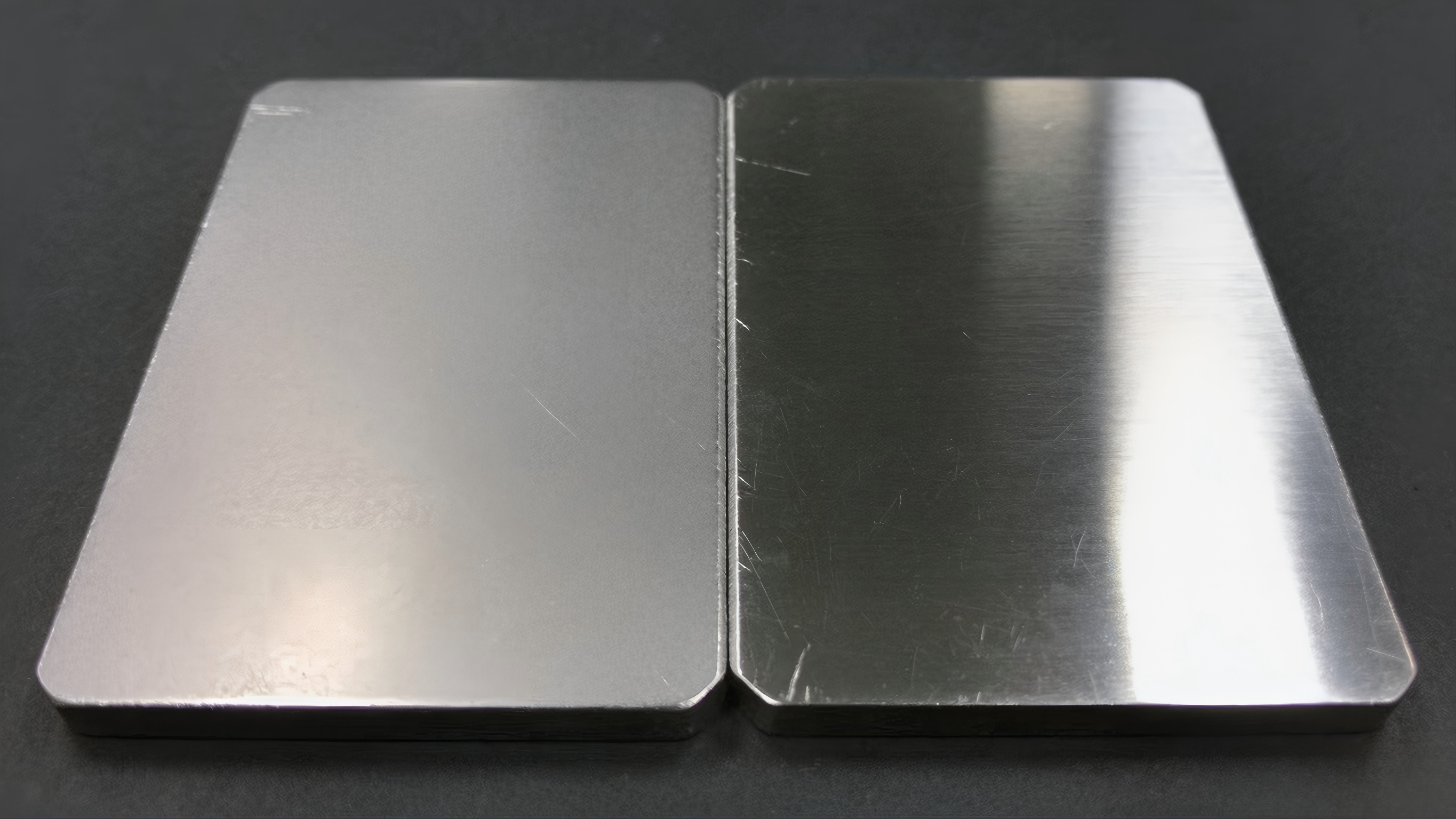
The fundamental distinction between titanium alloys and stainless steel lies in their material nature:
Titanium is a single-element metal, with properties derived from its intrinsic characteristics.
Stainless steel is an alloy composed of iron, chromium, nickel, and other elements, whose properties can be flexibly adjusted by modifying its composition, resulting in greater versatility.
The key differences are summarized below:
Comparison Dimension | Titanium Alloys | Stainless Steel |
|---|---|---|
Material Type | Single-element metal | Multi-element alloy |
Cost | Higher raw material and processing costs | More cost-effective |
Temperature Stability | Maintains strength more consistently under temperature fluctuations | Strength more affected by temperature changes |
Biocompatibility | Non-toxic, excellent biocompatibility | Certain grades (e.g., 316L) offer good biocompatibility |
Surface Properties | Relatively softer, more prone to scratching | Higher hardness, better scratch resistance |
Density / Weight | ~50% of stainless steel; significantly lighter (only ~40% of the weight at similar strength) | Higher density, heavier |
Machining Difficulty | Extremely difficult; machining cost can be up to 30× that of most steel alloys | Easier to machine, lower cost |
Forming & Weldability | More challenging to form and weld | Easier forming and welding |
Fatigue & Brittleness | Excellent fatigue resistance, less prone to cracking | More susceptible to fatigue and brittle fracture |
Thermal Conductivity | Low thermal conductivity | Higher thermal conductivity |
Machining Characteristics and Typical Applications of Titanium Alloys
Despite their high material cost and machining difficulty (significantly exceeding that of conventional steel alloys), titanium alloys are irreplaceable in certain high-end applications due to their unique advantages.
The key benefit is their exceptionally high strength-to-weight ratio—comparable strength to stainless steel but with substantially lower weight—combined with outstanding corrosion resistance and biocompatibility.
These properties make titanium alloys particularly valuable in the following fields:
Aerospace Industry
Lightweighting is a critical requirement. Titanium alloys reduce overall structural weight while maintaining strength, thereby improving operational efficiency.Medical Field
With excellent biocompatibility and non-toxicity, titanium alloys are widely used in implants such as artificial joints and orthopedic devices.
Machining Characteristics and Typical Applications of Stainless Steel
Stainless steel is one of the most widely used high-performance materials across industries. Its core advantage lies in the balance between strength and corrosion resistance, along with the ability to tailor properties through alloy composition.
A material qualifies as stainless steel when it contains at least 10.5% chromium, which is essential for its corrosion resistance.
Among various grades, 300 series stainless steel is the most commonly used in precision machining. Its flexibility allows it to meet a wide range of requirements, from standard industrial components to high-end equipment parts.
Typical applications of stainless steel include:
General mechanical components
Chemical processing equipment
Food processing machinery
Architectural and decorative materials
Certain medical consumables (e.g., devices made from 316L stainless steel)
In general, stainless steel is the preferred choice for applications requiring reliable strength and corrosion resistance, especially when budget constraints and ease of manufacturing are key considerations.
Seven Key Questions for Scientific Material Selection
To determine whether titanium alloy or stainless steel is more suitable for your project, consider the following seven critical questions:
1. Strength Requirements: Is a high strength-to-weight ratio essential?
Yes (e.g., aerospace, high-performance automotive components): Choose titanium alloys
No (moderate strength is sufficient): Stainless steel is adequate
2. Corrosion Environment: Will the material be exposed to highly corrosive conditions?
Yes (e.g., strong acids, alkalis, seawater): Titanium alloys are preferred
No (moderate corrosion resistance required): Stainless steel (e.g., 316) is sufficient
3. Weight Considerations: Is lightweighting a priority?
Yes (e.g., aerospace, automotive, portable devices): Titanium alloys are irreplaceable
No: Stainless steel is a more economical option
4. Thermal Properties: What are the thermal conductivity requirements?
Low thermal conductivity required (e.g., insulation components): Choose titanium alloys
High thermal conductivity required (e.g., heat dissipation components): Choose stainless steel
5. Machining & Forming: Is ease of manufacturing important?
Yes (e.g., mass production, complex geometries, welding assemblies): Stainless steel is easier to process
No (specialized machining acceptable): Titanium alloys may be considered if other conditions favor them
6. Budget Constraints: Is the project cost-sensitive?
Yes: Stainless steel offers better cost efficiency
No (premium performance justifies higher cost): Titanium alloys are suitable
7. Biocompatibility: Is the application in medical or dental fields?
Yes: Both titanium alloys and certain stainless steel grades (e.g., 316L) are applicable, though titanium is generally preferred
No: Evaluate based on other criteria
Subtle Supplier Consideration
In recent years, more global buyers have started working directly with specialized manufacturers who can provide:
Stable titanium and stainless steel supply
Medical-grade material processing
Custom alloy solutions
Strict quality control systems
For example, manufacturers like SUNXIN have focused on combining material expertise with precision manufacturing, especially in applications where consistency and compliance matter.
Rather than positioning materials as interchangeable commodities, this approach ensures that each material is optimized for its intended application, reducing long-term risk for OEM clients.
Frequently Asked Questions (FAQ)
1. Is titanium always better than stainless steel?
No. Titanium is superior in specific areas like weight, corrosion resistance, and biocompatibility. However, stainless steel is more cost-effective and suitable for many general applications.
2. Why is titanium so expensive?
Titanium extraction and processing are more complex. Additionally, machining titanium requires specialized equipment and expertise, increasing production costs.
3. Can stainless steel replace titanium in medical applications?
In some cases (e.g., surgical instruments or temporary implants), yes. However, for permanent implants, titanium is generally preferred due to better biocompatibility.
4. Which material lasts longer?
Titanium typically has a longer lifespan in harsh environments due to superior corrosion resistance.
5. Is titanium stronger than stainless steel?
It depends on the grade. Titanium alloys (like Ti-6Al-4V) offer comparable or higher strength with significantly lower weight.
Final Verdict
There is no universal “better” material—only the right material for the right application.
Titanium excels in performance-critical, long-life, and medical environments
Stainless steel dominates in cost-sensitive, large-scale industrial applications
For B2B buyers, the smartest approach is not choosing one over the other, but partnering with a manufacturer who understands both materials deeply and can guide application-specific decisions.
Related News
-
 Introduction: Why This Comparison Matters More Than You ThinkWhen sourcing stainless steel for industrial, medical, or manufacturing applications, one of the most common—and critical—decisions buyers face is choosing between 304 and 316 stainless steel.At first glance, they look nearly identical. Bo