

Introduction: Why “Implant-Grade” Is Not Just a Marketing Term
In the world of medical manufacturing, few materials carry as much weight as titanium. Yet, not all titanium is created equal. The term “implant-grade titanium” is often used loosely across industries—but in reality, it represents a tightly controlled category defined by strict metallurgical composition, processing standards, and biological performance requirements.
For procurement teams, OEM partners, and medical device engineers, misunderstanding this distinction can lead to cost inefficiencies, compliance risks, or even clinical failure.
This guide goes beyond surface-level explanations. We will explore:
What truly defines implant-grade titanium
The differences between grades (and why they matter)
Standards, certifications, and testing protocols
How to choose the right supplier strategically
What Is Implant-Grade Titanium?
Implant-grade titanium refers to titanium materials specifically manufactured and certified for use inside the human body, meeting stringent international standards such as:
ASTM F67 (Commercially Pure Titanium for Surgical Implants)
ASTM F136 (Ti-6Al-4V ELI alloy for surgical implants)
ISO 5832 series (Implantable metallic materials)
Unlike industrial titanium, implant-grade titanium must meet three critical criteria:
1. Exceptional Biocompatibility
Titanium forms a stable oxide layer (TiO₂), which:
Prevents corrosion in bodily fluids
Encourages osseointegration (bone bonding)
Minimizes immune response
2. Controlled Chemical Composition
Trace elements such as iron, oxygen, nitrogen, and carbon are strictly limited. Even slight deviations can:
Affect fatigue strength
Reduce corrosion resistance
Impact long-term implant safety
3. Superior Mechanical Reliability
Implants must endure millions of load cycles over years. Implant-grade titanium is engineered for:
High fatigue strength
Fracture resistance
Long-term dimensional stability
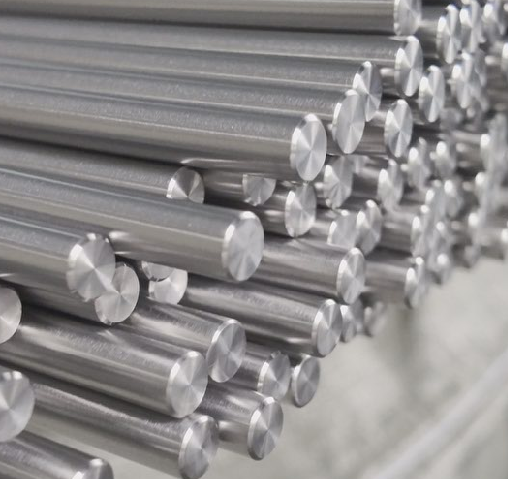
The Main Types of Implant-Grade Titanium
Understanding the differences between grades is essential for B2B buyers.
1. Commercially Pure Titanium (CP Titanium)
Standards: ASTM F67
Grades: Grade 1, 2, 3, 4
Grade | Strength | Ductility | Common Use |
|---|---|---|---|
Grade 1 | Low | Very high | Soft tissue implants |
Grade 2 | Medium | High | General medical use |
Grade 3 | Higher | Moderate | Load-bearing components |
Grade 4 | Highest (CP) | Lower | Dental implants |
Key Insight:
Grade 4 is widely used in dental implants due to its optimal balance of strength and biocompatibility, making it a dominant choice in the global market.
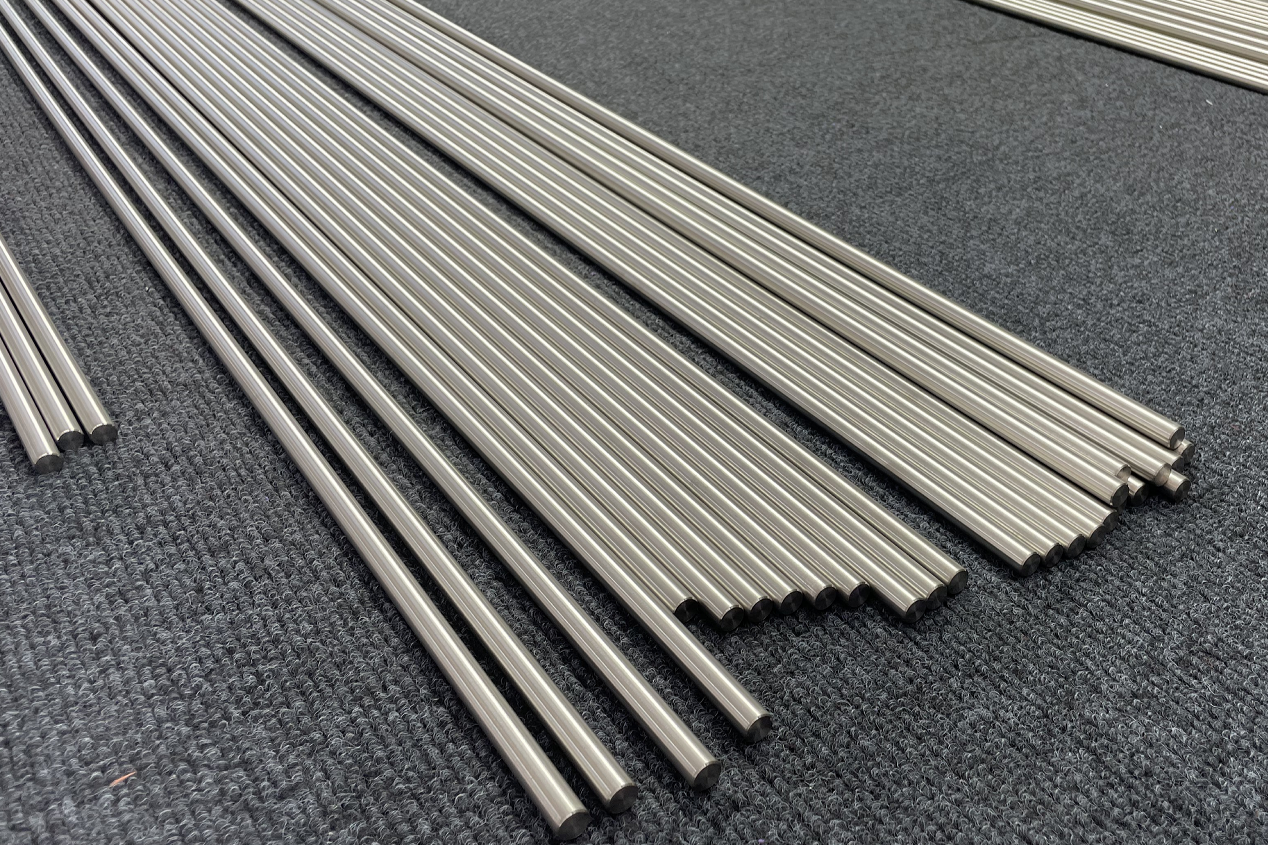
2. Titanium Alloys (Ti-6Al-4V ELI)
Standard: ASTM F136
Composition: Titanium + 6% Aluminum + 4% Vanadium (Extra Low Interstitial)
Advantages:
Significantly higher strength than CP titanium
Better fatigue resistance
Suitable for smaller, high-load implants
Applications:
Orthopedic implants (hip, knee)
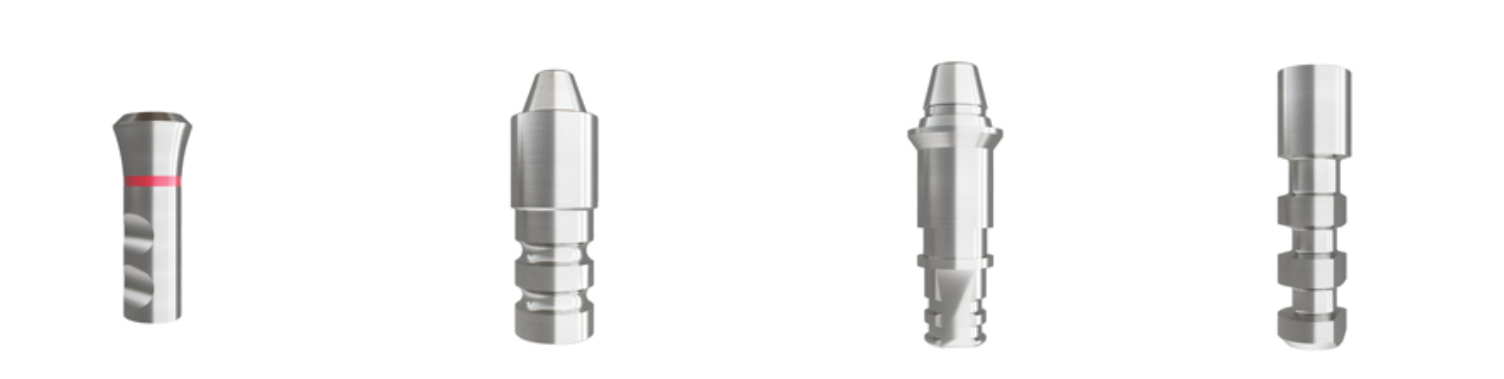
Dental implant components (abutments, screws)
Critical Note:
While stronger, alloying elements introduce biocompatibility considerations, making processing quality and certification even more critical.
Implant-Grade vs Industrial Titanium: The Hidden Risks
Many buyers underestimate the gap between medical and industrial titanium.
Aspect | Implant-Grade Titanium | Industrial Titanium |
|---|---|---|
Certification | ASTM F67 / F136 | ASTM B348 / others |
Trace Elements | Strictly controlled | Wider tolerance |
Testing | Fatigue, biocompatibility | Mechanical only |
Surface Quality | Medical-grade finish | Industrial finish |
Risk | Clinically safe | Potentially unsafe |
Key Takeaway:
Using non-certified titanium in medical applications is not just a quality issue—it is a regulatory and legal risk.
Why Surface Matters as Much as Composition
Even with the correct grade, surface treatment determines clinical success.
Common Surface Treatments:
Sandblasted & Acid-Etched (SLA)
Anodized surfaces
Plasma spraying
These treatments influence:
Osseointegration speed
Initial implant stability
Long-term success rates
Advanced Insight:
Micro- and nano-scale surface roughness directly impacts osteoblast activity, making surface engineering a critical differentiator—not just raw material quality.
Standards and Certifications You Must Verify
For B2B buyers, certifications are not optional—they are your first line of risk control.
Key Standards:
ASTM F67 / F136
ISO 5832
ISO 13485 (Quality management system)
FDA / CE compliance (for finished products)
What to Ask Suppliers:
Mill test certificates (MTC)
Traceability reports
Fatigue testing data
Surface characterization reports
A reliable supplier should provide full documentation transparency, not just claims.
Supply Chain Reality: Why Consistency Is the Real Challenge
One overlooked issue in implant-grade titanium sourcing is batch consistency.
Even when materials meet standards:
Microstructure variations can occur
Grain size differences affect fatigue life
Processing inconsistencies impact machinability
For OEMs, this translates to:
Increased rejection rates
Unstable production yields
Higher long-term costs
This is why experienced manufacturers often prioritize process control capability over raw material price.
How to Choose the Right Implant-Grade Titanium Supplier
Selecting a supplier is not about who offers the lowest price—it’s about who reduces your total risk.
Key Evaluation Criteria:
1. Material Expertise
Does the supplier understand:
Medical-grade metallurgy?
Application-specific requirements?
2. Manufacturing Capability
Look for:
Precision machining
Cleanroom handling
Surface treatment integration
3. Quality System Maturity
ISO 13485 certification
Full traceability system
Stable batch records
4. Engineering Support
Top suppliers act as technical partners, not just vendors.
A Practical Perspective: What Experienced Buyers Are Doing Differently
Leading OEM buyers are shifting their strategy:
From price-driven sourcing → reliability-driven partnerships
From single sourcing → qualified dual sourcing
From generic specs → application-specific material selection
In many cases, manufacturers working closely with specialized titanium processors—such as
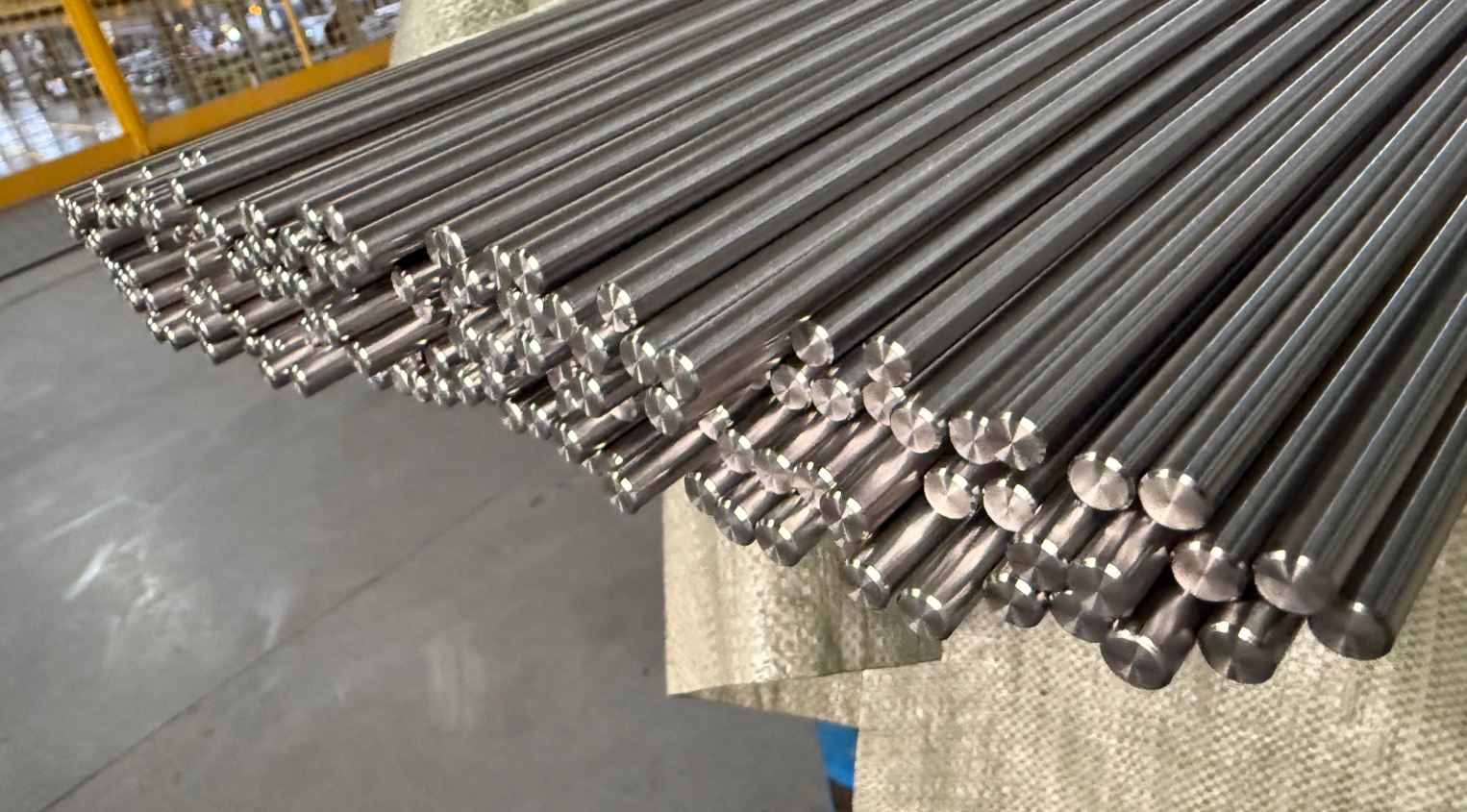
SUNXIN—benefit from:
More stable material batches
Faster customization cycles
Better alignment with medical compliance requirements
Rather than acting as a simple supplier, such partners contribute to design optimization and long-term product reliability, which is often underestimated during initial sourcing decisions.
FAQ: Implant-Grade Titanium
1. Is Grade 5 titanium implant-grade?
Yes, but only when produced under ASTM F136 (ELI) conditions. Standard Grade 5 (Ti-6Al-4V) is not sufficient unless it meets medical requirements.
2. Why is Grade 4 titanium popular in dental implants?
Because it offers:
High strength among CP grades
Excellent biocompatibility
Proven long-term clinical success
3. Can industrial titanium be used for implants?
No. Industrial titanium lacks:
Required purity control
Biocompatibility validation
Regulatory compliance
4. What is ELI in titanium alloys?
ELI stands for Extra Low Interstitials, meaning reduced levels of oxygen, nitrogen, and carbon—improving ductility and fracture resistance.
5. What matters more: material or surface treatment?
Both are critical. However:
Material ensures structural integrity
Surface determines biological integration
A failure in either can compromise the implant.
Conclusion: Implant-Grade Titanium Is a System, Not Just a Material
Implant-grade titanium should not be viewed as a commodity. It is a highly engineered system combining:
Precise metallurgy
Strict standards compliance
Advanced surface engineering
Consistent manufacturing processes
For B2B buyers, the real competitive advantage lies not in sourcing titanium—but in sourcing it correctly.
Those who invest in reliable material partners and deeper technical understanding will ultimately achieve:
Better product performance
Lower long-term costs
Stronger regulatory positioning