
Introduction
Medical-grade stainless steel sits at the intersection of materials science, regulatory compliance, and clinical safety. Yet despite its widespread use—from surgical tools to orthopedic implants—there is still significant confusion around what actually defines “medical-grade,” and more importantly, how different standards compare in real-world manufacturing.
For B2B buyers, OEMs, and procurement teams, misunderstanding these standards can lead to inconsistent quality, regulatory delays, or even product failure. This guide goes beyond basic definitions and dives into:
The core international standards
Key differences between grades
How standards impact manufacturing consistency
Practical selection strategies for different applications
What Does “Medical-Grade Stainless Steel” Really Mean?
“Medical-grade” is not a single material—it’s a classification defined by compliance with specific standards.
At its core, a material qualifies as medical-grade when it meets:
Biocompatibility requirements
Strict chemical composition limits
Controlled mechanical properties
Traceability and process validation
The most widely used governing frameworks include:
ASTM (USA)
ISO (International)
EN (Europe)
These standards ensure materials are safe for long-term or short-term contact with the human body.

Core Medical Stainless Steel Standards (Explained Clearly)
1. ASTM Standards (Most Widely Referenced Globally)
ASTM standards dominate in both North America and global OEM supply chains.
ASTM F138 / ASTM F139
Material: 316L / 316LVM stainless steel
Application: Surgical implants
Key feature: Controlled impurities + improved corrosion resistance
Key Insight:
F138 is more general, while F139 introduces tighter microstructural and inclusion controls, making it more suitable for critical implants.
ASTM F899
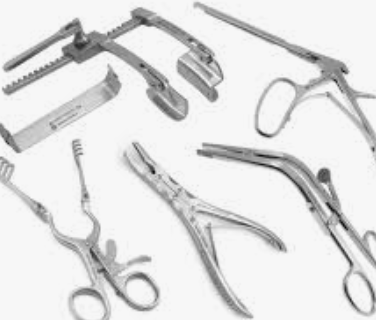
Covers a wide range of stainless steels for surgical instruments
Includes martensitic, austenitic, and precipitation-hardening steels
Why it matters:
This is the go-to standard for scalpels, forceps, and dental tools, where hardness and wear resistance are critical.
ASTM F1314
Focus: Precipitation-hardening stainless steels (e.g., 17-4PH)
Application: High-strength surgical components
2. ISO Standards (Preferred in Europe and Global Compliance)
ISO 5832 Series
This is one of the most important implant material standards globally.
ISO 5832-1 → 316L stainless steel
Defines:
Chemical composition
Mechanical properties
Surface condition
Key Advantage:
ISO standards emphasize harmonization across countries, making them essential for international device approval.
3. EN Standards (European Alignment)
EN 10088 / EN 10204
Material classification + certification requirements
Often used alongside ISO standards
Important Note:
EN standards often require 3.1 or 3.2 certification, ensuring traceability from melt to final product.
Comparison: ASTM vs ISO vs EN
Feature | ASTM | ISO | EN |
|---|---|---|---|
Geographic focus | USA / Global | International | Europe |
Implant standards | F138, F139 | ISO 5832 | EN ISO aligned |
Certification | Mill test reports | Harmonized | Strong traceability |
Flexibility | Higher | Moderate | Strict documentation |
Practical takeaway:
ASTM → preferred for engineering flexibility
ISO → best for global regulatory approval
EN → strongest in traceability and compliance documentation
Material Grades That Matter
1. 316L vs 316LVM
This is one of the most misunderstood comparisons.
Property | 316L | 316LVM |
|---|---|---|
Melting process | Air melt | Vacuum melt |
Inclusion level | Higher | Ultra-low |
Corrosion resistance | Good | Superior |
Implant suitability | Limited | Excellent |
Key Insight:
316LVM is not just “better”—it is engineered for biological environments, reducing risk of ion release.

2. Martensitic Stainless Steel (420, 440 Series)
High hardness
Excellent wear resistance
Lower corrosion resistance
Used in:
Surgical blades
Dental drills
3. Precipitation Hardening Stainless Steel (17-4PH / 630)
High strength + moderate corrosion resistance
Good machinability
Used in:
Orthopedic instruments
Structural components
How Standards Affect Real Manufacturing Outcomes
Many buyers focus only on material grade, but overlook how standards influence:
1. Consistency Between Batches
Even within the same grade (e.g., 316L), variations can occur due to:
Inclusion control
Heat treatment differences
Melting processes
This is why standard compliance alone is not enough—process control matters.
2. Traceability
High-quality suppliers provide:
Heat numbers
Full mill certifications
Process documentation
Without traceability, regulatory approval becomes difficult.
3. Surface Condition and Finishing
Standards often specify:
Surface roughness
Passivation requirements
Cleanliness
This directly impacts:
Corrosion resistance
Biocompatibility
Choosing the Right Standard for Your Application
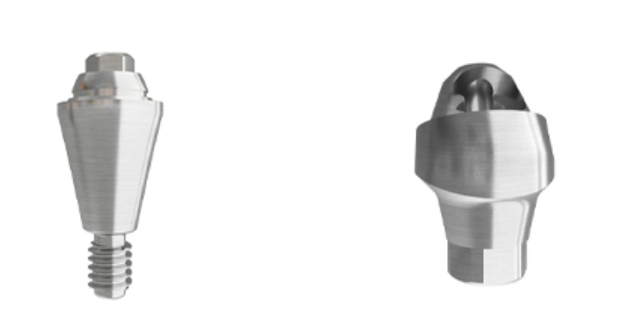
For Implants
Preferred: ASTM F139 or ISO 5832-1
Material: 316LVM
For Surgical Instruments
For High-Strength Components
Preferred: ASTM F1314
Material: 17-4PH
What B2B Buyers Often Get Wrong
Mistake 1: Assuming All 316L Is the Same
→ It is not. Melting method and inclusion control change performance significantly.
Mistake 2: Ignoring Supplier Capability
→ A compliant material from an inconsistent supplier is still a risk.
Mistake 3: Overlooking Certification Details
→ Missing 3.1 or full traceability can delay approvals.
A Practical Sourcing Perspective
In real-world procurement, successful companies focus on:
Stable supply chains
Batch-to-batch consistency
Clear documentation
Manufacturers like SUNXIN have increasingly focused on these areas by combining:
Controlled melting processes (e.g., vacuum melting)
Strict internal QC beyond standard requirements
Export-oriented certification systems
Rather than marketing claims, what matters is whether a supplier can consistently meet both material and documentation requirements across multiple orders.
Future Trends in Medical Stainless Steel
1. Higher Purity Requirements
Demand for ultra-low inclusion materials is increasing, especially in implants.
2. Hybrid Materials
Combination of stainless steel with coatings or surface treatments.
3. Stricter Regulatory Alignment
Global markets are moving toward harmonized ISO-based systems.
FAQ Section
Q1: Is 316L always medical-grade?
No. Only when it meets standards like ASTM F138 or ISO 5832-1.
Q2: What is the difference between F138 and F139?
F139 has stricter requirements on microstructure and cleanliness, making it more suitable for implants.
Q3: Why is 316LVM preferred for implants?
Because vacuum melting reduces inclusions, improving corrosion resistance and biocompatibility.
Q4: Can martensitic stainless steel be used in implants?
Generally no, due to lower corrosion resistance.
Q5: What certification should I ask from suppliers?
Mill Test Certificate (MTC)
EN 10204 3.1
Heat number traceability
Q6: How important is surface treatment?
Critical. Poor surface finishing can lead to corrosion and failure.
Conclusion
Understanding medical-grade stainless steel standards is not just about memorizing specifications—it’s about recognizing how standards translate into real-world performance, safety, and manufacturability.
For B2B buyers, the competitive edge comes from:
Choosing the right standard + grade combination
Partnering with suppliers who deliver consistent quality
Ensuring full traceability and documentation
In a market where reliability matters more than price alone, this knowledge becomes a strategic advantage.