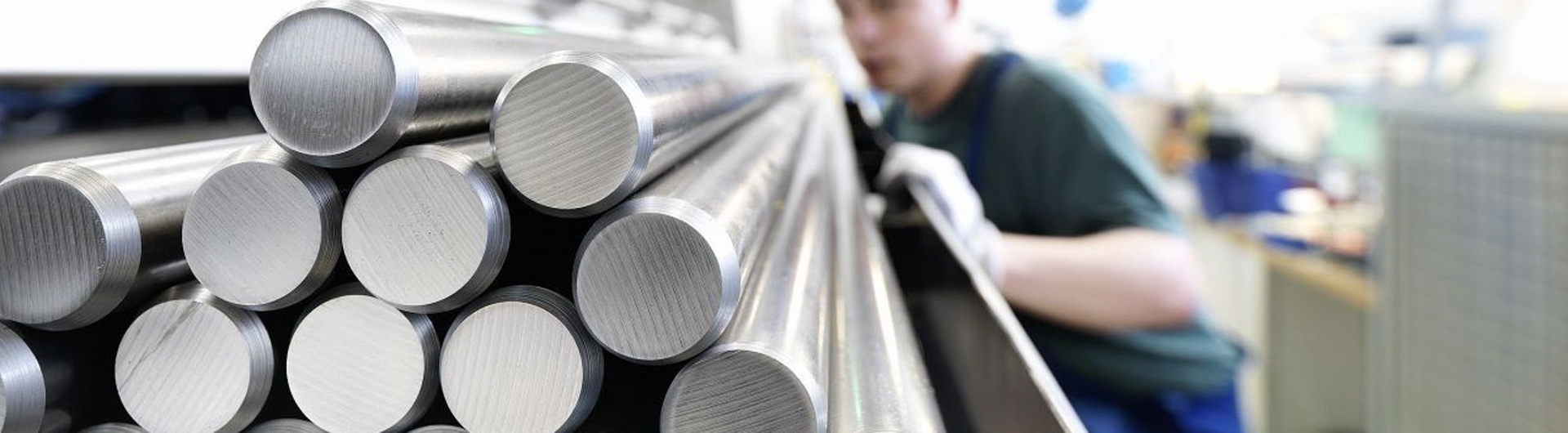

There is no single “perfect” metal for orthopedic implants.
Instead, the medical device industry relies on a small group of highly engineered biomaterials, each selected based on mechanical demand, anatomical location, patient conditions, and long-term biological interaction.
For B2B manufacturers, OEM suppliers, and medical device engineers, the real question is not
“what is the best metal?”
but rather:
Which metal delivers the optimal balance of biocompatibility, fatigue strength, corrosion resistance, and manufacturability for a specific implant design?
Orthopedic implants are not just structural components—they are long-term biological interfaces. Once implanted, they must survive:
Millions of cyclic loads (walking, lifting, bending)
Corrosive bodily fluids (chloride-rich environment)
Mechanical wear (articulation surfaces)
Strict regulatory scrutiny (ASTM / ISO / FDA / CE)
This is why only a few metal systems dominate the industry.
Let’s break them down in a practical, engineering-focused way.
1. Titanium Alloys – The Industry Standard for Modern Implants
Why titanium dominates orthopedic applications
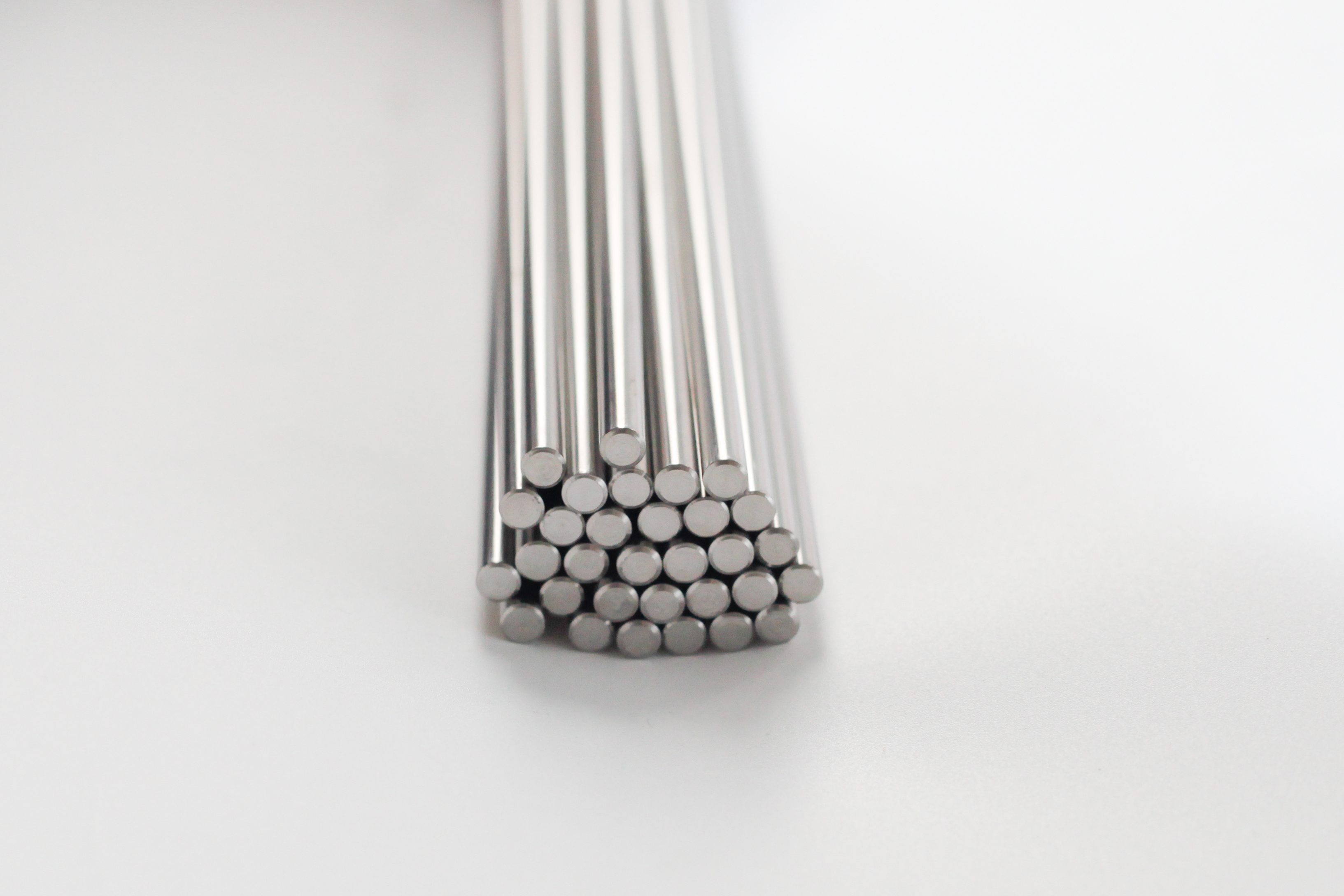
Titanium alloys, especially Ti-6Al-4V ELI (Extra Low Interstitial), are widely considered the most balanced material for long-term implants.
They are standardized under:
ASTM F136
ISO 5832-3
Key advantages:
Excellent biocompatibility (osseointegration capability)
Low elastic modulus (closer to bone → reduces stress shielding)
Outstanding corrosion resistance
High fatigue strength-to-weight ratio
MRI compatibility (non-magnetic)
Why Ti-6Al-4V ELI is preferred
Compared to standard titanium grades, ELI version reduces oxygen, nitrogen, and carbon impurities, improving:
Fracture toughness
Fatigue resistance
Long-term implant stability
This is why it is widely used in:
Hip stems
Spinal fixation systems
Dental implants
Trauma screws and plates
Limitations (important for OEM buyers)
Despite its dominance, titanium is not perfect:
Lower wear resistance compared to CoCr alloys
Difficult machining (tool wear cost is high)
Not ideal for high-load articulating surfaces
This is why titanium is often used for structural implants, not always for joint articulation.
2. Cobalt-Chromium Alloys – The Strength Leader
Cobalt-chromium-molybdenum (CoCrMo) alloys are the “heavy-duty” metals of orthopedic engineering.
Standard references:
ASTM F75 / F1537
ISO 5832-4 / 5832-12
Why CoCr is used
CoCr alloys are chosen when wear resistance and mechanical strength are more important than bone integration.
Key advantages:
Extremely high wear resistance
High compressive strength
Excellent hardness
Superior fatigue resistance
Long service life in articulation zones
Common applications:
Knee joint femoral components
Hip ball heads
Dental partial frameworks
Revision implants (high stress cases)
Limitations:
Higher stiffness than bone → stress shielding risk
Heavier than titanium
More difficult revision surgery due to hardness
Potential ion release (Co/Cr ions must be controlled carefully)
Engineering insight
In joint replacements, CoCr often pairs with:
UHMWPE (polyethylene)
Ceramic counterfaces
This pairing is designed to reduce wear debris, one of the major causes of implant failure.
3. 316LVM Stainless Steel – The Cost-Efficient Workhorse
316LVM (Vacuum Melted) stainless steel remains widely used, especially in temporary or low-cost implants.
Standards:
ASTM F138
ISO 5832-1
Why it is still used
Although newer materials outperform it, 316LVM is still important because:
Very cost-effective
Easy to machine and form
Good short-term biocompatibility
Widely available globally
Typical applications:
Bone screws (temporary fixation)
Plates for fracture healing
External fixation devices
Surgical instruments
Limitations:
Lower corrosion resistance than titanium
Higher risk of ion release over long term
Not ideal for permanent implants
Higher elastic modulus → stress shielding
Industry reality
316LVM is often selected not because it is “best”, but because it is:
Good enough for temporary load-bearing applications at low cost.
4. Nitinol (NiTi) – The Smart Metal for Dynamic Implants
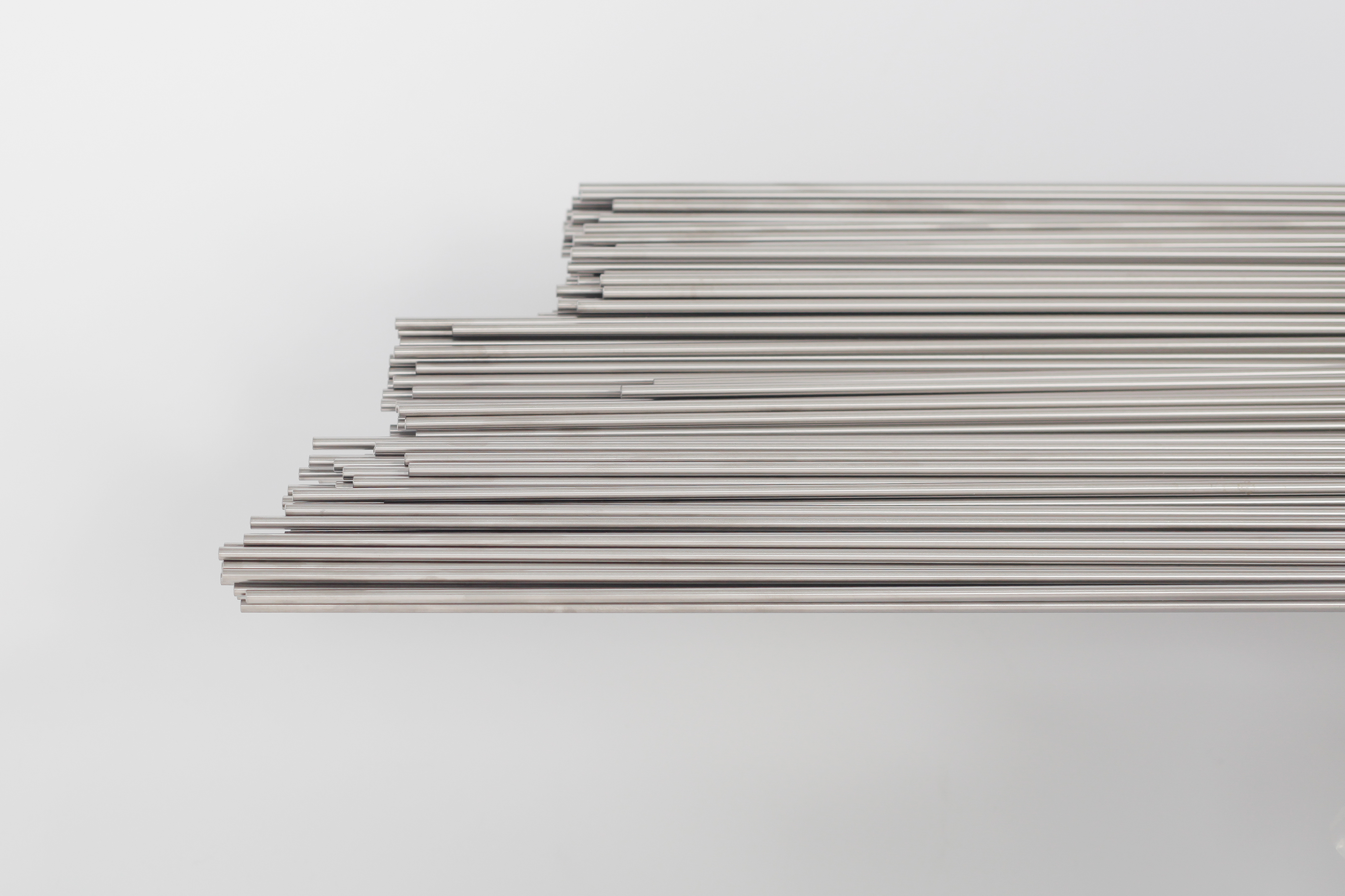
Nitinol is a nickel-titanium alloy known for:
Shape memory effect
Superelasticity
It is standardized under:
ASTM F2063
Why it matters in orthopedics
Unlike traditional metals, Nitinol can deform and return to its original shape.
This makes it ideal for:
Stents (vascular, orthopedic minimally invasive tools)
Spinal correction devices
Orthodontic wires
Bone anchors with dynamic loading
Advantages:
Extreme elasticity
High fatigue resistance under deformation
Minimally invasive deployment capability
Limitations:
Nickel content (biocompatibility concerns in some patients)
Complex processing and heat treatment
Higher material cost
Limited load-bearing structural use
5. Direct Comparison – Which Metal Performs Best?
Below is a practical engineering comparison:
Mechanical & Biological Performance
Material | Strength | Fatigue Resistance | Corrosion Resistance | Biocompatibility | Wear Resistance |
|---|---|---|---|---|---|
Titanium (Ti-6Al-4V ELI) | High | Very High | Excellent | Excellent | Medium |
CoCrMo | Very High | Very High | Excellent | Good | Excellent |
316LVM Stainless | Medium | Medium | Moderate | Good (short term) | Low |
Nitinol | Medium | High (elastic fatigue) | Good | Good (controlled Ni release) | Medium |
6. How Manufacturers Actually Choose Materials (B2B Reality)
For orthopedic OEM manufacturers, material selection is rarely based only on “performance.”
Instead, decisions depend on:
1. Implant function
Load-bearing (hip stem) → Titanium or CoCrMo
Temporary fixation → Stainless steel
Dynamic movement → Nitinol
2. Regulatory pathway
ASTM / ISO compliance availability
FDA submission familiarity
Historical clinical data
3. Manufacturing capability
CNC machinability
Forging vs additive manufacturing compatibility
Surface treatment options (anodizing, passivation, polishing)
4. Cost structure
Raw material price volatility
Scrap rate in machining
Certification cost per batch
7. The Hidden Factor: Material Consistency Matters More Than Material Type
In real-world orthopedic production, the biggest risk is not choosing the wrong alloy—it is inconsistent material quality.
Even Ti-6Al-4V ELI can fail if:
Oxygen content is out of range
Grain structure is inconsistent
Inclusion levels are not controlled
Heat treatment is unstable
This is why many OEM manufacturers prefer suppliers who specialize in medical-grade traceability and controlled metallurgy.
Some global medical device manufacturers collaborate with specialized material producers such as SUNXIN, which focuses on controlled production of titanium and specialty alloys for medical applications.
In B2B supply chains, what matters is not only composition—but also:
Batch-to-batch consistency
ASTM/ISO certification traceability
Stable mechanical performance after machining
Clean metallurgical processing routes
This is often the difference between a reliable implant supply chain and a high-risk one.
8. Future Trend: Which Metal Will Dominate Orthopedics?
The industry is shifting toward:
1. Advanced Titanium Alloys
Beta titanium (lower modulus)
Additive manufacturing powders
Porous titanium for bone ingrowth
2. Surface-engineered CoCr alternatives
Coating technologies reducing ion release
Ceramic hybrid systems
3. Smart alloys (NiTi evolution)
Temperature-responsive implants
Minimally invasive orthopedic devices
4. Hybrid structures
Titanium + polymer composites
Metal-ceramic combinations
9.FAQ – Orthopedic Implant Metals
1. What is the safest metal for orthopedic implants?
Titanium alloys, especially Ti-6Al-4V ELI, are widely considered the safest due to their excellent biocompatibility and corrosion resistance.
2. Why not use stainless steel for permanent implants?
Because stainless steel has lower corrosion resistance and higher ion release over long periods, making it less suitable for permanent implantation.
3. Is cobalt-chromium better than titanium?
Not universally. CoCr is better for wear resistance and joint surfaces, while titanium is better for bone integration and long-term structural implants.
4. Can orthopedic metals be allergic?
Yes, particularly nickel-containing alloys like stainless steel and Nitinol may cause reactions in sensitive patients.
5. What is the most used metal in modern implants?
Titanium alloys (especially Ti-6Al-4V ELI) are currently the most widely used across orthopedic and dental applications.
6. How do suppliers ensure implant-grade quality?
Through strict compliance with ASTM/ISO standards, vacuum melting processes, controlled impurity levels, and full batch traceability.
10.Final Conclusion
There is no single “best metal” for orthopedic implants.
Instead:
Titanium alloys dominate structural implants due to biocompatibility
Cobalt-chromium alloys lead in wear-heavy joint applications
316LVM stainless steel remains important for cost-sensitive temporary devices
Nitinol enables smart, minimally invasive solutions
For manufacturers and OEM suppliers, success depends not only on selecting the right alloy—but also on sourcing materials with consistent metallurgical quality, certification, and process control.
In today’s competitive medical device industry, material science is no longer just engineering—it is a supply chain strategy.