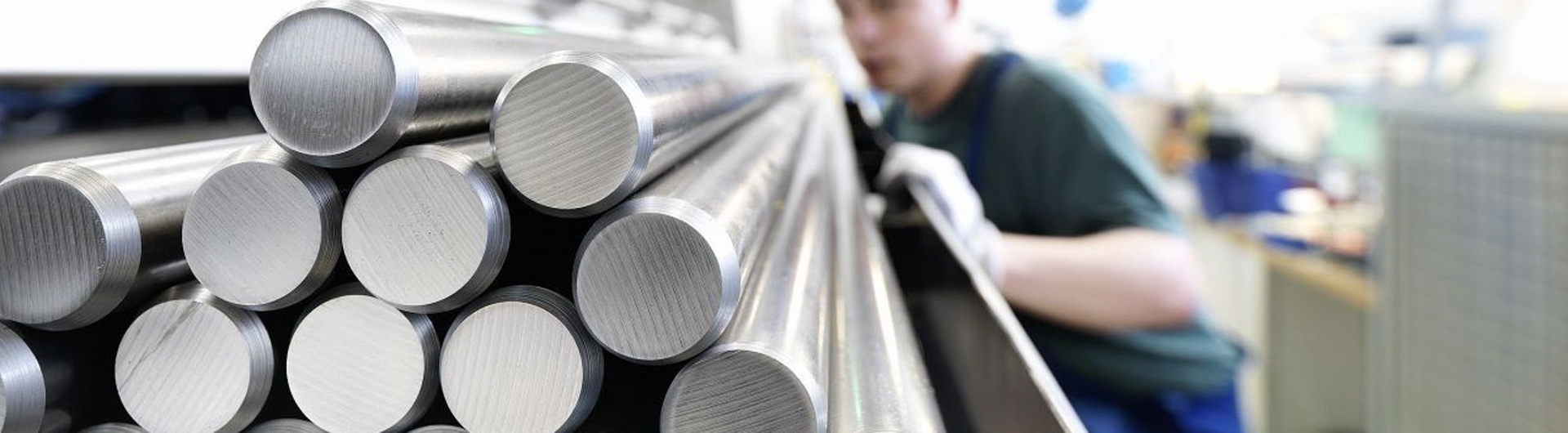

Dental implants have become one of the most reliable long-term solutions for tooth replacement in modern dentistry. While patients often focus on the shape or brand of an implant, the real foundation of performance lies in one critical factor: material selection.
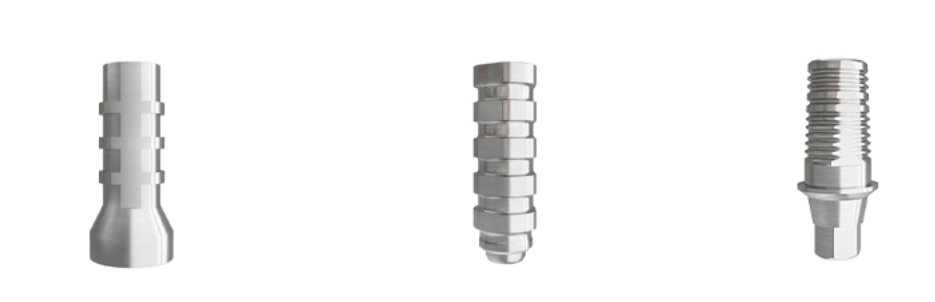
For manufacturers, OEM suppliers, and dental engineering companies, understanding implant materials is not just academic—it directly affects osseointegration performance, mechanical reliability, machining efficiency, regulatory compliance, and long-term clinical success.
This article provides a deep technical breakdown of the main materials used in dental implants, how they compare, and what industry trends are shaping the future of implant manufacturing.
1. Why Material Choice Is Critical in Dental Implants
A dental implant must survive in one of the most challenging biological environments in the human body: the oral cavity. It faces:
Constant mechanical loading (chewing forces)
Corrosive saliva environment
Bacterial exposure
Cyclic fatigue over decades
Strict biocompatibility requirements
Therefore, implant materials must balance:
Biocompatibility (no toxicity or rejection)
Mechanical strength (fatigue resistance)
Corrosion resistance
Osseointegration ability (bone bonding)
Manufacturability (CNC machining, surface treatment compatibility)
There is no “perfect” material—only optimized trade-offs depending on application and cost target.
2. Titanium: The Industry Standard for Dental Implants
Titanium is by far the most widely used material in dental implants today. Its dominance comes from its unique combination of biological and mechanical properties.
2.1 Grade 4 Titanium (Commercially Pure Titanium)
Grade 4 titanium is one of the strongest commercially pure titanium grades.
Key characteristics:
High biocompatibility
Excellent corrosion resistance
Good mechanical strength (for CP titanium)
Strong osseointegration performance
Why it is used:
Grade 4 titanium is often used for implant fixtures where a balance between strength and purity is required. The absence of alloying elements improves biological compatibility.
However, compared to titanium alloys, its mechanical strength is lower.
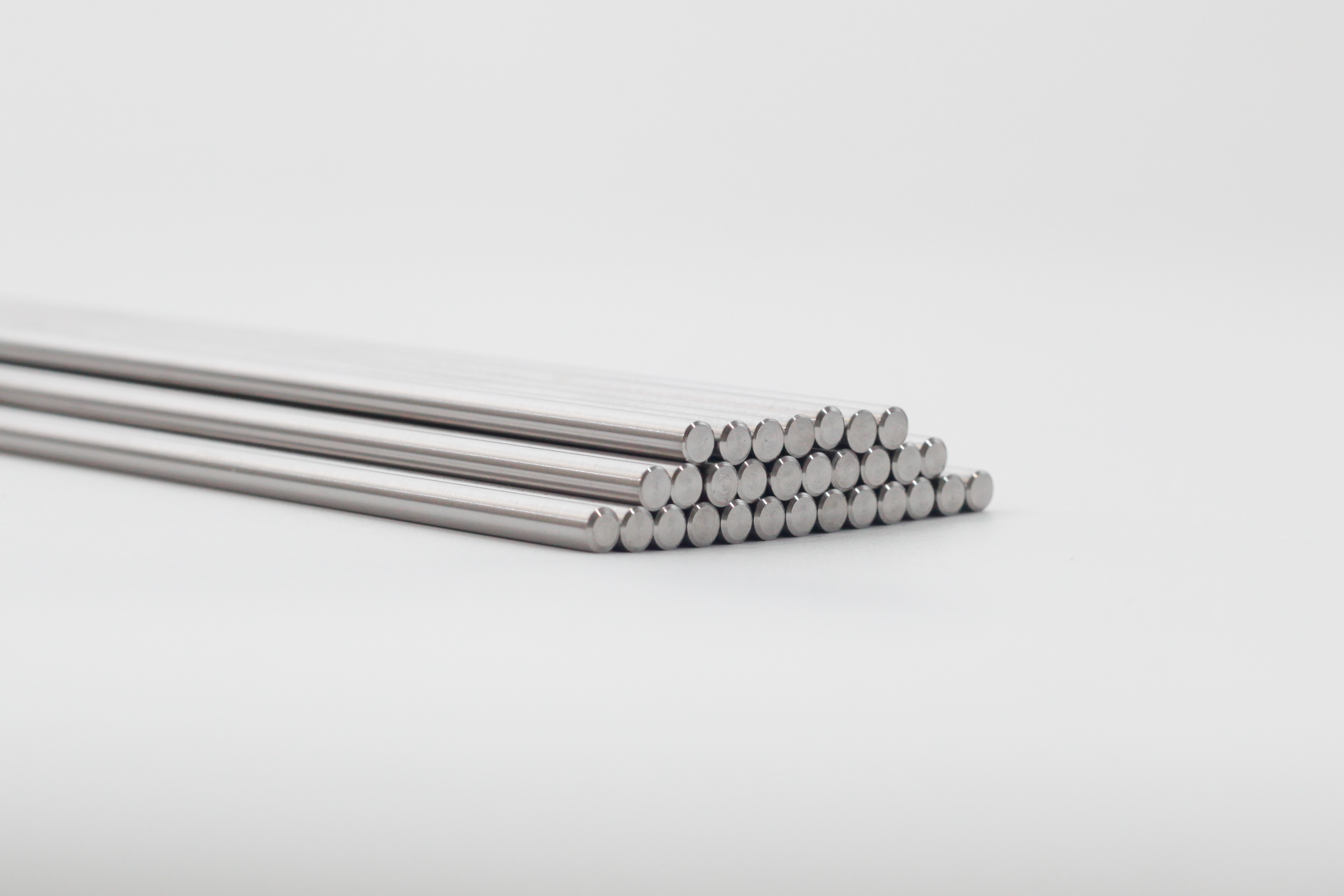
2.2 Grade 5 Titanium (Ti-6Al-4V Alloy)
This is the most widely used titanium alloy in high-performance implants.
Composition:
Titanium (balance)
Aluminum (6%)
Vanadium (4%)
Advantages:
Extremely high strength-to-weight ratio
Excellent fatigue resistance
Superior machinability for precision implant parts
Widely standardized in aerospace and medical industries
Limitations:
Slightly lower biocompatibility compared to CP titanium (due to alloying elements)
Elastic modulus still higher than bone, which can cause stress shielding in some cases
Despite these limitations, Grade 5 titanium remains the industrial backbone of dental implant systems, especially for load-bearing applications.
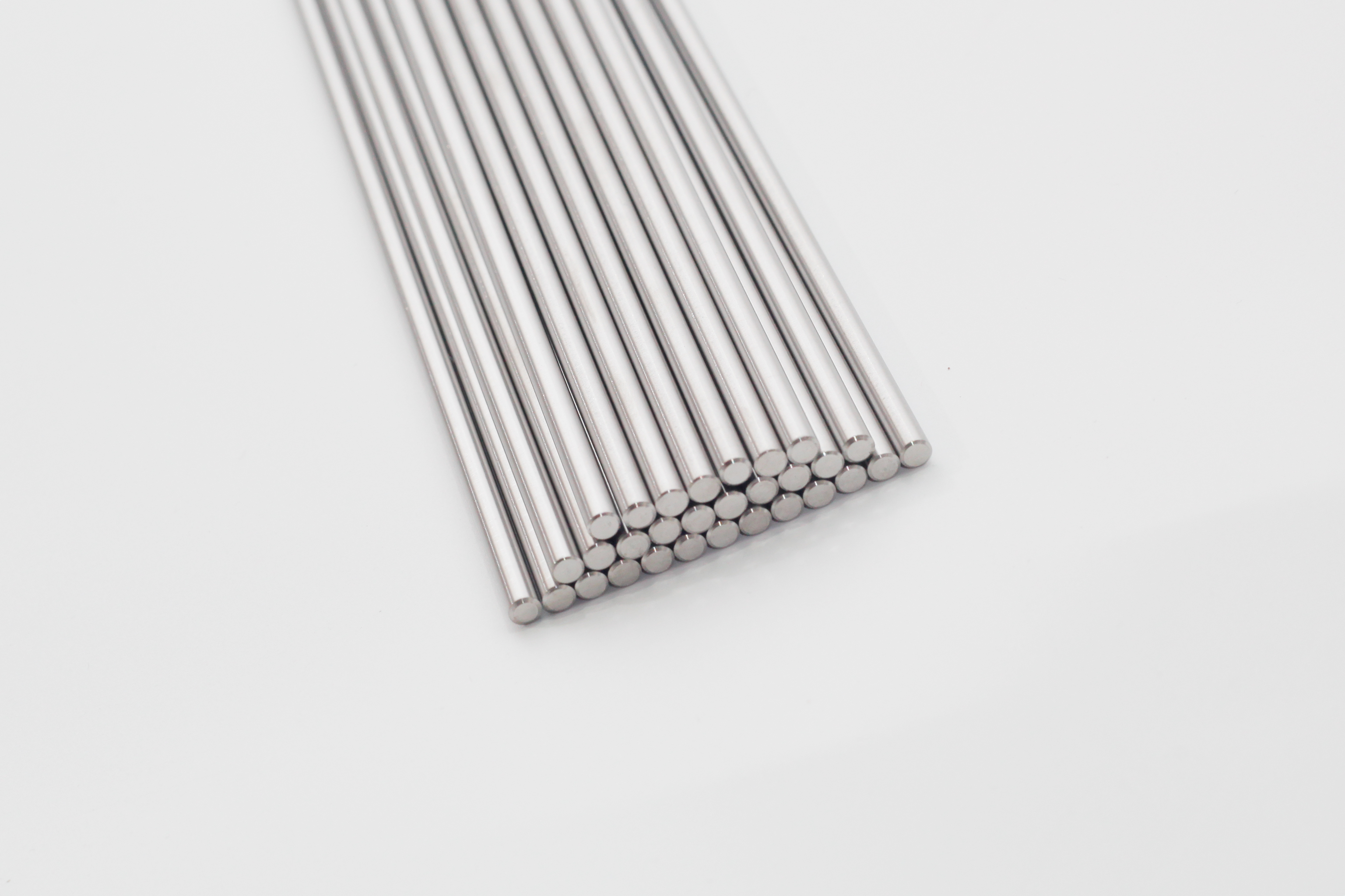
3. Titanium-Zirconium Alloys: The Next Generation Material
In recent years, titanium-zirconium (Ti-Zr) alloys have gained increasing attention.
Why combine titanium and zirconium?
Zirconium improves:
Strength without significantly increasing stiffness
Fatigue resistance
Corrosion resistance
At the same time, it maintains excellent biocompatibility similar to titanium.
Where it is used:
Narrow-diameter implants
High-load posterior implants
Patients with low bone density
Advanced implant systems requiring miniaturization
This material is especially attractive for manufacturers seeking to improve mechanical performance without switching to ceramics.
4. Zirconia Implants: Metal-Free Alternative
Zirconia (zirconium dioxide, ZrO₂) represents a completely different category of implant material: ceramics instead of metals.
Key advantages:
Excellent aesthetics (tooth-colored, no metal visibility)
High biocompatibility
Low plaque accumulation
Good soft tissue response
Limitations:
Brittle compared to titanium
Lower tolerance to fatigue stress
Limited design flexibility (especially for multi-piece systems)
Applications:
Single-tooth anterior restorations
Patients with metal sensitivity concerns
High aesthetic demand cases
While zirconia implants are growing in popularity, titanium still dominates global implant manufacturing due to superior mechanical reliability.
5. Stainless Steel: Historical but Limited Use
Stainless steel was used in early implant designs but is now largely obsolete in permanent dental implants.
Reasons for decline:
Lower corrosion resistance compared to titanium
Inferior biocompatibility in long-term implantation
Higher risk of ion release
Less effective osseointegration
Today, stainless steel is mainly used in:
Temporary surgical tools
Orthodontic components (not implant fixtures)
6. Surface Engineering Materials (Often Overlooked but Critical)
While bulk materials are important, surface engineering plays an equally important role in implant success.
Common surface treatments include:
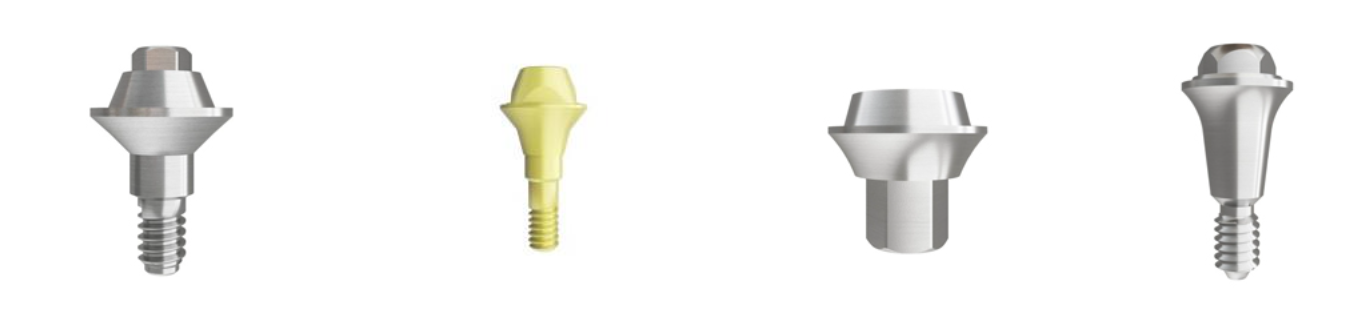
6.1 Sandblasted, Large Grit, Acid-Etched (SLA)
Increases surface roughness
Enhances bone integration speed
6.2 Hydroxyapatite Coating
Mimics natural bone mineral
Improves early-stage osseointegration
6.3 Anodized Titanium Surfaces
Creates controlled oxide layer
Improves corrosion resistance and biological response
For manufacturers, surface treatment capability often differentiates premium implant systems from standard ones.
7. Material Comparison Overview
Material | Strength | Biocompatibility | Aesthetics | Cost | Typical Use |
|---|---|---|---|---|---|
Grade 4 Titanium | Medium | Excellent | Low | Medium | Standard implants |
Ti-6Al-4V (Grade 5) | Very High | Very Good | Low | Medium | Load-bearing implants |
Titanium-Zirconium | Very High | Excellent | Low | High | Advanced implant systems |
Zirconia | Medium | Excellent | Very High | High | Aesthetic implants |
Stainless Steel | High | Low (long-term) | Low | Low | Temporary tools |
8. Manufacturing Perspective: Why Material Choice Matters for OEM Suppliers
For dental implant manufacturers, material selection affects:
8.1 CNC Machining Behavior
Titanium alloys require specialized tooling
Zirconia requires sintering and precision grinding
Tool wear rates differ significantly
8.2 Surface Treatment Compatibility
Not all materials respond equally to SLA, plasma spraying, or anodization.
8.3 Regulatory Compliance
Materials must meet standards such as:
ISO 5832 (implant metals)
ASTM F136 / F67 (titanium standards)
8.4 Cost Structure
Raw material selection significantly impacts:
production cost
yield rate
final implant pricing
This is why many global distributors carefully evaluate their OEM partners’ material sourcing capability.
Companies such as SUNXIN, for example, focus on stable titanium supply chains and controlled alloy processing, ensuring consistency across batches—an essential factor for B2B implant brands.
9. Industry Trends in Dental Implant Materials
The dental implant industry is evolving in several key directions:
1. Miniaturization
Demand for narrow-diameter implants is increasing, pushing titanium-zirconium adoption.
2. Aesthetic Demand
Zirconia is growing in anterior implant segments.
3. Surface Bioengineering
Focus is shifting from material alone to surface + material hybrid optimization.
4. Digital Manufacturing
CAD/CAM and 5-axis machining require more consistent and machinable alloys.
5. Long-Term Biological Optimization
Research focuses on reducing inflammation and improving bone remodeling speed.
9.FAQ
1. What is the best material for dental implants?
Titanium (especially Grade 4 and Grade 5 alloys) is currently considered the most reliable due to its strength and biocompatibility.
2. Are zirconia implants better than titanium?
Not necessarily. Zirconia offers better aesthetics, but titanium performs better in long-term mechanical reliability.
3. Why is titanium used in dental implants?
Because it combines corrosion resistance, strength, and excellent integration with bone tissue.
4. What is Ti-6Al-4V used for in implants?
It is used in load-bearing implants where higher strength and fatigue resistance are required.
5. Can dental implants be made from stainless steel?
Stainless steel is not used for permanent implants due to lower biocompatibility and corrosion resistance.
11. Conclusion
Dental implant materials are no longer a simple choice between metals and ceramics. Instead, they represent a highly engineered balance of biology, mechanics, and manufacturing precision.
Titanium remains the global standard due to its unmatched reliability.
Titanium alloys like Ti-6Al-4V dominate high-strength applications.
Titanium-zirconium is emerging as a premium next-generation solution.
Zirconia is carving a niche in aesthetic and metal-free dentistry.
For B2B buyers, understanding these materials is essential not only for product selection but also for long-term brand competitiveness in the dental implant market.
Manufacturers integrate material control with precision machining and consistent quality systems, reflect how modern implant production is moving toward tighter engineering and higher standardization across global supply chains.